


Alecsey Boldeskul
So, just how extensive is your knowledge of important Costa Rica facts? If you’ve ever visited the country (or know anyone who has), then you likely know it’s an incredibly beautiful place that’s rich in biodiversity and committed to environmental sustainability.
And you’d be right. But what about some of the less-obvious information about this popular expat destination? Read on for a brief overview of some of the behind-the-scenes Costa Rica facts.
Costa Rica’s History, from Columbus to Calderon
Costa Rica and its natives were discovered by Christopher Columbus in 1502 during his fourth and final trip to the Americas. He found the area’s roughly 400,000 inhabitants to be quite friendly and immediately returned to Spain to proclaim of the region’s beauty and wealth.
However, when later explorers came, they failed to encounter the same riches and easy-going natives. Instead they found mosquito-borne diseases, fierce heat, angry locals, and even marauding pirates. As a result, little gold was ever mined from Costa Rica. Instead, the area was mostly used for farming and a permanent settlement was not established until 1563 when Cartago was founded in the cool and fertile central highlands.
As a result of disease and conflict with the Spaniards, much of the indigenous population was wiped out. The Spanish settlers, rather than work the land themselves, began to immigrate to the Americas where native servants were more plentiful. However, the colony continued to exist for another 250+ years.
While Spain was defending itself against France, Mexico launched a war for its independence in 1810. The other colonies of Central America followed suit, and Costa Rica officially declared its independence on September 15, 1821. Initially part of the United Provinces of Central America, a federation which eventually dissolved, the nation proclaimed its complete sovereignty in 1838.
Costa Rica thwarted the invasion attempts of William Walker, a North American southerner who wanted to annex Central America and make it a slave state. It also struggled from time to time with military rule, although with much less violence than its Central American neighbors.
Civil war erupted in 1948 when the defeated presidential candidate Rafael Angel Calderon refused to concede to the newly elected Otillio Ulate. After a two-month conflict, Jose Figueres assumed temporary leadership of the government. A new constitution was ratified in 1949. Its provisions included the dissolution of the country’s armed forces, in an attempt to prevent future civil wars.

Sara Hopkins
Costa Rica’s Regions, from Coast to Coast
Costa Rica is known for its distinct and varied eco-climates. The country is divided into several very distinct and different regions, and each varies greatly in its topography, climate, population density, and many other factors.
Pacific Coast
Costa Rica’s Pacific Coast is its most extensive. Even though it’s often rugged, with thickly forested mountains ending abruptly at the sea, it’s still mostly accessible. It’s divided into four main regions.
-
Guanacaste: Located on the northernmost end of the Pacific Coast, this region contains many of the country’s most popular beach towns. There you’ll find a number of luxury resorts, as well as long stretches of deserted beach. This region is the driest in the country, comparable to the climate of west Texas.
-
Nicoya Peninsula: South of Guanacaste, this region is similar to it in many ways. It is, however, a bit less accessible and–as a result–somewhat less developed and crowded (although that’s beginning to change). The climate is also similar although it gets more humid as you move further south.
-
Central Pacific Coast: The most accessible of Costa Rica’s coastline, the central Pacific coast also has a lot of resorts and hotels. It’s quite popular among young surfers, as well as local Costa Ricans seeking a weekend getaway.
-
Southern Zone: This region is the country’s most remote and undeveloped. Hot and humid, it contains dense rainforests, protected areas, and rugged stretches of coastline. Other than a number of nature lodges and a few ecotourism outfits, it’s largely uninhabited.
Caribbean Coast
Costa Rica’s Caribbean coast is more or less divided into two equal parts. The northeast section is a large flat plain covered in rivers and rainforests, most of which is only accessible by boat or small plane.
Further south are a few beach towns that, while popular, have few large hotels or resorts as of yet. Like its Pacific counterpart, the southern Caribbean coast can be rainy, particularly from December to April.
Inland
The inland areas of Costa Rica are characterized by mountains ranges, three in all, that run from northwest to southeast. These mountains include several volcanoes, some of which are still active. Between them are fertile valleys, with the largest being the Central Valley.
Home to the capital city of San Jose, this area enjoys a mild spring-like climate year-round. The rich volcanic soil is perfect for farming, and coffee farms are prevalent. This region is densely populated.
The Northern Zone above San Jose also draws its fair share of tourists, despite the fact that it’s one of the few areas in the country without any beaches. Popular among those seeking nature retreats and extreme sports, it’s home to two of the country’s most active volcanoes, as well as Lake Arenal and the Monteverde Cloud Forest.

Camelia TWU
Costa Rica’s People, “Ticos” and “Ticas”
Unlike many of its Central American neighbors, Costa Rica has an extremely small percentage (<1%) of its population that are made up of indigenous tribes. Instead, a whopping 94% of Costa Ricans are of European descent, including mestizos or those of mixed European and native ancestry. Another 3% are black (many from Jamaica), and 1% of the population is Chinese.
Spanish is the official language of Costa Rica, although English is also widely spoken. Of those of faith, 76.3% are Roman Catholic. Evangelicals make up 13.7% of the population. There are also a significant number of Jehovah’s Witnesses, as well as those who practice a variety of other religions.
Local “ticos” and “ticas” (male and female, respectively) generally polite and friendly. They’re welcoming to foreigners and often go to great lengths not to offend anyone. The country also has a very well-established middle class, and its residents are mostly well-educated.
The Government of Costa Rica, a Peaceful Existence
Costa Rica’s government is a democratic republic, and it has enjoyed great political stability in recent decades. The country is divided into 7 provinces: Alajuela, Cartago, Guanacaste, Heredia, Limon, Puntarenas, and San Jose. It operates on a civil law system, based on the Spanish civil code. It also has an established system of checks and balances, with its Supreme Court performing judicial review of all legislative acts.
Its executive branch consists of a President and two Vice Presidents who are elected, on the same ticket, by popular vote. They serve a four-year term and appoint a 20+ member cabinet. The next election will occur in February of 2014.
The 57 members of Costa Rica’s Legislative Assembly are also elected by popular vote to serve a four-year term. The assembly elects a total of 22 Supreme Court Justices, who are divided into several chambers and serve eight-year terms.

Mike Baird
Costa Rica’s Economy, from Tourism to Technology
Costa Rica is a nation that had its beginnings in agriculture. Although it has drastically moved away from this direction as centuries have progressed, products such as bananas, coffee, pineapples, melons, ornamental plants, sugar, rice, and dozens more are still a vital part of the economy.
Tourism has long been Costa Rica’s largest source of revenue, as its beautiful beaches and endless opportunities for ecotourism are both plentiful. Other large contributors in the service industry are financial sectors such as banking and insurance.
Tourism is still huge, but in recent years industry has been gaining ground in Costa Rica, particularly in the technology field. Companies like HP and Intel have begun setting up operations there, largely in part due to the country’s high number of educated young people.
What’s more, its political and economic stability, coupled with its focus on education and health care, make it an attractive home for foreign companies. Products manufactured in Costa Rica include medical equipment, textiles, plastic products, and construction materials. Though in a country this beautiful tourism will always be a major player, it appears that Costa Rica is taking strides to diversify itself for continued growth and progress.
Costa Rica Facts and Figures
For those who like a bit more data, here are a few more Costa Rica facts and figures to show you how the country’s economy looks on paper:
-
GDP $45.13 billion
-
GDP real growth rate 5%
-
GDP (PPP) $59.79 billion
-
GDP (PPP) $12,800
-
Industrial production growth rate 6%
-
Unemployment rate 7.8%
-
Population below poverty line 24.8%
-
Revenues $6.506 billion
-
Expenditures $8.501 billion
-
Budget deficit -4.4% of GDP
-
Public debt 51.9% of GDP
-
Taxes and other revenues 14.4% of GDP
-
Inflation rate 4.5%
-
Commercial bank prime lending rate 18.21%
-
Current account balance -$2.556 billion
-
Exports $11.44 billion
-
Imports $16.75 billion
-
Reserves of foreign exchange and gold $6.857 billion
-
Debt – external $13.8 billion


David Panama – Pedregal Marina
Just ask anyone who lives in or has ever traveled through Panama’s Chiriqui Province, and they’ll tell you what a vital role the town of David, Panama, plays in making life easier in the surrounding Province of Chiriqui.
Located in a basin on the coastal plain, the Chiriqui capital of David is situated about 55 kilometers from the border of Costa Rica on Panama’s Pacific Coast.
The town has a population of just under 145,000 people, and isn’t as densely populated as many other cities its size, since there are few buildings over 5 stories tall.
The low population density and meager skyline give David a very small-town feel. However, it remains Panama’s second largest city and a major hub for transportation and commerce. It’s a relatively wealthy city, with a dominant middle class and a very low poverty index and unemployment rate.

David Panama
David, Panama, is different in many ways than a lot of other tropical destinations. On the one hand, a lot of its buildings are newer construction. That’s good, in that they’re functional and solidly built. But it’s bad in the sense that the city lacks the colonial charm associated with the clay structures and tile roofs common to many Latin American destinations.
So, while it isn’t exactly the country’s most aesthetically pleasing destination to purchase Panama Real Estate, David and its surrounding areas still have many factors that make the city quite attractive to tourists and expats alike. As a result, it has a large established expat community.
However, even more notable is the number of expats living in close proximity to David, who take advantage of all the amenities and conveniences it offers while foregoing its drab environment.
Here are a few of the reasons the area in and around David is so attractive to expats and travelers.
FutureExpat
1. David makes exploring & living in the amazing Chiriqui province much simpler.
Within a short distance from David are a number of fantastic destinations. The majestic Volcan Baru, the country’s highest peak, and the town of Volcan are about an hour away.
Both the mountain town of Boquete, with its coffee plantations and vibrant expat community, and the beach town of La Barqueta are only a 30 minute drive from David. It’s also only 19 miles from the country’s boundary with Costa Rica, making it an important border town.

David Panama Airport Runway
Playa Burica and Bocas del Toro are two other destinations within a short drive from David.
Also nearby (only 5 minutes from the airport) is the Pedregal Marina. This port houses the private boats and yachts owned by David’s residents. It’s also a great place to do some sport fishing. From this port, you can also explore the nearby mangroves or the Gulf of Chiriqui.
It also provides access to exotic Boca Chica and the beautiful Boca Chica Island, before giving way to the open Pacific Ocean.
While these are all amazing places to live & visit, what makes them even better is that fact nearby David offers a place to restock on supplies. It has everything travelers and residents of these more remote areas might need, making all of these areas incredibly accessible.
Situated halfway between San Jose, Costa Rica, and Panama City, Panama, David is conveniently located right smack on the Pan-American highway. It also has an international airport with flights to San Jose and Panama City. You can’t get much more accessible than that (although David may be about to…more on that later).
2. David is also a great place to stay while you explore the surrounding areas.
With so much to do within such close proximity to the city, David is a natural choice for where to set up camp while you take advantage of all the natural beauty, exotic wildlife, and opportunities for adventure that surround it.
Sure, some expats may choose to make David their home base, but when given the choice between living among cinder block buildings vs. living in an internationally-renowned mountain paradise (Boquete) or on a stunning secluded island (Boca Chica), most people are going to opt for one of the latter choices.
For those who wish to make David their temporary basecamp, it has hotels available to suit every budget.

Hotel Cuidad de David
Our favorites are Cuidad de David Hotel, whose rooms rent for around $120 per night, and for a lower cost option, Alcala Hotel ($30 per night) is clean, has a restaurant, and is centrally located.
You can also try Hotel Iberia or Hotel Iberia Sur (two hotels, same management). It has a nice restaurant, is within easy walking distance of the downtown area, and rents for about $42 per couple.

David, Panama Hotel Alcala
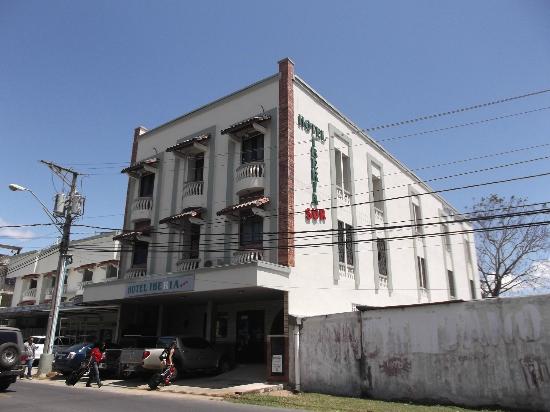
David, Panama Hotel Iberia
3. David, Panama, is jam-packed with supplies you’ll need.
Thousands of expats live in Chiriqui Province. Towns like Boquete and Volcan have modern conveniences and almost everything their residents need. When they can’t find something, they go to David. It’s where expats from all over Panama go for a quality piece of furniture, brand name clothing, or an obscure electronic gadget.

David Panama shopping center
There are about a dozen large supermarkets, 10 auto dealerships, six appliance and electronic stores, four department stores, three furniture outlets, two theaters (with movies in English), a Price Smart (similar to Costco or Sam’s Club), and a Do-It Center (like Lowe’s or Home Depot). Other businesses and services include clothing boutiques, shoe stores, dry cleaners, bakeries, video stores, pharmacies, salons, and even chain restaurants like KFC and T.G.I.Friday’s. And new businesses are opening regularly to accommodate a growing number of tourists and expats.

KFC in David
The roads are in good condition, and most public services are reliable. Privatized companies offer electrical service, as well as cable, telephone, and high speed internet. You can drink the water from the tap. David has frequent bus service throughout the city, and it’s quite reasonable. There’s also garbage collection twice per week and a number of local radio stations.
One thing to understand is that shopping in David (or Latin America for that matter) is different than in North America. You’ll have to get use to hunting for the things you need. It can be tough to go into one store and find everything. But once you get the hang of it, there isn’t much that you can’t find.
4. Among David’s amenities is a top-notch medical facility.

Hospital Chiriqui
Don’t let the photo fool you. Hospital Chiriqui is the largest private hospital in the region. Its state-of-the-art equipment and over 100 doctors offer quality care at extremely affordable prices. Several of the hospital’s doctors and nursing staff know at least some English, and many trained in the U.S. or Europe.
The entire experience is very different than a visit to a North American doctor. Rather than zipping patients in and out like they’re on an assembly line, the doctors take extended personal time with each patient.
There’s less government and insurance regulation, so doctors are free to make decisions based on their professional opinions. Wait times are pleasantly short once you learn to either book an appointment or show up right around the time that the doctor will begin seeing patients.
And while the care provided is top notch, the associated costs are minimal. Doctors don’t perform a lot of unnecessary tests and procedures. And, since the Panamanian society is not a litigious one, they aren’t shelling out half their income to pay for liability and malpractice insurance. As a result, those savings are passed along to the patient. For example, a visit to the ER might only cost around $25.
Services offered at Hospital Chiriqui include emergency, trauma, orthopedic, gynecology, neurology, cardiology, pediatrics, and many more. Although costs are already low, compared with the price for the same service in North America, the hospital also offers a discount program to members. The MSChiriqui program provides medical coverage and savings at Hospital Chiriqui and, in many cases, at least partial benefits at other facilities.
Like the rest of Panama, healthcare in David is nuanced. So check out our Panama healthcare report to learn more.
5. A major airport expansion means huge investment opportunity for David and the surrounding area.
David’s Enrique Malek International Airport has always been a great feature for the city. Located on the opposite side of the country from Panama City it’s always been the best way to access all the great destinations in Western Panama.
Panama’s current administration has been investing heavily in infrastructure, which is a good thing for the country and its tourism industry. One of the projects underway is the expansion of the David airport, which is a great thing for David and the areas close to it.

Grab a rental car at the David airport
Renovations include an extension of the runway, facility upgrades, and a more streamlined immigration process, all of which would make David an attractive candidate for more international flights.
In fact, Copa Airlines has indicated they plan to begin direct flights to David from the U.S. (likely beginning with Miami and/or Houston). This is all speculative at this point, but all it takes is one trip through the airport these days to convince you that major changes are underway.
This represents huge potential from a real estate and investment perspective. When infrastructure improves and towns become more accessible, they become more attractive to visitors and new residents. As a result, this expansion could have a tremendous impact on David, Panama’s real estate, particularly in areas that haven’t had the huge boom some of their neighbors have experienced.
David will certainly benefit, as will areas like Boquete, Volcan, and Playa Burica. However, towns like Boca Chica are probably best poised to see appreciation.
6. The cost of living in David is very low, even for Panama.
After hearing the list of services and amenities available in David, Panama, you wouldn’t expect to learn that it’s all offered surprisingly cheaply. But it’s true. Products and services in David costs much less than in Panama City, in many cases even half as much. You can get a nice lunch in a restaurant for $5, including a soda. A large Panamanian working-class lunch is only $2.75 and usually includes a plate full of rice, chicken, plantains or beans, and a salad.
For those who do decide to set up residence in David, utilities and services are also affordable. You can find reliable high-speed internet for as little as $19 per month, and water service for a two-person household is only about $7. You can hire domestic help for $10-$12 per day, or a full-time maid for only $175 per month. All in all, you could easily get by in David for no more than $1,500 per month, including rent, although the cost will vary depending on your lifestyle.
Real estate in David is also a bargain. You can get a smaller, Panamanian-style home that needs a little remodeling for as low as $40,000. Even a move-in-ready property would still only come in at about $75,000.
7. Recent incentives make David a great place to invest, particularly in the tourism sector.
Many of the factors we’ve already mentioned make David a prime location for investment in Panama. Although it has a lot of businesses and services already in place, there is a lot of money in David. Not to mention, expats living in nearby areas come to David to shop.
They would likely love to see more options for evening entertainment, specialty shops, and even more specialized services. And with expats continuing to settle in the Chiriqui region, David’s economy is expected to boom in coming years.
What’s more, Panama’s government is heavily focused on increasing tourism to the country. And much of its efforts are concentrated in and around David. When recent legislation offered huge incentives to those who wanted to establish tourism companies or developments in certain targeted areas, over 80% of them were in Chiriqui.
It’s clear that the government believes that in this area lies its best opportunity for tourism growth. If you spend some time there, you’ll see why.
Among the incentives available to those investing in tourism are exemptions on taxes on everything from property to imports to building materials and, in some case, even income tax. The various laws all have different specifics and qualifications. But the bottom line is that, if you want to invest in Panama (and specifically the areas around David) the government wants to make it as easy as possible for you.

Arisa
8. While there are a few negatives about David, the list is short.
No place is perfect. We all know that. And David is not without its list of shortcomings. The heat is a big one. As is the humidity. David can be absolutely sweltering with little relief from the heat. The best way to beat it is to relax in the city’s beautiful Parque Miguel de Cervantes with a cool drink of helados (fresh coconut juice) or a fresh fruit smoothie.
This is a big reason many expats don’t choose David as a place to actually set up residence. If you’re going to deal with the heat, you might as well be on the coast or a nearby island, with a nice coastal breeze to cool your skin. Or move up into the mountains where you can enjoy all the conveniences of David in close proximity, with much cooler temperatures and less rainfall.
Also, while there’s a ton to do in the areas surrounding David, the city itself doesn’t have a whole lot to offer in the way of entertainment and culture. Oh, it’s purely Panamanian. But when it comes to museums, night clubs, and fine dining restaurants, David leaves a lot to be desired. It’s a city that’s more focused on agriculture and industry than on being a cultural hub.
That being said, if that’s the worst it’s got, then David isn’t that bad of a destination for expats and tourists. In fact it gets a lot of both. However, for the most part, people tend to settle in the outlying areas. They’re just too spectacular not to! So, if you think David might not be the right place to live, then check out some of the other fantastic areas in Chiriqui. David will be there when you need it.
Map of David, Panama
David Fast Facts
- Population: About 150,000
- Typical temperature: 73 degrees lows with the highs in the upper 90’s
- Nearest airport with U.S. flights: U.S. Bound flights leave daily from Tocumen Airport, both domestic and international flights to San Jose, Costa Rica depart from Enrique Malek International Airport in David
- Nearest U.S. consulate: Panama City

For those of you that don’t know, we’ve nearly sold out our Adventure Colony in Burica, Panama. This video was taken just in front of Lot 16, which was sold a few years ago.
While on the pacific coast, due to the shape of the peninsula, we actually see the sun rise over the ocean. Check the vid to see what I mean.
Actually the lot where I shot this video is 1.6 acres, has a cabana, and you can own it for under $150k
Due to some financial troubles, the owner has to sell and is offering a discount beyond even the original purchase price.
This is pretty unheard of in a development that’s been as successful as Playa Burica.
Not only that, if you’ve grabbed your copy of Adventure Colony already, you’ll also qualify for another $15,000 in discounts.
You can head over to the Playa Burica page to get all of the details, but here are the main ones:
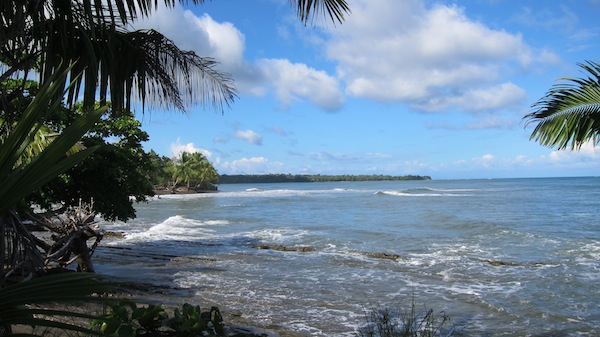
Size: 1.6 acres Amount of Ocean Frontage: 282 feet Includes Cabana that’s already built. Price: $149,900. And there is financing available.
This one won’t last long.
P.S. Here’s a Pic of the included Cabana
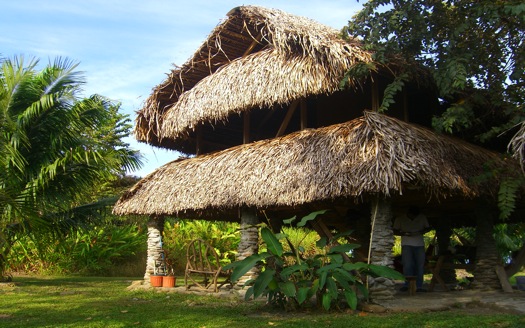
And another shot of its ocean frontage…


Len Langevin
The coastal town of Manta, Ecuador, is an important place to know if you’re wanting to familiarize yourself with this South American nation. Located on Ecuador’s central coast, Manta is the country’s second largest port city and its most popular beach location, mostly among Ecuadorians.
While Manta does draw its fair share of expats and foreign tourists, it’s most commonly used as a vacation or holiday destination for families who want an escape from the bustle of nearby Guayaquil. It’s a nice compromise, as it offers them all the comforts they enjoy in Ecuador’s largest city but with far less traffic and noise.
With a population of under 220,000, Manta, Ecuador, is a medium-sized city (about the same number of people as Scottsdale, Arizona) that serves as an important shipping and industrial center. As a result, it’s not what most people have in mind when picturing their life as expats in Latin America.
However, while it may not be exactly the right feel for a place that would-be expats might want to live IN, it’s a really convenient place to live NEAR or to use as your jumping off point for accessing all of the great destinations that are in close proximity to this coastal hotspot.
Here are a few important things you should know about Manta, Ecuador Real Estate.
If you’re looking for an Ecuadorian beach town with city conveniences, it’s one of the few options.
Ecuador has some of the most beautiful coastal areas in the world. And among them are miles and miles of completely untouched coastline. There are a few small villages where you might find a sprinkling of seafood shacks and something that resembles a convenience store. Other than that there isn’t much available in the way of consumer options.
That may sound quaint and like just the thing you’re looking for. But not everyone can live that lifestyle all the time. Eventually you have to stock up on groceries and other necessities or just go somewhere you can find an internet connection. And Manta is a great place to do that.
Not only can you find the products and supplies you need, but in Manta you can also enjoy a hot shower, air conditioning, and paved roads, all things that are difficult to come by along much of Ecuador’s coast.
It also has a fully-stocked North American(ish) style grocery store, a modern movie theater with many English titles, internet cafes, and a large assortment of restaurants and bars. In addition to these basics, Manta has yoga studios, health clubs, casinos, quality medical facilities, and a modern shopping center.
There’s a lot to see and do both in and around Manta, Ecuador.
In Manta itself, you’ll find plenty to entertain you along the coast. The shore itself doesn’t have the pristine white sand that many beach-goers seek, but it’s a fine place to walk or dine al fresco at one of the many open-air seafood restaurants. You can also find many homes with fantastic views from atop the cliffs that surround the city.
Just north of the city center is Playa Murcielago, the most popular beach in the area. It offers some good surfing, as well as opportunities to try out other aquatic sports such as scuba diving and fishing.
If you’re looking for a little culture in Manta, there’s the Museo del Banco Central. Its exhibits include a large amount of Pre-Colombian artwork, as well as other artifacts representing the area’s cultural history. Just inland lies the city of Montecristi, the source of many of the erroneously named “Panama Hats,” which actually originated in Ecuador.
If you head south from Manta, you’ll be on what’s known as the Ruta del Sol, or “Sun Route.” While this drive takes you along one of the most beautiful stretches of coastline in the world, the road itself could use a lot of work. It snakes alongside miles of deserted beaches where you could literally pull the car over and get out and surf entirely alone.
It also passes through tiny fishing villages where the residents seem completely unaware of the potential tourism potential of their sleepy little towns, although a few small developments have begun to pop up here and there. The route finally ends in Salinas, a popular resort community.
About an hour south of Manta is Puerto Cayo, a quaint fishing village that is a great place to go to get away for the day and relax. Just beyond that is Parque Machalilla, a national park with an assortment of flora and fauna, as well as some hiking trails and panoramic views of the coast.
Manta’s airport makes it accessible and also offers easy access to the rest of Ecuador’s Pacific Coast.
Manta’s infrastructure makes it a very livable city, and perhaps no other feature is quite as important as its domestic airport. The fourth busiest in the country, Eloy Alfaro International Airport (MEC) is a combination civilian airport and military airbase located on the outskirts of town.
Several airlines, including AeroGal, AVIANCA, LAN, TAME, and COPA, offer daily flights to Quito. That means that you could start the day enjoying the beach in Manta and, after a quick hour-long plane ride, find yourself in the Andean highlands.

Dani Blanch
Many factors make Manta a great place for a second home in Ecuador.
With so much to see and do in Ecuador, many of its citizens and foreign residents are finding that owning two homes provides some nice variation and a way to enjoy all the country has to offer. Because of its location and accessibility, Manta would be an ideal place to do that. Not only does it have the airport, it also has buses leaving regularly headed to many cities in Ecuador. Guayaquil, for instance, is only a short 3-hour drive away.
Manta, Ecuador, has a dry tropical climate with temperatures that range between 76 and 90 degrees Fahrenheit year-round, although it feels hotter in the wet season (December to May) due to the humidity. During the dry season (June to November), it’s still warm but the humidity makes being on the Ecuadorian coast far more bearable.
Many choose to spend the wet season in a more temperate area, like the Andean highlands, and then enjoy the coast during the months with lower humidity. In Manta, you can easily do this without sacrificing any of the creature comforts you’d otherwise have to do without in a smaller village.
Despite its size and amenities, Manta still offers an incredibly low cost of living.
One of the reasons Ecuador has gained attention as an expat destination is due to its extremely reasonable real estate and consumer goods. Those can also be found in Manta. You can enjoy a meal of fresh fish, with sides, and a cold domestic beer from a beachside restaurant for no more than $6. A 3-course meal for two in a nice restaurant will only set you back about $25.
Real estate is also cheap. You can rent a 2-bedroom condo with an ocean view, a swimming pool, and exercise facilities for as little as $500 per month. If you’re looking to buy, the same place would only cost you $80,000. If you don’t need the second bedroom, you can save as much as 25-30% on a one-bedroom property.
Conveniences from high speed internet to domestic help are all very affordable in Ecuador. And, while prices can vary greatly depending on your lifestyle, you could easily get by in Manta on as little as $1200 per month.

Quiltsalad
Manta, Ecuador, has many opportunities for investors.
Manta is home to one of the few ports in the country deep enough to receive commercial cargo, making it an important shipping and industrial center. Tourism is also a bit part of the city’s economy, and cruise ships dock there several times per week during the peak season.
It’s a growing city whose recent infrastructure projects include an improved sewage treatment system and a new bus station. Booming industry and better infrastructure lead to increased property values, making beach real estate another good investment option. Along with the potential profit, investors also have the added benefit of being able to influence the future of the community.
Manta does have some factors that make it unattractive to expats.
While Manta offers some great amenities and investment potential, it definitely has its downsides. For instance, its water supply is contaminated with mercury and other pollutants. You can’t drink it or use it for ice. And, while the city does offer some sweeping views, some of them are of cranes and other industrial components.
Also, although it experiences less crime than some larger cities like Guayaquil, Manta does have its share. A lot of it involves petty crimes, such as pickpocketing or theft of unattended items. However violent crimes do happen.
It’s important to use precautions, especially when you’re out and about at night, particularly in poorer areas of the city. It’s best to take a taxi, unless you’re in a large group. However, even taxis have been used in crime rings to take advantage of unsuspecting tourists.
As in any foreign city, it’s best to just use common sense and generally avoid looking like a tourist. Don’t carry around too much cash or leave luggage unattended. Always watch out for anything that looks suspicious and never take your eyes off your drink, as the use of date rape drugs is a concern. Steer clear of anyone begging or asking for money, including children.
Manta is a bonus on the Ecuadorian coastline
While not the ultimate “forever home” of most expats, Manta offers a lot in terms of value to foreign visitors and residents. It’s a good beach option for those who don’t want to sacrifice a lot of amenities.
It’s also a great place to restock or even establish a home base from which you can explore all of the many wonderful destinations Ecuador has to offer. When planning a trip to scout out possible places to relocate your family, make sure Manta, Ecuador, is one of your stops.
Map of Manta Ecuador
Manta Fast Facts
- Population: About 217,553
- Typical temperature: Despite its near-equatorial location, Manta has an arid climate with an average temperature of 71 degrees
- Nearest airport with U.S. flights: Quito or Guayaquil. The Domestic airport, Eloy Alfaro International is located on the outskirts of the Manta, here you can catch a daily flight to Quito and Guayaquil.
- Nearest U.S. consulate: Quito

Sandra Conoso
Coronado Panama, could be the ideal place for expats who are looking for world-class amenities and natural beauty all wrapped up in one convenient little package. Coronado offers a resort lifestyle comparable to the atmosphere of some of South Florida’s beaches, but without the seven figure price tag. However, with its nice variety of housing options, it’s also great for the would-be expat who’s looking for a place a little further off the beaten path.
For many years Coronado served as a destination where wealthy Panamanians purchased second homes or where people flocked on weekends and holidays to escape the hubbub of Panama City. Today it’s become an international tourist and expat hotspot in its own right. An established destination, it offers many of the same conveniences and attractions as the nearby capital, but in a cleaner, quieter, and less hurried atmosphere.
Here are a few of the reasons Coronado, Panama, is one of the nation’s best places to live as an expat:
1. Coronado offers convenient proximity to Panama City.
Coronado can be reached easily from North America, by way of Panama City’s Tocumen International Airport. It’s also just a short distance off the Pan-American highway, making it very accessible by car or bus from the nation’s capital, although the roads can sometimes be congested (particularly on weekends or around holidays).
While Coronado now has almost everything its foreign residents could ever need, nearby Panama City offers even more. Panama City is quite cosmopolitan, with its 18-screen movie theaters, numerous museums and galleries, high-end boutiques, and vibrant nightlife. So, expats seeking a particular flavor of fusion cuisine or a specific brand name clothing label can likely find it only a short hour’s drive away.
While in Panama City, you can also stock up on things that might be slightly more difficult to find in Coronado, although the beach community’s selection of most items is rapidly growing as more and more businesses open. Those needing a break from the coastal heat can also find relief in the cooler elevations of the nearby Valle de Anton, which is about 50 minutes up the hill.
Coronado also offers excellent routine health care and emergency services at its San Fernando Clinic. However, those who require more specialized care can find it with the local hospital’s affiliate, Clinica Hospital San Fernando, one of Panama City’s best.

Matthew Straubmuller
2. Coronado Panama has a well-established expat community.
After many years as a hotspot for wealthy Panamanians, Coronado has recently gained tremendous popularity among expats. In addition to immigrants from the U.S. and Canada, Coronado is also home to expats from the U.K. and places all across South America. In fact, it boasts Panama’s second-largest expat community (after Boquete).
As a result of decades of expat influx, Coronado has become increasingly friendly to North Americans and other foreigners. English is widely spoken, and many North American conveniences have already been established.
However, despite its size and its strong North American influence, residents love Coronado for its strangely small-town feeling. It is a close-knit community, with a lively social scene. A deep camaraderie exists, not only among its expats, but also between them and the native Panamanians who live or vacation in Coronado.

Marcio Da Mata
3. Coronado has some of the most beautiful beaches on Panama’s Pacific coast.
Those visiting Coronado might often find themselves having to do a double take to be sure they haven’t mistakenly landed somewhere on an established beach in South Florida. Its black and white sand stretches on for miles and miles, allowing for a beautiful natural setting that’s adjacent to world-class resorts and high-rise condos.
Coronado’s seaside location also makes it a great place to enjoy a variety of water sports, such as surfing or kiteboarding. You can also enjoy activities such as scuba diving, sailing, or deep sea fishing.
And everything is within walking distance. You can spend the morning at the health club, playing tennis. Then you can stroll down the beach to dine with a friend at a seaside cafe. After a dip in the ocean, you can walk back to your condo for a shower before meeting your spouse for a fine dining experience at the neighboring resort’s restaurant, looking out on a spectacular sunset.
4. Coronado offers an abundance of lifestyle and leisure options.
As Coronado’s expat population has grown, so have the number of options available for shopping, recreation, and other professional services. A resort membership provides you access to a professional golf course and tennis courts. You can also enjoy the pool and spa facilities. There’s even an equestrian club available for boarding horses.
Shopping plazas continue to pop up everywhere, and there are three supermarkets that are open round-the-clock. A variety of restaurants offer plenty of cuisine options. There are pharmacies, a private medical clinic, and even a veterinarian. There’s also a popular department store and a popular Panamanian home improvement store.
Other conveniences include a dry cleaner, a Mailboxes Etc., and a new gym. There are also three international schools in Coronado, making it a great option for young expat families with children. Businesses and services grow in response to expat needs, so as more and more foreign residents relocate to Coronado its options are likely to continue to increase.
5. Coronado’s infrastructure is better than that of most other coastal areas.
Great infrastructure is often somewhat of a rarity for beach communities. Not so in Coronado, due in part to its location and its long-standing rank as a top destination for locals and expats. This equates to conveniences like water and electrical service that are widely available and extremely reliable.
Also readily accessible is wireless internet, which is also very affordable. Coronado also has great roads, transportation, and other public services. As a result, it’s one of the country’s most turnkey options for expats who want a move-in ready home, community, and city. Coronado isn’t up-and-coming. It has already arrived.
6. Coronado offers lots of options for staying healthy and fit.
The people of Coronado, Panama, are an extremely health-minded community. Many residents grown their own fruits and vegetables, as well as spices for healthy cooking. Mango, papaya, plantain, and banana trees can be found everywhere. Fresh, locally-grown produce can also be purchased from a number of street vendors.
In addition to healthy eating, many residents of Coronado lead very active lifestyles. In addition to water sports you can find expats playing golf or tennis at the resort or gym. There are also groups and classes where you can participate in yoga or meditation. Many expats also spend their time staying mentally and spiritually fit by volunteering or supporting local causes.

Vivi Panama
7. Coronado has community and housing options for every budget and lifestyle.
Coronado’s central neighborhood is a gated community, which is guarded and also situated next to the Coronado Police Department for added security. This upscale area is well secured and has top-notch private facilities.
However, resort-style living isn’t necessarily for everyone. Coronado has a wide variety of choices to suit any preference. You can choose a Tuscan villa on a secluded lot, an efficiency apartment in a high-rise building, or a beachside bungalow with a view of the sea.
Prices can vary drastically, depending on the property’s location and amenities, but a smaller home can be had for as little as $250,000. Rental rates could range from $700 on up to $3000 or more for some of the most desirable properties.
While slightly more expensive than many areas in Panama, Coronado is still extremely affordable by North American standards. For expats who don’t mind being a bit farther from the action, you can find bargains on real estate in nearby areas such as the hillside town of Las Lajas, where you can find a modest home for under $200,000.
Coronado also has the added benefit of being in Panama, which enjoys an incredibly low cost of living. All this luxury can still be enjoyed for a fraction of the cost for the same lifestyle in North America, including high-speed internet and a full-time maid. Those eligible for the country’s pensionado visa can benefit from even greater savings.
Coronado, Panama, could be the perfect place for you if you’re a would-be expat who doesn’t want to compromise your lifestyle. And why should you? Here you can enjoy all the amenities of a South Florida retirement on a Latin American budget. Combine that with easy access and first-world infrastructure and you have a recipe for luxury.
Whether or not Coronado ends up being your ideal retirement destination, it certainly isn’t a shabby place to visit. Plan your trip today to find out if Coronado, Panama, is right for you.
Map of Coronado Panama
Use this quick map to see where Coronado fits in Panama and its proximity to the nearest international airport, Tocumen International Airport.
Fast Facts
- Population: About 20,000.
- Typical temperature: Ranges mid 80s to upper 90s
- Nearest airport with U.S. flights: Tocumen Airport, Panama City
- Nearest U.S. consulate: Panama City


UNESCO
How much do you know about Panama? If you’re like many potential expats, your knowledge may be limited to the fact that it’s home to the Panama Canal and the birthplace of the Panama hat. And you’d be wrong about the latter. (They actually originated in Ecuador.)
If you’re considering visiting or relocating to this important international destination, or if you just want to brush up on your general knowledge of Central America, here are some Panama facts to educate you on some of the country’s highlights.
General Panama Facts
Panama is an isthmus that connects the Central American country of Costa Rica to Colombia in South America. Shaped like a sideways “S,” it runs from west to east and borders both the Caribbean Sea and the Pacific Ocean.
Its total area is around 29,150 square miles (slightly smaller than the state of South Carolina), and it has a population of about 3,595,490 (less than the city of Los Angeles). Many of the country’s residents (1,272,672 to be exact) live in or near the capital, Panama City.
The rugged terrain and lack of good roads can make accessing areas along the Caribbean coast more difficult. As a result, the population is also heavily concentrated on the southern, Pacific side of the country, where the Pan-American highway runs. Panama’s Darien province also contains the only break, known as the Darien Gap, in the entire highway system that connects the farthest tips of North and South America.
Panama enjoys a tropical climate, with temperatures ranging from 87 to 95 degrees Fahrenheit year round. Relief from the heat can be found at the higher elevations, where temps are generally in the 70s. Its only season variation is between its wet (April to December) and dry (January to April) seasons.
Panama’s History
The Isthmus of Panama was discovered by Spanish explorers Rodrigo de Bastidas and Vasco Nunez de Balboa in 1501. In 1510 Santa Maria La Antigua del Darien became the first permanent settlement on the American mainland. The Pacific Ocean was reached on an expedition led by Balboa in 1513, and Pedro Arias Davila established Panama City on August 15, 1519, almost a hundred years before Jamestown, Virginia, was founded.
Panama remained a Spanish colony until 1821 when it became part of the Gran Colombia, under the rule of Simon Bolivar. It gained its independence from Colombia in 1903.
The People of Panama
Panama is comprised mostly of mestizos (68%), those of mixed Amerindian and European descent. The other categories include black and mulatto (10%) and white (15%). Amerindians (or American Indians, those indigenous to the region) account for another 6%.
Spanish is the official language. However, English is widely spoken. In fact, approximately 14% of the country speaks English. Several Indian languages are also used among native peoples.
The majority of the population (75-85%) identifies with the Roman Catholic church. However, freedom of religion is guaranteed by the nation’s Constitution. Protestantism, Judaism, Islam, Buddhism, and many other religions are also practiced in Panama.

Lon & Queta
Panama’s Structure and Government
Panama is divided into nine provinces and three Indian territories. It is a constitutional democracy whose representatives are elected by direct vote. The executive branch consists of a President and Vice President who are elected for a non-renewable five-year term. The 71 members of the National Assembly, the legislative body, are also elected every five years, often resulting in sudden, drastic changes in policy. Supreme Court justices are nominated by the executive branch and designated by Parliament.
Panama’s Economy
The official currency of Panama is the Balboa. However, the U.S. dollar is also widely accepted and exchanges at a rate of 1:1, making it an easy place to live and invest. To further attract investors, a recent law was established to protect investments made in all economic sectors. Both natives and foreigners are free to do as they wish with the products and profits generated with Panamanian investments, up to and including trading or transferring them to other countries. It also establishes an arbitration provision, eliminating the danger of dealing with the Panamanian judicial system.
Its main industries include food processing, chemical manufacturing, textiles, and the manufacturing of machinery and metal products. Among its agriculture products are coffee, bananas, sugarcane, cotton, beef, and veal. Its largest exports are coffee, shrimp, lobster, cotton, tobacco, and bananas.
Other revenue producers include the banking and services industries, tourism, tax-free zones, and the Panama Canal. Panama’s economy has boomed in recent years, so much so that the country experienced a shortage of skilled workers. As a result, a new visa was introduced to attract foreign professionals and their families to live and work in Panama. The shortage also prompted large investments in Panama’s school system for a more long-term approach. The country has a high literacy rate at 93%.
Because its tax law is strictly applied to income produced within its territory, it is also considered something of a tax haven. All transactions made or executed in or affecting areas outside of Panama are exempt from income taxes. Property and other taxes are also quite favorable.
The Panama Canal
Among its most notable landmarks is the Panama Canal, a 48 mile ship canal that first opened in 1914 and took 33 years to build. The passageway was instrumental in opening up trade and travel to the west coast of the U.S. as well as nations in and around the Pacific Ocean.
The Canal was controlled by the U.S. until 1977 when a series of treaties made way for it to be handed over to Panama. Since 1999 it has been solely operated by the Panamanian government. Named one of the seven wonders of the modern world, it has been expanded many times with its third lane of locks slated to open in 2015.
Surprisingly, the canal itself only accounts for 4% of the country’s Gross Domestic Product (GDP). However, due to the multiplier effect, its impact is much more far-reaching. Its employees spend their income on consumer goods, which in turn fuels businesses like restaurants and grocery stores. As a result, it’s estimated that the canal indirectly accounts for closer to 30% of the nation’s GDP.
Panama’s Infrastructure
Panama has excellent infrastructure when compared to many of its Latin American neighbors. And recent investments into roads, airports, and other systems are literally paving the way for even more businesses and visitors to come to Panama. These include a $5.2 billion Canal expansion, airport renovations, five new highways, new hospitals, and $1.5 billion for a Metro line, Panama’s first subway system.
Panama is also a highly connected country, due in part to a longstanding U.S. military presence. In fact it ranked as the second best Latin American country for technology and internet penetration. Telephone service, high-speed internet, cable, and satellite service are also affordable and reliable.
Panama’s Nature

Angie Harms
Roughly a fifth of Panama’s entire land area is protected areas. This includes nature reserves, national parks, wilderness areas, and others. In addition to these land features, Panama is also home to three protected wetland sites.
Though not as naturally diverse as some of its Central American neighbors, Panama boasts a tremendous amount of flora and fauna that make it a nature lover’s paradise. Its forests are home to almost 10,000 species of plants, including 200 that are currently endangered. Panama’s resourceful natives have used many of these for centuries as medicine, food, and construction materials.
Panama also claims over 200 mammals, as well as many reptiles, amphibians, and fish. It also contains 10% of the world’s bird species, including the rare resplendent quetzal.
Traveling to Panama
Panama is five hours behind Greenwich Mean Time (GMT). It’s also one hour ahead of its Central American neighbors. It does not observe daylight savings time so, depending on the time of year, it corresponds with either the U.S.’s Eastern Standard Time or Central Standard Time. Most of its electrical outlets are 110 volts, although there are some areas with 220.
Entering Panama requires a passport (valid for at least 6 months) and the appropriate visa (90 or 180 days for tourists). You’ll also need to show proof of a return trip ticket or ticket to your next destination, as well as proof of financial solvency (e.g., bank statement or travelers checks) to guarantee you won’t be working while in the country.
Panama by the Numbers
Here are a few more Panama facts and figures:
-
GDP $36.253 billion
-
GDP per capita $9,526
-
GDP (PPP) $57.079 billion
-
GDP (PPP) per capita $15,616
-
Industrial production growth rate 15.7%
-
Unemployment rate 4.4%
-
Population below poverty line 26%
-
Revenues $9.07 billion
-
Expenditures $9.835 billion
-
Budget deficit -2.1% of GDP
-
Public debt 39.2% of GDP
-
Taxes and other revenues 25% of GDP
-
Inflation rate 5.7%
-
Commercial bank prime lending rate 6.91%
-
Current account balance -$4.191 billion
-
Exports $18.91 billion (includes the Colon Free Zone)
-
Imports $24.69 billion (includes the Colon Free Zone)
-
Reserves of foreign exchange and gold $3.303 billion
-
Debt – external $14.2 billion
If you still have questions about Panama, take a look at one of our many articles on various topics affecting those who are considering it as a retirement or vacation destination. Or, better yet, schedule a trip to the Latin tropics and check it out for yourself.
Map of Panama
Panama Fast Facts
- Population: 3.8 million
- Typical temperature: Temperature typically varies from 72°F to 91°F
- Nearest airport with U.S. flights: U.S. Bound flights leave daily from Tocumen International Airport
- Nearest U.S. consulate: Panama City
- Home of the Playa Burica adventure colony.
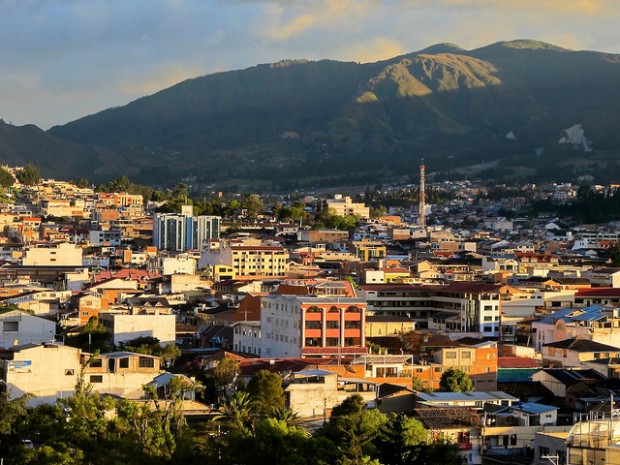
Located in the nation’s Southern Sierra, Loja, Ecuador, may very well be one of the country’s most underrated retirement destinations. Known as the “Valley of Smiles,” it’s a friendly village whose amenities rival, if not exceed, those of some of its more popular counterparts.
Georgia Popplewell
One of the oldest cities in Ecuador, it’s also one of the most pioneering. Loja successfully marries authentic colonial charm with modern conveniences, and it comes with an attractive price tag. In many ways, Loja, Ecuador Real Estate, offers its foreign residents the best of both worlds.
And, while the city does receive its fair share of tourists, surprisingly few expats have made it their permanent retirement destination. This could make it the ideal place for those looking for a more authentic expat experience in a place that doesn’t seem to be headed in too much of a North American direction.
Here are a few things would-be expats should know about undiscovered Loja, Ecuador:
Despite its rural location, it’s incredibly easy to reach and get around in.
Located in the Cuxibamba Valley, Loja is surrounded by lush, green mountains that cascade down into beautiful valleys with rushing rivers. Its climate and elevation of 6,750 feet above sea level make it the perfect place for growing crops ranging from coffee to plantains to citrus fruits. Those who want to own a large tract of land or farm can easily find one.
However, Loja itself is a very walkable city. In fact, most residents find owning a car to be unnecessary for day-to-day life. Taxis are readily available and inexpensive. They can shuttle you across town for about a buck or even to other parts of the country. Loja has a modern bus system, as well as jet transport to other major cities in Ecuador via its nearby airport.
Loja, Ecuador, may have the world’s most ideal climate.
With daily temperatures rarely rising much above 70 degrees, you won’t need air conditioning. Heat is also unnecessary, although the cool nights will require a few extra layers. This same wardrobe will get you through the entire year, though, as there’s very little seasonal variation.
What fluctuation there is comes in the form of a wet and dry season. The best weather days are in October to January. The wettest time is February through May, but the daily afternoon rainbow is likely to make you forget about any inconvenience.
Loja offers modern amenities without compromising any of its authentic details.
Established in 1548, Loja is one of the oldest cities in Ecuador. Its town squares are full of statues, frescoes, and other remnants of its colonial past. Original structures, with their arched doorways and wide balconies, stand adjacent to similar new construction designed to complement the city’s historic architecture. This harmony of old and new is something that Loja intentionally aimed for and achieved beautifully.
Loja established itself as one of Ecuador’s most forward-thinking cities when it became the first to make use of electricity, as early as 1897. It has continued this trend of well-planned modernization and industrialization, while still maintaining its historic charm.
Visitors to Loja can tour centuries-old churches like the Fatima and Santo Domingo. They also have access to conveniences often found only in much larger cities, including several universities, shopping centers, and hospitals. Its technology is up to par, and its nightlife rivals some of the country’s liveliest destinations with its restaurants, bars, and other happening hotspots.
The city has also thrived financially as a result of its carefully planned economic development. It has also been internationally recognized for its efforts to protect its environment and natural resources.
Loja, Ecuador, is the ideal place for optimal cultural immersion.
With a population of about 185,000 people, Loja has a more small-town feel than many of its competing expat destinations. For comparison the mountain town of Cuenca, located 3 hours north of Loja, has almost double the population at 330,000.
The people of Loja are friendly and social. The town’s squares function as places to relax, spend some time people-watching, or meet up with friends. The locals also welcome foreign residents in a way that’s much different than many expat destinations.
Loja has virtually no expat community to speak of. As a result, immigrants are treated as just another member of the local community. Not as just another gringo. While many would-be expats are deterred by cities without an established expat community, others welcome the opportunity to be accepted on their own merits and not pigeonholed into a certain stereotype.
Loja is both safe and affordable.
Like many other smaller-scale expat destinations, Loja does not suffer some of the problems of its larger counterparts. For starters, it’s an incredibly safe city. It experiences far less crime than in places like Guayaquil or Cuenca, or the capital city of Quito. Residents can walk through the city streets in the middle of the night without any concern for their safety or fear of robbers.
And since it’s still somewhat off the radar of most expats, real estate prices (and for that matter, everything) in Loja are still reasonable. A large, picturesque 70-acre property on the outskirts of town, complete with waterfalls and a view, will only set you back $150,000. A two- or three-bedroom apartment in town rents for as little as $300 per month. In fact, a couple could enjoy a fine lifestyle in Loja for $1,000 per month, less if they want to live more like locals.
A 3-course meal for two in a nice restaurant runs around $15. You can enjoy a pint of domestic beer in a local pub for $1. And there are no “gringo prices.” Whether you’re renting a car or buying land, you can rest assured that the amount you’re being quoted is the same as what locals would pay.
Loja is the musical and cultural capital of Ecuador.
As one of the few expats in Loja, you will have a front row seat to some of the best culture Ecuador has to offer. Unarguably, most of the the country’s most talented musicians and composers got their start in Loja. Music can be heard throughout the city most evenings, from the bands at the outdoor restaurants to the lone crooners on their balconies.
The city is home to a noted music conservatory. It also has two orchestras. You can check out the local talent at the Teatro Bolivar, which offers many concerts free of charge.
In addition to its musical scene, Loja also offers a local movie house and museums with a variety of historical and art exhibits. If you’re looking to take up some of the hobbies of the locals, the Allianza Francesa offers both cooking and dancing lessons. The Virgen del Cisne festival is another popular cultural event, where a famous statue makes it annual pilgrimage from nearby El Cisne to the town of Loja and back again.

Jipiro-fabulousfabs
Loja is perfect for those who want to live a healthy life in harmony with nature.
The natural beauty and climate of Loja, Ecuador, make it an ideal place to live a healthy lifestyle and enjoy everything the environment offers. Due to its year-round spring-like weather, fresh tropical fruits and vegetables can be grown all year. You can grow them yourself or buy them at the local markets for a fraction of the prices you’d pay in North America.
Fresh squeezed fruit juices are very popular. They’re packed with vitamins and so much tastier than the bottled varieties. The area offers several well-equipped gyms and fitness centers, all for very reasonable prices.
In addition to the healthy food and fitness options, it’s proven that being in nature is just flat out good for you. And Loja is a great place to do just that.
Nearby Podocarpus National Park is a habitat for approximately 800 species of birds, as well as others that have yet to be discovered. It’s also one of the last major habitats for the spectacled bear. The area’s jungles and cloud forests also offer miles of opportunities for exploration.
While there’s speculation as to the accuracy of its claims, the region is known to be one of the healthiest in the world. Due to the quality of its drinking water, as well as its challenging terrain and nutrient-rich produce, nearby Vilcabamba has been studied for the longevity of its residents, many of whom are reported to have lived to be over 100 years old.
The mere fact that other expats are overlooking Loja, Ecuador, may be reason enough to consider it as a potential destination. It’s either a still little-known city that will eventually experience the same boom as some of its neighbors. Or it could be one of those well-kept secrets that manages to remain untouched and unaffected by the increasing influx of North American immigrants.
Either way, now is a great time to take a closer look at this hidden Latin American gem.
Map of Loja, Ecuador
Use this map to see the proximity of Loja to the nearest international airport, GYE, in Guayaquil.
Loja Ecuador Fast Facts
- Population: About 200,000.
- Typical temperature: Ranges from the 60s to mid 80s
- Nearest airport with U.S. flights: Camilo Ponce Enriquez airport in Catamayo, 30 km (30 min) distant. From there, it is possible to fly to Quito or Guayaquil.
- Nearest U.S. consulate: Quito


Katy McClelland
With its powdery white sand and sparkling turquoise waters, it’s easy to see why Roatan, Honduras, has gained tremendous popularity over the past decade. Recently touted as one of the best places to retire, particularly among island destinations, it attracts the attention of expats and tourists alike.
While terms like “best-kept secret” and sights such as the towering cruise ships in its ports might turn away some skeptical buyers, Roatan isn’t just another cookie-cutter expat destination. Its heavily-touristed area is counter-balanced with acre after sparsely-populated acre, just a few miles down the road. It’s accessible and surprisingly affordable. And buying property is a breeze compared to other locations of its caliber.
So, before you write it off as just another passing trend in a long line of retirement hotspots, here are a few things you might not know about Roatan real estate.
1. For a relatively small island, Roatan offers a lot of options.
Roatan is a 37 mile long island that is situated about 35 miles off the northern coast of Honduras. It’s less than 5 miles across at its widest point, so essentially it’s a long strip of land that’s divided generally into an eastern and a southwestern section.
The island is made up of two municipalities: Roatan, to the southwest, and Jose Santos Guardiola, on the eastern end of the island. The largest of the country’s Bay Islands, it also encompasses a few smaller land masses such as the Cayos Cochinos to the west. The eastern end of Roatan also includes Santa Elena, a small island separated from the main one by a channel of mangroves, as well as Morat, Barbaretta, and Pigeon Cay.
While there are a few decent-sized cities on the eastern end of the island (such as Oak Ridge, the capital of San Jose Guardiola), almost all of the action on Roatan is to the west. Cities like Coxen Hole and French Harbour offer services from banks to gyms to modern medical facilities. The popular West End is home to the great sandy beaches and dive shops that attract tourists from all over.
If you’re looking for a well-developed, densely populated area where you can walk to bars and restaurants, the southwest end of Roatan is for you. If not, come along with us to the eastern side. There you’ll find quite the opposite of the tourist-heavy bustle of the west end.
On the less-populated end of the island of Roatan there are fewer paved roads and beaches with not a single other human in sight. The amenities are fewer, and consequently property prices are much lower. You can still reach the hotspots on the west end, as well as the airport in Coxen Hole, within an hour or so. But with the lower cost of living on the east end of the island, you may not even want to.
2. With direct flights from the U.S. you can be in Roatan in two hours.
Speaking of the airport, you can now find direct flights to Roatan from several major U.S. cities, such as Houston, Miami, and Atlanta. This development has made a tremendous difference in the time it takes to reach this island getaway, as it was once only accessible by local flight or ferry from the mainland.
This new ease of access makes Roatan one of the simplest to reach island destinations in Central America. And easy access makes for the potential for appreciation. As more people and businesses flow into the island, the effect on the Roatan real estate market can only hope to benefit.
Once on the island, getting around is fairly simple. Buses run every 15 minutes between Coxen Hole and West End, during the day. Another runs every hour to Oak Ridge, stopping at places such as French Harbour and Punta Gorda, which is where the pavement ends. The roads become increasingly primitive the farther east you go.
Because Roatan has everything you need and is far safer than the mainland of Honduras, it’s doubtful you’d have much need to travel there. However, if you do, the ferry to La Ceiba runs twice daily. It’s safe and reliable, takes 90 minutes, and can be a bit pricey.
3. It’s incredibly easy to buy and own Roatan real estate.
Because North American expats represent one of the largest demographics of those buying property there, the Roatan real estate market closely resembles that of the U.S. So, similarly, prices are beginning to rebound after a downturn of several years. However, there are still bargains to be had. While the market still has some ground to recover, don’t wait too long to make your move if you’re hoping to score a deal on property in Roatan.
Today’s Honduras has a stable democratic government that is extremely foreigner- and investor-friendly. Even more so in Roatan, which manages to shield itself from most of the political conflicts that plague the mainland. From buying property to obtaining a retirement visa, regulations are fairly loose. Property taxes are also a fraction of U.S. rates, and there is no tax on income earned from foreign sources.
As a foreigner, you are permitted to make a one-time purchase of up to ¾ an acre of land. However, you can buy an unlimited amount by setting up a Honduran corporation. This is a common practice and one that is perfectly legal. A Honduran attorney can make this a simple process for you.
The assistance of a qualified attorney is also invaluable throughout the buying process. The steps of buying include proving a clear title, proper registration, and paid up taxes on the property involved. An attorney can make these otherwise complex tasks much more manageable and handle all the related paperwork, which must be notarized and written in Spanish.
In terms of residency, Honduras offers several visa options. Most notably, its retirement visa has an income requirement of only $1,500 per month, which suffices for the applicant as well as his or her dependents.
4. If Carnival Cruise Lines is interested in Roatan real estate, maybe you should be too.
The top names in tourism don’t typically dock in places where there’s nothing to do, right? Well, in Roatan there is certainly no shortage of activities to entertain even the most lively expats. As a result, several cruise lines have added it as a destination port. And industry-leading Carnival recently developed a large section of beach where its cruise passengers can relax or embark on a number of excursions.
Without question the island’s biggest draw is the Mesoamerican Barrier Reef. The second largest in the world, after Australia’s Great Barrier Reef, it attracts divers and explorers from around the world. The island offers a number of dive shops and guided tours of the reef. Also featured are opportunities for snorkeling, sailing, and kayaking in and around the reefs and mangroves.
Until tourism took over, Roatan’s largest industry was commercial fishing. As a result, it offers some of the best sport fishing around. Offshore catches include tarpon, tuna, and marlin. You can also try fly-fishing among the mangroves and sand flats.
For land-loving expats, there’s horseback riding, hiking, and the world-class Black Pearl Golf Course. There are also restaurants serving up everything from steak to sushi and bars with live music and fresh fruit cocktails.
In addition to the abundance of activities, those interested in Roatan real estate will also be pleased with the infrastructure and amenities the island offers. Electricity and water is available throughout the island, as are telephones and high-speed internet. The roads are simple to navigate, and even the unpaved ones are easy enough (unless conditions are wet). Medical services are also available everywhere, although those with serious conditions should probably travel to the mainland.
5. The low cost of buying and living in Roatan leaves plenty left for all the perks.
One of the most attractive features about Roatan real estate is the price tag. Combine this with one of the lowest costs of living in the world, and you can afford a lot of things you never imagined.
Prices in Honduras are often half that of even its Central American neighbors. As a result, many expats find that they’re able to afford larger homes and better views, with enough left over to hire an entire staff to keep up the property.
Still others are finding ways to use their resources to give back to the community, hiring locals to work in their small businesses or opening up their homes to be used as schools or retreat facilities. The possibilities are endless.
With accolades continuing to pour in, and with Roatan real estate being viewed by starry-eyed would-be expats on House Hunters International, it’s certain that this Honduran island won’t be one of the Caribbean’s best kept secrets for long.
However, with so many available options and great incentives to buy, it’s also certain to remain one of Central America’s best all-around retirement destinations for decades to come.

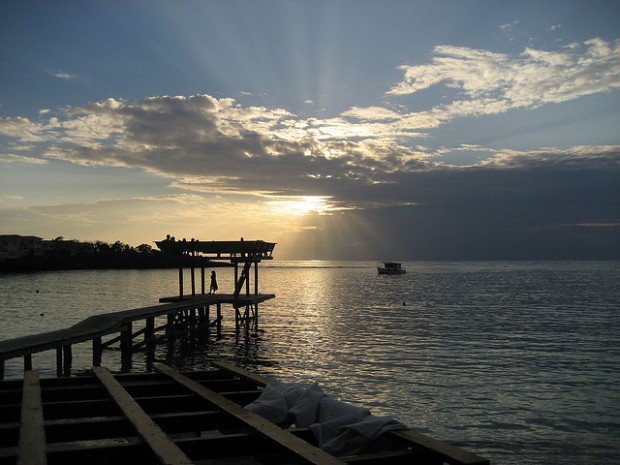
Matty Wack
In recent years Honduras has become a hotspot for international dive and beach lovers. The Bay Islands on the Caribbean Coast are what have brought them there and some people have even chosen to make an island their home.
Like Belize, these islands lie along the Mesoamerican Barrier Reef, the second largest in the world. This makes for some amazing scuba diving. Because Honduras has yet to become an on-the-beaten-track tourist destination, the prices here remain considerably lower than other Caribbean destinations.
Perhaps this explains why many serious divers and those simply looking to enjoy relaxed island life end up retiring or opening businesses here.
With three incredibly distinct islands, visitors and residents often find their favorite. Each island offers access to great diving, has an interesting local culture with Caribbean, Spanish, and Indian roots, and has primarily English-speaking locals due to their Caribbean ancestry. However, each island is quite unique.
We’ve broken down each island to help you determine which of the three Bay Islands you might call home.
Roatan

Viva Tropical
Roatan is the largest and most developed, populated, and tourist-frequented of the Bay Islands. In 2011 Island Magazine named it the #1 island in the world to retire on. The white sand beaches and clear Caribbean water make it the image of island paradise, while its accessibility makes it a desirable place to live.
The island consists of a long, forested ridge surrounded by white sand beaches which allows for many outdoor activities. Snorkeling, scuba diving, kayaking, and water sports can be enjoyed in the ocean. On land there are trails for hiking, horseback riding, zipline tours, and mangroves for exploration.
Roatan lies just off the shore of Honduras and a 2.5 hour plane ride away from Houston. This makes it a great island for those looking for convenience to the U.S. and the mainland for basic supplies.
If you have plans to open a tourism-based business, particularly a restaurant or hotel, Roatan is a great option because it has a steady influx of tourists. Particularly luxury hotels, spas, fine dining restaurants, and most shops will do best on Roatan which attracts more luxury-minded tourists than the other islands. Cruise ships sometimes stop in Roatan so businesses that appeal to cruise passengers will likely also do well on this island.
While the island enjoys tourism for its economy, it is still an up and coming location that is far from densely populated, allowing you to enjoy the relaxation and nature around you.
Utila

Simon Hook
Utila first became a tourist destination for backpackers and dive enthusiasts seeking the most affordable diving in the world. While it does enjoy tourism, the island is significantly less developed and populated than Roatan. The local scene is a diverse array of foreigners whether their ancestors came over a hundred years ago on a pirate ship or they moved over from the United States a few months ago.
Because of the island’s small size of under 10,000 residents it has a supportive small town feel. All of the residents know one another and share a peaceful lifestyle on this sleepy island. Utila has a bigger nightlife scene than the other islands because of its popularity with backpackers but it still has a quiet, laid-back island vibe.
Unlike Roatan, Utila is mostly mangrove covered and does not have large stretches of white sand beach. However there are small cayes nearby that you can reach with a dingy for your own private paradise island experience, a favorite day trip for many residents.
This island may not be for everyone, but those who have chosen to live here absolutely love it. It would be a great investment choice for those looking to open budget accommodations, particularly hostels, dive shops, bars, and inexpensive eateries. It’s also a great place for those simply looking to get away.
Guanaja
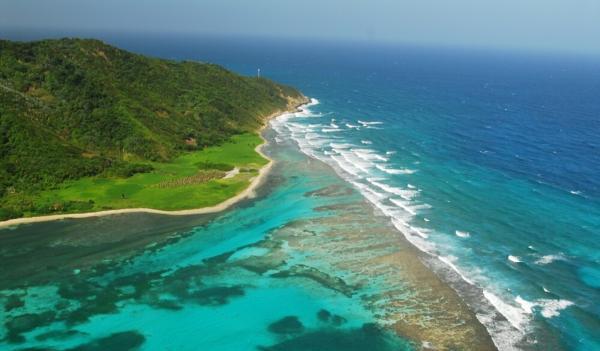
Denise Clarke
This small island is certainly the most difficult to access of all the bay islands, but that is likely what keeps it relatively untouched. When you arrive on Guanaja, it becomes apparent that you are somewhere off the beaten track.
Reaching Guanaja does take more effort than the other islands, which is what keeps it so pristine. You must either fly from La Ceiba on the mainland, about a thirty minute flight, or fly first to Roatan and then charter a boat from there.
The island is the most mountainous of the three and has waterfalls, creeks, hiking trails, and beautiful beaches. Most residents live on a small caye off the mainland called Bonacca which has been called the Venice of Honduras because it connects residents with its many waterways.
People who long to be in a truly undisturbed paradise will fall in love with Guanaja. It also has a local fishing community which makes it a great place for fishing enthusiasts. Because this island is considerably less tourist-frequented it has just a few restaurants and hotels. Those looking to work in tourism may be better suited to other islands, however the lack of competition on this island does present an opportunity.
The Bay Islands are some of the most beautiful and affordable islands in the entire world. Whether you’re seeking the ease, simplicity, and beauty of Roatan, the local culture and diving on Utila, or the gorgeous relaxed paradise of Guanaja there is an island for you.
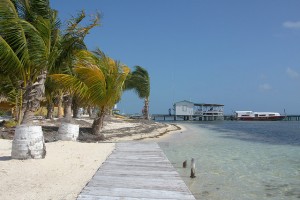

Clair Taiwan
Caye Caulker in the northern cayes of Belize may be a half hour boat road from Ambergris Caye, made famous by the Madonna song La Isla Bonita, but it is worlds different. With no cars, no luxury hotels, and just a few laid-back beachfront bars, Caye Caulker is the island for expats looking for a truly laid-back Caribbean island life.
Living on this small island is not for everyone. However for those who have chosen to call it home, it’s pretty close to paradise. So what type of person would enjoy living on Caye Caulker?
Water Adventure Lovers
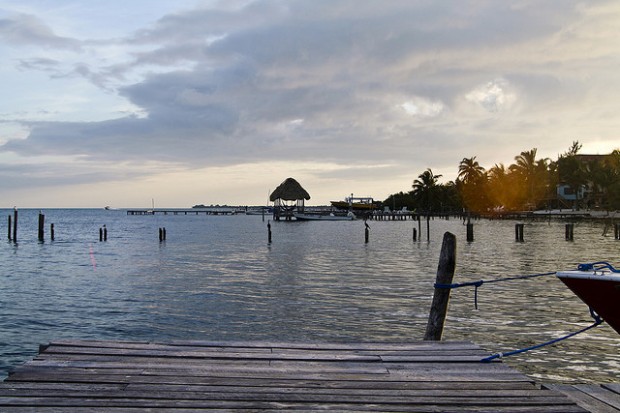
Muckster
Surrounded by water, there is an abundance of aquatic activities for those who love to explore the sea. Many expats have their own dock space for a sailboat, motorboat, or even a little dingy. Because the island is so small, only five miles long by one mile wide, your boat is never far away.
You can also explore the surrounding area by kayak or standup paddle board. The island is divided in two by a split, with the town on one side, and a lovely mangrove forest to explore by water on the other.
The second largest barrier reef in the world is a short sail away from the island which offers amazing dive opportunities for avid divers as well as snorkeling. If you have your own sailboat and a snorkel set you can see dolphins, manatees, and sharks not far from your own backyard.
People who love to sail will particularly enjoy living in Caye Caulker as it’s a great launch off for sailing trips to the southern cayes, the beach town of Placencia in the south, or even trips to the Bay Islands in Honduras or the islands in the Yucatan in Mexico.
Those Seeking a Laid-back Lifestyle
On the island of Caye Caulker there is little to do but sit in a hammock and relax. Those looking to truly lead a laid-back lifestyle will love the easy vibes of this Caribbean island.
A typically day usually consists of breakfast from your hammock or in the swing of a sand floored beachfront cafe and afternoons sailing or swimming in the turquoise ocean. At sunset locals gather at the Lazy Lizard bar for a drink followed by stargazing. In the evening residents prepare the fish or lobster they caught earlier that day on a bonfire on the beach or eat at one of the delicious international restaurants.
Locals here live the simple life which is a huge draw for the expats who have chosen to reside here.
Non Spanish Speakers
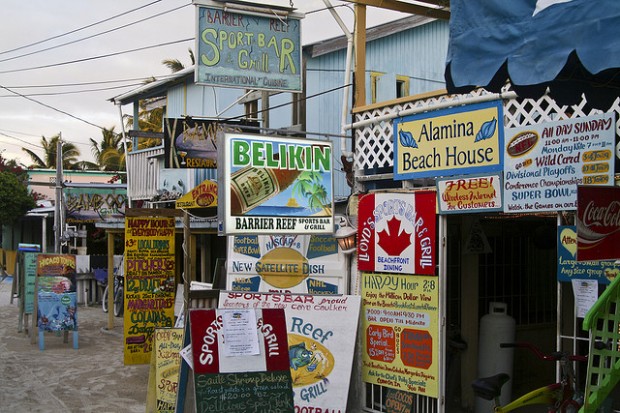
Muckster
English is the native language in Belize, so moving to Caye Caulker will be an easier transition for those who don’t speak English than other island destinations in Central and South America.
Basic activities like purchasing groceries, arranging boat transport, and finding a house are much simpler when done in your native language. Also, establishing deeper bonds and friendships with locals happens more organically when language is not a barrier.
Caribbean Culture Lovers
In the Caribbean sea with locals descending from Caribbean islands like Jamaica, there is a strong Caribbean culture here. Jerk chicken, coconut lobster, and other Caribbean dishes are served streetside and are an incredible addition to the international cuisine.
Bars playing reggae music open late at night which can be a fun night out for dancing. Most establishments on the island play mellow reggae music all day long which just adds to the laid-back Caribbean energy on the island. At times there is even live Caribbean music on the beach.
Those who are looking to become immersed in another culture will love how Caye Caulker has a truly Caribbean vibe worlds different from North America.
The many advantages of living on Caye Caulker are apparent, however who might not love living on this island?
Families who seek more formal education and activities for their kids may struggle with what is available on the island. Also, those who are looking to start a business may find that the small island population can affect profitability. The island is just becoming a destination for expats so certain luxuries like health clinics, organic food, and general community events are not as established as they are in other parts of Central America.
People who do not find that Caye Caulker is a good fit may look into Ambergris Caye, which is a short boat ride away and has more businesses, more steady tourism, and a larger expat community.

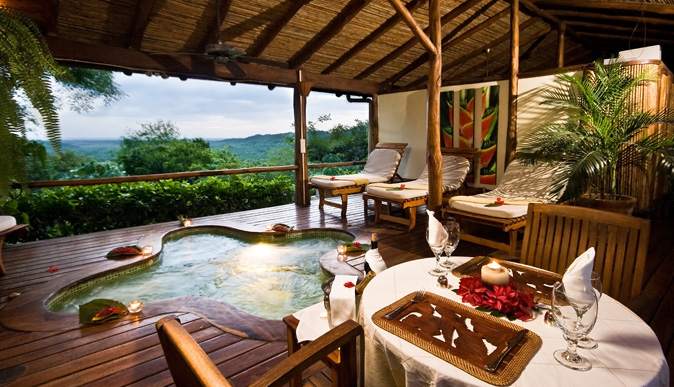
We recently had the chance to ask the owners of Los Altos de Eros, the Tamarindo, Costa Rica Viva Picks hotel winners, a few questions about their move to Costa Rica where they became expats.
1. How did you end up in Tamarindo?
We came here from Florida on our honeymoon. We liked the area so much that we decided to buy a condo here and spend half our time in Florida and half in Costa Rica. While looking for a condo, we saw a beautiful piece of land and just got totally carried away!
2. Did you have experience in the hotel business before you came to Costa Rica?
Not directly in the hotel business. I had an internet based company which I sold in 1999. I also had a little experience in the restaurant business. When it came to Los Altos de Eros, Jacqueline and I simply fell in love with the piece of property where it stands today and visualized building a Costa Rica luxury hotel and spa. We understood the risk we were taking and the amount of competition we were up against. That’s why we knew it had to stand out from the rest. My philosophy is you get what you give. So, we started out giving away complimentary Spa Days to our friends and acquaintances in Tamarindo. It was wonderful to put the whole thing to the test and realize people loved it! Soon enough, they were sending us business just through word of mouth. And that’s how our business began to ascend.
3. Explain to our readers what makes Altos de Eros unique and why they should stay there.
What can I say, if you are looking for a place with 5 star service, great value, gourmet cuisine, and the best Spa in Costa Rica, you should come stay here.
Our Guests are treated like royalty the minute they’re picked up from the airport. Our 3 to 1 staff to guest ratio guarantees exceptional, personalized service. Almost all of our staff have been with us 5+ years. They are happy and take pride in their work. As many guests have said, you are treated like family here, which is true, and we will do our very best to exceed all your expectations.
We take care of every detail, with no hidden charges or ridiculous prices, something you will not find elsewhere. From laundry service to Cuban cigars, our wonderful range of amenities is transparently included in our rates so you can just sit back, relax and enjoy your vacation.
Our food is spectacular, thanks to our talented Chef Andrea and kitchen staff, who prepare every meal to guarantee 5 star quality cuisine. Our Chef will even have a personal dialogue with our guests to accommodate food restrictions or special diets and create a custom menu that meets their needs.
Our breathtaking Spa de Eros is our jewel. The Balinese style, bamboo and teak layout opens up to views of the jungle and ocean. The spa attendants are exceptional massage therapists and deliver the most soothing treatments. It is a space for rejuvenation and pampering like no other.
4. What types of things can your clients do in Tamarindo?
We provide transportation, so clients can partake in all kinds of activities in Tamarindo and nearby areas. Activities include surf lessons, paddle boarding, sunset Catamaran, sports fishing, zip-lining, horseback riding, ATV tours and so much more. Clients also have the option to go into Tamarindo for lunch or dinner, shopping, night life, or simply to relax on the beach.
Situated on a 27-acre estate 20 minutes outside of Tamarindo, Costa Rica, we offer you a supreme “5-Star” destination. Los Altos de Eros means ‘”the heights of love” and you will love everything about us: our location, our ambiance, our cuisine, our Spa, and our Staff. All we ask of you is that you come with a smile on your face and a song in your heart.


Karan Jain
Many people dream of one day retiring to somewhere sunny in Central America. But what about those who want to invest or live abroad before retirement?
Individuals from all over the world have created lives for themselves in Central America by starting an expat business. In fact it typically requires much less start up investment to open a business in Central America; land and labor are inexpensive and few permits are required.
Tourism is an area that expats may gain interest in as most towns with established communities of foreigners have a solid influx of tourists bringing business.
Here are some of the most popular tourism-based businesses that expats have been running in Central America for years. Perhaps one of these businesses could offer you the lifestyle you long for abroad, before retirement.
Vacation Rentals
Opening and managing vacation rentals is a popular and often highly profitable business in Central America. Properties or land sell for a fraction of the price of those in the United States and can often be rented at slightly discounted U.S. rates.
During the high season it’s not uncommon for vacation rentals to completely book up. Sites like VRBO.com, Airbnb.com, and even Craigslist make marketing your properties much more straightforward.
Managing the properties themselves can be a lot of work, but for those passionate about real estate this is a great fit.
Restaurant/Cafe
Expat-owned restaurants, cafes, and bars are a much appreciated luxury for locals, other expats living in the area, and travelers of all kinds.
Most expat towns in Central America have a least a few offering anything from fair trade lattes and French pastries to green smoothies and Thai fusion food.
Owning this type of business in another country can be challenging with the different language, laws, and culture, however it’s an incredible opportunity to really connect with the community.
Some become more like local institutions that serve as a gathering place bringing locals, tourists, and expats together.
Tour Company

Lance Gardner
Are you a passionate traveler, outdoor enthusiast, or adventure lover? Opening a tour company could be a great fit for you. Designing tours based on your favorite experiences is a way to share your passion with other travelers.
If you decide to work as one of the guides you have the added advantage of being able to experience the adventure with your groups. This is also a great way to give back to the community by employing locals, using sustainable practices, and educating tourists on local environmental and social concerns.
Hostel
As long as there are backpackers there will be a demand for hostels. The prices for board may be low, but the capacity can be high and plenty of other businesses can be rolled in.
Most hostels have some sort of bar or restaurant that guests frequent often. They also arrange tours and transportation which provides them with a commission. Special events hosted in the onsite bars enable hostels to earn an additional income as well.
Hostels can range from small and privately owned for a more bed and breakfast type of experience, to large and managed by an entire staff. Some open additional locations in towns in other countries which expands their presence and also helps them receive repeat customers who are traveling to multiple locations.
Yoga Retreat Center

Bettina N.
Central America, Costa Rica in particular, is a popular place for those looking to study yoga or transform themselves on a retreat. For decades expats have been running these kinds of businesses and find their lives take on a new level of joy.
There are many opportunities for multiple sources of income including drop-in yoga classes, full yoga retreats, yoga teacher trainings, and bodywork sessions.
Surf School
Central America is known worldwide as a destination for incredible surfing. Costa Rica, Panama, and Nicaragua are particularly frequented by surf enthusiasts from all over the world.
Many people come to these countries with the intention of learning to surf and enroll in immersion surf schools. Most travelers to these locations plan to at least take a lesson and try standing on a board. Surf schools are an essential tourism business in this part of the world and surf lovers can combine their passion for surfing with a business that earns them an income.
There is plenty of income to be made by surf schools which often combine other services like full retreats and board rentals. Some even open hostels, stores selling surf clothes and other merchandise, and onsite restaurants.
These are just a few of the popular businesses in tourism other expats have opened in Central America. Get creative and use your passions to start a business that makes your life abroad even richer. Investment is often significantly less than at home and many people find they experience a great deal of fulfillment running a business abroad.