


For many families and individuals interested in moving abroad, the desire for a healthier lifestyle is often a big motivator.
Costa Rica is known for its many national parks, clean air, undeveloped beaches, and health-conscious expat community, making it a highly desirable place to relocate.

Supafly
The region of Nosara on the Nicoya Peninsula in particular manages to harness a commitment towards healthy living arguably unrivaled in the rest of Central America. From yoga and bodywork to raw food cafes and organic grocers, Nosara offers access to many first world health staples in undeveloped jungle paradise. The community also works to keep the area clean and healthy with its dedication towards proper waste management and recycling.
Healthy Activities in Nosara
There is no doubt that physical activity is necessary for a healthy lifestyle. In Nosara getting your exercise is possible in dozens of fun and exciting ways.
Surfing
Nosara is known for having some of the most consistent surf in the country, which explains why surfing is practically a religion here! The waves here can be surfed all day long, which never limits when you can get your fix. Beginners, intermediates, and experts can all find the right break for their skill level.
Yoga and Pilates
Nosara is one of the most popular places in Costa Rica to practice yoga and consequently there are studios everywhere. Many retreats are possible all year round for those looking to really delve in, and drop in classes are offered several times per day.
Yoga is an exceptional compliment to surfing, incorporating many of the same skills like balance and mindfulness, and relieves much of the tension that can occur from paddling. There is also a pilates studio for those interested in another style of stretching.
Boxing

Bryan Spahr
A gym in the jungle offers boxing classes which is a fun way to get sweaty and release stress.
Hiking
The surrounding Nosara Biological Reserve has 35 hectares of forest filled with flora and fauna including hundreds of species of birds, monkeys, deer, and even wildcats. There is endless exploration inside the reserve and along the river.
Kayaking and Stand up Paddleboarding

The Rohit
The ocean may be prime for surfing, but the Nosara River is ideal for kayaking and stand up paddleboarding. It’s possible to rent kayaks and paddleboards for your own exploration but many tour operators also take groups on excursions exploring the mangroves and river. There is even stand up paddleboard yoga for those really looking to test their balance.
Sunset Gazing
Each evening at sunset the town gathers on the beach in Playa Guiones to watch the sun set behind the Pacific Ocean. The colors are stunning and the silhouettes of the surfers coming in from the ocean is an incredible sight. The neighboring beach, Playa Pelada, offers beautiful sunsets in a more remote setting. This act of watching the sun set is a great way to feel connected to the Earth and is much healthier than going to happy hour.
The Food
More than any other beach town in Costa Rica, Nosara has healthy, organic food options. Many restaurants serve healthy smoothies and juices and fresh grilled fish.
The cafe Naked Foods sells all kinds of health drinks and decoctions as well as raw superfood snacks. Their small grocer, Organico, sells organic produce daily as well as local dairy and ready to eat food. They even have a bulk section with dried dates, nuts, and spices.
There is a weekly farmers market with all kinds of artisan foods including amazing coconut and cacao products.
Also, for added convenience there is a local program where you can order your produce online and receive a box delivery filled with local organic goodies. There are many fishing spots in the area and you can catch your own or buy fresh from a local fisherman.
The Community

Cisc1970
The community in Nosara is dedicated to making Nosara an even healthier place to live. In addition to the many established business that offer healthy activities, food, and drinks, the community has created waste management and clean up programs.
The Recycling and Education Center collects and properly processes waste as well as educates the town on sustainable practices. Sustainable Nosara leads efforts like beach clean ups and tree plantings to give back to the land.
The Nosara Recycling Association contributes to the sustainability of the community by leading initiatives on styrofoam banishment, electronic waste collection, proper oil disposal, and more.
The Nature
The beautiful natural environment is what lays the foundation for healthy living in Nosara. Being surrounded by nature not only contributes to cleaner air and less environmental pollutants, it also inspires you to make other healthy decisions.
The more connected we are to the earth, the healthier we want to eat, the more we want to move our bodies, and the more we want to give back to the place that makes it all possible.
While healthy living is possible anywhere, the people of Nosara have managed to both maintain and cultivate a community where health permeates everything. If a dedication towards personal and community health is a priority in your life, Nosara could be a great place for you to visit or even live.


Tom Davis
More than 450 beaches make up Mexico’s coastline. Each one is a memorable spot; from the cosmopolitan destination of Los Cabos, the ideal place to fish and scuba dive, to the mystic Riviera Maya, with unmatched natural surroundings, Mexican beaches stand out.
Choosing one of them is a difficult task, but you will get to the same result: all of them will take your breath away.

The Mexico 3 Count, where we bring you 3 Mexico stories that you shouldn’t miss.

Jonathan Caves
1. Own Beach Property in Mexico? Uncle Sam Just Gave You a Tax Break
American taxpayers who live in Mexico have caught a break thanks to a private citizen’s efforts. The IRS has actually changed its point of view and determined that a fideicomiso, a form of a land trust, is not considered a trust for federal U.S. tax purposes.
2. Mexico: Latin America’s Most Overlooked Nation
It should come as no surprise that Mexico’s reputation ranks poorly. Why does reputation matter? It all boils down to economics and being able to facilitate the growth of a nation by having a strong reputation.
3. 11 Awesome Things About Mexico You Didn’t Know
We don’t give Mexico enough credit. Our views are tainted by the media and their reporting of the nation’s violence, but take heart, there are plenty of amazing things about Mexico; here are 11 awesome things that don’t get the attention they deserve.


photo by Will Travel
Here at Viva Tropical, we talk a lot about great it is to live and invest in Panama. While we definitely do think it’s one of the best places to retire and invest in Central America, or the world for that matter, it certainly isn’t without its frustrations.
Would-be expats find a number of things to complain about once they arrive in Panama. And many end up leaving. Their reasons vary, but in most cases they agree that they never would have come in the first place had they known “x.”
While we don’t know what “x” is for you, we do want you to be educated on some of the things that might peeve you in Panama.
Some may seem very high-level and almost irrelevant for the day-to-day life of an expat. But the reality remains that, when you call a country your home (particularly a developing country), things like constant changes in governmental regulations do affect you. It can be frustrating to try and get a visa or buy property in Panama when the rules keep changing.
Multiply that by 1,000 if you plan to do business in Panama. Imagine trying to meet deadlines and stay on schedule (and budget) when people are painfully late for meetings and contractors never show up to finish their work.
Here are a few of the biggest complaints we’ve experienced and overheard during our time here.
Practically the entire government turns over every 5 years.
Elections in Panama occur every 5 years and include both the presidential office and all 71 seats of the National Assembly. The country’s multiple political parties work together to form a coalition government, and it’s not at all unusual to see entire administrations ousted all at once.
The personnel changes continue all the way down the line, much like when a new head football coach comes to town with his own team of assistants. With that comes not only new faces, but completely new ways of doing things.
So, if you were in the middle of completing a project or process based on how it was supposed to be done when you started it, be prepared to start over.
While you may never see it, corruption is very real.
Corruption is often a problem in developing countries, and Panama is no exception. The country ranked 83rd out of 174 countries in the 2012 Corruption Perceptions Index (conducted by Transparency International), with a score of 38 on a scale where 0 = “Highly Corrupt” and 100 = “Very Clean.”
In Central America, only Costa Rica fared better with a score of 54 and a rank of 48th. (For comparison, the U.S. ranked 19th with a score of 73.) So, while corruption does exist in Panama, it’s no more present than in other developing countries.
As far as what it looks like, it’s hard to say. Because it’s not like it’s constantly in your face. It could be something as high level as the government hiring less than credible contractors for infrastructure projects, to serve its own interests, all the way down to policemen being paid off to avoid issuing a traffic ticket.
The bottom line is that it’s there. So don’t be shocked if you run into it. But don’t make too much of a big deal out of it either. Business gets done every day without paying bribes.
Efficiency is not Panama’s strong suit, to say the least.
It’s important to note that, on the polar opposite end of this spectrum stands the Panama Canal. One of–if not THE ONLY–exception to this rule, the Canal runs like a well-oiled machine.
As for everything else…we’re not sure what most employee training programs in Panama emphasize, but it’s likely not punctuality, speed, or efficiency. From the guy who comes to fix your roof to the guy behind the immigration desk, prepare to be frustrated with how things are (or aren’t) run.
Long waits and long lines are imminent, whether you’re at a public health clinic or at the water works office to pay your utility bill. Patience is key. Bring a book or magazine, or use the opportunity to brush up on your Spanish.
On that note, a good place to start with learning the official language of Panama is with the word “mañana.” You may think you know what that word means. We did before we came to Panama. We were wrong. “Mañana” does not, in fact, mean “tomorrow.” It actually could be interpreted to mean a number of things. “Next Friday,” “the week after next,” “eventually,” or even “never.”
While it’s impossible to know exactly what someone means when they tell you something will get done “mañana,” what’s important in almost every situation is to remain calm, keep your cool, and be persistent. Use every opportunity to steadily push the ball forward. Don’t blow a gasket and get in a frantic rush, which is the normal reaction of most North Americans.
While it has come a long way, Panama is still a developing country.
The government and economies of third-world countries lend themselves to a whole different set of uncertainties. As a result, investing in Panama can be quite the risk, even to the most savvy investor.
Then again, what isn’t these days?
On the flip side, what some see as risk, others see as opportunity. It really all comes down to the attitude of the individual investor. Succeeding in this market requires the kind of outlook that says “Even if things change or something goes wrong, I will work it out. Somehow.”
For those types, making an investment in Panamanian real estate or starting a Panamanian business can be a rewarding venture.
For those who freak out when the slightest detail doesn’t work out exactly according to plan, completing even the smallest business transaction in Panama could be a struggle. If you’re one of those, you’ll want to carefully assess your drive and risk tolerance.
Panama is a judicial hellhole.
When it comes to Panama’s legal system, let’s start with the good news. It’s entirely possible–well, almost possible–to avoid it entirely.
One way is by ensuring that all of your business contracts have an arbitration clause. Since arbitration is a much better way of reaching a fair resolution, it is what’s most often used in business dealings, as opposed to judicial proceedings.
Another way is by proactively doing your due diligence in any type of transaction, business or otherwise. Whomever coined the adage about an ounce of prevention being worth a pound of cure, was very possibly talking about the Panamanian judicial system. Do your homework on the front end, and work with a team you can trust.
Let’s reiterate the trust part. Just as important as the credibility of the transaction is the reliability of the people you’re working with. Don’t assume that all professionals are legit. Ask for recommendations from other expats or from other business people who’ve already earned your trust.
Otherwise, you could end up in court, where verdicts can range from inconsistent (at best) to corrupt (at worst). Sadly, foreigners are often viewed as having endlessly deep pockets, and as a result the courts often rule unfairly against them.
That’s not to say that, as an expat, you’re never going to get a fair shake. It is to say that, if you find yourself headed to a Panamanian court, you’ll need to have a good attorney to represent you and be prepared to roll with the punches.
You won’t always be able to find the exact consumer goods you’re used to.
While the same is true throughout Latin America (and most any foreign country), you’re not going to find the exact same brands or products you’re accustomed to buying in your home country. If you do, they’re likely to cost 5% to 25% more than they would in Miami.
You might also discover that something you saw at the store one week might not be there the next time you shop. So, if you see something you can’t live without, it’s best to snatch it up before it’s gone. Some examples are imported name brand products and specialty items.
But, while you might not find your usual breakfast cereal with the same cartoon rabbit on it, what you will find is a comparable, or even superior replacement, at a fraction of what you would have paid in the U.S. Also, what Panama lacks in North American brands it more than makes up for in fresh, organic produce and authentic, local goods that you could never find in the U.S.
There’s literally hardly anything you could want that you can’t get in Panama. The trick is learning to compromise and think outside the same old cereal box with the same old cartoon rabbit.
While the weather is great, it’s not all sunshine and rainbows.
Most people who’ve lived or visited here agree that there are many parts of Panama where the weather is near perfect. The key word here is “near.” Panama’s climate varies greatly throughout the country and its various elevations.
So, if you like the temperate climate of Boquete, don’t assume you can move to Panama City and enjoy the same spring-like weather year-round. Many complain about the heat and humidity in coastal areas.
Others aren’t prepared for the chilly nights in the higher elevations. And some say there’s too much rain almost everywhere. If you’re seriously considering relocating to Panama, it’s not a bad idea to first experience it in all seasons, of which there are only two: wet and dry.
The good news is that, with its varied topography, you can find the climate you’re looking for somewhere between the country’s borders. It might just take a little bit of moving up and down the side of the mountain to get it just the way you like it.
But knowing is half the battle if you want to live and invest in Panama.
So, whether you’re just considering retiring to Panama, or perhaps thinking of starting up your own business venture, just know that you will not do so without your share of challenges. They could be as simple as never being able to find your favorite blend of Indian spices or as complicated as waiting over two years to get your Panamanian visa.
As long as you have realistic expectations about what makes Panama a great place to live or invest, you’ll come out just fine. Because, for most investors and expats, Panama’s benefits far outweigh any negatives about the country.
Still considering Panama after what you’ve just learned? Head over to our Panama Section and learn the Pros and Cons of living or investing in Panama.

The Guatemala 3 Count, where we bring you 3 Guatemala stories that you shouldn’t miss.

Carlos VanVegas
1. What’s Driving Guatemala’s Tourism Boom?
The Guatemalan government has increased its foreign investment by over 300% since 2003 in an attempt to drive economic growth, stability, and improvements in infrastructure. Its efforts are paying off as more and more tourists are flocking to places rich in culture and heritage such as Antigua.
2. Investing in Guatemala Just Got Easier
Last year, foreign investment in Guatemala grew by 25 percent and, with the government’s recent reforms to the country’s employment law and judicial security, analysts are predicting an additional 15 percent growth for 2013.
3. Pulling Out of a Downward Spiral
Guatemala remains a troubled country, threatened by the international drugs trade as well as by its own weaknesses. But there are signs that it may at last be pulling out of its downward spiral. Leading the way to change is a president bent on changing the future for his country, but old habits are hard to break.


If you’re considering living abroad, then I’m sure you’ve heard this story. Guy goes to Costa Rica on a surfing trip. He falls in love with the place. What was supposed to be a long weekend turns into two weeks. While he’s there he starts scoping out a place to live.
Guy goes home and collects his wife. They sell everything and buy a house near the beach in the tropics for forty grand. They move to paradise. He makes a living teaching gringos how to surf. She opens up a cafe in a beachside cabana. And they all live happily ever after.
Sounds great, right? Right? Wrong.
That’s not to say that the above scenario can’t happen. Apparently it did for that guy. It’s just that it isn’t the norm. In fact, it’s quite the anomaly. Hence the reason so many marketers like to tell that story, to make you think you could be next.
Unfortunately, though, thousands of expats every year live out stories that more closely resemble this one…
Guy gets tired of working behind a desk 50 hours per week. He’s sick of watching his taxes increase and his freedoms decrease. Guy says, “Honey, let’s move to the tropics!” His wife says, “Um…okay?”
Guy researches countries on the Internet and settles on one he thinks they’ll like. They pick a city in Central America and plan a trip down to visit. They stay at a local resort, sip piña coladas, and think “This is the life.” So they buy a little house and relocate their family.
Fast forward a few months. It’s the rainy season now, so it rains every day. The roof leaks, and they can’t find a single contractor who’ll finish the job. His “get rich quick” scheme is taking a little longer than expected.
The place they’ve moved has few expats, and they’re having trouble making friends. She’s sick of the weather and bored out of her mind. Frustrated, she announces that she’s moving back to the States. Alone.
While this second scenario is a much more accurate picture of many couples and individuals who try their hand at living abroad, it doesn’t have to be.
This couple just missed out on the next, and ultimately the most important, step in the whole process.
They may have picked out dishes and curtains for their new place. But they overlooked a lot of more crucial issues like how they were going to meet people, what activities were going to fill their newfound free time, and how they were going to cope when they encountered difficulties.
These and other considerations are all part of the mental preparation for moving abroad. Just as important as choosing a location, packing your belongings, and getting your paperwork in order is the need to formulate a shared vision for what your life will look like in your new home. And a carefully drawn plan of attack for you to implement once you arrive.
There are a lot of reasons that people cite for why they didn’t fare so well in what they thought was going to be the destination of their dreams. But almost all of them share the same underlying lack of sufficient mental preparation. Here are some of the most common mental mistakes expats make when living abroad, along with our suggestions of how you can avoid them.
#1. They have unrealistic expectations.
Erma Bombeck said it best. “The grass is always greener over the septic tank.” And when you’re fed up with life in the U.S., it’s easy to see living abroad as the answer to all of the things that frustrate you about your current life.
While living overseas can be great, it’s never going to be perfect. Too many expats over-romanticize life abroad, only to be met with great disappointment when things don’t go exactly as planned.
Like the guy in our scenario learned, doing business in another country can be a real challenge. Your plan to meet a Latin hottie and live happily ever after, might make a better Lifetime movie than a reality show. Not to mention, living in a developing country presents a whole other set of issues that many expats just aren’t prepared to deal with.
The bottom line is that when you get your feet on the ground in your new country, and you remove those rose-colored glasses to wipe off the fog from the sweltering humidity, you may begin to see that everything isn’t always going to be sunshine and rainbows.
How to Prepare:
Don’t be naive. While it’s fun to let yourself believe that everything will work itself out and you’ll never have any problems, it just isn’t realistic. A better approach is to actively anticipate hurdles and be prepared to deal with them.
Learn some common complaints about the area where you’re headed and decide if they’re things you can handle. If they aren’t, maybe you should reconsider your destination, or even your move altogether. If the concerns are manageable ones for you, go ahead and decide exactly how you’re going to deal with them.
Living abroad, like living anywhere, is all about trade-offs. Think long and hard about what you value and what you’re willing to do without in order to have what’s most important to you. If freedom, opportunity, and adventure are your priorities, you’ll find them in Central America. If punctuality’s something you need to maintain your sanity, you’ll go crazy there.
Most importantly, and we can’t stress this enough, have a PLAN. Whatever your goals–launching a new business, meeting the man or woman of your dreams, becoming a world-champion surfer, etc.–map out the steps you’re going to take to make them happen. Be ready to get started as soon as you arrive.
#2. They get bored.
Many expats make the mistake of thinking that, once they move to the tropics, every day for the rest of their lives is going to be like a vacation. That usually lasts less than a month. When the honeymoon phase is over, even living abroad in paradise can start to lose its luster.
Lying in a hammock and drinking beer all day can quickly get old (not to mention wreak havoc on your health). And with nothing to fill your time and hold your attention, all the cracks in your new life will start to show through.
Besides, no matter what you might think, there’s virtually no one who can live [happily] doing absolutely nothing all the time. Sounds nice, but it doesn’t work. You’re eventually going to need a purpose. Or, at the very least, a pastime.
How to Prepare:
When making preparations to move abroad, try to see it as planning a life instead of just a really long vacation. Sure, you’ll have the time and freedom to do things you never could back in the U.S., but you also want to enjoy a meaningful existence. The hedonistic lifestyle can quickly become an empty one.
When you visit the cities you’re considering, look at the locals and other expats. See how they live and what they do. Think realistically about what you’ll do once you get there. Look at your current lifestyle and see what matches up.
Find opportunities to explore new hobbies, volunteer, and stay active both physically and socially. Not only will these activities stave off the boredom, they’ll help you get plugged in and find community in your new home.
#3. They aren’t on the same page.
Sadly many couples who move to the tropics have lopsided enthusiasm. One may be thirsty for adventure, while the other one hates being so far away from family. This partner may be gung-ho about a new business opportunity, which requires their companion to put their career on hold as a sacrifice.
It could even be as simple as a difference of opinion about where to move. He wants a small beach community, while she wants a more cosmopolitan city.
Whatever the discrepancy, it’s important to share the same vision and values. And it’s important to negotiate any compromises before you come, not after. The stress of an international move is hard enough. Throw in the lack of a support system and a whole slew of temptations in your new city, and it’s a recipe for disaster for a relationship that is already on the rocks.
Too many expat couples quickly find themselves getting a divorce, all because they failed to communicate about their goals.
How to Prepare:
Before making any decisions about living abroad, have a candid conversation with your partner about exactly what it is you want. Make sure you agree on important issues like where to move and what you’ll do when you get there.
With so many great places to live in Central America, there is almost surely a place that can accommodate both parties’ interests, so that no one has to sacrifice their dreams unnecessarily. If one wants a cooler climate, but the other wants to live near the beach, find a place on a lush mountainside overlooking the sea from a higher elevation.
The same compromise goes for your interests as well. If one of you is a theater buff and the other thrives on giving back, find a place where an established expat community has formed both a local theater group and a humanitarian organization that assists the local indigenous group.
#4. They have no idea what they are getting into.
Much expat turnover can be attributed to simply failing to do an adequate amount of homework. Many of the common complaints–such as unpleasant weather, inferior amenities, and lack of other expats–could be avoided with just a little more research into the destination city.
For families living abroad, a common mistake is to fail to take into account the needs of the children. If a city has a large expat community, but they’re all retirees, then the children might have trouble making friends. If the local school is subpar or there’s no private alternative, parents may need to homeschool.
While disappointment is never a good thing as an expat, it’s never more frustrating than when the issue could have been avoided entirely…with just the slightest bit of extra sleuthing.
How to Prepare:
Make sure your research on your destination city is exhaustive. Find out everything you can about it, from the perspective of a resident, not a tourist. Experience it in all seasons. Talk to other expats who live there. Talk to some who have left!
Think about what you require to live comfortably (e.g. high speed Internet, local yoga classes, etc.). Does your city have those things? Conversely, what are some of your biggest pet peeves (e.g. low water pressure, long waits at the health clinic, etc.)? Is there anything in your new city that’s likely to drive you bananas? What about the other members of your family? Will their needs be fulfilled there?
If you don’t yet feel like you could write a 10-page essay (from memory) on all the various aspects of your destination city and its surroundings, then maybe you need to keep researching. At the very least, you’ll go into the move with confidence knowing you’ve investigated every aspect as carefully as you possibly could.
That being said, realize that–if things don’t turn out exactly like you thought–there are still plenty of options available to you. If you’re unhappy in your destination city, there might be a better one a few towns over. One of the beauties of becoming an expat is that you have the freedom to pull the plug at any time if another, more appealing door opens for you.
#5. They don’t give it enough time.
Even expats who’ve lived and thrived abroad for decades will tell you that a little bit of homesickness and disorientation is completely normal, especially in the early days. But many new expats take it to mean something that it doesn’t.
Many react to those emotions by withdrawing and isolating themselves further. Rather than reaching out and embracing their new culture, they try to almost recreate their home country in their new country.
They eat at restaurant chains they recognize from home. They surround themselves with mementos and reminders of the things they left. They eventually begin to romanticize “home” and even start to forget or minimize the reasons they left.
Even those who seek the companionship of other expats can get caught in the trap of trying to only surround themselves with things that are familiar and comfortable. Before they know it, the only solution is to return to where they came from.
How to Prepare:
Rather than focusing on the challenges of your new city, especially as you struggle to acclimate yourself, remember what drew you there to begin with. If it was the weather, spend lots of time outside enjoying it. If it was freedom, glance at a few U.S. headlines now and then as a reminder of the negative things you gave up.
Living abroad is really all about attitude and optimism. It’s also about endurance.
Do yourself a favor and promise that you’ll give it a minimum of six months before you throw in the towel. It takes at least that long to really get settled into a Latin country. To find people you’re comfortable with and establish a routine.
Most importantly, be open to new experiences and let yourself be pleasantly surprised by the new things your new city has to offer. Remember that the opportunity to enjoy a new culture is one of the reasons you chose to live abroad, and you just can’t do that effectively at an Outback Steakhouse.
Avoid these mistakes when living abroad
Just as important as the physical logistics of moving abroad are all the ways you’ll need to mentally prepare to relocate. Don’t make the move without a plan for what you’ll do when you get there. Have those important conversations with your family now.


The Caribbean gem of Costa Rica, Puerto Viejo Talamanca, with its stunning beaches, abundant wildlife, international vibe, and lower price tag is an appealing place for travelers and those looking to invest and live abroad. With ten miles of pristine jungle-backed beach and five distinct neighborhoods it can be difficult to know where to base yourself.
Beaches become more natural and animals are more plentiful the further you venture outside of town. However, the road runs through dark jungle, which is not walkable at night, and comforts like pharmacies and ATMs are only in town.
Here is a breakdown of the neighborhoods to help you decide which best suits your needs.
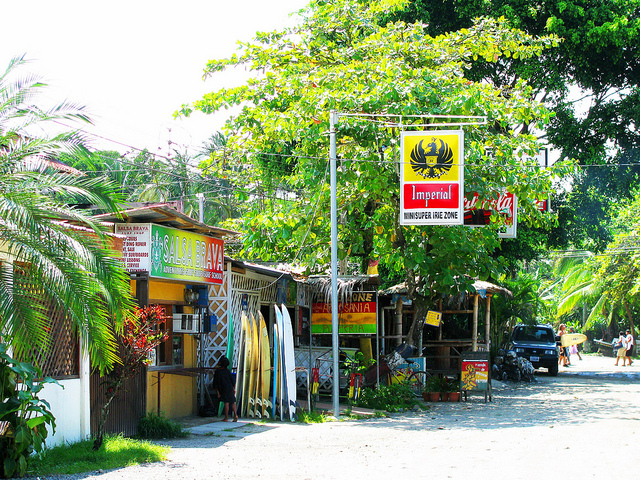
Puerto Viejo Costa Rica
The town of Puerto Viejo Costa Rica is famous (or infamous) for its seedy authenticity. Colorful fishing boats rock against a coral covered harbor, reggae sounds from nearby bars and restaurants, and sarong, jewelry, and souvenir vendors set up shop on the beach.
In town you will find the only banks and ATMs in the entire area. Bicycle rentals are on every corner and taxis are readily available if you do not have a car to explore other neighborhoods.
Every Saturday morning a large farmer’s market commences with raw cacao, fresh whole chickens, a wide assortment of produce, and fresh breads and pastries. Several grocery stores and various household stores offer most items you might need. Restaurants in town are the most populated and affordable, but the true culinary treasures lie in outer neighborhoods.
Accommodations tend to be less expensive but can be noisy as Puerto Viejo hosts several parties every night of the week.
Playa Cocles (1-3 miles from town)
Expats and vacationers looking for tranquility and proximity to town stay in Cocles. The beaches are sprawling and the waves can get enormous. These beaches are best for sunning and surfing rather than swimming. Beach Break is the most populated beach in the area and the only beach with lifeguards.
The one grocery store, Pirripli, has a good wine selection, special imports, and fresh produce. There are many restaurants to choose from including the famous Italian restaurant La Pecora Nera. The one luxury hotel in Puerto Viejo, El Cameleon, is next door and throws Reggae and Calypso parties on Friday and Saturday nights. Laid-back travelers will enjoy the beach bonfire party every Tuesday night at Tasty Waves in front of Beach Break.
Otherwise this neighborhood tends to be quiet at night.
Playa Chiquita (3-5 miles from town)
The moment you step foot in Playa Chiquita the community vibe becomes apparent. Expats from all over the world carry their children and groceries down the street, sit and sip coffee in darling open air organic cafes, and swim in the natural pools created by the coral reef. There is one grocery store, El Duende Gourmet, with specialty items like local homemade bread, quinoa, and sriracha. A small farmer’s market takes place every Wednesday morning offering local yogurt, bread, cheese, and produce.
Punta Uva (5-7 miles from town)
Beautiful beaches, elegant cabins, and incredible cuisine all grace the quiet jungle neighborhood of Punta Uva. This neighborhood is popular with long-term vacationers and families. Three of the best restaurants in the entire area are in Punta Uva: El Refugio for perfect grilled steaks and seafood, Selvin’s Restaurant with arguably the best Caribbean food in the world, and Pita Bonita with freshly baked pita and homemade falafel. The beaches are calm for swimming and snorkeling and are famed as some of the most beautiful in all of Costa Rica. Playa Chiquita nearby is a necessary stop for markets and cafes.
Manzanillo (7-10 miles from town)
The quiet Caribbean fishing village of Manzanillo rests along a rugged wildlife refuge with stunning wilderness beaches. Accommodations and restaurants are somewhat sparse in this area so having a car is essential. Maxi’s, the most famous Caribbean restaurant in the greater Puerto Viejo area, serves delicious meat and seafood and throws Reggae parties every Friday night. There is one small convenience store, but you will need to venture all the way to Playa Chiquita for a proper market. If you are looking for proximity to animals, peace and quiet, and do not mind the 10 mile trek to town, Manzanillo is right up your alley.
Whatever neighborhood you choose you will be near beautiful beaches and lovely communities. Weigh the pros and cons between proximity to town and peace and solitude for your best fit.


Javier Hidalgo
Mexico is home to one of the world’s famous tropical playgrounds–the Riviera Maya Mexico. Here, you can scuba dive, jet ski, and just lounge around.
Craving more of a city experience? Think Mexico City, the nation’s capital, and one of the largest metropolitan areas in the world. Take a fascinating video tour of Mexico City to the Rivera Maya and discover for yourself the contrasting cultures, destinations, and activities in Mexico.
Let us know what you do in Mexico City in the comment section!


Playa Burica property in Panama
There are a lot of great up-and-coming places in Panama that are perfect for those who want to relocate to the tropics but don’t want to pay the hefty price for a place in an established area. These locations are also ideal for any would-be pioneers who are looking for a rising hotspot that isn’t quite so “last week.”
So, whether you’re hoping to blaze a trail in an emerging area or just want to find your own piece of paradise with a slightly lower price tag, we recommend that you keep an eye on these 5 up-and-coming places in Panama.
1. Western Azuero
Unlike the eastern portion of the peninsula, the western coast of Azuero is much less developed. Known as the Azuero Sunset Coast, this area is sparsely populated and home to very few expats. While it has a couple of small towns–most notably, Torio, and Malena, a small fishing village–the region is mostly home to cattle ranches and those involved in other agricultural pursuits.
Situated on Panama’s Pacific Coast, the scenery on the Azuero is remarkable. Lush mountainsides, with cascading waterfalls, give way to deserted stretches of beach where you could easily find yourself to be the only sunbather or surfer for miles around. Speaking of surfing, this region, particularly Morillo Beach just south of Torio, offers some of Panama’s best and most consistent waves.
The Azuero’s western coast offers sightings of whales, dolphins, and sea turtles. It’s also home to world-class fishing, with an abundance of tuna, sailfish, marlin, dorado, wahoo, and yellow tail. And the rainforests of Cerro Hoya National Park are home to many endangered species.
Azuero coastal area does have some supermarkets and even a handful of new residential areas along the coast, but getting from point B to point B is indirect at best, however, if that doesn’t bother you, this area boasts one of the lowest costs of living in Panama.
With decent access to the larger city of Santiago, and even better access to more populated areas along the peninsula’s east coast (like Pedasi and Las Tablas), the western Azuero coast is a great fit if you want to live like a local without venturing terribly far away from modern conveniences.
2. Caribbean Coast
In contrast to Panama’s often rocky and varied Pacific coast, its northern coast borders the Caribbean, which offers pristine white sand and shady palms. Not to mention sparkling turquoise waters that offer crystal clear visibility.
Its beauty might suggest that Panama’s Caribbean coast would be its most desirable and home to many of its largest settlements. Not so.
One reason is its inaccessibility. The Pan-American highway, which stretches from Alaska down to the southernmost regions of South America (except for a brief gap through Panama’s Darien province), almost invariably clings tightly to Panama’s southern Pacific coast, making the Caribbean side of the nation much more difficult to reach by land.
Also, while there are areas such as Bocas del Toro that attract both tourists and expats in droves, they’re not the best bargains on the Caribbean coast. If you’re looking for a bigger discount, Panama’s northern coast also boasts miles and miles of virgin beaches that are great for the more adventurous destination-seeker.
Along with the discounted price tag, though, comes much less in the way of infrastructure. Think primitive roads, spotty internet, and fewer public water systems.
Additional challenges presented by Panama’s Caribbean coast include the large amount of protected land. With many national parks and indigenous lands, property is quite difficult to come by. Not to mention, the area gets a large amount of rainfall, roughly twice that of the Pacific Coast.
While the Caribbean coast offers opportunities to own stunning beachfront property at rock bottom prices, it’s not for everyone. We’d only recommend this region if you aren’t afraid to hurdle some obstacles in the buying process and are willing to contend with a lack of conveniences. At least, for now.
3. Burica Peninsula
In Panama’s southwest corner lies the Burica Peninsula, which juts into the Pacific Ocean and divides its territory between Costa Rica and Panama, which claims about ⅔ of the landmass. Accessible by a short scenic drive from David, the peninsula is home to Puerto Armuelles, which has shopping facilities and other modern conveniences.
However, Burica’s tropical wilderness, not its familiar amenities, are its real appeal. Covered mostly in rainforests, it contains beautiful flora and fauna and is home to many endangered species such as the Panamanian Red Spider Monkey.
The area also contains fields, where cattle graze, and rolling hills that often drop off directly into the Pacific Ocean. Its beaches are untouched and dotted with towering palms. In addition to lounging in a hammock on an isolated beach, the area also welcomes you to experience some of the world’s best sport fishing and a few of Panama’s secret surfing locations.
A drive down the recently completed road that leads all the way to the tip of the peninsula affords views of Volcan Baru, the country’s highest peak. You’ll cross a river and drive out on the beach, along the surf, to reach the Playa Burica community at the southernmost point. But only at low tide. Otherwise, you’ll need a boat to get there.
While this area is still up-and-coming, it likely won’t be for long. If you’re looking for an elusive destination that offers a remote feel, just a short distance from civilization, take a look at the Burica Peninsula.
Note: Article 121 is something one needs to research before buying here. Despite this Law most of the coastline is currently owned by foreigners.
4. Santa Fe
So, those are some beach areas. What about something for the mountain-goers?
The relatively small, albeit growing, town of Santa Fe, nestled into the Veraguas mountain range about 5 hours from Panama City, is a place we think you should watch.
Although surrounded by much higher mountains, Santa Fe sits at an altitude of just 1350 feet. That’s high enough to escape the heat and humidity of the lowlands, yet low enough to experience some nice warm days and no breathing problems.
While notes of traditional Panamanian culture still ring throughout, the city enjoys many modern conveniences such as clean drinking water and high speed internet. However, perhaps its biggest draw is its opportunity for adventure.
Santa Fe offers horseback riding, bird watching, and exploring…from mountainside coffee farms to waterfalls to orchid gardens. Among the town’s inhabitants are toucans, hummingbirds, and rare butterflies.
Also relatively rare in Santa Fe are expats. Sure, there are some. But rather than living isolated by themselves in gated communities, expats in Santa Fe often reside on large plots of land that they can use for coffee farming, reforestation, or even simply growing their own organic fruits and vegetables.
Santa Fe is a great value if you’re an outdoor enthusiast who wants community and conveniences, but in a place that’s rich in authentic culture and relatively unspoiled by developers.
5. Ruta Sur
Ruta Sur refers to the new stretch of road that was built to bridge the gap between Boquete and Volcan. Meaning “Southern Route,” it covers what is essentially 15 miles, as the crow flies, in many more winding miles of unmarked (and sometimes unpaved) roads.
Much different from the highly-developed and densely populated towns it connects, areas traversed by the Ruta Sur are rural and contain few inhabitants. The route takes you past miles of coffee and vegetable farms, by orange groves, past Volcan Baru, alongside waterfalls, through canyons and lush valleys, and finally to fields used for cattle farms and greenhouses.
Once fairly unknown, this region offers, not only new and improved access, but many opportunities for enterprise. Residents of this area are able to enjoy the breathtaking scenery and also earn a living operating a dairy farm or a spa retreat high in the mountains.
As the road begins to become more traveled, the region will likely gain popularity. However, it could take a while. The route is largely unlabeled, with only a telltale painted yellow stripe marking the way, much like Dorothy’s fabled quest for the land of Oz.
The areas along the Ruta Sur are perfect if you want to enjoy a life lived a little further off the beaten path and use your land as your livelihood. Shop for property along this stretch of road if you want to embrace life along the journey, not at the destination.


VivaTropical
Deciding where you want to live, invest, or spend your retirement abroad can be tough. If you’ve picked Panama, then we think you’ve made a good choice.
But now you may be wondering exactly how to find your dream property in Panama.
The decision ultimately depends on your particular set of values and how you envision spending your retirement. There’s no ideal community or city that’s perfect for everyone.
However, with some careful consideration and self-examination, we’re confident you can find the place that’s the best fit for YOU. Here’s a map of Panama, with some popular expat destinations labeled on it, for you to reference as you go along.
What is my dream?
While it sounds cliché, a good place to start is with the good ole “Close your eyes and imagine yourself in paradise” trick. So, go ahead. Close ’em. Can you picture it? Save that image in your mind, so you reflect on it as needed.
Now let’s examine that vision. How did you visualize yourself spending your retirement?
Were you in a hammock on a deserted beach with monkeys chattering in the trees and toucans flying overhead? Or maybe in the lush mountains picking fresh organic vegetables from your very own garden, or tending your hillside coffee farm? Or maybe you envisioned yourself sipping a glass of wine at a table outside a small cafe in a bustling cosmopolitan city.
Whatever that dream, it can be a reality for you in Panama. You’ll just need to consider a few more factors to help you narrow your search, from an entire country, down to a short list of areas that are best suited for you and your values.
Am I a beach or a mountain person?
This question should be a fairly simple one and one that can probably be easily answered based on a quick survey of how you’ve spent most of your pre-retirement vacations. It’s also a pretty important question, since the difference between the beach and the mountains in Panama may be an even more drastic one than you’re accustomed to.
There is some variance depending on the area but, in general, Panama’s beaches are hot and humid, with highs in the upper 80’s and very little seasonal variation. The only real difference in the seasons is between dry and wet, as a vast majority of the country’s annual rainfall occurs from April to December. Panama City and Santa Catalina have this kind of climate.
While they also experience little temperature variation, Panama’s mountain areas enjoy a more spring-like climate year-round (with temps dipping down into the 50’s at night). As a result, vegetables and flowers can be grown all year.
Temperatures continue to decrease the higher you go and, rather than just having the one main attraction (the beach), the mountains have rivers, waterfalls, and a wide variety of ecosystems. Santa Fe and Boquete are two popular mountain destinations.
If I’ve decided to live near the beach, which side should I choose?
Since Panama runs from West to East, it’s bordered by the Caribbean to the north and the Pacific to the south. And the two are vastly different.
The Caribbean boasts most, if not all, of Panama’s most beautiful beaches. With white, powdery sand, a crystal-clear turquoise sea, and shady palm trees, it looks exactly like a postcard.
Not so fast, though.
While unquestionably breathtaking, Panama’s Caribbean coast presents its own set of challenges. Because it is so far removed from the Pan-American highway, most of the cities along the Caribbean coast are quite difficult to access by land. As a result, there are few areas with any kind of established city to live in. Bocas del Toro is a great one.
Its inaccessibility is further intensified by the large portions of Caribbean coast that are designated as protected areas or indigenous lands, making it difficult for individuals to own property there. The Caribbean coast also experiences significantly more rainfall than its Pacific counterpart.
The Pacific coast on the other hand, is ever-so-slightly cooler and gets about half the amount of rain. However, its beaches are much more varied and maybe the tiniest bit less picturesque, depending on your tastes. With coarse, gray sand and sometimes rocky coastlines, the Pacific offers great surfing and sport fishing opportunities.
Panama’s Pacific coast is also much more accessible and available to would-be property owners. As a result, it offers many more settlements that are as unique as those who reside in them, from quiet fishing villages like Pedasi to up-and-coming luxury destinations like Boca Chica.

Rori Ablilia
Do I want to be near a lot of other expats?
Think back to that vision of yours. Whom else did you see in it? Locals? Other expats? No one at all? Knowing the kind of community, or lack thereof, that you want is a major factor in helping you find your dream property in Panama.
Like many who have gone before you, you may welcome the opportunity to live among like-minded individuals who understand where you’re coming from and what you’re going through. If so, you may find that a place with an established expat community provides you with the support group you need to help you more easily acclimate to your new surroundings. Panama City and Boquete are both home to thousands of foreign residents.
If being surrounded by people just like you sounds like it defeats the entire purpose of retiring overseas at all, then you might be better suited for a place like Las Tablas or Volcan. You can find expats there, but they’re carefully woven in among the locals and a little bit harder to find.
If you don’t want to see other expats, or anyone at all for that matter, more remote areas like Playa Burica and the western Azuero Peninsula offer the opportunity to pretend you’re Robinson Crusoe. All alone with your thoughts.
I know where I want to be. Now what?
Once you think you know where you want to settle, the final step is finding your actual piece of paradise. You can start by shopping for properties online. But use caution. Make sure you really feel out the sellers to weed out any that are less than credible.
Buying property in Panama can be challenging, but the key is finding a seller, agent, and attorney you can trust. Asking a lot of questions, even ones to which you already know the answers, is a great way to find out who’s honest and who isn’t.
Once you’ve narrowed your search down to a handful of promising options, plan a trip down to Panama to check them out. Set up meetings with the agent and attorney you plan to work with. Confirm those appointments. Several times, for good measure. When you finally find the right place, a trustworthy attorney can handle much of the actual transaction for you, another reason to make sure you’ve picked a credible one.
Now that you know how to find your dream home in Panama, what are you waiting on? Close your eyes. Get started.

Fernando Reyes Palencia
Panajachel is one of Lake Atitlan’s busiest and most built-up lakeside settlements.
Known for its market, where the Maya from surrounding villages come to sell their handicrafts to tourists, Panajachel is a melting pot of locals and visitors, both of which are drawn to the stunning shores of Lake Atitlan.
Have you been to Panajachel yourself? We welcome your comments below about your trip to Lake Atitlan and Panajachel.
The Ecuador 3 Count, where we bring you 3 Ecuador stories that you shouldn’t miss.

Casey Ramlur
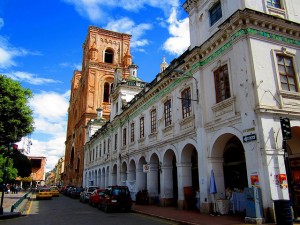
1. Is Cuenca the Next Expat Hotspot?
The latest place that is appearing on the potential expat radar is Ecuador and more specifically the laid-back city of Cuenca. Does it have what it takes to be the next expat hotspot?
2. Cuenca or Medellin: Who Wins as Top Retirement Destination?
You can buy a nice, two-bedroom apartment in both Cuenca, Ecuador and Medellin, Colombia for less than $100,000, two of the top retirement options in Latin America right now, but which one is better for you? You might be surprised to learn it will take more than number-crunching to name a winner.
3. Cuenca, One of the 6 Most Affordable Places to Live in the World
Here are six places where Americans could live well on the cheap. The rankings were in accordance to 12 main factors, including climate, whether English is spoken, cost of living, health care, and infrastructure, to determine the best cities to retire.