


Viva Tropical Radio
It’s time for the second installment in our series of the Central America Real Estate Show. Today we bring you three new Real Estate Experts in three new Central American hotspots.
We talk to Mike Cobb, long time Nicaraguan developer about the real estate climate in this beautiful country and his current project, Gran Pacifica. From him you will learn why the Nicaraguan lifestyle is so attractive and a great value.
Next is Panama. Lucy Haines, founder of Panama Realtor and the largest broker in Panama, joins the show with her unique perspective on where to look for real estate in Panama and why.
And last, but certainly not least, we head to one of the hottest real estate markets in Costa Rica. Josh discusses why this place is so popular with local Jeff Grosshandler of First Choice Remax in Nosara, Costa Rica. Usually low prices drive the market, but this place isn’t cheap, so we do the deep dive into the market to find out why it is what it is.
Listen to the show
You can listen to the show using the player above or grab it and listen on the go via one of the following options:
Resources
- Learn more about Panama residency at our podcast here
- Learn more about Costa Rica residency at our podcast here
- Viva Tropical Complete Guide to Nosara, Costa Rica
- Our guide to evaluating real estate by Market Stages
- Pay Dirt! our How to invest E-book for FREE get it here
The Show Notes
Mike Cobb, Gran Pacifica (Interview starts at minute 3:00)
- Learn more about Mike Cobb and his Gran Pacifica project here
- See ECI Development, Mike’s development company, here
Lucy Haines, Panama Realtor (Interview starts at minute 33:58)
- Learn more about Lucy Haines, founder of Panama Realtor, here
Jeff Grosshandler, Remax First Choice Nosara (Interview begins at hour 1:01:50)
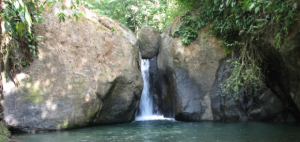
Far from a tourist trap, Ojochal, Costa Rica is the local secret you’ve been looking for. Featuring one of the most stunning landscapes imaginable, you’ll find lush green hills nestled next to unbelievably white beaches.
The crystal clear waters of the Pacific are prime for swimming and diving, spotting dolphins is an everyday occurrence, and the rich wildlife provides endless reminders of the magical life “en paraíso.”
Whether you’re looking for the ultimate vacation getaway or seeking an investment property in the tropics, checking out one of the charming rural towns peppering Ojochal is a savvy move.
Ojochal, Costa Rica itself is all small town appeal and is tucked away only thirty kilometers below Dominical. Somehow, it’s escaped the tourism of other Costa Rica locations, even though it boasts some of the most beautiful waters and beaches in the country.
From Playa Ventanas to Playa Arco and every beach in between, the appeal of the sandy getaways are rivaled only by the “permanent residents” who you’ll quickly become acquainted with.

Ojochal
Neighborly Love
In Ojochal, Costa Rica, you’ll find the famous howler monkeys, sloths, toucans, and a variety of butterflies including the famous blue morph. This is also the famed location where the sea turtles arrive each year to lay eggs. From July through January, the beaches are spotted with these massive sea creatures, providing an incredible peek into the real Costa Rica.
However, if you need a break from the beach, there are countless acres of protected rainforests nearby including the Marina Ballena National Park. Known for the “whale tail sandbar,” you can get to the Isla Ballena on foot via the sandbar during low tide—this means a front row seat for spotting humpback whales during migration season in the winter.
When it comes to the human residents of Ojochal, Costa Rica, there are a number of Ticos as well as expats from Italy, Germany, Canada, France and the U.S. The hospitable yet small community is welcoming of newcomers and thrives on a positive community vibe. There are plenty of group activities to partake in, from annual fiestas to retreats into other parts of the country.
Taking Care of Basics
Escaping to paradise is a dream come true—until you have a major toothache, a mysterious illness, or have a craving to get your hair highlighted. Luckily, Ojochal, Costa Rica has everything an expat needs for comfortable living including a doctor, dentist, salons, major supermarket, Wi-Fi café, taxis, hardware stores, and even a little thumping nightlife.
You can get the basics here, and at a high quality and fair price, but for a little more diversity and options the town of Uvita isn’t far away and offers a grander selection. It’s where many Ojochal residents go for banking and even domestic flights.
A relatively new hospital opened in 2010 and is located just 15 minutes from the major highway, Costanera Highway. Utilities are easy to manage with electricity, water, and internet services dependable and at a competitive price. The schools are also competitive, including an international school in Uvita for expats who prefer a more western approach for their children’s education—however, it does boast a bilingual program.

Tim Harding
From Expat to Entrepreneur
It’s no surprise that most businesses in the area are aimed at tourists, whether it’s cafes or a tourism company. Many expats move to Ojochal, Costa Rica but then pursue their dream of small business ownership.
Whether you’re taken by the idea of your own zipline company or plan to open a Paleo bakery, it’s fairly easy to open a business in Costa Rica and there are local attorneys to help you with the process.
What’s Ojochal Known For?
Just like almost everywhere else in the country, the outdoor opportunities in Ojochal, Costa Rica are endless. Think birding, scuba diving, kayaking, whale watching, ziplining, hiking, and swimming. However, there’s one draw where Ojochal really shines.
Dining. There’s an abundance of top quality restaurants here serving everything from local to international fare. In fact, many tourists come here just for the culinary wonders and the abundance of wines from around the globe.
A Typical Weekend in Ojochal Costa Rica
Life on the Southern Pacific Coast provides endless possibilities for adventure. If you have just one weekend in this part of Costa Rica, plan to make the most of it. One of the most popular activities is an ATV tour, which provides a truly unique perspective on the region.
Driving along the terrain equipped with binoculars lets you into a part of the rainforest and jungle inaccessible by foot or zipline. Of course, if you prefer to explore the country by land and air, that’s always possible in Ojochal, Costa Rica.
Follow up your ATV tour with a canopy tour, zooming between the trees. If you’ve never ziplined before, rest assured that it’s safe, comfortable, and suitable for nearly everyone from kids to older adults.
There’s no weight limit, but fair warning: It can quickly become addictive. Considering that the region has over 450 species of birds, there’s no better way than to immerse yourself in their element than by taking flight.
Slow things down a bit with a mangrove tour, which is a peek into a one-of-a-kind ecosystem that’s halfway between forest and sea. Here, a plethora of species thrive and it can even be a romantic tour for two (or a family friendly event for those who aren’t in a thrill seeking mood).
Learning the lay of the land, whether by land, air, or sea, is the best way to introduce yourself to Ojochal, Costa Rica.
Water World
For many, there’s only one place to go during an escape in Ojochal: The beach. However, take it beyond working on your tan and romantic strolls. Explore the sea caves of Playa Centanas, or head to Playa Tortuga which you can only access during low tide. At Playa Pinuela, you’ll find a tiny reef that’s ideal for photos and discovering unique ocean life, or slip away to Playa Uvita—arguably the most beautiful beach in the country.
However, if you want to really get to know the surf, there’s nothing like Playa Ballena where surf lessons are offered in abundance. In Ojochal, Costa Rica, surf lessons are very affordable and it’s also a great way to get to know the locals as well as travelers. Just don’t expect to master the sport of surfing in a few lessons. However, for the expat who calls Ojochal home, regular surf lessons are a fantastic way to really get to know your new home.
Miguel Vieira
Hoofing It
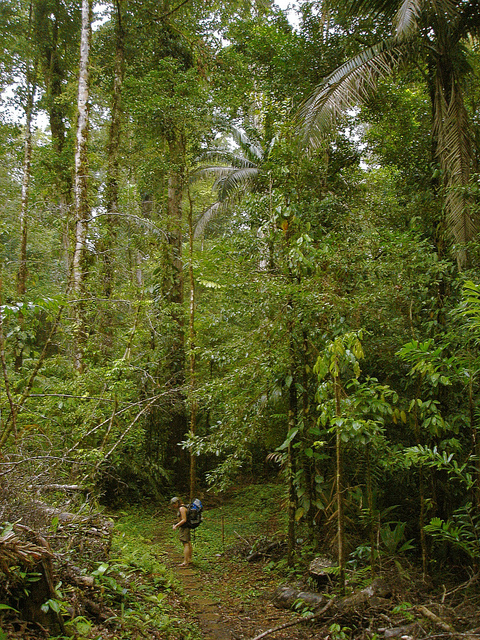
Many nature lovers prefer the solitude of a hike, strapping on their boots and winding their way through the jungles surrounding the towns. The village of Ojochal, Costa Rica might have everything you need for daily living, but getting away from it all (even when “it all” is perfection) is sometimes irresistible. When this mood strikes, there are countless trails and forests for exploration.
Ojochal is “home base” for exploration teams, solo travelers and expats alike. There are countless reserves and parks in the region, but Corcovado National Park is perhaps one of the most famous. It boasts an incredible amount of animals and plants, perfect for discovering something magical.
Marino Ballena is renowned for its proximity to coral reefs and the dolphins and whales that are so often spotted. For those who prefer a little guidance, there are numerous tours that offer private or group outings, all led by locals who have a penchant for spotting (and pointing out) some of the shyer residents in the trees.

S. Linder
Road Trip Time
As an expat or long-term traveler, the good news is that Costa Rica is a geographically small country, which means road trips and/or domestic flights are easy, cost-effective and not very time consuming. Drive north along the Pacific Coast and you’ll find an array of other incredible sights. Head to Nosara Beach, a favorite for yogis and one of the few “Blue Zones” in the world where people regularly live over 100 years.
You can also head “cross country” to the Caribbean side where Limon and Puerto Viejo can be found. A culture that’s half Tico, half Caribbean and 100 percent rich in diversity, color, and flavors is waiting. Of course, for a touch of home you can always visit the most tourist-rich areas such as the city of San Jose or Liberia.
Everything is at your casita’s doorstep, from the mountains to the jungles, the city to the sea, and the beaches to the canopies.
Final Tips for Future Expats
There’s a big difference between vacationing abroad and living there. If you haven’t spent a lot of time in Costa Rica, visit for awhile first before buying. Explore your options, spend a few weeks in Ojochal, Costa Rica if you can swing it, and get a real taste for what the region has to offer. Everyone’s idea of the ideal isn’t the same, but there’s the right slice of paradise out there for you.
Maybe it’s in Central America—perhaps in the beach towns of Ojochal. There’s only one way to find out.
Map of Ojochal, Costa Rica
Fast Facts
- Population: No hard concrete numbers, but a few thousand is a good estimate
- Typical temperature: Average temperature is 85 degrees
- Nearest airport with U.S. flights: Aeropuerto Internacional Juan Santamaría, Alajuela, Costa Rica
- Nearest U.S. consulate: San Jose, Costa Rica

Manuel Antonio Costa Rica has become one of the most visited areas in Costa Rica since the National Park was created in 1972. Combining natural beauty, biodiversity, and numerous opportunities to explore and play, this area offers a unique lifestyle choice and the potential for investment growth all in one.

Manuel Antonio Costa Rica
Ponce de Leon May Have Been Right
Looking for the Fountain of Youth
During his quest to find eternal youth, Ponce de Leon may have been the first to put Manuel Antonio Costa Rica and its close neighbor, Quepos, on the map –literally. Charts dated 1519 show the area, although the intrepid Spaniard apparently never followed up on his discovery. Today, however, Manuel Antonio provides unique possibilities to rediscover the joys of youthful adventure.
San Bernardino Mission
Manuel Antonio Costa Rica has the distinction of being the location of one of the earliest Franciscan missions in the Americas. Founded in 1571, almost two centuries before any of the California missions existed, the Mission San Bernardino de Quepos would run until 1746 when it was closed due to continued unrest between members of the Coto Brus tribe and the Franciscans who sought to convert them to Catholicism.
Pirates of the Costa Rica Coast
Henry Morgan and the Sacking of Panama
The English pirate/privateer, Henry Morgan, attacked and looted the city of Panama in 1671. While his plans succeeded, Morgan was unable to find most of the 700 tons of Panamanian gold. Legend holds that the treasure map showing the location is buried in the hills of Manuel Antonio.
Clipperton’s Search for the Lost Treasure of Quepos
John Clipperton, the last of the British pirates to live in the Quepos-Manuel Antonio area, spent a number of years between 1709 and 1722 searching in vain for the Panamanian gold hoard. Finally leaving without finding the treasure, Clipperton remained certain the forests and hills in and around Manuel Antonio is the resting place for the gold.

Manuel Antonio Costa Rica
Manuel Antonio Costa Rica Today – Staying and Playing in a Natural Paradise
Today tourists and expats enjoy the many recreational opportunities that can be found in Manuel Antonio. There are many lodging options in and around Manuel Antonio. On the winding road between Quepos and the National Park, there is a wide variety of places to stay both for short and long terms periods. The options range from 5 star hotels with full amenities to intimate bed-and-breakfasts. Apartments and condos are also available for rent by private owners.
Beaches
There are five beaches at Manuel Antonio: North Espadilla, South Espadilla, Manuel Antonio Beach, Puerto Escondido, and Playitas Beach. Swimming, snorkeling, surfing and parasailing are just some of the activities that visitors can enjoy.
Rainforest Adventures
The Park is home to one of the most stunning rainforests in the country. Tours through the park following the trail around Punta Catedral (Cathedral Point) can provide glimpses of monkeys, sloths, iguanas, and a variety of birds including the colorful Toucan.
Great Dining Choices
Though not in the Park itself, there are many different food choices that offer spectacular views of the ocean and the rainforest. The choices can range from pizza to tapas to hot dogs. There is also a unique restaurant built around a C-123 cargo plane that was part of the Iran-Contra scandal of the ’80s.
Active Nightlife
Manuel Antonio Costa Rica has evolved from a sleepy beach to a location with a wide variety of bars and clubs that are a magnet for expats, visitors and locals alike. Neighboring Quepos also has a variety of entertainment choices when the sun goes down.
Getting to Manuel Antonio Costa Rica – Many Options Are Available
There are several options to choose from to make the 159 km (roughly 99 miles) trip between Juan Santamaria International Airport on the outskirts of San Jose and Manuel Antonio Costa Rica. The 2 ½ to 3 hour drive follows a scenic route through mountain passes and along the Pacific coast.
Buses/Shuttles
There are a wide variety of private and shared shuttle services available at the airport that can take visitors directly to their destination in and around Manuel Antonio National Park. For the more adventurous the Costa Rican public bus system offers inexpensive, if slightly slower, city to city transport that can make the travelling as interesting as the destination.
Taxis
Cabs are readily available 24 hours a day and are a faster alternative to buses to take you directly to your Manuel Antonio Costa Rica destination. Whether part of a taxi cooperative or privately owned, the yellow triangle on the door verifies that they are regulated by law. Fares are metered and are comparatively much cheaper than those in the U.S.
Rental Cars
There are a number of rental car agencies that offer a wide selection of vehicles including those equipped with 4 wheel drive. The requirements to rent a car in Costa Rica are 1) having a valid driver’s license from your home country; 2) being over 21 years of age; and 3) having a major credit card to cover rental cost.
Commuter Airlines
Costa Rica has two affordable commuter airlines, Sansa Air and Nature Air that fly to local destinations throughout Costa Rica. The small airport in Quepos is just minutes from Manuel Antonio Costa Rica and also has rental cars available if having your own transportation is a desirable option.

Manuel Antonio Costa Rica
Living and Investing Opportunities in the Manuel Antonio Costa Rica Area
While purchasing land in the Park itself is prohibited, the surrounding communities offer a diverse selection of properties and parcels that can be an attractive investment option or a prime retirement or vacation retreat.
Manuel Antonio Costa Rica Is an Investment Magnet
With the National Park and the various recreational opportunities that abound in the area, Manuel Antonio is a magnet for a vibrant tourist trade that can provide a ready-made market for rental properties or opening a new tourist-oriented business such as restaurants, tour companies, and more.
The Real Estate Market Is Different in Costa Rica
Like most Central American countries, Costa Rica does not have a MLS (multi-list) system or a Board of Realtors. As a result, properties may appear on a number of listings for different prices. With the number of new properties, of all types, coming on the market every day, checking out our Costa Rica listings is a great way to start the search for your own piece of “pura vida”.
Lots, Homes, or Commercial Properties?
The types of properties that are available in the Manuel Antonio Costa Rica area vary from location to location. Smaller towns farther away from the Park tend to have a greater number of undeveloped lots while larger communities will have more existing structures and a greater potential for commercial development as well.
Infrastructure
The Manuel Antonio Costa Rica area has a well-developed infrastructure with electricity, water, and access roads available in even the more secluded locations and undeveloped lots. The recent improvements and expansions in telephone, internet, and cable services are attractive enhancements to buying, building, and/or investing in the region.
Communities Close to Manuel Antonio – A Wide Variety of Properties and Lifestyles
It is a well-known maxim that when considering buying real estate the major consideration is “location, location, location.” The widely diverse communities in the Manuel Antonio Costa Rica area offer a range from undeveloped, secluded lots in the hills to exciting commercial locations within walking distance of the beach.
Manuel Antonio
Adjacent to the second most visited tourist attraction in Costa Rica, the community of Manuel Antonio is experiencing a resurgence in development. An increasing number of newly built condominiums offer a great investment potential to supply rental options for visitors to the park. Commercial opportunities also exist and the excellent infrastructure is an additional selling point.
Jaco
Located 73 km/45 miles from Manuel Antonio Costa Rica, this beach town, best known for surfing, has been built up and is well-established. With grocery and retail stores, restaurants, entertainment, a full selection of modern amenities, there are numerous condos and stand-alone residences available that could provide a second income, long-term investment or a ready-made retirement location near the ocean.
Platanillo
This rural mountain community located 60 km/37 miles from Manuel Antonio has a number of farms (fincas in Costa Rican) that have been divided into lots and offer a potential for those interested in a self-sustaining lifestyle. With access roads and basic utilities in place, these parcels in Platainillo could provide a special opportunity to live Pura Vida your way.
Bejuco
An up and coming beachfront community only 45 km/27 miles from Manuel Antonio, Bejuco is experiencing growth with a number of new condominiums being built that could provide an immediate rental income. With full access to electricity, water, cable, telephone, and internet, the potential to attract tourists and long-term renters is greatly enhanced.
Dominical
Playa Dominical is fast becoming the gateway to the Southern Zone. Its location, 45 km/28 miles from Manuel Antonio offers unsullied beaches and numerous lots and parcels that have both a residential and commercial aspect. The infrastructure is continuing to be enhanced and this “surfer’s paradise” promises to be a vibrant and special tourist attraction in the near future.
Quepos
The town of Quepos can almost be viewed as a suburb of Manuel Antonio, Costa Rica. Although it is technically 7 km/4 miles from the park, it is nearly impossible to see where Quepos ends and Manuel Antonio begins.
Quepos has all the features of a modern town, including the small regional airport, with the flavor of a traditional Costa Rican community. This unique blend makes real estate here a desirable alternative to the more expensive properties in Manuel Antonio proper and makes this a potential for investment.
Manuel Antonio Costa Rica – The Present Potential and the Future Promise
The region in and around Manuel Antonio Costa Rica is a diverse blend of established tourist areas, rural farm lots, typical Costa Rican communities and beachfront living. As the expansion to the Southern Zone of Costa Rica continues, Manuel Antonio has the potential for an immediate investment return and the promise of growth in the future.
Whether you are considering a place to retire, rental income, or beginning a new business, Manuel Antonio is worth exploring to discover what the area may offer today and tomorrow.
Map of Manuel Antonio, Costa Rica
Manuel Antonio Fast Facts
- Population: About 7,000 in the area
- Typical temperature: 89 Fahrenheit
- Nearest airport with U.S. flights: San Jose, Costa Rica
- Nearest U.S. consulate: San Jose, Costa Rica

Look no further than Matapalo, Costa Rica if you are a nature loving expat who’s looking for a potential destination that’s high on adventure and low on overly touristy elements.
This is one town that’s come into its own in recent years, but without losing an ounce of the wild, jungle feel that first attracted its earliest expats.

Chris Campo
Recharge Remotely
The first thing you do when you get to Matapalo, Costa Rica is take a deep breath. You look left, and then right, then forward and back, seeing nothing but yawning forests and rising mountains, waiting to be explored. Rolling hills of tropical bliss…
Matapalos or “Strangler Fig Trees” tower over the path that leads you towards the beach. When you dig your toes in the warm sand, it feels like you’ve landed on a deserted island.
It’s only you, the monkeys and sloths, and 315 species of birds populating the region. And maybe a jaguar that you’ll see if you’re lucky. Local Costa Ricans move to the rhythm of Tico Time, unaware of the stressors tourists try to leave behind.
Spend a few days or weeks, in Matapalo, Costa Rica and you’ll start to move to that same rhythm. Make Matapalo, Costa Rica your expat home, and you’ll develop a new pace entirely, slower and happier with an intense appreciation for the world around you.
While most expats and tourists don’t make it past Monteverde or the popular beaches, the Osa Peninsula, home to Matapalo, Costa Rica, offers a lot to the few that make it down to southern Costa Rica. Its remote location is just far enough off the beaten path to offer feelings of complete isolation. Yet it’s still reasonably accessible.
The domestic flight from San Jose to Puerto Jimenez, and the 45 minute drive over (a taxi ride is $30-40 for those frightened of the rugged roads), might discourage your average gringo from taking the trip, but the remote paradise is well worth your traveling woes.
Perfect Playas
The town of Cabo Matapalo boasts eco-tourism galore, proximity to Corcovado National Park’s vast jungles, and some of the best surfing you can find in the world. Backwash Bay and Playa Matapalo invite daring surfers with their rough, large waves. But only the experienced surfers should attempt to conquer the choppy, strong, curling bodies of water.
Looking for a more relaxed experience in Matapalo? Then you might wander over to a gentler beach like Playa Pan Dulce. There you can find an accessible stretch of golden sand waiting for sunbathers. The sparkling water oozes with tranquility as you soak in peace and quiet in “Sweet Bread Beach.”
If you want to throw a little hiking into the mix, go and find Cabo Matapalo’s rocky beaches where you can climb up jagged rocks for a better view of the Pacific.

Ulli Mueller
An Abundance of Adrenaline
Once your skin is perfectly tanned and you have satisfied your beach desires, there’s still plenty more that awaits you in Matapalo, Costa Rica. Next on the list: tree climbing. No, waterfall rappelling. No, scuba diving might actually sound better.
Whatever your inner adrenaline junkie begs for, you can find in a short trip from Matapalo. Psycho Tours, located in Puerto Jimenez, offers guided tree climbing, if you’re in the mood to scale a 70-foot Strangler Fig. After you use the hanging roots to scamper to the top, take time to enjoy the view of the ocean and surrounding forests. But be ready to free-fall your way back down to safety.
If you’re more of a water person, you might want to hike to some of the waterfalls in the area. After surveying the beautiful cascades, try rappelling down a 45-foot waterfall, or even a 100-foot waterfall, but only after completing Psycho Tours’ class first, of course.
After you’ve been in Matapalo for a while, you’ll find it’s fairly easy to locate a waterfall of your own without going through a tour company. You can hike to the nearby Nauyaca Waterfalls, where you can swim, jump, or just gaze at the rivers of water gushing down in the middle of this lush forest.
Don’t feel like walking? Hop on a horse and ride through the jungle to the falls instead! Then turn around at the end of your day and canter along the beach at sunset.

Vassen
Can’t Say No to Corcovado
If you’ve been researching Costa Rica for a while, then you already know that the country enjoys abundant nature everywhere. But nowhere is that ecological wealth more evident than in Corcovado National Park.
There you’ll find a true nature lover’s heaven. During hikes through this 103,000-acre (41,800 hectares) biological reserve, visitors can spot scarlet macaws soaring overhead.
Howler monkeys call to each other in the distance and sloths languidly lounge in the tall trees. Baird’s tapirs, the largest land mammal in Central America, scrounge for food during the night hours. And be careful during your lunch break in Corcovado or a white-faced capuchin might steal your sandwich!
A dose of serendipity will give you a glance at a sea turtle. There are four species of sea turtles that lay their eggs in the park’s beaches. The Olive Ridley, leatherback, hawksbill, and Pacific green are some of the most majestic creatures out there, and you can find them only an hour or two from your getaway in Matapalo.
A Kaleidoscope of Sea Creatures
For sport fishing, make a trip to the small inlet of Golfo Dulce. The sea here plays host to an abundance of fish that provide challenges for deep sea fishers. Marlin, sailfish, tuna, wahoo and snapper fish swim around to every sport fishers’ delight.
If you’d rather see the fish, instead of catching them, the area near Cabo Matapalo is also perfect for snorkeling or scuba diving. Scuba divers have been known to rendezvous with dolphins, manta rays, whales, sea turtles and colorful fish while drifting under the radiant water. For being so remote, there is actually lots to do in Matapalo.

Chris Cobb
Real Comfort
At the end of your day, pack up your beach bag and give your feet a rest from your sweaty hiking boots. Head over to Cabo Matapalo’s only bar/restaurant, Buena Esperanza Bar, only 1 km from El Portón Blanco.
This open-air bar draws in a mixed crowd of locals and tourists, so it’s a great place for new expats to go to work on their Spanish while in Matapalo. There are few items on the menu, but it does include some vegetarian options, and a full bar, if you want a cerveza.
Dreaming with a Dose of Reality: Matapalo, Costa Rica
Costa Rica is a welcoming country where Pura Vida, “Pure Life,” embodies the everyday way of living and interacting with people and nature. No wonder it’s one of the world’s happiest countries.
It’s a great option for nature-loving expats who won’t abuse the environment and want to join in the efforts to protect the country for future generations and like-minded travelers.
If you dream of a slower pace of life that’s a bit less encumbered, then maybe you should consider Matapalo, Costa Rica, as a possible expat destination for your family.
Whether you dream of coasting along in a kayak or chatting with locals and other expats about your great catch of the day, Matapalo has what you need to connect to nature and lead the good life.
Map of Matapalo, Costa Rica
Matapalo, Costa Rica Fast Facts
- Population: Numbers are hard to find, but a good guestimate is 1,200
- Typical temperature: Mid 80’s
- Nearest airport with U.S. flights: San Jose
- Nearest U.S. consulate: San Jose

Just a short distance from the bustling and dynamic capital city of San Jose and just minutes from the upscale expat community of Escazu, Santa Ana, Costa Rica has become a unique location where expats, investors, and visitors can experience the vibrant atmosphere of a traditional Costa Rican town while enjoying the modern amenities of a major and modern urban center.

Santa Ana, Costa Rica
While smaller than its more built-up neighboring communities, Santa Ana has begun to experience a kind of growth that is making it a prime location in the popular Central Valley and a major financial and economic focal point throughout the country. Both residential and commercial development makes the Santa Ana, Costa Rica area a prime location for future growth and investment.
Valley of the Sun
Moderate Climate Makes for Comfortable Living
Santa Ana, Costa Rica is known as Valle del Sol – the Valley of the Sun. Being at a lower altitude than either Escazu or San Jose, the temperatures are more moderate ranging from the low 70s to the low 80s during the day and to a comfortable mid-to high 60s at night.
A Taste of Colonial Costa Rica
Like most traditional Costa Rican towns, Santa Ana’s center is anchored around the soccer field, the church which is opposite it, and a beautiful park in between them. Santa Ana is famous for its ceramics and has more than 100 shops that have unique items for purchase. The best known is the Ceramica Las Palomas where local pottery, which Santa Ana is famous for, can be purchased.

CRT
The Feria – A True Slice of Pura Vida
One of the most important parts of life in Costa Rican towns is the “Feria del Agricultor” or Farmer’s Market. Each community has its own market on different days of the week. Santa Ana, Costa Rica’s market is held on Sundays from 5 a.m. through noon. Fruits, vegetables, freshly prepared snacks, and more can be bought directly from the farmers and merchants who grew or made them. Visiting the Feria is a great way to experience the culture of Santa Ana and Costa Rica in general.
Santa Ana Costa Rica – Close and Convenient
Santa Ana’s location makes it an ideal place to consider for relocation or a place to stay while exploring the Central Valley.
Airport Access
Santa Ana’s location, roughly 18 miles west of the airport, is a 30 minute drive. Whether you are renting a car, taxing a taxi, or using some other form of transportation, the ease of being able to get to and from this destination is a major plus.
Public Transportation Options
Buses
There is a wide variety of public transportation that can make getting to and from Santa Ana very convenient. There are numerous public bus companies that operate between Santa Ana, San Jose and Escazu with buses leaving from the La Coca-Cola Bus station in San Jose for the 25 minute drive to Santa Ana.
Taxis
There are two major types that operate in the Central Valley area that includes Santa Ana. The traditional cabs are painted red and have a yellow triangle displayed on the door. There is a separate fleet of cabs that operate exclusively from the airport and provide to-and-from transportation between the terminals and the desired location.
Shuttle Services
There are numerous shuttle companies that can arrange both shared and private transportation from the airport to Santa Ana, Costa Rica. The information for rates and bookings is readily available online.
Shopping and Entertainment
Santa Ana has a wide variety of entertainment options and choices for shopping that could rival many U.S. communities.
Shopping Malls and More
Santa Ana is very close to the largest shopping mall in the country, Multiplaza Escazu. Other U.S. stores, such as Walmart, PriceSmart (the Costco chain), Office Depot, Ashley Furniture, and others make purchasing items not readily available elsewhere in the country much more convenient.
Indoor and Outdoor Fun
In addition to movie theaters, Santa Ana, Costa Rica also boasts a wide variety of restaurants, quality hotels, and nightclubs. The town is also home to the only golf club in the Central Valley, the Parque Valle del Sol, and two equestrian clubs. Tours to such attractions as the Arenal Volcano, the Peace Garden in La Paz, and the Poas Volcano are numerous and easy to arrange.

Santa Ana, Costa Rica
Housing and Cost of Living
The cost of housing in Santa Ana has been undergoing a surge in recent years as expats and investors alike have been viewing it as an alternative to the more established and more crowded areas in Escazu and San Jose. Depending on your desires and budget, you can find upscale housing in such communities as Alto de Las Palomas where larger homes are available.
However, if you are interested in less expensive housing, some of the local neighborhoods a short distance outside the city center may offer a wider choice for either rental or purchase. The ever-expanding expat community makes Santa Ana, Costa Rica an attractive choice especially for those who are uncertain how to adapt to living in a new country with a new language.
Location Can Mean Higher Costs
Being closer to the major centers of San Jose, the cost of living is higher in Santa Ana than in other parts of Costa Rica. The important trade-offs are having access to the type of shopping, and conveniences that are more American/European in nature as well as a large and vibrant expat community that can make the transition to Costa Rican living much easier.
Investment and Business Potential – A Growing Market
With the expansion and growth in the greater Santa Ana area, the possibilities for investment are increasing by leaps and bounds.
The Real Estate Market Has Reawakened
As the world economy has emerged from the recession of recent years, building and property sales in Santa Ana, Costa Rica have also improved. As a result, the opportunities to purchase attractive properties are also increasing. Contacting a real estate professional is a good first step to exploring the possibilities that Santa Ana may hold for you.
Business and Employment
Many American companies have established operations in the San Jose area; Santa Ana’s proximity makes living there while working in the city a viable option. There is also an ongoing effort by Costa Rica to encourage investment in the country and may be worth looking into.
Santa Ana’s Potential
As a potential spot to visit, relocate, or invest in, Santa Ana has many upsides that retain the cultural atmosphere of classic Costa Rica while providing the modern day living that many visitors and expats are seeking.
Map of Santa Ana, Costa Rica
Santa Ana, Costa Rica Fast Facts
- Population: 48,879
- Typical temperature: Average temperature of 85
- Nearest airport with U.S. flights: San Jose’s Juan Santamaría International Airport
- Nearest U.S. consulate: San Jose, Costa Rica

When planning a visit to or an excursion from your home in Central America, there are probably a lot of activities that come to mind. You could relax by the beach, visit an ancient colonial city, sail out for some great fishing or scuba diving opportunities, or a whole host of other adventures.
But for a truly one-of-a-kind experience, we recommend you give one of Central America’s many volcanoes a go. Hiking to the peak of some of these amazing natural landmarks is a great way to see the region from a whole new vantage point, get your adrenaline rushing, and build your collection of tropical expat bragging rights.
Due to its high concentration of active and dormant volcanoes, you won’t have to travel far from where you live or plan to visit in order to find a volcano to climb. Here are a few of our favorites and the features that make each of them so intriguing.

Jono Hey
Tajumulco, Guatemala
For travelers that are just starting to explore the wilder side of traveling with volcano tours, Tajumulco is a great place to start. As one of the highest mountains in Guatemala, it is a great hike. Although it is a high mountain, it is not nearly as high as many of the other volcanoes throughout Central America.
This volcano is also a great option for travelers who are wary of hiking a volcano. It has not erupted in many years, and has had the least amount of eruptions out of all of the volcanoes in Central America.
This volcano is a great place to start because it has not erupted in years, it is a lower height mountain and it is an easy hike even for beginners. The altitude adjustment is the worst part of the hike, and it will often be started overnight to ease the complications of altitude adjustment.
Hikers can even expect to take a bus up the volcano for a small part of the hike. This is a great volcano to visit for first-time volcano hikers and experienced volcano travelers alike.

Adalberto.H.Vega
Massaya, Nicaragua
If you are a traveler who wants a more unique volcanic experience, the Massaya volcano is the place to be. It is one of the only active volcanoes in Central America that is safe for visitors to view. It is not a typical volcano – it does not spew lava, but is constantly spitting out fumes from the top.
Visitors can drive to the very top of the volcano to look into the top of the volcano. The most popular place to see in is the largest of the volcanic craters. While it is a somewhat safe journey, it is still a good idea for novice volcano viewers to take someone who is more experienced. There are various tour services that help people get the most out of their Massaya experience.
One thing to note when it comes to the Massaya volcano is that it may not be what visitors have expected. When people picture a volcano, they picture a cone shaped mountain figure. The Massaya is not cone shaped, but has a flat top to it. It is more of a mound than a mountain.
Many visitors also expect to see molten lava in the volcano when they look in. Visitors who are expecting lava may be disappointed if they go during the daytime. Due to the fumes that are constantly rising from the volcano, lava can usually only be seen at night.

The Rohit
Arenal, Costa Rica
The national park located in Arenal has plenty to offer its visitors. With everything from ATV rides to canopy rides high above the park and tours through the relaxing hot springs, there is something for everyone. All of this is possible due to the volcano that stands above the park and is a constant reminder of why these things are there.
This volcano is an active one and was one of the only active volcanoes in Central America for many years. Due to the fact that it is an active volcano, visitors are not able to access the rim of the volcano.
While it is not possible to visit the rim of the volcano, visitors will not be disappointed with the amount of activities they can do from the base of the volcano. The park offers daily tours around the base, offers canopy rides to get a unique view of the volcano and guided tours into the geothermal springs where guests can soak after a day filled with activity.

Monty VanderBilt
Cerro Negro, Nicaragua
For the more adventurous volcano explorer, Cerro Negro offers the ultimate volcano experience. The lower elevation of this volcano, which stands right at 2,000 feet, makes it much easier to hike. Cerro Negro is also made up of volcanic sand on one side, making it the ideal volcano for volcano boarding.
This extreme sport is done through the use of a wooden board and can only be accomplished when on volcanic sand. Boarders start toward the top of the volcano and ride their volcano board down to the base of Cerro Negro. This can only be accomplished on volcanoes that have lower elevations, and on ones that do not have steep incline.
While this volcano may not be the most popular one in Nicaragua, it has a very different offering than the Massaya. It is a newer volcano that does not have quite the same history as the others in Central America – it’s only around 150 years old.
Although it is not as old as some of the others in the area, it is possibly one of the most active. Since it was discovered until the turn of the century, it erupted 20 times. It has not erupted since 1999 and is considered to be moderately safe.
Pacaya, Guatemala
Travelers that are looking for some of the best views from a volcano can greatly benefit from the Pacaya in Guatemala. It is an active volcano that hikers can enjoy. It is a taller volcano, at 8,000 feet. While the Pacaya is tall, it is a somewhat easy hike.
It will take most of the day to hike and hikers must be sure that the volcano is at a safe point when they are deciding to hike. Since it is active, there are many things that could compromise the safety of hikers. It last erupted 2 years ago, but there has not been much lava seen in between its eruptions. Choosing to visit this volcano may be for some of the most daring hikers, but it is sure to give some of the best views possible.
Whether you choose one of these or any number of other volcanoes to climb in Central America, make sure your adventure is one that’s well-suited for your health and fitness level. Hire a guide where recommended, and make sure to always use common sense for the sake of your safety.
Oh, and take lots of photos! Anyone can snap a great pic of a Pacific Coast sunset while vacationing in the tropics. Not everyone can say they took that photo from 8,000 feet atop an active volcano!

Everyone who has ever dreamed about owning property has, at one point in time, dreamed of owning their own island. Who wouldn’t want to be a Richard Branson, David Copperfield, or Larry Ellison, king or queen of their own domain?
We are here to dispel the myth that you must be a billionaire or world-famous magician to own your own island, or a piece of one. You, too, can own a piece of paradise. Let’s take a look at some amazing island options, right here in Central America.

Joy Drive
Bocas del Toro, Panama
You can own a piece of Isla Popa in the Bocas del Toro island chain off the Atlantic shore of Panama. Discovered by Christopher Columbus in 1502, this chain of islands features plenty of ecotourism opportunities, including Parque Internacional Amistad, a UNESCO World Heritage Site. Whether you enjoy diving, surfing, or a beachside piña colada, Bocas del Toro has you covered.
What you can buy
A piece in Isla Popa will set you back $220,000, but that includes 9.1 hectares of land, a 30 ft. deep natural harbor, a two-story, two-bedroom wooden home, and a natural spring with swimming hole.

Gaspar Serrano
Pearl Islands, Panama
Shifting to the Pacific coast of Panama, we find the Pearl Islands. Only thirty miles off the coast of Ciudad de Panama, the most famous and most populated of these islands is Isla Contadora, which features white sand beaches, several bars and restaurants, and a great diving scene.
Want to Move to Paradise?
Think about Isla Del Rey in the Pearl Islands, which offers 130 acres of beachfront land, and can be yours for $4,500,000.

Belizian Way
Stann Creek, Belize
Located in the southeast of Belize, the Stann Creek District features many beautiful parks and reserves, including the Cockscomb Basin Wildlife Sanctuary and Victoria Peak, the second highest mountain in Belize.
Go for the Whole Island
Little Coco Caye in Belize is for sale. This is a five acre island with great diving and fishing. The offer range for your own island is between $365,000 and $395,000.

Bluefield Nicaragua
Bluefields, Nicaragua
The actual town of Bluefields is very developed, with about 50,000 English-speaking citizens within its borders. It is located about 50 minutes by air from Managua, the capital of Nicaragua.
Rustic Island Living
Go rustic in Bluefields where you can purchase a two-bedroom home with generator, septic system, and water, as well as an infinity pool, small caretaker home, cement pier and white-sand beach. This island located an hour by boat from the town of Bluefields, Nicaragua offers up a fully-developed 2.5 acres for $560,000.

Gonzlaught
Pink Pearl Island, Nicaragua
Again located off the Caribbean coast of Nicaragua, Pink Pearl Island features reefs, palm trees, and quite an impressive amount of infrastructure. It’s a great island retreat for a week, month, or as long as you like.
A Vacation Villa Like No Other
Three cabanas on the island can be used for tourism, a ‘shack’ with four bunk beds and a shower room, and a main house with one bedroom, living area, full kitchen, and wraparound balcony. There is also a bar and restaurant on the island. All of this can be yours for $500,000!

knotinvein
Diamond Caye, Honduras
Shifting to the country of Honduras, Diamond Caye is located off the western end of Utila Island, and is non-developed. Like a clean island slate where your imagination can run wild. With 1.43 acres in the Bay Islands, the reef around Diamond Caye is some of the best diving in the Caribbean,
No Rules Apply
This island is only 20 minutes from East Harbour on Utila where you can stock up on necessities and take a moment to embrace society before heading back out to paradise. This tropical dream could be yours for $650,000.

Gregorio
Isla Golfito, Costa Rica
Departing from the white-sanded coasts of the other islands we’ve covered in this article, the Island Golfito is a jungled barrier island, located right in front of the town of Golfito.
Close, Yet Far Enough Away from Civilization
Over two miles long and one mile wild, the island listing offers 34.5 acres of decidedly off-grid living, with the island hosting ‘more monkeys than humans.’ Close enough to the mainland to require only a kayak or rowboat to shore, Island Golfito would be a perfect option for those wanting to get away from it all. And, at a $130,000, the patch of land is quite a steal!
So, What Next?
I’m sure many of you are much more interested in owning a swatch of your own island now that you’ve seen some of the options available all across Central America. Where do you begin?
Start by looking at some islands for sale! And if you just aren’t ready to think about buying an island, here are a whole bunch more properties around Central America.
Viva Tropical Radio
How cool would it be to have a show that covers real estate related activities in Central America? If you like the sound of that, you will love today’s show.
Skip around Central America and hear on the ground intel, reports, and data you can use.
Today we interview three brokers from three different countries, starting in Costa Rica, then on to Roatan, Honduras, and finally Lake Atitlan, Guatemala.
We discuss what is happening in these markets, where the opportunities are, and other things like how much it costs to build. Tune in and start learning how things work in each of these unique places.
In this episode, we discuss:
- Where to get a deal in Guatemala
- How much it costs to build in Roatan, Honduras
- Palm oil farms in Costa Rica make good investments
- Is Lake Atitlan really polluted?
And much more.
Listen to the show
You can listen to the show using the player above or grab it and listen on the go via one of the following options:
- Click here to download the mp3
- Click here to subscribe via iTunes
- Click here for the RSS feed (non iTunes)
- Click here for the show archive
React to the Show
We appreciate your reaction to episodes of Viva Tropical Radio and feedback about how we’re doing. Send us your thoughts any time in an email or comment below.
The Show Notes
- Casey Stamps of Costa Rica Real Estate Service Southern Zone, Costa Rica Website and email [email protected]
- Steve Hasz Roatan Life Roatan, Honduras Website: Roatan Life and email [email protected]
- Armand Boissy Atitlan Solutions Atitlan, Guatemala Website: Atitlan Solutions and Email [email protected]


Joseph Dsilva
If you’re planning on moving to southern Costa Rica, or at least spending a considerable amount of time there, then Uvita, Costa Rica, is a place you’ll probably end up frequenting. While not a highly sought-after destination in its own right, it’s an important one for those living in the more popular Costa Rican beach hotspots that surround it.
Located on Coastal Highway 34 (Costanera Sur), it’s conveniently situated close to a lot of popular destinations in Costa Rica, such as Dominical, Hatillo, Coronado, and Ojochal. And thanks to Uvita’s recent growth, it serves as a place where residents of those towns can find basic services or stock up on goods, saving them the trip to San Isidro in the mountains.
Uvita, Costa Rica, is a great commercial hub for the surrounding towns
Just a few short years ago, travelers passing through Uvita were greeted with one small soda (another word for a Costa Rican diner), a local grocery store, a machine shop, and a sprinkling of residential areas. However, much has changed in recent years.
One of the fastest growing communities in the Southern Zone, Uvita, Costa Rica, now boasts 2 major grocery stores, a number of restaurants, furniture stores, several banks, and even a new recreation center which plays host to an organic market each weekend. As a result, it’s the commercial center of the Costa Ballena area.
Because of its convenient location, it’s also the place to go to find a number of tours to allow you to explore the incredible beauty that surrounds Uvita. There are opportunities for whale watching, snorkeling excursions, and ATV jungle tours. Uvita also offers a few lodging options for tourists from hostels all the way up to luxurious boutique hotels.
The area around Uvita is packed with nature and adventure
Just to the south of Uvita, Costa Rica, is Marino Ballena National Park. One of the most picturesque parks in Costa Rica, it’s a great place for hiking, kayaking through the mangroves, exploring the rainforests, birdwatching, scuba diving or snorkeling, horseback riding, rafting, rappelling, and sport fishing.
Nearby Dominical has emerged as one of the region’s most popular surfing spots, with waves perfect for beginners as well as those with more experience. Corcovado National Park is also a short distance away and is considered one of the most biodiverse places on earth. Also close by is Coronado, which offers stunning views of the mountains, the sea, and the rushing river.
The jungle-covered mountains to the east of Uvita are full of spectacular waterfalls, some of which are rumored to be among the country’s best. In fact, the entire stretch of coastline, from Dominical all the way down to Corcovado National Park, is stunningly gorgeous.

B.D. Hagg
Uvita has its fair share of attractions as well
That’s not to say that there’s nothing at all to see and do right in the heart of Uvita. In fact, there are a number of expats from North America and Europe who have made Uvita, Costa Rica, their home.
The town is growing rapidly, both with residential and commercial developments. It even hosts an annual Envision Festival, which highlights various forms of music, art, and dance.
It isn’t exactly a beach town, but it’s fairly close to the shore. Nearby at the Marino Ballena National Park is a unique beach that forms the shape of a whale’s tale where two bays come together. (It’s much more evident when viewed from the air.) During low tide you can hike out on the rocks to the point at the tail’s end. Just make sure you leave plenty of time to get back before the tide rises.
Ironically, the waters off the coast of Uvita are a fantastic place to spot humpback whales which migrate between the months of December and April. You can also go swimming or snorkeling in the calm waters or stroll along the white sand beach.
The area doesn’t offer nearly the same surfing conditions as some of its neighboring towns, but it’s still a decent place for beginners to dabble in the surf. You can also take a kayak tour of the nearby mangroves and estuaries.

Bodhi Surf
But you’ll likely prefer another town as your final destination
Ultimately, while you could get by with a meager vacation to Uvita, there are far more interesting places nearby. And, while it does have a decent beach nearby and enough attractions to keep you entertained for a few days, you’d be selling yourself short to choose it over all the other amazing beach towns in Costa Rica.
A better option? Choose one of the other fabulous towns near Uvita that have much more to offer in the way of ecotourism, nature, and coastal living. Save Uvita as the place to do your banking or stock up on groceries when your provisions are running low.
While it plays an important role in the region, among the surrounding cities, it’s an up-and-coming commercial hub. Not a thriving tourist and expat community.
Map of Uvita, Costa Rica
Uvita, Costa Rica Fast Facts
- Population: 1000+
- Typical temperature: average maximum temperature is 32℃ / 90℉
- Nearest airport with U.S. flights: San Jose, Costa Rica
- Nearest U.S. consulate: San Jose, Costa Rica


Marissa Strniste
Costa Rica has been an increasingly popular destination among tourists and expats for several decades. And, while it stands out heads above the rest for its abundance of untamed nature and the healthy lifestyle it offers, cost of living in Costa Rica is not among its biggest selling points.
While still considerably cheaper than the cost to live a vacation-worthy lifestyle in a comparable North American city (as if there were any that could hold a candle to Costa Rica), the cost of living in Costa Rica is actually among the highest in Latin America. It’s also THE highest in Central America.
Yet the number of tourists it draws each year and the hordes of expats who’ve chosen to call it home have hardly dwindled despite the rising costs. Let’s dig a little bit deeper into what’s really driving the cost of living in Costa Rica and why so many North Americans still think it’s totally worth it.
So, just how much higher is the cost of living in Costa Rica?
Like any other factor, the cost of living in Costa Rica can vary drastically from one area to the next. It also depends entirely on your lifestyle.
Live in some relatively unknown place that’s off the beaten path with few amenities and poor infrastructure and you can get by on $1500 or less per month for a family of two.
On the other hand, if you decide to make your home in a newly renovated high-rise condo in the Central Valley where you dine out every night and shop to your heart’s content, you could easily need double or even triple that amount of money to live.
But let’s talk in generalities for a moment.
The Economist publishes a study called The Big Mac Index, named for McDonald’s large greasy burger. It compares the purchasing power of different currencies by comparing the cost of like items (i.e. the Big Mac) among countries to see how over- or under-valued their money is.
In January 2014, the average price of a U.S. Big Mac was $4.62. In Costa Rica it was $4.28. To reference a few other Latin American nations, Mexico was $2.78, Colombia $4.34, Peru $3.56, and Venezuela a whopping $7.15. (No other Central American countries made the study.)
Not everything is more expensive in Costa Rica.
While this index gives a decent baseline for comparing prices, it’s far from being the definitive word on the cost of living in third-world countries. Sure, a Big Mac might rival U.S. prices, but there are a number of things that still cost considerably less in Costa Rica.
For example, due to the inexpensive cost of labor, many services can be had for a very reasonable price tag. Domestic help, like a maid or cook, can start as low as $3 per hour. A haircut will only set you back $3 or $4. Even the labor for auto repairs comes at an inexpensive rate. It’s the parts that will set you back a pretty penny.
Education in Costa Rica is affordable as is the country’s health care (even at private facilities), which is of the highest quality. Property taxes are also low.
There are also a number of things that generally run about the same as their North American counterparts. Expenses in this category include utilities and services such as internet, cable, cell phone plans, water, and electricity. You can expect to pay about the same for these as you would in the U.S. although, depending on your location, you may have no need for heating and/or air conditioning expenses.
Housing is also relatively inexpensive, with nice-size well-appointed accommodations ranging from $500 to $1500 per month. However, as with all the above, it’s important to consider what you’re comparing these costs to.
While much less on average than in the U.S., Canada, or Europe, individual budget items in Costa Rica can run significantly higher than in the rest of Central America.
What are Costa Rica’s big budget busters?
To answer this question, it’s important to consider a few important factors about the country. First of all, Costa Rica is a small country that must import a large number of the items people use for daily living. Add up the cost to get the items brought over plus the hefty import taxes the government loves to tack on, and things like automobiles and appliances can become incredibly expensive.
On a smaller scale, the same is true for everyday items like imported wines or brand name peanut butter. So, to save considerably on your household expenditures, avoid anything imported.
The country’s relatively high utility costs are another big contributor to the higher cost of living in Costa Rica. They’re due to the monopoly held by government-run ICE (Instituto Costarricense de Electricidad, or the Costa Rican Institute of Electricity). Phone charges are based on usage, so you’ll pay depending on the amount of talking you do.
Any vehicles brought into the country carry an extremely high import tax. Car tags are quite pricey as well. Gas in Costa Rica is also expensive, generally $1 to $2 more per gallon than in the U.S., which adds even more to the cost of owning a vehicle in Costa Rica.
The poor driving conditions on Costa Rica’s subpar roads create additional wear and tear on vehicles, which creates the need for frequent mechanical work. In short, if you’re budget-conscious, don’t try to own a vehicle in Costa Rica. Public transportation is a much more affordable option.

Ever Jean
What about food costs in Costa Rica?
This category also varies quite a bit depending on what and where you eat. Dining out, as evidenced by the Big Mac study, can get expensive fast. That is, unless you dine at “sodas,” which are small, locally-run eating establishments. You can eat at local restaurants for $2 to $4 per person instead of the $15 to $20 you could expect to pay for a nice restaurant or chain franchise.
If you like to cook, your best bet is to shop at local markets or do business with street vendors. You can choose from a great variety of locally-grown produce, beans, rice, and meat for a fraction of what you’d pay at the big box supermarkets, which closely resemble and even trace their roots back to some well-known U.S. chains.
At the local street fairs you can buy big bunches of bananas for $.40 and large pineapples for only $1. You can also get freshly baked bread much cheaper (around $1.25 for a large loaf) from the local bakeries. On average, you can save about 30% on your grocery bill by avoiding the supermarkets.
You might expect great deals on fish and other seafood, but even these can get a little pricey, especially the further you get from the coast. Your best bet here is to make the occasional trip to the coastal areas to stock up at lower prices.
Why pay more to live in Costa Rica?
That’s an easy question to answer. And, no, we’re not going to say that you get what you pay for. Although you do.
The fact is that putting the cost of living in Costa Rica up against other Central American countries is hardly an apples to apples comparison. Sure you can find cheaper places to live, some even awfully close by. But Costa Rica offers so much more.
In Costa Rica, you get a well-educated strong middle class population who are friendly and welcoming to outsiders. You get low crime and political stability. And, dare we forget to mention, you get one of the most amazingly beautiful settings on the entire planet.
Most importantly, though, you get choices. With so many options available, in terms of housing, consumer goods, and services and amenities, you can pick and choose what’s important to you in Costa Rica.
If you want to live, eat, and dress like a local so you can save up most of your dollars for travel throughout the region, you can totally do that. If you’d rather live like a king in the big city so that you never have any desire to go anywhere else, then that’s also an option.
So if this top expat destination is on your short list of countries you’re considering, don’t let the marginally higher cost of living in Costa Rica dissuade you.
To figure out what Costa Rican lifestyle best matches your interests and passions, check out more of our articles about this fantastic destination.

Ever dream about a laid-back beach town where you can forget about it all and surf to your heart’s content? Do you envy the people kicking back in their ocean view homes, watching the world pass them by? You can have all of this and more in Dominical, Costa Rica, a town four hours away from San Jose by car and lining the Pacific Coast. Ever want to know more about Dominical? Here’s your article. We hope to cover all the basics of this paradise in paradise.

Wikimedia
What Is Dominical Costa Rica?
Dominical opportunistically lines the Pacific Coast of Costa Rica, right along the South Pacific Highway that runs all the way to Panama City, Panama. It is famous for its surf culture, with plenty of surf schools aiming to get you upright on the waves, as well as the thriving marine life off the coast, like whales.
The people here are very much in tune with the earth, appreciating the surrounding rainforest full of flora, fauna, waterfalls, and caves, all there waiting for you to explore.
For those that want to get more in tune with themselves, yoga studios have popped up in town, and the rainforest provides the perfect backdrop for some soul-searching. For more information on some great communities in Costa Rica, check out our Costa Rica page.
Where Is Dominical?

Roman Königshofer
As stated earlier, Dominical is located along the Pacific Coast of Costa Rica, 27 miles south of Quepos. The town itself existed before the highway that has been paved in the recent decade. That was quite a change in the town.
Better Access Leads to More Expats and Tourists
The positives of all this paving is that the town is more accessible to you, but the downside is that more people other than you have access to this town now!
However, Dominical still has dirt roads within the city limits, even some of the main roads, which adds to the laid-back charm of the city.

Casa Ramon
Head to the Hills
Another charming aspect of the city are the plunging cliffs into the sea, a beautiful blue that you only find in Costa Rica. It’s in these hills, areas known as Escalaras or Hatillo, and Legunas, that most expats live.
Here you’ll find the other side of the coin when it comes to what’s amazing about Dominical. The out of this world views from a jungle perched above the ocean are the magic of the area.
Around the town are plenty of natural estuaries and mangroves that are rapidly disappearing across the planet. This naturally lends itself to some great bird watching. For a more general overview, you can check out this site.
What’s the Weather Like?
Similar to other beach towns close by to Dominical, the dry season runs from December until April, and wet season from May until November. The surfing season, however, runs year round, with the premium waves during June through September. The sandy bottom of the sea here makes worries about crashing into rocks drift away.
Temperatures year-round range from 25 degrees Centigrade to 31 degrees Centigrade, typical of the region. There is a lot of rain during the rainy season, with months averaging 22-25 days of rain, but in the dry months of January and February, only 3 days of rainfall on average.
How Did Dominical Come to Be?
The town was first put on the map by the rest of the world by, you guessed it, surfers. In the 1970s, they found this town with reliable waves and settled in.
Besides the random group of surfer-types in the village, not many others traveled to Dominical, Costa Rica. That is, until about fifteen years ago, when naturists started arriving in droves for Dominical, which was at one time a few fishing huts on the beach. The natural beauty remains, though, and you can still walk end-to-end in less than ten minutes.
Now, there are over 700 residents settled here full-time, with high season filling some of the bed-and-breakfasts and cabanas in town. The sleepy village vibe hasn’t been completely lost, though.
What’s the Life Like?

Sergio Quesada
The town itself is decidedly a surfing village, due to the consistent waves found off-shore. That vibe, coupled with the extreme natural beauty surrounding the village, have brought a certain person to settle here.
As mentioned earlier, most expats live above the water in the hills, with supreme ocean views, but others choose to live near the beach, catching the early morning swells. The town appreciates the beauty that is Dominical, trying to carve out an existence within it without detracting from what brought them there in the first place.
What Can I Do in Dominical?
If you haven’t gotten the point so far that there is surfing in Dominical, you should check your glasses! Surfing is KING here in Dominical, and with plenty of places aiming to teach you just how to do it. If you’re looking for lessons, check out Dominical Surf Adventures or Costa Rica Surf Camp. The surf season runs year-round here, but summer months are best with the tropical storms in the Pacific bringing the high tides.
The Eco Life
Ecotourism abounds here in Dominical, with a whole jungle plunging into the sea. Corcovado National Park is nearby, a 103,000 acre park rated by National Geographic as the third best national park in the world. There are 140 different mammals here, and 400 different types of birds. You can hike around, seeing jaguars, sloths, anteaters, monkeys, and amazing sea turtles along the beach. Tours leave from the city, taking a 1.5 hour boat ride to reach the park, and includes about three hours of hiking inside the actual national park.
If you’re into fishing, the healthy ocean awaits you! You can fish for mahi-mahi, sailfish, marlin, and yellow in tuna just outside the borders of Marino Ballena National Park.
Like to be in the ocean rather than on top of it? Well there’s plenty of snorkeling options near Dominical, with many tours making all-day trips of the adventure. You can even combine the excursion with whale watching, knocking out two activities in one! Snorkel through sea caves, alongside dolphins and turtles, all within a national park.
How about the Cuisine?
You’ll find plenty of seafood up and down the coast near Dominical (and we’d expect that, wouldn’t we?). As mentioned in the fishing tour paragraphs above, mahi-mahi and tuna should be a common site on menus. Land-based food is also plentiful, with fresh vegetables coming from farms up in the mountains.
For Dominical (and neighboring Uvita, 12 miles south), you’ll find low to mid-ranged priced food, very typically Costa Rican. Nayoa and Salon Cocal have casados (which is meat, rice, beans, salad and plantains), all for less than $7. Other internationally-focused restaurants include the Mexican restaurant San Clemente’s, Thai restaurant Coconut Spice, and vegetarian Maracatu.
If you’re looking for more expensive dining options, Ojochal, 19 miles south of Dominical, has what you’re looking for, with more fine dining rather than beachside fare.
How Developed Is Dominical?

Roman Königshofer
Dominical is rapidly catching up with the world, though still lags in many of the creature comforts of home. However, most basic needs can be found in town. There is constant electricity in the area, as well as internet and phone services. There is no major hospital in town, but one in Cortés (3o minutes away) is due to be completed soon. For now, a doctor’s office for minor emergencies and a pharmacy should suffice. Blood testing can be done 40 minutes away in San Isidro, which also offers CAT scans.
There is a Bank of Costa Rica branch in town, which also features an ATM machine, accepting VISA debit cards. For internet junkies, you can hook up service to your home, or there are two internet cafés in town.
For security, you’ll find a 24-hour checkpoint at the beginning of town, manned by police. There are about five police officers based at the police station in town.
You’ll find the eco-friendly and arts-centric town offers recycling programs, as well as movie nights and English-language theater!
One major benefit of living in this area is that the entire “Southern Zone” as this area is dubbed is not overrun with development, at least not yet. Despite it growing in popularity over the past decade, there isn’t a major chain hotel to be seen to spoil the virgin coast.
What Do I Need to Live in Costa Rica?
As a North American, you can stay in Costa Rica for at most, three months at a time. You won’t need to get a visa before traveling here, but proof of onward travel is required to gain entry. Though, don’t worry if you run out of days, you’ll just have to leave the country for 72 hours and then return back for another three months! You can even own a car, property, business and be self-employed. How’s that for friendly service?
If you want residency, you’ll have to have at least $1,000 coming in the door. Investment income must be above $2,500 a month. However, you can get around all of this by investing $200,000 in something like property. After three years of this, you can receive unrestricted residency, which requires a $1100 fee for adults and $600 fee for children, and must be renewed each year.
If you earn money outside Costa Rica, that isn’t taxed. Inside Costa Rica, personal taxes are very low. Sales tax is high, at 13%, and you can face import duties of up to 90% for a vehicle. Property taxes are quite low here as well. If you want to leave the country, you’ll have to pay a $25 exit fee.
Map of Dominical, Costa Rica
Dominical, Costa Rica Fast Facts
- Population: A few hundred residents
- Typical temperature: Average temperature is 80 degrees
- Nearest airport with U.S. flights: San Jose, Costa Rica
- Nearest U.S. consulate: San Jose, Costa Rica

W. Farir
Costa Rica has historically been a relatively easy place to enter and live. There were no departure taxes. Income requirements for most visas were relatively low. And border officials were just as laid-back as the rest of the population.
However, in recent years a few things have changed. The minimum proof of income has increased. A border tax now exists. And officials have begun to crack down on “perpetual tourists,” as well as those who’ve outstayed their welcome.
As a result, there’s never been a better time to go ahead and get your hands on a Costa Rica visa. The legal way, that is.

Martingarri
Costa Rica Visa Options
Costa Rica offers a number of visas for those who wish to visit or reside in the country. Here are a few good options.
Tourist Visa
This one’s sort of a misnomer, as it’s really not a visa at all. Visitors from North America, as well as most other nations, don’t need to apply for a visa to enter the country. They’ll merely stamp your passport and authorize you to stay in the country for a period not to exceed 90 days.
After that you’ll need to skedaddle. Or else face a fine of $100 per month (or a proportion of that amount if you’re only days or weeks late).
Many foreigners skirt around this time limitation by taking a trip across the border once every 3 months, for at least 72 hours. Reentering the country gets you a fresh stamp granting you another 90-day stay.
Even though some expats have literally been doing this for years or even decades, it’s quite risky. You’re taking the chance that the border officials won’t notice or care what you’re doing. And while it isn’t technically illegal, it definitely isn’t the aim of the tourist visa.
Judging by the direction the government is headed with their recent changes to immigration laws, it’s entirely possible that you could be escorted out of the country and prevented from reentering for an extended period. Anyone with a home, family, or business at stake might want to consider looking at one of the other options.
Requirements: You’ll need a valid passport that doesn’t expire for at least 6 months. Other things they could (but won’t necessarily) ask you for include proof of departure (either back to your home country or to another destination outside Costa Rica) within 90 days, as well as proof that you have sufficient funds and won’t need to work to support yourself while you’re in the country (i.e. a bank statement).
While they may not ask you for either of these things, they legally COULD. So be prepared, just in case. The country has also recently implemented a departure tax ($7) at all land borders, something that was previously charged only for air travelers ($29).
There have been reports of travelers’ inability to pay this tax at the border due to technical difficulties, so a good suggestion is to pay it at a Banco Credito Agricola branch (or another designated collection point) before arriving at the immigration station. Ironically, the taxes were introduced to help fund some much-needed improvements at the border crossing facilities.
Income Potential: Those visiting Costa Rica with a tourist visa are not permitted to work during their stay.
Pensionado Visa
This one, as well as the others that follow, is an actual residency visa. It’s designed for foreigners living on a lifetime pension, such as social security, annuities, military pensions, or other guaranteed retirement benefits.
While many holders of this visa are older adults, there’s no age requirement for obtaining one. There are plenty of pensioners of all ages, including retired military personnel. Those who hold this visa can claim their spouse, as well as other dependents under 18, without increasing the income requirement.
Requirements: The basic requirements for each visa include marriage and birth certificates, as well as a certificate of good conduct from the police department in your home country. These are also required of all dependents.
All documents must be notarized, approved by the Secretary of State (or the equivalent in another country) and authenticated or apostilled (legally translated) by the Costa Rican consulate in the country where the documents were issued.
For this visa, you’ll also need to show proof of at least $1,000 in monthly income from a guaranteed source that will last throughout the pensioner’s life. This minimum amount is up from just $600 a few years ago.
You’ll need to continue to show proof of income at each annual renewal. You’re also required to enroll in the country’s government health program, called CAJA. Another stipulation is that you must live in Costa Rica for at least 4 months out of each year.
Income Potential: Those with a pensionado visa cannot be employed by a Costa Rican company, but they are permitted to own their own business and receive income.
Rentista Visa
This visa is designed for small investors, and it’s a great option for those who want to give Costa Rica a try without jumping through a lot of hoops or being bound to any long-term obligations. Its holders also have either a guaranteed source of income or, more commonly, the ability to make a sizeable deposit into a Costa Rican bank that can be disbursed over the course of 24 months.
Rentistas can also claim their spouse and other dependents. However, additional income is needed for these additional family members.
Requirements: To obtain a rentista visa, you’ll need to show proof of income of at least $2,500 per month (up from $1,000) from a guaranteed source. This is generally done in the form of a $60,000 deposit in a Costa Rican bank.
You’ll have to show proof of income (or make another deposit) after two years when the visa must be renewed. You’re also required to enroll in CAJA and live at least four months out of each year in Costa Rica. Note, these do not have to be in a continuous period for either visa mentioned thus far.
You’ll also need the required basic documents (with their appropriate authentications) as with the pensionado visa.
Income Potential: Holders of the rentista visa cannot work as employees, but they can own a company and earn income from their business.
Inversionista Visa
Tailored to large investors, this visa is similar to the rentista, but with higher deposit requirements. Spouses and other dependents may not be claimed by inversionista holders. Instead they require their own separate visa.
Requirements: The minimum investment for the large investor visa is $200,000. This amount can be invested in any business. It can also go into specific sectors approved by the government that may have their own set minimums.
In addition to the paperwork needed to document the investment, inversionista applicants will also need the same basic documents as with the previously mentioned visas.
Unlike the aforementioned visa holders, inversionistas must stay in the country at least 6 months out of the year.
Income Potential: Inversionista visa holders may earn income from their investment and/or own a business.
Permanente Visa
Anyone who’s been legally living in Costa Rica for 3 years with another type of visa or who has first-degree relative status with a Costa Rican citizen (by marrying a citizen or having a Costa Rican child) may apply for permanent residency.
It’s a great option for those who tire of continuously going through the hassle of renewing their temporary visas (although “permanent” visas also require their own form of renewal). It’s especially recommended for those who hold a rentista visa and have decided to stick around for a while. They’ll still have to renew once, but a permanent visa can eliminate that third required $60,000 deposit.
While the government makes it easy for those who marry a Costa Rican citizen to obtain residency, the immigration reforms of 2010 tightened some loopholes for those who were just marrying for convenience in order to simplify their immigration process. In short, if you’re trying to obtain residency through marriage, it had better be legit.
No spouse or dependents can be claimed under this visa, as that’s the very purpose of the visa itself. Each individual will have to go through the process himself.
Requirements: To obtain permanent residency you have to have lived in the country on another visa for a minimum of 3 years or be married to (or the parent of) a Costa Rican citizen. As a permanent resident, you’re required only to visit the country at least once a year and stay for 72 hours.
You’ll also need to prove that you’ve lived in the country for the required time limit, which can be tougher than you think.
Income Potential: Unlike holders of temporary visas, permanent residences are permitted to legally work for a Costa Rican employer. They can also own a company and receive income from any investments.

Seantoyer
Obtaining Citizenship
While permanent residency, or even a temporary visa, is often enough to meet the needs of most expats, there may be some who desire to apply for citizenship. This can be done after 7 years of living in the country as a legal resident (two years if married to a Costa Rican citizen or five years if you’re from Spain or certain Latin American countries).
Citizenship gives residents additional rights, such as the ability to vote and obtain a Costa Rican passport.
Requirements: You’ll need to show proof that you’ve lived in the country for the required 7 year (or less) period.
Also, with the exception of citizenship by marriage, you’ll have to renounce your citizenship in your former country. While this isn’t always enforced, it is technically the rule. Dual citizenship is permitted in some cases.
Income Potential: Costa Rican citizens have all the rights to seek employment or own a business, just like permanent residents.

AlphaTangoBravo
Visa and Residency Advice
As you’ve probably noticed, obtaining a Costa Rican visa isn’t always a simple process. And, with recent changes to the rules and requirements, it isn’t getting any easier.
What it is, though, is totally worth it. Holding a Costa Rican visa gives you virtually unlimited access to all the wonders in one of the world’s most beautiful countries, complete with an unrivaled quality of life, a first rate health care system, and some of the happiest people on the planet.
Our advice? Don’t try to go it alone. This is a process that is best navigated with the help of someone who specializes in visa and residency issues on a regular basis. One example is the Association of Residents of Costa Rica (ARCR).
Better yet, get yourself a good attorney who deals with immigration. Do your homework to make sure they’re credible. When your life and livelihood are on the line, that is not the time to try to save a few bucks by hiring some random bozo on the internet.
The process for many visas can take as long as a year or more to complete. Just be patient, always make sure to do everything you can to keep the ball moving forward (even when faced with obstacles), and rest assured knowing you’re doing everything you can to reach your goal.
You’ll be glad you did!
Map of Costa Rica
Costa Rica Fast Facts
- Population: About 4.8 million
- Typical temperature: Mid 80’s
- Nearest airport with U.S. flights: San Jose
- Nearest U.S. consulate: San Jose