


Adam Mizrahi
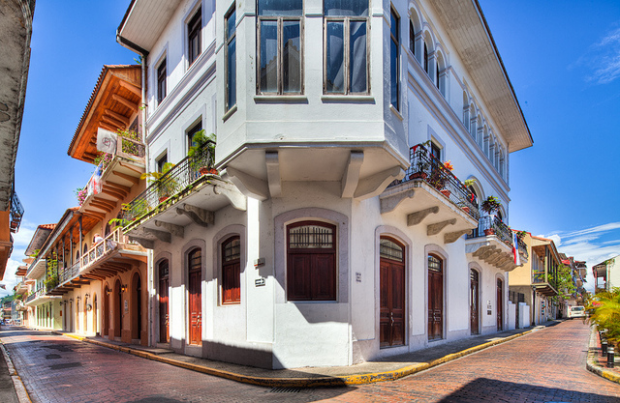
Just across the bay from the hustle and bustle of Panama City, with its towering buildings and cosmopolitan appeal, lies the cultural Panamanian hub of yesteryear…the charmingly historic and refreshingly eclectic Casco Viejo, Panama.
From Defending Against Marauders to Deteriorating into Rubble
It was founded in the 17th century in its strategic location, on a peninsula jutting into the Gulf of Panama, as a defense against pirates (the reason for its massive iconic seawall). Also of significance was the fact that its location marked the place of shortest distance between the Pacific and Atlantic Oceans of anywhere in the Americas, establishing it as an important shipping port.
However, over time Panama’s “Old City” fell into neglect as all the action moved across the bay where the modern capital of Panama City began to develop and skyscrapers began to sprout. As a result, much of Casco Viejo, Panama, was disintegrating and crumbling into ruins as high-rise condominiums and glistening office towers began to punctuate the opposing skyline.

Magda Wojtyra
Revitalization and Regeneration
The story has a happy ending, thanks to the foresight of its local population as well as the vision and ingenuity of some like-minded expats. Rather than allow this historic city, today a UNESCO World Heritage Site, to waste away, a massive revitalization of the area was begun and still continues today.
And, rather than just level ancient buildings and start afresh with new, modern construction, those involved with the renovations are committed to preserving both the history and elegance of Casco Viejo, Panama.
“Casco Viejo has been steadily being revitalized,” states Patrizia Pinzon of Arco Properties, a real estate professional who specializes in properties in this historic district. “And note that we like using that word revitalize instead of restore. We like to think of Casco Viejo holistically, not only in terms of buildings and square feet, but also its community component.”
Really Old Meets Refreshingly Current
The result to this preservation approach is a glorious juxtapositioning of ancient and modern. Sleek new nightclubs pulse with energy next to the historic town square. Boutique hotels and chic coffeehouses dot the spaces between dilapidated buildings still waiting for their turn to be rediscovered and re-imagined.
It’s an area that is perpetually reinventing itself. You needn’t spend long in Casco Viejo to realize that this is a place where things are happening. Grand things.
A Mix of People As Eclectic As Their Surroundings
When a place exists in a constant state of evolution, its people tend to reflect the same level of singularity and variation. Casco Viejo, Panama, is no different.
Its population consists of drifters and wanderers, entrepreneurial expats, overly eager tourists, and everything in between. Despite their differences, they share one major attribute in common: an innate fascination with the place they call home or are merely passing through.
“Buyers are those who connect with pedestrian-human scale cities and towns,” says Pinzon. “They come from everywhere. Europe has a big representation, but also the United States, especially people who have lived through the revitalization of a place. They are united by a sense of adventure, of romance. They all love walking and meeting people in the street. Above all, they place a high value on authenticity.”
And that walking the streets part isn’t necessarily by choice. The streets of Casco Viejo were laid out before there were cars, so this historic city is as pedestrian as they come. The town’s close-knit design makes it impossible not to get to know your neighbors, as well as the interesting strangers you’re likely to encounter.

Ana Freitas
The Future of Casco Viejo, Panama, Real Estate
Panama, as a whole, has seen incredible growth in recent years, even surpassing their pre-recession highs in most areas. The areas around the nation’s capital, including Casco Viejo, are no exception. In fact, they’ve seen an even greater appreciation than much of the country’s interior, where construction has somewhat slowed.
This is far from being the case in Casco Viejo, where locals and expats alike continue to see potential in the crumbling buildings of the historic district. Pinzon predicts that the area’s growth will continue, slowly but steadily. She remarks that there is also a substantial business community growing in Casco Viejo, Panama.
“The first big hotel (50 rooms, which is big for Casco Viejo) opened its doors earlier this year, and you can already see beautiful things happening around it. The American Trade Hotel, with its event hall and the Danilo Jazz Club, has started to attract new people and has given the district a stunning showcase on all levels: architecturally, culturally and socially.”
While there are many options for purchasing real estate in Casco Viejo, Panama, Pinzon suggests buying an apartment while it’s still in the pre-construction stages. With a place that’s already entering the development process, you can get the benefits of paying a known price up front and then acquiring the property a year or two later once it’s automatically experienced some appreciation.
In addition to avoiding the headaches of undertaking your own construction and renovations, you can also enjoy no property tax for 30 years if you qualify. Panama’s laws are extremely pro-business and pro-investor. There are also numerous perks for those who wish to launch a tourism operation, making Casco Viejo an excellent choice for opening a business that caters to the interesting mix of people who visit Panama’s old city each year.
Even those who live and work in Casco Viejo continue to be amazed by the changes that are constantly taking place around them. There’s certainly no doubt that big things are happening in Casco Viejo. The only question is…do you have the vision required to be a part of them?
Map Casco Viejo, Panama
Casco Viejo, Panama Fast Facts
- Population: 200,000+
- Typical temperature: From 60 to the mid-80s Fahrenheit
- Nearest airport with U.S. flights: Tocumen Airport. Domestic flights to Panama City, Panama and international flights to Costa Rica depart from Enrique Malek International Airport in David
- Nearest U.S. consulate: Panama City, Panama

Magda Wojtyra
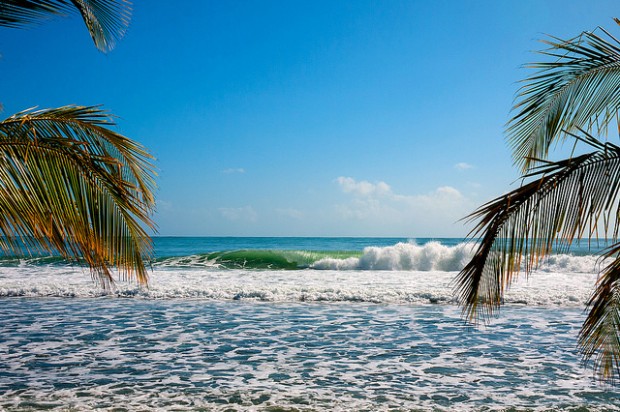
Bocas del Toro, Panama, is like something from another planet, another era even. It’s been compared to Key West, Florida, with its quaint tropical-meets-Victorian architecture. It’s been dubbed the “Galapagos of the Caribbean” due to its rich ecological diversity.
But one thing is for sure. Bocas del Toro is uniquely alluring with a call that summons tourists and expats alike to return again and again to its myriad attractions. It’s a great place to visit and, according to local real estate experts, an even better place to invest or buy property.

Drriss & Marrionn
Conveniently located and perfectly climate-controlled
It’s rare to find a place that is the embodiment of the tropical paradise that time forgot, yet is so easily accessible. Bocas del Toro offers the best of both worlds.
Situated a short distance from Panama’s Caribbean Coast, just south of the Costa Rican border, it even has its own modern airport with several daily flights from Panama City and David. It can also be reached by ferry, water taxi, or private boat via three full-service marinas.
Because of its location it also offers gorgeous weather that’s among the best in the region. Rather than a long, extended wet and dry season, Bocas del Toro enjoys a bit more fluctuation throughout the year. Granted, it can rain at any time, but the islands are generally dry during February through May and September through October. July and December are generally the wettest months and September offers the calmest conditions at sea.
Daily temps range between the high 70s to low 90s. The islands can also be quite humid, but the cooling breeze off the ocean does much to mitigate the mugginess.
T Auchgurke
From buccaneers to bananas
The history of Bocas del Toro only adds to its modern-day charm. When Christopher Columbus first discovered the islands in 1502, he was so enamored with their beauty that he named several of them after himself: Isla Colon (Columbus Island), Isla Cristobal (Christopher Island), and Bahia de Almirante (Admiral’s Bay).
During the 17th century, the islands were popular among pirates who came to repair their ships and, reportedly, bury their treasures. Although, to date, none have been found. The indigenous people were nearly wiped out by disease and Spanish militia before the area was finally settled by wealthy aristocrats in the early 19th century.
Following the abolition of slavery, the servants of these early settlers were joined by Jamaicans and other islanders who began to make a living by fishing and raising bananas. This is still a thriving industry today, as the plantations of Bocas del Toro contribute to the multinational Chiquita Brands International, with Bocas alone exporting 750,000,000 tons of bananas annually.
Bocas del Toro, Panama offers nature galore
The entire archipelago lies in a tropical rainforest ecosystem. As a result, the islands are lush with tropical flora and fauna. It looks like a postcard everywhere you turn. In the jungles you’ll find rare species of birds, butterflies, sloths, monkeys, and even the tiny poison dart frogs that are indigenous to the islands.
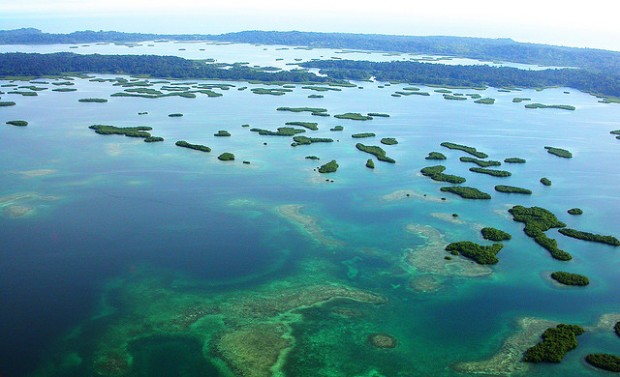
The island’s nine main islands, plus 52 cays and hundreds of additional islets, are perfect for exploring by kayak. Surrounding the islands are hundreds of mangrove keys and virgin coral reefs teeming with exotic aquatic species.
The islands themselves offer white sand beaches that are pristine against the turquoise waters. Snorkeling and diving are popular activities in Bocas del Toro, as are surfing, boating, and island hopping. On land, there are also plenty of opportunities for camping, hiking, and exploring the jungles.
Perhaps the largest attraction in Bocas del Toro, Panama is Bastimentos National Marine Park, the first in the country and one of the most important in the world. Covering over 30,000 acres, it’s a protected area for the endangered manatee, as well as a spawning ground for tarpon. The area is also a great place for watching dolphins and sea turtles.
Why photos of Bocas del Toro are so easily recognizable
Once you’ve been to Bocas del Toro, you can immediately choose its picture out of any lineup. The area is famous for its structures that are built on stilts in the water. As a result, it makes for a striking skyline.
Spending time in Bocas means shopping, dining, and even sleeping out over the calm waters of the Caribbean. Many beachfront homes in Bocas del Toro are situated out over the sea. These houses and commercial areas are charmingly set amongst the lush tropical landscape, which stands out against the 10,000 foot peaks that are visible on the mainland.
Aerial photos of the area show heavily treed islands dotting a crystal blue sea, with dozens of thatched roof structures sprinkling their shores, a scene you might recognize from the opening credits of any number of the “Survivor” series as so far 18 countries have traveled to Bocas to film theirs.

S. McCallum
It offers the right balance of rustic versus recent
The islands and their central city of Bocas Town are charmingly quaint, with their Caribbean colonial structures, a style that is required of all new construction. The streets are paved. The water is drinkable. And the hotels offer modern conveniences such as cable television and wireless internet.
Yet everything is distinctly laid-back and pleasantly behind the times. Accommodations lean towards rustic and authentic, rather than posh. Ecolodges abound, and sustainable tourism is a major focus. There’s no electrical grid, as the entire area is powered by a generator plant. As a result, the area is protected from overdevelopment and prices have remained low.
Another major nod to Bocas Del Toro’s authenticity is the way it has integrated the local Ngobe-Bugle people into the overall island experience. The indigenous people share their traditional customs with visitors. They thrive by fishing, farming, and selling their handmade crafts to tourists.

Pereira Miguel
Not too slow, not too fast…the pace of life in Bocas del Toro is just right
Many residents of Bocas del Toro choose it for their home due to the very same appeal that wows tourists the moment they step off the boat or plane. It’s the indescribable warmth and ease of the area and its people.
Much like being on a perpetual vacation, it’s completely free of the hassles the rest of the world encounters on a day-to-day basis. There’s no traffic, no smog, no hurried atmosphere.
In Bocas del Toro, Panama, everything moves at a calm pace so as not to distract your attention from the overwhelming abundance of unspoiled nature that surrounds you. And that won’t change any time soon.
The Bocas del Toro, Panama real estate market is enjoying the same steady pace
The islands of Bocas del Toro are known around the world for their distinct tropical appeal. Panama’s top tourist destination, they attract visitors from all over the world. Many of them are so wowed by the islands’ natural beauty and atmosphere that they end up making it their permanent home. Yet, property in Bocas del Toro remains surprisingly affordable.
In fact, it’s one of the few areas like it that are still left in the region. It offers a variety of living options, from oceanfront homes to jungle retreats, that can still be had for a fraction of the cost of similar properties elsewhere.
As a result, the area has been drawing quite a bit of attention in recent years. However, per J.B. Seligman of Buena Vista Real Estate, Bocas attracts a slightly different crowd than many other expat destinations in the tropics.
Seligman says today’s newcomers are around 35 or slightly older, ranging from those with young kids to those whose kids are almost ready to leave the nest. Rather than waiting until retirement age, they want to invest in property that they can use to earn an income so that they can start enjoying the tropical lifestyle now.
“It’s the younger crowd wanting income-producing property. So we are selling lots of this type of inventory, be it a small hotel, hostel, bar, or restaurant. But this type of inventory is limited, so now there’s a new resurgence in building.”

Magda Wojtyra
Where Bocas del Toro, Panama real estate is headed
According to Seligman, the global economic crisis was felt deeply in Bocas del Toro, but it’s definitely now on the upswing. More reasonably priced properties are what’s moving, and he indicates he sees that trend continuing.
“I see Bocas continuing this upward swing but at a controlled pace, a good pace, for the next 2-3 years,” says Seligman.

Sandy29
Come to visit…stay to live, work, and play
In short, Bocas del Toro, Panama, is a destination like no other. It’s rich with authentic culture, charm, and natural beauty. It’s no wonder tourism to the area is on the rise.
It’s also not a surprise that so many tourists are making the decision to live, invest, or even start a business in Bocas del Toro. With so much to do and see in the area, there’s no indication the influx will slow in the near future.
Bocas del Toro is the perfect setting for the right investor to open an ecolodge, tourism operation, or another business catering to travelers. The nation of Panama is pro-business, pro-investor, and incredibly pro-tourism. And the opportunity to own a perfect piece of island paradise has never been more attractive for the entrepreneurial expat.
Map of Bocas del Toro, Panama
Bocas de Toro Fast Facts
- Population: About 9,000
- Typical temperature: Average temperature is 80 degrees
- Nearest airport with U.S. flights: U.S. bound flights leave daily from Tocumen Airport, domestic flights depart for Bocas del Toro from David and Changuinola.
- Nearest U.S. consulate: Panama City


How would you like a job where your colleagues routinely disappear or are victims of death threats? This is the reality of what is it like to be a reporter covering the drug trafficking world of Mexican drug cartels.
This mind-boggling world pushes the limits of human decency every day. It is an amazing and wild ride, and critically acclaimed author and narco-reporter, Ioan Grillo takes you along for a first-hand experience. He will drop nicknames of famous cartel bosses and leave you feeling sick from what they do.
Author of the seminal book El Narco, Grillo tells us who the top cartels are today, how they got there, and what has shocked him the most.
Just look at this excerpt from his book:
“The world has watched stunned at the bloodshed in Mexico. Seventy thousand are murdered since 2006; police chiefs are shot within hours of taking office; villagers dig up mass graves comparable to civil wars; car bombs rattle streets; piles of headless corpses haunt town squares”
If you want a glimpse into the shadows, tune in now and listen.
In this episode, you will learn:
- What territory is the most coveted.
- How cartels influence Middle Eastern fundamentalists.
- How cartels organize themselves.
And much more.
Listen to the show
You can listen to the show using the player above or grab it and listen on the go via one of the following options:
React to the Show
We appreciate your reaction to episodes of Viva Tropical Radio and feedback about how we’re doing. Send us your thoughts any time in an email or comment below.
Buy El Narco Below
- Buy Ioan Grillo’s book on Amazon.

Ioan Grillo

You may think that owning island property in the Latin tropics isn’t possible within the budget you’ve set for your expat home abroad.
Prepare to be pleasantly surprised.
It’s true that, due to its high demand, island property may tend to run a little on the pricey side. (After all, there is only a finite amount of it available.) But, depending on the level of development and the number of amenities you’re seeking, it’s entirely possible to find remote real estate to fit any budget.
In fact, check out these 10 places you can own an island, or at least a nice-sized chunk of one, for $500,000 or less.

Alligator Caye, Belize: $99,000
Just reduced from $169,000, this property includes 10.7 acres on the southern end of Alligator Caye. It’s off the coast of Belize, slightly north of the town of Dangriga. The Belize Barrier Reef, the second largest in the world, lies just a few hundred yards in front of the property.
It can be reached by boat in 30 minutes from Dangriga or just 45 minutes from Belize City. A lagoon on the back of the island, to which the property has access, offers sheltered boat mooring.
This completely undeveloped island is a blank canvas in a popular area near the country’s largest tourist attraction, the reef. The area has been designated as a World Heritage Site due to its ecological importance. It’s also a great spot for fishing.
Boca Chica, Panama: $199,000 – $449,000
Video of a Glass House for Sale on Boca Chica Island
Boca Chica Island is a gem of a destination located just off Panama’s Pacific Coast in the Gulf of Chiriqui. Surrounded by over 50 mostly uninhabited islands, as well as some of the world’s best sport fishing, it’s currently one of the hottest places in the country to buy property. And it’s our only island project.
This is due largely in part to the newly expanded international airport in David, a number of other large infrastructure projects, and some really incredible scenery. It’s a beautiful place to call home, and it’s an even better place to invest in real estate.
There aren’t a ton of lots still available in the island’s Adventure Colony development, but what’s left is still a great bargain. You can get three acres full of old growth coconut trees, with a level spot that’s already been cleared for a home site, for only $199,000. It sits at the corner of a sandy beach and offers access to a private dock, as well as its own fresh water well.
Also on the island is a contemporary home with three bedrooms and two baths that comes complete with a fully modern kitchen, a solar power system, premium finishes, custom furniture, and air conditioning throughout. Its private dock is right in front of the home, which sits on .75 acres.
It also has a freshwater spring, a large storage bodega, and mature fruit trees. There’s even a caretaker who can continue to provide service to the property if you so choose. All this can be yours for only $449,000.

Belize Tropical Caye
South Saddle Caye, Belize: $300,000
Located off the southern tip of larger Saddle Caye, this island property offers a whopping 2.3 acres, making it a steal of a deal. The island has tons of coral along its southern and eastern shore lines.
On the eastern side, there’s a steep drop-off to over 50 feet, making it great for snorkeling. The western side has a shallow entrance that slopes quite gradually and is perfect for swimming in the beautiful water that’s characteristic of the area.
The western shore also has a great sandy area that would make a great beach after a bit of much-needed clearing. There are large black mangroves in many spots across the island, indicating a solid footing for building.

View from Cay, Satanoid
Secret Island, Belize: $350,000
Located just seven miles off the coast of Belize, Secret Island is a Caribbean getaway that offers loads of potential. At 2.5 acres, it offers plenty of room to build a few houses. There’s also a great beach and a deep cove to allow for a dock.
You would likely need to sand fill the island, in order to have a solid base for construction. Since it’s close to the mainland (roughly a 20-minute boat ride), the transport of building materials would be relatively simple.
The island’s landscape is remarkable with red and black mangroves surrounding it. The water is shallow, only knee deep at 30 yards out in some places. The island offers views of the mainland, as well as several other islands that are within a mile away, and the entire area is a UNESCO World Heritage Site.

Island in Lake Nicaragua, Kristian Golding
Granada, Nicaragua: $350,000
This small island is located in Lake Nicaragua, the largest freshwater lake in Central America. At just under a quarter of an acre, it has just enough space to hold a large three-bedroom, four-bath home and gardens with mature coconut trees.
The home has several terraces and a system for heating water from the fresh water well. There’s also a caretaker already on staff. The home is just five minutes from the nearest dock and 45 minutes from the capital of Managua.

Turneffe Point Caye, Serge Melki
Turneffe Point Caye, Belize: $350,000
With a whole acre to develop as you choose, this island on the north tip of Turneffe Atoll is a real bargain. It’s protected by the Belize Barrier Reef, which lies just 500 yards away. As a result, the water around the island is calm, even on the windiest of Caribbean days.
For access, the island is 28 miles away from Belize City, making it the perfect secluded destination. In addition to exploring the reef, it’s also a great spot to enjoy flats fishing.

Isla Paloma
Isla Paloma, Panama: $400,000
This .25 acre island is located in the peaceful Isla Paloma off Panama’s Caribbean coast, near Bocas del Toro. It has a white sand beach and too many varieties of fruit trees to name. It’s surrounded by a shallow lagoon and mangroves that help protect the island from erosion.
There’s little tide fluctuation and no history of hurricanes in this area. The island enjoys a mild tropical climate (averaging around 80 degrees). It’s also fully self-powered with its own water source, allowing for the possibility of year-round living or use as an income property.
The home itself has two bedrooms and one bath, plus a loft space. It’s fully furnished and includes all kitchen equipment, electronics, linens, and decor. Outside there’s a beautiful garden, party shack, and swim dock for entertaining.
The boathouse has five boat slips (two covered) and includes a 26′ panga style boat with an 85 hp Yamaha engine. There are also water sport toys and equipment, such as skiis, snorkel gear, ropes, life jackets, and a canoe. The separate workshop also comes with all the hand and power tools you’ll need to keep up the property.
Supplies can be obtained from the local town of Loma Partida, which has groceries, hardware stores, restaurants, and some activities. The nearest regional airport is 25 minutes away.

Roatan, Honduras: $469,000
Located on the popular island of Roatan, this property includes a well-constructed two-bedroom home, plus a separate apartment, that’s the perfect place to launch your very own sport fishing or aquatic excursion company. In fact, the current owners have already laid all the groundwork for a successful tourism operation.
The home includes high end finishes and an updated kitchen with modern appliances. There are two more bedrooms in the lower level apartment that has its own private entrance and patio.
As if this weren’t enough, the home also includes a tricked out boathouse, complete with a full kitchen and barbecue area, four private docks, and plenty of areas for lounging. There are two boat lifts, an overhead deck, and tons of storage.
If a tourism business is in your plans, the owners have their successful charter business for sale. Other income options include rental of one of several boat slips or of the downstairs apartment. The possibilities with this property are literally endless.

Bocas del Toro, Jacob Kirkland
Isle of Navarro, Panama: $500,000
This island is located out from Dolphin Bay near beautiful Bocas del Toro. In addition to the generous nine acres of dry island, there’s also a 2800 square foot house that’s built out over the water in the popular style of the area. There’s also a separate residence that can be used for guests or a caretaker.
The island is covered in lush vegetation, which includes pineapple plants, coconut palms, orchids, and banana and papaya trees. It also comes with a 26′ boat with 40 hp motor as well as two generators for power.
Among its other amenities include the island’s proximity (only five minutes by boat) from Bocas del Toro, the country’s top tourist destination.

Nicaragua Island, Steve Summers
Pink Pearl Island, Nicaragua: $500,000
One of the Pearl Cays, this two acre island is only three miles off Nicaragua’s Caribbean coast. Although it could also work as a private personal retreat, the property is currently being used as a tourist business, making it the perfect turnkey property for the entrepreneurial expat.
The options are endless, as the area is great for both sport fishing and scuba diving. It’s a beautiful piece of property with turquoise waters and white sand beaches. It’s protected by the surrounding reefs and other islands and covered in lush flora and fauna.
Structures on the island include three cabanas, each with two double beds and a private bath, an eight-person bunk house with shower room, and a circular main house with a downstairs kitchen and living area and an upstairs master suite with a balcony that offers 360 degree views of the island. There’s also a restaurant/bar with bamboo tables and chairs and a workers’ cabin with kitchen and bedroom space.
The island is easily accessible by boat, but you can also charter a helicopter from Managua or the nearby Bluefields or Corn Islands. There’s a pier on the front of the island, and the purchase includes a 25′, 150 hp speedboat, “The Black Pearl.”
Other features include a heart-shaped swimming pool and a small bamboo beach shower. The property is powered by a 5500-watt generator and is wired for cable and phone service.
So, don’t give upon your dream of owning an island just yet. Check out our island real estate listings to see what’s available, or ask us how we can help.

Viva Tropical Radio
It’s time for the second installment in our series of the Central America Real Estate Show. Today we bring you three new Real Estate Experts in three new Central American hotspots.
We talk to Mike Cobb, long time Nicaraguan developer about the real estate climate in this beautiful country and his current project, Gran Pacifica. From him you will learn why the Nicaraguan lifestyle is so attractive and a great value.
Next is Panama. Lucy Haines, founder of Panama Realtor and the largest broker in Panama, joins the show with her unique perspective on where to look for real estate in Panama and why.
And last, but certainly not least, we head to one of the hottest real estate markets in Costa Rica. Josh discusses why this place is so popular with local Jeff Grosshandler of First Choice Remax in Nosara, Costa Rica. Usually low prices drive the market, but this place isn’t cheap, so we do the deep dive into the market to find out why it is what it is.
Listen to the show
You can listen to the show using the player above or grab it and listen on the go via one of the following options:
Resources
- Learn more about Panama residency at our podcast here
- Learn more about Costa Rica residency at our podcast here
- Viva Tropical Complete Guide to Nosara, Costa Rica
- Our guide to evaluating real estate by Market Stages
- Pay Dirt! our How to invest E-book for FREE get it here
The Show Notes
Mike Cobb, Gran Pacifica (Interview starts at minute 3:00)
- Learn more about Mike Cobb and his Gran Pacifica project here
- See ECI Development, Mike’s development company, here
Lucy Haines, Panama Realtor (Interview starts at minute 33:58)
- Learn more about Lucy Haines, founder of Panama Realtor, here
Jeff Grosshandler, Remax First Choice Nosara (Interview begins at hour 1:01:50)
Viva Tropical Radio
Park joins the show to discuss his recent trip to Medellin, Colombia with his boys. He examines the good and bad from the trip and compares his experience there to the rest of Central America.
Meanwhile, Josh recounts his recent trip to El Salvador and breaks down how it fits into the scope of Central America real estate investment.
The two also catch up on the recent elections in Panama and what has been happening on Boca Chica Island.
In this episode, you will learn:
- Is El Salvador a hot potential investment spot?
- How does Medellin stack up against other Central America cities?
- What does the future hold for tourism in Colombia?
- Are El Salvador and Colombia safe?
And much more.
Listen to the show
You can listen to the show using the player above or grab it and listen on the go via one of the following options:
React to the Show
We appreciate your reaction to episodes of Viva Tropical Radio and feedback about how we’re doing. Send us your thoughts any time in an email or comment below.
The Show Notes
- Killing Pablo – Mark Bowden
- Viva Colombia – $100 round trip flights to Medellin now from Panama City
- Medellin Living – Very informative website
Viva Tropical Radio
Everything you need to know about Panama residency, visas, and beyond. Ricardo Faraudo, an attorney from the DENFAB firm, joins the show.
Ricardo specializes in expat immigration and gives details on all the visa options you have when moving to Panama.
There is even one visa which comes with a Panamanian passport, so find out what option is best for you or if you even need to apply for residency.
In this episode, you will learn:
- Do you even need to get residency?
- How to get a Panamanian passport in under 6 months.
- How much does it cost to get residency?
- Which residency option gives you huge discounts on almost everything you buy?
And much more.
Listen to the show
You can listen to the show using the player above or grab it and listen on the go via one of the following options:
- Click here to download the mp3
- Click here to subscribe via iTunes
- Click here for the RSS feed (non iTunes)
- Click here for the show archive
React to the Show
We appreciate your reaction to episodes of Viva Tropical Radio and feedback about how we’re doing. Send us your thoughts any time in an email or comment below.
The Show Notes
- Ricardo’s firm DENFAB
- Contact Ricardo directly: [email protected]
- Or contact the firm: [email protected]

Everyone who has ever dreamed about owning property has, at one point in time, dreamed of owning their own island. Who wouldn’t want to be a Richard Branson, David Copperfield, or Larry Ellison, king or queen of their own domain?
We are here to dispel the myth that you must be a billionaire or world-famous magician to own your own island, or a piece of one. You, too, can own a piece of paradise. Let’s take a look at some amazing island options, right here in Central America.

Joy Drive
Bocas del Toro, Panama
You can own a piece of Isla Popa in the Bocas del Toro island chain off the Atlantic shore of Panama. Discovered by Christopher Columbus in 1502, this chain of islands features plenty of ecotourism opportunities, including Parque Internacional Amistad, a UNESCO World Heritage Site. Whether you enjoy diving, surfing, or a beachside piña colada, Bocas del Toro has you covered.
What you can buy
A piece in Isla Popa will set you back $220,000, but that includes 9.1 hectares of land, a 30 ft. deep natural harbor, a two-story, two-bedroom wooden home, and a natural spring with swimming hole.

Gaspar Serrano
Pearl Islands, Panama
Shifting to the Pacific coast of Panama, we find the Pearl Islands. Only thirty miles off the coast of Ciudad de Panama, the most famous and most populated of these islands is Isla Contadora, which features white sand beaches, several bars and restaurants, and a great diving scene.
Want to Move to Paradise?
Think about Isla Del Rey in the Pearl Islands, which offers 130 acres of beachfront land, and can be yours for $4,500,000.

Belizian Way
Stann Creek, Belize
Located in the southeast of Belize, the Stann Creek District features many beautiful parks and reserves, including the Cockscomb Basin Wildlife Sanctuary and Victoria Peak, the second highest mountain in Belize.
Go for the Whole Island
Little Coco Caye in Belize is for sale. This is a five acre island with great diving and fishing. The offer range for your own island is between $365,000 and $395,000.

Bluefield Nicaragua
Bluefields, Nicaragua
The actual town of Bluefields is very developed, with about 50,000 English-speaking citizens within its borders. It is located about 50 minutes by air from Managua, the capital of Nicaragua.
Rustic Island Living
Go rustic in Bluefields where you can purchase a two-bedroom home with generator, septic system, and water, as well as an infinity pool, small caretaker home, cement pier and white-sand beach. This island located an hour by boat from the town of Bluefields, Nicaragua offers up a fully-developed 2.5 acres for $560,000.

Gonzlaught
Pink Pearl Island, Nicaragua
Again located off the Caribbean coast of Nicaragua, Pink Pearl Island features reefs, palm trees, and quite an impressive amount of infrastructure. It’s a great island retreat for a week, month, or as long as you like.
A Vacation Villa Like No Other
Three cabanas on the island can be used for tourism, a ‘shack’ with four bunk beds and a shower room, and a main house with one bedroom, living area, full kitchen, and wraparound balcony. There is also a bar and restaurant on the island. All of this can be yours for $500,000!

knotinvein
Diamond Caye, Honduras
Shifting to the country of Honduras, Diamond Caye is located off the western end of Utila Island, and is non-developed. Like a clean island slate where your imagination can run wild. With 1.43 acres in the Bay Islands, the reef around Diamond Caye is some of the best diving in the Caribbean,
No Rules Apply
This island is only 20 minutes from East Harbour on Utila where you can stock up on necessities and take a moment to embrace society before heading back out to paradise. This tropical dream could be yours for $650,000.

Gregorio
Isla Golfito, Costa Rica
Departing from the white-sanded coasts of the other islands we’ve covered in this article, the Island Golfito is a jungled barrier island, located right in front of the town of Golfito.
Close, Yet Far Enough Away from Civilization
Over two miles long and one mile wild, the island listing offers 34.5 acres of decidedly off-grid living, with the island hosting ‘more monkeys than humans.’ Close enough to the mainland to require only a kayak or rowboat to shore, Island Golfito would be a perfect option for those wanting to get away from it all. And, at a $130,000, the patch of land is quite a steal!
So, What Next?
I’m sure many of you are much more interested in owning a swatch of your own island now that you’ve seen some of the options available all across Central America. Where do you begin?
Start by looking at some islands for sale! And if you just aren’t ready to think about buying an island, here are a whole bunch more properties around Central America.
Viva Tropical Radio
Author Buddy Levy joins the show to discuss his book Conquistador: Hernan Cortes, King Montezuma, and the Last Stand of the Aztecs.
We discuss the story of a driven conquistador and what led to the defeat of an Aztec King. We are sure you will be surprised by the events that ultimately became one of history’s most intriguing meetings between two very different cultures.
Listen to this can’t-miss episode and learn what it felt like to be in Mexico 500 years ago.
In this episode, we discuss:
- What huge advantages Cortes exploited against the Aztec empire
- How a fateful sightseeing trip with King Montezuma led to a brilliant attack plan for the Conquistador
- That taxes used to be paid in humans in the Aztec system of rule
And much more.
Listen to the show
You can listen to the show using the player above or grab it and listen on the go via one of the following options:
- Click here to download the mp3
- Click here to subscribe via iTunes
- Click here for the RSS feed (non iTunes)
- Click here for the show archive
React to the Show
We appreciate your reaction to episodes of Viva Radio and feedback about how we’re doing.
Send us your thoughts any time in an email or comment below.
The Show Notes
- Buy Buddy’s book here
- Learn more about Buddy Levy


Mario Arias
Does your idea of owning property in the tropics involve a panoramic view of your own private beach, the presence of abundant exotic plants and animals, and the absence of annoyances like noisy neighbors, motorized vehicles, and tourist traps?
If so, then perhaps you should expand your real estate search parameters to include island properties or even entire islands for sale in Latin America. And, for some really great island options, might we also suggest narrowing your search to Panama.
Off its Pacific and Caribbean coasts lie a number of spectacular, often uninhabited, islands whose ecosystems include rainforests, coral reefs, mangroves, cloud forests, and sandy beaches. And these are home to tropical flowers, shady palms, ancient trees, and animals you’ve never seen in any textbook.
Once relatively unknown, Panama’s islands have been gaining popularity as the country’s government has taken a number of drastic measures to encourage both tourism and investment in the country and its many archipelagos.
Today there are a number of private islands for sale, including some that are going for rock-bottom prices, making them primed for impressive appreciation as improvements to the country’s already good infrastructure continue to cause property values to climb.
While there are a few restrictions, it’s entirely possible for foreigners to own islands or waterfront island lots in Panama. In fact, the entire buying process in Panama is relatively simple compared to many of its Central American neighbors.
We’ve written more extensively about the steps in our Panama real estate guide. Here’s a quick recap, along with a few stipulations that apply specifically to island property.
Rights of Possession vs. Titled Property
In Panama, there are two types of property available for purchase. The first is titled property which, once purchased, belongs to you and is titled in your name in the public registry. You pay taxes on it and can do with it as you wish.
With Rights of Possession (ROP) property, the title is owned by the Panamanian government. You can still use it however you’d like. You just don’t hold the title and, consequently, you don’t pay property taxes.
Sound kind of cool, yet a little bit scary at the same time? Yeah, you’re right on both counts. ROP property can be a great investment. It’s also one of the best, if not only, ways to get your hands on some really desirable real estate in Panama, as most (but not all) islands and beachfront properties are ROP land.
The way to eliminate any risks associated with this type of real estate purchase is to do your due diligence to research the ownership rights. There may be conflicting claims to the property, involving multiple parties or even several generations of family members. There can also be squatters who might make a claim for the land.
Resolving any of these potential issues on the front end is absolutely essential to purchasing ROP property and being able to walk away from the transaction with peace of mind, knowing no one else can come back and try to take it for themselves.
Don’t Even Start the Process Without Consulting an Attorney
At this point, it may go without saying (but we’re going to say it anyway)…you absolutely need to hire a qualified attorney who has experience with all types of real estate transactions in Panama, including island real estate and ROP property.
And, by experience, we mean someone who has verifiable references or who comes highly recommended by another friend or professional whom you know and trust. Not just the one with the best website or the neatly bundled real estate buying package with the price tag that ends in $???.99.
Even if your real estate transaction seems straightforward enough, we strongly suggest hiring a qualified attorney, realtor, and any other professional(s) you need to handle the entire process and save you a lot of headaches. Having a team of professionals you can trust is the most important piece of the puzzle that comes together into a picture of you lying in that hammock without a care in the world.
The Buying Process
At the end of the day, the process of buying an island in Panama looks a lot like buying real estate pretty much anywhere in North America. You’ll search online or with a realtor and look at places you’re considering. Note: There’s no MLS in Panama, so you do have to get a bit more creative in order to find available properties. Our Panama Real Estate site is a good place to start.
Once you find the right one, you’ll sign a contract and pay a deposit, like earnest money. Once the title or ownership rights have been researched (this is generally the longest part of the process and may also include a survey), you’ll complete a bill of sale and have it notarized. Then a new title or certificate will be created and approved.
When all is in order, and not a minute before, then you’ll actually transfer the money to the seller from the bank or escrow company who’s been holding it in trust. You’ll also pay any other applicable commissions or service charges, like closing costs. If your property is titled, it can then be recorded in the public registry.
A Note About Waterfront Property
There is a specific restriction regarding beachfront property, which also affects island owners. The first 20 meters from the high tide mark on all Panama beaches is public access. So if you plan to build anything within this area, you’ll need to obtain a concession. This applies to anything from a pier to entire home on stilts over the water.
This process can take a while, and unfortunately you’ll need the concession in order to get a building permit. The good news is that this only applies to the public access area. All that means is that you’ll need to build your house first, while your request is awaiting approval, and then the dock or waterfront gazebo can come later.
Panama’s Most Attractive Archipelagos
So, now that you know how, all that’s really left is WHERE you should search for your island home in Panama. Here are a few of the most beautiful and popular choices.

VivaTropical
Boca Chica
When we mentioned those areas where island real estate can be had for a bargain with some incredible investment potential to boot, this is the main place we had in mind. Boca Chica, on Panama’s Pacific coast, is a true hidden gem that is just beginning to come into its own as a destination for island lovers, fishing enthusiasts, and investors.
With over 50 islands, boasting all kinds of ecosystems, this archipelago is absolutely breathtaking. There’s currently little in the way of tourist infrastructure, which offers a practically blank slate for entrepreneuring expats.
And tourists are definitely anticipated, as the nearby (less than an hour away) Enrique Malek International Airport in David will soon be receiving flights from the U.S. and other destinations for the first time ever. These along with several other infrastructure improvements will mean big things for the Boca Chica area.
The islands themselves, including Boca Chica Island, a 400-acre private development and the home of our latest Adventure Colony, are wild and untouched. Although only a few minutes from the mainland by boat, you’ll feel like you’re a million miles and several centuries away from civilization.

Gaspar Serrano
Pearl Islands
Located near the capital of Panama City, the Pearl Islands can be reached in 15 minutes by plane or 2 hours by ferry. Once there, you’ll feel immediately a part of the rich history of pirates and treasures that gave the archipelago its name.
On the islands you’ll find secluded beaches, bird sanctuaries, coral reefs, and only a few small settlements, although tourism has been increasing as of late. The islands’ beautiful beaches have formed the backdrop for the filming of several seasons of the hit series “Survivor.”
The calm waters surrounding the islands are ideal for fishing, snorkeling, and sailing. The enhanced focus on tourism makes these islands another great investment opportunity.
The most visited of the Pearl Islands, Contadora (so named because it was the location where the pirates counted their pearls), is a resort island where many wealthy Panamanians and foreigners own second homes. There are also a number of luxury tourist accommodations.

Panapro
Bocas del Toro
On Panama’s Caribbean coast, is the archipelago of Bocas del Toro, Panama’s most visited tourist destination. The epitome of the laid-back Caribbean lifestyle, its postcard-worthy skyline includes a number of dwellings and other tourist attractions built out on stilts atop the water.
This archipelago is a popular place for snorkeling and scuba diving, as well as surfing. It has also hosted episodes of the “Survivor” series and as a result has been gaining even more popularity among tourists worldwide.
The six large and numerous small islands offer spectacular beaches that stand out against the thick rainforests, making it an ideal place for ecotourism. However, it also has its share of development, particularly on Isla Colon, which has a fair share of tourist accommodations and a small airport that offers daily flights to Panama City and David.
Although it’s the most developed of Panama’s archipelagos, there are still remote lots that can be found for a reasonable deal if you’re willing to venture away from the tourist areas.

Seibert
Veraguas Islands
If you’re looking to get out…way out…then Veraguas Island and its surrounding area might be a good place to check out. This remote group of islands is covered in lush jungles and offers proximity to Coiba National Park, which includes the largest uninhabited, forested island in the Americas.
The islands also boast a varied assortment of marine life, some white sand beaches, and a number of possibilities for their use. They would make a great setting for a remote residence, an ecotourism outfit, or a private resort in an untouched natural setting.
These ideas should give you a great start, but there are plenty of other islands to choose from in Panama and beyond. Check back frequently to our listings of islands for sale throughout Latin America.
Andrew Henderson travels the world looking for opportunity and ways to protect his wealth. Find out why he is absolutely convinced you are insane to not keep some of your wealth in a different country.
We also talk about second passports and opening foreign bank accounts as further ways to diversify your exposure to liability. The offshore world can be complicated and vast, but all you need is a little knowledge to get started.
Tune in now and begin moving down the path before it’s too late.
In this episode, we discuss:
- Why you need to get some money offshore now.
- Why you need a second passport.
- How to get a new offshore bank account.
- Why you can’t rely on your government to protect all your wealth.
And much more.
Listen to the show
You can listen to the show using the player above or grab it and listen on the go via one of the following options:
- Click here to download the mp3
- Click here to subscribe via iTunes
- Click here for the RSS feed (non iTunes)
- Click here for the show archive
React to the Show
We appreciate your reaction to episodes of Viva Radio and feedback about how we’re doing.
Send us your thoughts any time in an email or comment below.
The Show Notes
- Who is Andrew Henderson?
- Andrew’s website Nomad Capitalist
- Vivatropical Offshore Strategy Guide

What’s your favorite part about the tropics?
Is it the warm sea breezes? Maybe the laid-back lifestyle? Maybe it’s just the idea of being in a land that offers more freedom. Or maybe getting some of your life back by having great domestic help?
Today, let’s see some Hibiscus!

First, you have to understand that these flowers are HUGE!

So it’s rainy season now and we’re getting ready to do some planting on our island and out on our Burica project. I’ve been looking for hibiscus, which there is quite a bit of here in Panama.

But I hit the mother load today!

I found a lady that has over 100 colors of hibiscus! 100 different colors!

I mean, really….100 different colors? At any rate, I snapped a few photos as I was buying them. Were planning on loading down the parcels with them so that we’ll have our own little mini “vivero” or nursery on the property.

And if you don’t know much about hibiscus (other than that there are tons of colors and the flowers get big!), then they grow tall. Like 15′ tall, tall. They are great for planting property lines.

As far as where to plant them, they don’t like overly wet areas. So don’t put them where you might have water pooling. They are also an extremely hardy plant. Josh was just mentioning to me that they are planting them in his back yard at the moment. They literally broke off some of the branches, stuck them in the ground, and left them.

Then there are some certain fertilizers that make them flower more. You can trim them or just let them go nuts, like these that you see in the photos.

They prefer sun over shade.


So what are your favorite flowers in the tropics? Even better. Why do you love the tropics?