


Walking down the cobblestone streets of Granada, Nicaragua past the brightly painted colonial buildings, wandering through the burgeoning markets, and watching the sunset from the top of the Merced Tower, it’s easy to understand why many cite it as their favorite city in Central America.

Pete Schnell
The small size and walkability could fool you into thinking it is a town, that is until you taste some of the incredible food and soak up all of the culture. Situated along Lake Nicaragua and resting below the towering Mombacho volcano you can find yourself from city to nature in minutes. For those looking for first world comforts, exciting culture, and nature adventures, Granada is an ideal place to live.
Strong Expat Community
With affordable investment opportunities, plenty of volunteer programs, Spanish language schools, and research programs for teachers, environmentalists, and anthropologists, there are many established expats living and thriving in Granada already. This community is well-connected and dedicated towards improving the living standards for the outlying community.
Expat hubs like The Garden Cafe with organic healthy fare and Pure Spa with yoga, pilates, and healthy communal meals, organize volunteering events and connect individuals with the greater community. Moving abroad can be a much more seamless experience when a well-established, accessible expat community already exists.
Low Cost of Living
Nicaragua is one of the most affordable countries in Latin America and that becomes apparent the moment you step foot in Granada. A one hour massage in a reputable spa costs $20, a full breakfast in an organic cafe is less than $4, and large beautiful colonial homes rent for less than $1000 per month.
With this low cost of living and accessibility to many luxury services provided by international restaurants, full service spas, and a strong arts and culture scene, it’s possible to enjoy a very high quality of life at an extremely low price point.
Art and Culture
It’s easy to quickly become enchanted with Granada. The beautiful streets with colonial churches and architecture are quite picturesque and might fool you into thinking you’re in a lovely town in Europe.
However the moment you walk through the bustling markets it’s clear that you are in Latin America. Locals sell fresh fish, produce, herbs, cheeses, and more on the streets which creates a colorful lively scene. The many galleries and art stores reflect Nicaragua’s long dedication to the arts and add a fascinating layer to the community.
Many international and local fusion restaurants line the streets offering local grilled steak and plantains while street vendors grill fresh cornmeal patties filled with cheese. The unique melding of European and Latin culture makes Granada a very special city to explore.
Proximity to Natural Wonders

JeffR Travel
Granada may be a city but it’s within a few miles of plenty of incredible outdoor activities. Residents can enjoy the comforts of city life as well wilderness exploration and time with nature.
Lake Nicaragua and the Isletas
At the end of town is Lake Nicaragua with its many beautiful wilderness-covered isletas that you can explore by chartered boat or kayak. The 365 tiny islands were formed from a volcanic explosion. Today the isletas support an entire community with schools, homes, and restaurants.
Mombacho Volcano
Less than ten miles from Granada is the Mombacho volcano which offers stunning views of Lake Nicaragua and the isletas. The volcano has four craters and is covered in cloud forest filled with animals. Howler and white face monkeys, snakes, deer, reptiles, and birds all call this forest home. At the top of the volcano there are plenty of trails that one can explore.
La Laguna de Apoyo
A short drive from the town center, the Laguna de Apoyo is a stunning place to observe animals and cool off from the city heat. This crystal-clear stunning lagoon was formed by the eruption of a volcano thousands of years ago. The lagoon is a great place for swimming and kayaking while the surrounding forest is teeming with flora and fauna.
Masaya Volcano
The Masaya volcano sits between Granada and Managua and sits in Nicaragua’s first National Park which boasts two volcanoes and five craters. The top of the volcano has great views and is often active. In the park there is an underground tunnel formed by lava flows and in the tunnel one can observe bats and glowing lava!
Pacific Coast Beaches
An hour and half drive from Granada are some of the most beautiful beaches in Central America with some stellar surfing. Weekend beach excursions are easy for those living in Granada. San Juan del Sur is the most popular beach for tourists, surfers, and yogis, but there are plenty of more relaxed beaches on the coast with equally surfable waves.
Las Penitas near Leon even has turtle hatchings on the beach that you can observe or participate in by protecting the baby turtles from predators as they make their way into the ocean.
With its solid arts and culture scene, established expat community, low cost, high quality living, beautiful architecture, and many outdoor activities, Granada is a great place for those looking for city comforts, immersion in another culture, and proximity to nature.


Johan Christian Nielsen
High in the Ecuadorian Andes Mountains, less than 50 miles from the Peruvian border, lies the elevated valley of Vilcabamba Ecuador. With a name that means “Sacred Valley” in the language of the Incas, this haven was where the Incan rulers retreated for rejuvenation and renewal.
Today Vilcabamba Ecuador still claims to possess healing qualities and conditions that make it conducive to well-being and long-life. In fact, its modern-day nicknames include aliases such as the “Valley of Longevity.” Whether or not these claims are true, there’s no question that this hidden gem is an ideal destination for expats who are seeking a retreat that will nurture their bodies, minds, and souls.
The Locals Welcome You to Vilcabamba Ecuador
The people of Vilcabamba Ecuador are extremely friendly and very welcoming to the many visitors and expats who come to the area. Most of the locals are hard-working farmers who lead very active lifestyles well into their old age.
The area is also home to a number of foreigners, many of whom came to see for themselves the wonders of this South American “Shangri-La”…and just never left. Those who stayed now offer guided tours of the lush mountains, run Internet cafes in town, or host other visitors to the valley in rustic hotels.
While it’s necessary to learn Spanish in order to successfully integrate yourself into the local culture, the residents are exceedingly patient when communicating with foreigners. They’re always eager to slow their speech or use small words to help gringos better understand. Due to the increasing number of expats in the area, locals are also slowly beginning to learn English.
Vilcabamba’s Secret to Health and Happiness
In addition to the friendliness of the locals, they are also renowned for their vitality. Cited as one of the four healthiest populations on the planet, the people of Vilcabamba often live to be 100 or more, with some residents claiming to be as much as 120 years old.
Scientists and experts from all disciplines have studied the area’s residents for decades, only to reach a myriad of different conclusions. The natives’ lack of adequate records, combined with their frequent repetition of names, makes it difficult to ascertain the exact age of many of their people. This problem is also exacerbated by the fact that those of increased years have a tendency to exaggerate their age, as the elderly in Vilcabamba are treated with great honor and respect.
However, regardless of the validity of their claims of longevity, there is no question that the people of Vilcabamba Ecuador enjoy much healthier lives and lower instances of disease than almost anywhere in the world. Among the most common explanations for this are the residents’ hard-working lifestyles, the quality of the region’s water, the locals’ low-fat diets, and the excellent climate.
A Comfortable Climate that Promotes Healthy Eating
Whether or not there are any health benefits to Vilcabamba’s near-perfect climate, there’s no denying that it’s simply spectacular. Spring-like year-round, the temperature never falls below 65 degrees or rises above a high of 82 degrees Fahrenheit. As a result, there are virtually no buildings in the area with either air conditioning or heating units.
The region has a long rainy season, which lasts from October to May. However, even during the dry season (June to September), the two rivers that flow down from the mountains keep parts of the valley green. As a result, residents enjoy year-round supplies of organic locally-grown fruits and vegetables: oranges, blackberries, papayas, bananas, figs, avocados, macadamia nuts, almonds, and more.
The abundance of fresh produce has greatly contributed to the healthy diets of the residents of Vilcabamba. Likewise, its remote location and barriers to easy access have made it difficult for prepackaged foods and preservatives to find their way into the city.
The area is also almost completely free of pollution of any kind. Its water flows into the valley from the protected Podocarpus National Forest and is bottled and sold throughout Ecuador, as well as outside the country. Scientists proclaim it to be among the purest in the world. The area’s air quality, helped out partially by its 5,000 foot altitude, has also been studied by scientists who wondered if it contained some special property that promotes long life.
Lower Cost of Living than Much of Latin America
Another very attractive feature of Vilcabamba Ecuador is its affordable cost of living. As throughout much of Ecuador, residents can enjoy the benefits of living in paradise for a fraction of what it would cost to reside in a smoggy U.S. suburb.
While costs can vary, depending on your lifestyle, you could easily get by on as little as ¼ of what you would spend in the U.S. And that’s without sacrificing any of the perks. In fact, many of the same conveniences can be had for pennies on the dollar. Take for instance a gardener, who will often work for as little as $10-$15 per day.
Like everything else, property in Vilcabamba is very affordable. And the rawer it is, the better the bargain you can hope to score. Land with no roads, utilities, or other infrastructure is dirt cheap. However, if you’re looking for a place that’s already prepped for living or farming, you’ll pay more for the systems that are already in place.

IL Volvedor
Sights to See in and Around Vilcabamba
The city center of Vilcabamba Ecuador is charming and rustic, with cobblestone streets and tiled roofs. The town square is home to restaurants, shops, and cafes. On weekends, tables and tents line the sidewalks as the locals sell crafts to residents and visitors. Houses in the area are constructed of wood and adobe, with large courtyards.
Just outside of town, there’s the Yamburara recreation area, which is a small zoo that displays samples of much of the local flora and fauna. Exhibits include 30 species of orchids, macaws, peacocks, monkeys, and more.
The town is home to several resorts and spas, including the Madre Tierra (“Mother Earth”), a serene retreat that offers pools, restaurants, and a variety of spa treatments. Similarly, pampering services are popping up all over town, as foreigners and locals have begun offering facials, massages, and other treatments to those who come to Vilcabamba seeking rejuvenation.
The picturesque peaks that rise on all sides of Vilcabamba offer many opportunities for exploration on foot or bicycle or even horseback. Guided tours are offered, ranging from 1- to 7-day excursions. Popular destinations include Mandango, a sacred Incan site, as well as the nearby Podocarpus National Forest.
Along the way, you will see numerous waterfalls and unique plant and animal life as you trek through lush rainforests and across mountain ridges. The area is a perfect spot for artists, photographers, bird watchers, and nature-enthusiasts.
The Podocarpus National Forest begins at the valley’s edge and runs all the way to Peru and attracts scientists from all over the world. The Caxarumi Ecological Trail is another popular attraction just outside of the city. There is also a hummingbird garden to the south of the city, as well as a botanical garden in nearby Loja.
To the northeast of Vilcabamba is the town of Zamora, which is a large producer of cacao. Another popular outing is the trip to Malacatos, Vilcabamba’s nearest neighbor, which hosts a large outdoor market every Sunday.
It Still Has Its Own Share of Problems
While paradise for some, others have their share of complaints about Vilcabamba Ecuador. It’s understandable that, when a place gains such a wealth of attention for its climate and quality of life, people are naturally going to want to go there. As a result, the numbers of foreigners who both visit and relocate to Vilcabamba has risen in recent years.
Expats are buying land to build homes or resorts. While this has caused many costs to rise, it’s also affected the area in other ways. With the influx of foreigners has come the introduction of certain aspects of their lifestyles. Drug and alcohol use has increased in the area, as has the presence of processed foods and the incidence of obesity.
Many locals, and even expats who want the area to stay as it was, complain that the increasing number of foreign residents is detracting from the very serenity to which the natives attribute their longevity.
On the flip side, when expats come, so does infrastructure and other improvements. So for every local who’s perturbed by the changes being effected by foreigners, there’s another who’s grateful for their influence. Many expats who move to the area create jobs for locals or impact the community in other positive ways.
While the expat who’s hoping for an authentic experience may be a bit disappointed by the new developments in Vilcabamba, those looking for all the modern conveniences may also want to reconsider. While it has all the essentials you need to get by, Vilcabamba has no Walmart and no shopping malls. To some this may be a good thing, but to others it could be a deal breaker.
Summary
From its friendly locals and opportunities for exploration to its breathtaking scenery and ideal climate, it’s no wonder Vilcabamba Ecuador has been attracting expats and tourists for decades. And even if the waters surrounding Vilcabamba Ecuador don’t spring from some mythical fountain of youth, it’s still a darn good place to live or visit.
If a return to the pure, simple life sounds ideal to you, maybe you should check out Vilcabamba Ecuador. Just be advised: You may never want to come back home.


Goldberg
The surfing mecca of Playa Tamarindo put Costa Rica on the map for tourism and is consequently its most frequented beach town. With year-round surfing for all levels, comfortable accommodations, accessible roads, and a plethora of tours, it is well established for even travel novices.
However, there is much more to Playa Tamarindo than the crowded beaches, high-rise hotels, and all-night parties that cause some travelers to avoid it altogether. In fact the popular beach town is bordered by two estuaries and is teeming with wildlife.
The long wide bay of Tamarindo is split by Central America’s largest mangrove forest, the Estero de Tamarindo. This protected park is known for the giant leatherback turtles who come here to lay their eggs which nest between December and April. These endangered creatures grow up to seven feet long and over two thousand pounds.
The popular Playa Tamarindo sits on the South side with Playa Grande, a much less populated strip of sand, to the North. South of Playa Tamarindo lies another estuary called Estero de San Francisco, which along with the Estero de Tamarindo creates Las Baulas National Park. Further South beyond the Estero de San Francisco is another beach, Playa Langosta which has excellent surfing and beautiful tide pools. Let’s take a look at some of the beaches of Tamarindo.
Playa Tamarindo
The long, wide bay of Playa Tamarindo has soft sand, warm water, and lush jungle. This is where cult surf films like Endless Summer popularized Costa Rica. Surfers of all levels can find waves, with experts often paddling to nearby Playa Grande or Playa Langosta. Near the mouth of Estero de Tamarindo the waves are excellent with a rocky point break and a rivermouth break but better suited to advanced surfers, while the beach breaks are perfect for learning. During November and December waves can get up to twelve feet.
Currents can be strong but many sections of the bay have no waves at all and are perfect for swimming. Fishing charters leave from here and take participants deep sea fishing. With its proximity to the two estuaries you will likely spot howler monkeys, tropical birds, and other wildlife.
The town of Tamarindo is lively with many bars, restaurants, hotels, and shops. Many of the restaurants offer world class dining with fresh seafood prepared by chefs from all over the world. A variety of accommodations are available from backpacker hostels to luxury resorts. For those looking to relocate, the town boasts luxury condos, private homes, and view lots. The many establishments make Playa Tamarindo a great base for those looking to explore the surrounding beaches and wilderness.

Mike Vondran
Playa Grande
While it may be next door to Playa Tamarindo, Playa Grande feels like another world. Travelers tend to consist of eco-tourists and dedicated surfers who wish to avoid the crowds of Tamarindo and enjoy the peace, nature, and surfing instead. This beach is known as one of the best surf spots in all of Costa Rica with the most consistent surf in Tamarindo.
The beach itself is a long, pale sand, jungle-backed beach with few people and big waves. It belongs to Las Baulas National Park and the upper part of the beach is covered in turtle egg layings during nesting season. Because of nestings, no visitors are allowed on the beach at night unless they are with a tour guide. One can explore the estuary along the Rio Matapalo by kayak, spotting the many water birds and mangrove species.
For those hoping to swim instead of surf, there is a trail on the northern end of the beach that leads to Playa Ventanas which has a small bay with tide pools for bathing. At low tide it is possible to head further to the next cove, a black sand beach called Playa Carbon with dramatic beach wilderness and caves. Further north is the wooded promontory of Cabo Velas which is the most Western point of the entire Nicoya Peninsula.
Playa Langosta
Just south of Tamarindo along the Estero de San Francisco, this small beach town is a quiet relaxing place for those looking for exceptional surf. At the south end of the beach there is an excellent break at the mouth of the estuary. The waves here are short and fast, perfect for experienced surfers. The beach has both right and left breaks which peak at the same place, but coral and rocks do present a threat. Most of the coral is exposed during low tide and sits just below the surface during high tide, making it easy to spot.
Accommodations tend to be upscale resorts and eco-lodges.

Michael McDonough
The Beaches of Tamarindo
The diverse beaches of Tamarindo offer something for all kinds of travelers. It is possible to find relaxation, deserted beaches, nature, exploration, epic surfing, world class dining, luxury resorts, and the nightlife that Tamarindo is known for.

Head to the Beach
The days are long gone when Mexico was pictured as a vast desert with poncho-clad campesinos sleeping under a cactus, a sombrero pulled over their heads. The Mojave is still an epic journey, but the destination-bound tourist is usually headed for one of the best beaches in Mexico.
With over 5,800 miles of coastline, it can be difficult to decide which are truly the best beaches in Mexico. For those just wishing a day journey, the bathtub-like water and continuous stretch of white sand beach in La Paz is the ideal location for saying goodbye to the busy hubs of L.A. and San Diego. The more adventurous, seeking the tropical realm, travel all the way down to the fishtail of the Yucatan Peninsula. In between, are 4,590 miles of Pacific Coast and 1,742 miles cradled around the Gulf of Mexico and the fantastic, sparkling waters of the Caribbean.
Why Go to Tulum

Jason Tabarias
One of the best beaches in Mexico for swimming pleasure can be found in Tulum. Located eighty miles southeast of Cancun, in the state of Quintana Roo, it is one of the most rapidly growing areas for taking a vacation. The main attraction is the ruins of the Mayan town of Tulum, sitting high on a cliff in castle-like serenity. It is one of the only walled-in cities known to have existed in Mayan culture.
Stretched below the towering pyramid, El Castillo, are the limestone sands and turquoise waters of Tulum’s gentle beach. Originally a hippie hang-out, over recent years the area has taken on a new life and a new age atmosphere. Solar-powered energy, eco-tourism and a slant on spirituality flavor the appetite for Tulum life. With modest, back-to-nature resorts offering spas and natural remedies, international cuisine and an assortment of gift shops, Tulum still has a rustic feel. It’s the ideal place for sunbathing, swimming, snorkeling, and relaxing in a magical surrounding where there is no hurry to do anything at all.
Why Go to Puerto Vallerta
One of the reasons Puerto Vallarta ranks as one of the best beaches in Mexico is that it has more than one beach. The Sierra Madre Mountains run like a ribbon along the Pacific coastline, dividing it into several distinct beach areas, resplendent with rivers and waterfalls.
Each beach has its own characteristics. Los Muertos is by far the most visited and popular beach, with the city of Puerto Vallarta serving as a backdrop, while beachfront hotels offer modern accommodations and cater to newlyweds and lovers. Called the romantic beach, it’s the ideal place for candlelight dinners, spectacular sunsets, sunbathing, and relaxing.
North of the city is the Playa de Oro. In English, that’s gold beach. Walk along the golden sands, where boulders erupt, creating cozy hideaways and delightful swimming holes. Watch the dolphins play, or put on your sports equipment. It’s a prime location for parasailing, water skiing, and just enjoying the surf.
To the south is Mismaloya, located at the foot of the mountains, offering a panoramic view of Vallarta. In between, is Conchas Chinas, located just a few minutes from the city. Its tropical, tumbling mountains are almost as delightful as its crystal clear waters. Peering into the natural pools, formed by the rocks spilling away from the mountain’s edge, you’ll see a wide variety of fish and other sea life.
Originally a modest Colonial town, Puerto Vallarta is one of the fastest growing cities in Mexico. With both an airport and a well-developed highway system, it’s easily accessible, and contains all the most modern accommodations, making it a stylish town with upscale hotels yet distinctly rustic appeal.
Why Go to Playa Del Carmen

David Gordillo
Playa Del Carmen will rate high on your best beaches in Mexico if you love fine white sand. Its soft texture is the kind you want to bury yourself in while the murmuring waves lap at your toes. The beach is so gentle, you do not need footwear to go into the water. Located on the Caribbean side of the Yucatan Peninsula, it’s a forty-five minute drive from Cancun. For those flying into Cancun, Playa Del Carmen has a small airport as well as a bus service for travel convenience.
Once a small fishing village, Playa Del Carmen has recently enjoyed a burst of activity, with luxurious condominium buildings, six luxury boutique hotels, restaurant chains, and entertainment venues. Cruise ships regularly stop at the quarry docks just six miles out of town. It has a large expat society, particularly among the Italians, whose cuisine rival the local flavor of tacos, enchiladas, and burritos.
Playa Del Carmen is a water sports lover’s paradise, with sailing boats lining the harbor, scuba diving services, snorkeling, and fishing trips. Whether your beach pleasure is lying in the sand soaking up the tropical sunlight or exploring the deep blue sea, Playa Del Carmen has just the right services for you.
Why Go to Cancun

Nicolas Karim
Cancun is the magic word for those thinking about visiting the best beaches in Mexico. Its reputation precedes it for the long stretches of white sand beach, which are actually a number of beaches, some shallow enough for children’s play, some deep enough for dive tours, but Cancun is best remembered for its nearly year-round eighty degree weather and one other thing; it’s a town that likes to party!
An international tourist designation, the city of over half a million people has a non-stop party atmosphere, with nightclubs, bars, musical entertainment, and the best margaritas ever made. Unlike many of the towns that haphazardly acquired tourist interests, Cancun was built specifically to cater to tourists. Beginning in 1967 with a handful of hotels funded by the Mexican Government, it is now a hub attracting over three million visitors annually, who can choose from a variety of accommodations, from quaint little inns, to sophisticated, exclusive hotels.
If seventeen miles of uninterrupted white sand beach isn’t enough, the island of Cancun is actually in part of the world’s second longest coral reef system. Mainland Cancun is also located within a beautiful environment, bursting with tropical flowers, nature preserves, and nearby Mayan pyramids. The access between the island and the mainland is bicycle friendly, and the beaches are public, making it a great spot to vacation, no matter who you are.
Why Go to Acapulco

Although international tourists and expats have found a number of new communities to call their own special places, Acapulco remains one of the best beaches in Mexico. The city of over one million people surrounds a spectacular, curved bay and deep water port. It was a favorite early getaway resort for millionaires and movie stars, attracting such famous personages as Elvis Presley, Frank Sinatra, and Elizabeth Taylor. Johnny Weismuller and John Wayne both invested in hotels in this wonderland by the sea.
The numerous beaches are diversified, with stretches of smooth golden sand, and other areas strewn with tumultuous rock fomations. Both the northwest of Acapulco Bay and in Tres Palos to the southeast are lagoons. The Tres Palos has the protected sea turtles. While its explosive nightlife is the main attraction, people also come from all over the world to see the daring La Quebrada divers brave the tall, rugged cliffs to dive from as high as 131 feet into a shallow inlet only thirteen feet deep and twenty-three feet wide.
Modern Acapulco still has the ritzy glamour, but it also has a number of locales for the more modest budget. Water sport play includes boating, scuba diving, and sail fishing. The city was devastated by a hurricane in 1997, but has since been rebuilt and continues to be the city where you can dance until dawn then relax in the sun, on the beach all day.
Why Go to Puerto Escondido

Kevin Hutchinson
Surf’s up on one of the best beaches in Mexico. Although some of the beachside areas of Puerto Escondido are tranquil enough to take the children out to swim, Puerto Escondido’s surf makes it one of the top surfer destinations in the world. Zactela Beach holds worldwide competitions in surfing the Mexican Pipeline. Named after Banzai Pipeline of Oahu for its similarity in strength and shape, surfers and body boarders alike enthusiastically take part in riding the big waves that last from mid to late summer, with the primary competition held in November.
Puerto Escondido means “the hidden port” and it was appropriately named. Although connected to Acapulco through the coast highway, it is a seven hour journey from Oaxaca City to the modest town on hairpin curves through the Sierra del Sur mountain range. With an airport that handles only domestic traffic and a low population of primarily indigenous people, this discourages many travelers other than surfers, back-packers, scuba divers, and adventure seekers from seeking its turquoise waters. However, its beauty is legendary among an international crowd that targets Puerto Escondido as the number one hideout from congested areas. It’s not unusual to enter one of its excellent restaurants and realize a familiar-looking face is that of a movie star, attempting to take a quiet vacation incognito.
The pristine setting on the Emerald Coast makes it difficult to leave. Accommodations range from bungalows on rolling hillsides, replete with tropical greenery, to high-end hotels located directly on the beach. Puerto Escondido doesn’t have a plaza. Instead, there is a single cobblestone street running directly parallel to the beach. Here the bars, shops, Internet cafes and restaurants line up, adding a busy nightlife to the adventurous daytime activities. Besides surfing and swimming, activities include exploration of the foot paths leading to sheltered coves, rock outcrops perfect for beach-combing, and observing the marine life, which includes porpoises and sea turtles. It’s also a favorite place for scuba divers, with coral reefs, bright colored fish, oysters, lobsters, and manta rays. It’s eco-tourism at its best, a hidden port to get away from the crowds, but most of all, a surfer’s paradise.
Why Go to Cozumel

Dan Zelazo
Some of the best beaches in Mexico are located on the islands decorating the Yucatan Peninsula. Cozumel is no exception. Located opposite of Playa Del Carmen, in the state of Quintana Roo, Cozumel is best known for for its highly rewarding scuba diving. The thirty mile long island is located within the Mesopotamia reef system, the second largest reef system in the world. Among the fanning reef structures, is a population of over 250 tropical fish, including the Queen Angelfish, and the shy little toadfish, found nowhere else in the world.
You don’t have to be an experienced diver to enjoy the underwater sites of Cozumel. Snorkeling will give you much of the same pleasures and if you really want to go deep, there is always a mini-submarine adventure. There are also classic submarine tours that will take you to depths of 120 feet.
The flourishing resort town offers a variety of recreational activities, including jungle adventures on an ATV through the thick forested area, visiting a pearl farm, para-sailing, kite surfing, and deep sea fishing. Of course, you could just relax on Cozumel’s white sand beach.
The majority of the Cozumel population lives on the western shore, in the town of San Miguel de Cozumel. Catering to tourism, Cozumel has many fine restaurants, hotels, spas, guided tours, entertainment facilities, and even a golf course. Located five miles from the mainland, the island is accessible by air, ferry, or cruise ship. Seventy-eight percent of tourist interest is generated in the United States, followed by 8% in Canada, with 1.2% from the United Kingdom.
Why Go to Cabo San Lucas

Ping & Wenji
With one of the best beaches in Mexico, Cabo San Lucas has become the number five hotspot for tourism in general into the vast country. Considering the huge amount of interest in all aspects of Mexican culture, this is no small accomplishment. Located on the far tip of the Baja, archeological evidence reveals that human habitation existed in this desert area for at least ten thousand years.
With 300 days of sunshine, there is no such thing as bad weather at Cabo, although September and October are accompanied by tropical storms. Christmas is its busiest season, with vacationers intent on escaping the winter chill by soaking up some beautiful days on Cabo’s spectacular beaches. Other popular times of the year are during spring break when college students arrive in droves to relax and unwind between their studies, and during Carnival time, which lasts from February through March.
Los Cabo San Lucas has grown at an astonishing rate, attracting investors and migrants from all over the world. Its economic growth between the years 1990 – 2000 increased by 308%. With gated communities and exclusive hotels springing up along the Cabo corridor, it has become the haven for movie stars, Fortune 500 CEOs, and even for those holding high political office.
This doesn’t mean you need a fortune to enjoy the fabulous beaches of Cabo. Accommodations include bed and breakfasts, family-friendly hotels, as well as high-end exclusive corporate resorts.
The biggest attraction is the Playa del Amor, located at Land’s End. There you will see amazing rock formations as awe-inspiring as those in Utah, including its own rock arch, but all erupting from the deep blue sea. In the winter, pods of whales can be observed migrating from Alaska to deliver their calves in the warm tropical waters. Snorkelers enthusiastically explore the depths to observe the variety of fish, sponges, sea turtles, and invertebrates.
It is most famous, however, for its spas. Cabo takes its spas seriously, turning them into garden pleasures with therapeutic steam baths or desert clay purification. Rated the best in all Latin America, “Resort and Spa” is as commonplace an offer in Cabo as “bed and breakfast” is in other tourist areas.
The Future of the Best Beaches in Mexico
Traveling along Mexico’s coastline can be an astonishing experience. By choosing to travel the Pacific Coast Highway, you can find a wide variety of small towns and villages; some very indigenous in nature; and some filled with the promise of future growth. Often you will see high-end developments where there is no apparent town at all, just gorgeous expanses of white sand beaches, with a sparkling ocean stretching out as far as the eye can see.
By traveling the Caribbean side, you go deeper and deeper into the mysteries of Mexico, with ancient Mayan ruins, deep savannas, rainforests, and Spanish Colonial architecture. Although tourism floundered with the first bite of global recession, Mexico’s tourism trade is recuperating, with an expected rise of 5%, according to the World Tourism Organization.
The slant has changed over recent years, with tourists more environmentally conscious, cutting back on air flights and favoring renewable resources for energy. Tourism has become especially energetic in the warmer countries such as Mexico, with a great deal of emphasis on an eco-friendly environment. The tourist trade has helped to boost the gross domestic product in the warmer regions, increasing the need to provide an adequate infrastructure, with clean water facilities, low-impact waste disposal, Internet and cable services, and well-maintained roads. As economies continue to improve, allowing consumers to once again include travel in their vacation plans, the future of Mexico’s beaches as a prime tourism designation looks bright.

If you’ve decided to head down to Cuenca, Ecuador, to live out your retirement years, chances are you’re one of many expats who were immediately won over by this enchanting, colonial city.
Founded in 1557, modern Cuenca has definitely become the center for culture and art in Ecuador.
With gorgeous historical architecture (including an astonishing 52 churches), fewer crowds than Quito, and limited pollution, it’s no wonder that expats are considering this Ecuadorian gem as a possible retirement spot.
But now that you’ve zeroed in on Cuenca, it’s time to narrow the search even further by picking a neighborhood. And when you’re house hunting in a foreign city in a forging country, this can prove to be the most difficult decision of all. Which neighborhoods are safe, which are quiet, which are alive with excitement?
In the end, the neighborhood you choose will all depend on the pace of life that you crave, so take the time to explore Cuenca and get to know some of the different neighborhoods in this beautiful city.
Are gringo neighborhoods the best?
When most expats make the trip down to Cuenca to find the perfect spot, usually the first people they go to for advice on selecting the right Cuenca neighborhood, are their fellow expats.
While your fellow expats can be an excellent source of first-hand information, a large portion of these expats will tell you to stick to the gringo neighborhoods, despite the fact that they rarely venture out of their communities to experience other areas.
The truth is, there are a lot of great Ecuadorian neighborhoods in Cuenca that are perfectly safe for expats and definitely worth checking out. In fact, some of the best neighborhoods, according to the interactive crime map for Cuenca, are Ecuadorian neighborhoods, nowhere near the popular gringo neighborhoods, so don’t be afraid to explore.
Of course, as with any city of significant size, Cuenca has some neighborhoods where crime is more prevalent, however, the bulk of this crime is gang or drug related and doesn’t target expats.
Try colonial living in El Centro

Casey Ramlur
The city of Cuenca is split in two by the Rio Tomebamba, and you will find El Centro in the northern portion.
If you like to be at the center of it all, El Centro could be the ideal place for you.
The historic district of El Centro is preserved and protected by UNESCO, so the buildings here remain as they were in colonial times.
Compact, El Centro spans approximately 10 by 20 square blocks and is bursting with activity as people wander the cobblestone streets to visit the plethora of shops, restaurants and bars.
El Centro takes you back in time with its ancient architecture, but if you are considering settling down around El Centro, don’t worry, the interiors of many of the buildings have been updated with modern conveniences like plumbing, electricity, and even interior design.
Consider residential living south of the Rio Tomebamba

Len Charnoff
If you prefer suburban living, as opposed to busy downtown life, head across the Rio Tomebamba to the southern side of Cuenca.
Here, there are many new suburban neighborhoods that are some of the most upscale and tranquil areas in the city.
You will find low-rise apartment buildings and attractive homes, similar to what you would find in upper-middle class neighborhoods in LA or San Diego.
Avenida Solano is nestled in the heart of south Cuenca and is comprised of a collection of elegant, gated communities, lined with wide sidewalks and stretches of green grass and although developed, it’s not uncommon to see a cow grazing along a parkway as you stroll down the walkways.
High-rise living

Mari Phill
In the last five years, there has been an eruption of urban development as high-rise condos and townhouses sprout up throughout the city.
And yet, because no building will be allowed to exceed 14 stories (at least for now), there is little chance that Cuenca will become overrun with block after block of high-rise buildings.
Currently the high-rise buildings are scattered around Cuenca, rather than being congested in one area and you will find high-rise condos built along the Rio Tomebamba and westward along Calle Lasso, to name a few spots.
West Cuenca is known for its modern, high-rise buildings and is sought out by expats for its beautiful parks and international residents.
Which neighborhood will you choose?
The choice is ultimately yours to make and whether you choose the bustle of El Centro, the tranquility of the suburbs, or modern high-rise living, Cuenca will have the perfect neighborhood for you to call home.

There’s a reason that Nosara is one of the most popular areas in Costa Rica for expats. This health-focused community has many of the comforts of home in a small jungle village with gorgeous beaches and plenty of wildlife.

JP Clover
The surf is consistent, diverse, and exciting, dozens of tours offer wilderness adventure, yoga classes are offered every hour, there are countless activities for families and kids, and delicious healthy restaurants are plentiful. But what kind of people really fall in love with this place?
Surfers
National Geographic named Nosara one of the top 20 surf towns in the entire world. Why? It has some of the most versatile surfing in all of Costa Rica, a country known for epic surf. At the shore lie perfect lines of white water for beginners.
Further out are waves for intermediates practicing. On the outside experts can find big challenging waves that are surfable all day long at any tide level. This is great news for surf lovers as many breaks can only be surfed in the morning and afternoon.
Playa Guiones is the most popular neighborhood and surfing beach, but nearby beaches offer variety for surf enthusiasts. If Playa Guiones has too much wind, Playa Pelada, a beach walk away, has a volcanic reef point break.
Playa Ostional has heavy hollow breaks while Playa Marbella has hollow but softer waves. The most challenging break in the area is the Nosara Rivermouth in Playa Nosara which is difficult and rocky with big rewards.
Most importantly the area of Nosara has a strong surf culture. Board rentals and surf camps are plentiful. Surfers are constantly in the ocean to offer inspiration. Surf videos are often being filmed. For those who truly love surfing this is a place where it is possible to live and breathe the sport with others who love it just as much as you do.
Yogis

Mihaela Vorvoreanu
One of the challenges abroad for dedicated yogis can be the lack of a yoga community. While most beach towns in Costa Rica have at least one yoga studio, the diversity in studios and options in Nosara is unrivaled in the country and likely in Central and South America as well.
In fact Nosara paved the way for much of the yoga tourism that Costa Rica is known for. The Nosara Yoga Institute in Playa Guiones put Costa Rica on the map for yoga decades ago with its reputable teacher training programs.
Today Nosara has many yoga retreat centers for yoga teacher trainings and weekly retreats for those looking to deepen their practice. The area also has several studios including the Harmony Hotel and Nosara Yoga Institute which offer drop-in classes several times a day taught by world class visiting instructors. Many special yoga events are held in Nosara and not elsewhere in the country.
Like surfing, yoga is an integral part of the culture here in Nosara. Whether you find yourself attending the drop-in classes, taking a retreat, exploring moving meditation through the unique 5 Rhythms Dance, engaging in your own practice on the beach, or discussing yogic philosophy with another enthusiast, the strong yogic focus here will inspire you to delve even deeper into your practice.
Health-Focused Individuals
The clean air, pristine ocean, and lively jungle create an excellent environment for those passionate about their health. Surfing, yoga, pilates, kickboxing, standup paddleboarding, and many other physical activities in Nosara make exercise and fitness fun and accessible. However, what makes Nosara truly unique from other parts of Costa Rica is its health food.
Playa Guiones boasts one of the only organic grocery stores in Costa Rica, and in Central America for that matter. The small grocer, Organico, sells organic fruit and vegetables, dry health foods like bee pollen and quinoa, a bulk spices and dried fruit section, and many ready-made local foods like soup, salads, and cheese.
They have a weekly farmers market as well as a Community Supported Agriculture program where you can order your organic produce and other goodies online and have your box picked up or delivered.
Many restaurants cater to health enthusiasts, particularly the raw foods cafe Naked Foods which has a large fresh pressed juice selection and raw powerfood snacks.
Families
Many expat families have already chosen to settle in Nosara which has made it a well-established place to raise children. Kid-friendly activities like surf camps, horseback riding lessons, hikes, ballet, swim lessons, kids yoga, and more ensure that your children will have plenty to do.
The two private international schools in the area offer exceptional education with small class sizes, bilingual immersion, and a focus on creativity, introspection, and environmental interest and care. Because so many families have chosen to move here it is easy to meet and make friends with other expat families.
Wildlife Lovers
Nosara consists of five undeveloped beautiful beach towns that are an absolute dream for wildlife and wilderness lovers. The area is bordered by the Ostional Widlife Refuge which is the largest Olive Ridley turtle nesting site in the world.
Here it is possible to see these stunning creatures lay their eggs and to watch the baby turtles hatch and return to the ocean. Volunteers can come and help protect the turtles from predators and other environmental conditions.
Two of the longest rivers in Costa Rica, the Nosara and the Montana, are teeming with wildlife and offer plenty of exploration as well. Kayak and stand up paddleboard tours lead adventurers down the rivers to explore the mangroves and coastline, spotting crocodiles, many species of birds, and other wildlife and nature.
Do any of these sound like you? Perhaps Nosara is a place that you would love to at least visit, if not call home.


Andrew Griffith
Have you discovered the hidden gem of El Salvador? This seldom-visited nation is working hard to rebuild its image lasting from its civil war in the 1980s.
Guess what? It’s working.
El Salvador is now emerging as a hot spot for backpackers and other El Salvador travelers who flock to its surf-breaks, beaches and oceans.
They’ve got good reason to.
The locals are warm and welcoming. Generations of international surfers testify that the breaks of El Salvador’s Pacific coast rival the best of the world. And the nation’s natural beauty — volcanoes, verdant coffee plantations, isolated beaches — is stunning.
Have you discovered El Salvador? Let us know what you love about this hidden gem in Central America.


The calm blue waters of Lake Nicaragua have made it a favorite destination for nature lovers across the world. Spanning 110 miles in length, it’s the largest freshwater lake in Central America.
In fact, the lake is so large that it actually has many ocean characteristics. The lake is tidal, and the area often experiences storms of the kind you’d find on the coast. The area around the lake is beautiful, and it’s not surprising that many expats set their heart on moving here.
If you are thinking of making Lake Nicaragua your home, you have the choice of five main areas. They are Granada, San Carlos, San Jorge, Ometepe Island and San Miguelito.
These five port towns all have a lot to offer. Around the banks of the lake you will find historical architecture, churches, markets, and nightspots waiting for you to discover them.
Which area you choose depends on your personal preference. Here is some guidance to help you make the right decision.
Granada
Granada is a very popular choice. It is a beautiful colonial city, with stunning Spanish-inspired architecture and a lot of cultural experiences to offer. As it is a comparatively wealthy area, Granada offers much more in the way of luxurious living than the other four port cities. A lot of money was spent on restoring the city in the 1990s, and the city now has amenities like:
- cable and cell phone service
- four star hotels and restaurants
- a brand new supermarket and a selection of health food stores
- libraries
- gyms
- Internet cafes
Because of this, Granada offers a high quality of life for expats. Not only does it enable you to get closer to nature and enjoy the fantastic landscapes and still waters of the surrounding area, it also lets you do it with all the comforts of a modern city! However, though the real estate in Granada still offers strong investment opportunities, it is more expensive than it is in other parts of the tropics.
San Carlos
Like Granada, San Carlos is a big city with a good selection of facilities and amenities. It is the capital of Rio San Juan, and here you’ll find doctors, lawyers, and most other professional services. The town also has its own small airport, which makes for very convenient travel.
One of the main benefits of San Carlos is that it sits right on the bank of the lake and offers beautiful views across the water. The city also has idyllic features such as a tropical atmosphere, friendly people, and a very low volume of traffic. Many of the people who live in San Carlos are fishermen by trade, which means that it’s a great place to eat!
The downside of San Carlos is that it is not as picturesque as other places in the area. The natural rainforest around the town is being threatened by slash-and-burn timber techniques, and the town’s accommodation is characterized by corrugated iron.
San Jorge
San Jorge is a small village on the western side of the lake. It’s best known for its ferry links, as it’s here that people go to to catch the boat to Ometepe Island. Though small, the village does have some popular restaurants.
This rural area is rich with vegetation and wildlife. If you’re looking for a truly rural retreat, San Jorge might be the right choice for you. If you’re looking for a new home base with a bit more life, you might want to look elsewhere.
Ometepe Island
Speaking of rural living, could island life be what you’re looking for? Ometepe Island sits right in the middle of Lake Nicaragua, measures 276 square kilometers and is home to two volcanoes. The island has fertile soil, lovely beaches, and rich biodiversity. In fact, Ometepe has long been described as a paradise.
Unlike Granada and San Carlos, Ometepe Island has little to offer in the way of facilities or luxuries. It is, however, a beautiful spot.
San Miguelito
San Miguelito is a mountainous municipality that looks out over the lake. In addition to gorgeous lake views, it is also home to two rivers and numerous waterfalls. The real beauty of this area is the sandy beaches that line the edge of the lake.
The town of San Miguelito is small but well formed. Between March 8th and 14th each year the town lights up to celebrate the traditional festival of San Miguel de Arcangel.
There are some travel links to the town, but it doesn’t have much to offer in terms of restaurants or nightlife.
Wherever you choose to live on Lake Nicaragua, you can be sure of two things; beautiful lake views and friendly locals.

Many people move to the tropics of Latin America in search of a healthier lifestyle in nature, however making this transition can be difficult.
The abundance of fried foods and sugary processed treats and lack of health food stores and gyms can in fact lead some to live less healthy than they did in the first world. So how can one be sure to live healthfully in Latin America? Here are some tips to consider.
Grow your own food or shop at the Farmer’s Markets

Kevin Krejci
Did you know that Costa Rica is one of the top users of pesticides in the world? Immersed in the jungle we may simply assume that all of our produce is fresh and local.
Unfortunately this is not always the case. In fact even coastal towns may be selling frozen fish from as far away as Asia! For this reason it’s particularly important to ensure that your food is coming from local fishermen and farmers. Many towns with expat communities have farmer’s markets and community-supported agriculture programs. Why not hop on board?
It’s a great way to connect with your community and the environment. Many locals and transplants sell farm fresh produce, dairy, homemade cheeses, whole grain unprocessed bread, even probiotic rich kombucha.
In health-conscious towns throughout Central America including Nosara and Puerto Viejo in Costa Rica and Boquete in Panama, expats have created their own markets for sharing health foods. Some sell organic produce from their own gardens and import specialty items like essential oils, spices, himalayan salt, and more.
You can also learn to grow your own food and many communities have garden shares where you can learn from others and share farming space. Your meat and fish can be purchased from local fishermen and hunters, or why not take up fishing as a hobby and catch what you need?
Find healthy hobbies
With a big transition it can be difficult to maintain your workout routine. When the sun is shining the gym may be the last place you want to be, if the town even has one. The good news is that there are tons of healthy, athletic outdoor activities you can partake in that are also plenty of fun.
If you’re on the coast take up surfing, go for runs on the beach, learn stand up paddleboarding, take hikes and connect with nature.
If you’re in the city ride your bike to get around, participate in yoga classes, and find some nearby wilderness to explore. One of the great advantages of living in Latin America is that nature is never far away, so seek it out and move your body at the same time. You will likely notice that outdoor activities are easy to integrate into your lifestyle here.
Drop the “vacation” mentality

Chi King
Feeling like you’re on a permanent vacation is great, so long as that does not become a life of unhealthy indulgence. Cocktail hour, hammock lazing, and meals out in restaurants are all treats that can make us feel relaxed and pampered.
However, in excess they can make us feel sluggish and demotivated. Can daily yoga, sunset gazing, cooking a healthy meal on a beach bonfire, and jungle exploration feel just as decadent?
Absolutely. The point of retiring and getting off of the grid is not to settle into a life of doing nothing, it’s to engage in activities that you enjoy. In fact when you participate in a motivating, active lifestyle you may find yourself craving more time outdoors connecting with others.
Plan ahead
A drastic difference between Latin America and North America is that it is often quite difficult to find healthy, ready-made foods. Forget about stopping in at Whole Foods and visiting the salad bar. For this reason planning meals ahead is especially important.
Keep your fridge well stocked in case you have difficulty accessing fresh produce, fish, meat, and dairy. Prepare salads at home for beach picnics and pack healthy snacks for hikes and trips like almonds, watermelon, hard boiled eggs, young coconut, and carrot sticks with guacamole. This prevents you from being hungry in a place where your only options may be fried chicken and empanadas… as delicious as they sometimes are!
Bring some staples from home

Adam Wyles
Latin America is still developing and for that reason it can be nearly impossible to access certain health foods and supplements. If there are specific herbs, organic nuts and seeds, and supplements you take, it’s a good idea to bring a stash with you. It’s advisable to do some research ahead of time and find out what health stores do exist and what they supply.
The opportunity to become a healthier individual and family certainly exists in Latin America, it just takes some transitioning. Find the health-centric community and you can quickly discover the many secrets for accessing health foods from home while staying active in the natural environment.


Avylze
You may have heard that Ecuador is one of the best places to retire on a budget. You may have heard that it offers reasonably-priced real estate and health care. But what about the things you pay for on a day-to-day basis?
Like food.
As it does in many Latin American countries, food costs in Ecuador can range from much less to, in some cases, slightly more than their U.S. equivalent. The main determining factors are your own individual tastes and preferences. However, on the whole, you can expect to pay about half of what you would in the U.S. for your typical trip to the grocery store.
Below is a sample list of what you might buy on a trip to the local supermarket. We’ve listed the price in Ecuador and, for comparison’s sake, the cost of the same item in the U.S. Prices can vary greatly, even from one region of the country to another, but these are some pretty good estimates based on what we’ve gathered from friends who live there.
| Item | Ecuador | U.S. | %Discount |
| 1 dozen eggs | $1.82 | $3.18 | 42% |
| Filet mignons steaks, 1 lb | $4.68 | $19.99 | 77% |
| 1 liter milk | $1.00 | $3.19 | 67% |
| Bananas, 12 | $ .60 | $2.36 | 75% |
| 3 lb. bag laundry detergent | $2.00 | $5.45 | 63% |
| Soap (1 bar) | $ .80 | $1.22 | 34% |
| Yogurt | $2.70 | $3.98 | 32% |
| Avocados, 2 | $ .50 | $ .66 | 24% |
| Rice | $ .82 | $2.82 | 42% |
| Cheese, large round(16oz.) | $2.00 | $6.99 | 71% |
| 3 heads organic lettuce | $1.50 | $5.07 | 70% |
| Dozen roses | $1.00 | $19.99 | 95% |
| Ground organic coffee (1 lb) | $4.56 | $9.32 | 51% |
| Fresh bread, 2 loaves | $2.50 | $4.18 | 41% |
| 1 rotisserie chicken, whole | $14.52 | $7.39 | -96% |
| Pork (1 lb) | $2.84 | $8.54 | 67% |
| 3.5 lb chicken breasts, frozen | $9.54 | $9.79 | 3% |
| Corvina (sea bass), 1 lb | $7.27 | $13.32 | 45% |
| Cereal, boxed | $6.00 | $4.29 | -40% |
| Total | $66.50 | $131.73 | 50% |
As you can see, food costs in Ecuador can represent a considerable savings if you shop wisely. A lot of packaged items, like cereal, can actually cost more to buy in Ecuador. However, if you’re willing to try a local brand, you can still save on those items as well. This is true for a lot of different products.
Another factor to consider is the quality of the items. Some things, like coffee and produce, don’t seem to be that much less expensive than they are in the U.S. However, many of those items are fresh, organic, and locally grown. You can’t beat ’em!
In looking at the total bill, it’s also easy to see that the quality of your meals is one thing that definitely doesn’t have to suffer if you choose to relocate to a low-cost destination like Ecuador. With some smart shopping, you can eat as well as or better than you ever have!
If you like the idea of making your retirement dollars stretch farther on all aspects of living, you might want to learn more about the opportunities available in Ecuador.

Costa Rica has enchanted yogis for years with its natural beauty and peaceful serenity. In fact, many came and decided to establish professional yoga centers to bring world-class yoga to the secluded beach towns. It’s no wonder that today Costa Rica is home to some of the best yoga centers in the world offering inspiring, often life-changing retreats.
With a plethora of yoga centers in the country, how does one choose the best place in Costa Rica for a retreat? We’ve compiled a list of the most professional studios in some of the most peaceful, beautiful places in the country.

lululemon athletica
Nosara
Nosara is undoubtedly the town that put Costa Rica on the map for yoga and wellness tourism. In fact the Nicoya Peninsula, where Nosara lies, is one of five places in the world considered a Blue Zone. Blue Zones are areas where people tend to live longer, past 100, more than anywhere else in the world. The town of Nosara is quiet and tranquil with a solid expat community, great surf, and stunningly beautiful sunsets. As the most popular place to practice yoga in Costa Rica, it hosts many yoga retreats throughout the year from a variety of centers. The two most reputable are Nosara Yoga Institute and Blue Spirit.
Nosara Yoga Institute
As one of the first yoga studios in Costa Rica, Nosara Yoga Institute paved the way for the many yoga centers throughout the country. High on a hill in the woods on the outskirts of Playa Guiones it is a very peaceful place to practice. The Nosara Yoga Institute is widely known for its exceptional yoga teacher trainings, which offer an interdisciplinary approach far beyond asana. They strive to deepen students’ inner voice and awareness and emphasize non-judgment and non-authority in their teaching to allow all students to explore their individual yogic path.
Those looking for non-teacher accredited retreats can find them at Nosara Yoga Institute, but they are offered by teachers from other institutions. The instruction and experience is consistently high quality.

Viva El Momento
Blue Spirit
Started by the same holistic physician who founded the Omega Institue in Rhinebeck, NY, Blue Spirit is one of the most famous places in the country to study yoga. The center overlooks the ocean on a long white sand beach that is a protected turtle refuge and has a lovely koi pond and salt water infinity pool. Yoga teacher trainings are done through the globally respected Yoga Works association which combines East and West philosophy in its curriculum.
They also host many retreats throughout the year covering a wide variety of topics and style including Yin and Vinyasa. The retreats are led by reputable instructors from all over the world. Teacher trainings and retreats include accommodation and three delicious vegetarian meals.
The Osa Peninsula
Those who have had the pleasure of visiting the wild Osa Peninsula understand why National Geographic called it the most biologically intense place on Earth. You immediately feel transported to another world, a world before modern development, when you enter the rainforest jungle of the Osa Peninsula. Scarlet macaws squawk over your head, monkeys swing from trees, and if you’re lucky you might see a jaguar or a tapir. Completely removed from the rest of the world, you can really disconnect from the modern world and connect deeper with yourself.
Blue Osa
With an onsite eco-resort, restaurant, and yoga studio, Blue Osa is a luxurious all-inclusive retreat center in the remote Osa Peninsula. They strive to run a completely sustainable facility with recycled waste and water, organic produce that comes directly from their own garden, environmentally friendly landscaping, and a completely self-sustaining micro grid for all of their power and sewage. In fact their center that comfortably accommodates 30 guests and 20 staff members uses the same amount of energy as a typical four-person home in the U.S.
They host teacher trainings as well as week-long retreats offering anything from shamanic journeys to life coaching in conjunction with incredible yoga offered by teachers and healers from all over the world. The founder’s intention in creating this center was to create a space that removes people from the distractions of life and awakens their innermost selves.

Mihaela Vorvoreanu
Pavones
At the very southern Pacific tip of Costa Rica lies the small, authentic surf town of Pavones. The black sand beaches with volcanic rock stretch for miles and the surf is some of the best in the world. In an untouched remote part of Costa Rica, the town of Pavones is teeming with wildlife and offers a unique view of true Costa Rican culture. The town may be small but it hosts one of the top teacher training centers in the country, the Pavones Yoga Center.
Pavones Yoga Center
Built on top of the hill overlooking the Pacific ocean and the town of Pavones, the Pavones Yoga Center is a breathtaking place to practice asana. The founder and lead instructor Indira grew up on the South Pacific of Costa Rica as a child. After studying yoga across the globe she worked as a teacher training instructor at the famous Nosara Yoga Institute before opening her own center in Pavones. The center hosts several teacher trainings a year, from one week to one month, but also hosts retreats. Their surf and yoga retreat held annually combines yoga classes with private surf lessons.
Trainings and retreats include accommodation in their beautiful center along with healthy delicious meals. The onsite spa offers a wide variety of body work as well as body wraps, scrubs, and other skin treatments.
The Yoga Farm
The Yoga Farm offers a highly affordable alternative to typical retreats. It is situated up in the hills overlooking completely deserted beaches in Pavones. The farm is covered in fruit trees and grows much of the produce that the kitchen prepares for guests. With packages starting at $260 per week for daily yoga and vegetarian meals, the Yoga Farm is a great option for those on a budget. They also have a work trade and volunteer program for those who intend to stay long term.
The South Caribbean
A different world from the rest of Costa Rica, the South Caribbean is becoming a yoga destination in its own right. With abundant wildlife, live coral reef, golden sand beaches, sparkling turquoise water, and world-renowned surf, it is an incredibly beautiful place to deepen your yoga practice. Two of the country’s most beautiful national parks sit on the Caribbean: The Cahuita National Park and The Manzanillo Wildlife Refuge. The beaches here are nearly deserted and consistently listed as some of the most beautiful in the world.
Culturally the Caribbean has a diverse mix of indigenous people as well as Afro Caribbean descendants who bring Calypso and Reggae music and spicy coconut-flavored cuisine. There are also plenty of international transplants from all over the world.
Samasati
The South Caribbean now hosts many yoga studios, but Samasati was the first to open and is one of the only studios offering retreats and teacher trainings. The center is high in the mountains on a secluded property with stunning views of the ocean. Samasati was built with the intention of creating a sustainable retreat center that contributes to the community. The space was built with minimal environmental impact and employs local residents exclusively. They aim to promote an alternative way of life through their practice of asana, serving local organic vegetarian meals, operating with energy efficiency, and giving back to the community.
Retreats offered cover a wide spectrum from yoga teacher trainings to wildlife adventures. Their yoga retreats are offered year round and include meditation, asana, pranayama, and daily shuttle service to the nearby Caribbean beaches of Puerto Viejo. Packages include accommodation and delicious vegetarian meals. They also offer tour packages to explore the wilderness and culture of the region.
Punta Mona
Deep in the Caribbean jungle in the Manzanillo Wildlife Refuge lies Punta Mona, or Monkey Point. Animals run wild, the beaches are deserted and gorgeous, and it’s not unusual to see dolphins swimming offshore. When the sea is calm it makes for incredible snorkeling. Entirely self-sustaining and isolated, the Punta Mona Center for Sustainable Living and Education is so remote it can only be accessed by foot, small boat, or horseback. The center is most famous for its permaculture design courses but it also offers tours for day-trippers as well as retreats and yoga teacher trainings.
Retreats consist of asana practice as well as guided meditations, underwater adventures, jungle explorations, medicinal plant ceremonies, natural mud baths, and many creative hands-on activities like cooking and arts and crafts. Lodging is included at the onside eco-center as well as three organic vegetarian meals a day sourced primarily from their own land. The Punta Mona Center is unique in that it also offers retreats for children of all ages led by Cirque de Soleil veterans. These retreats incorporate yoga, music, and dance and also teach children about permaculture and sustainability.

Tommy Davis
Mexico has long been a favorite of U.S. expatriates, and for good reason. Many cite its proximity to the U.S. as one of the country’s biggest perks. Others choose it for its affordable, quality health care options. Speaking of affordable, the cost of living in Mexico is another huge benefit to those hoping to stretch their retirement dollars or even raise their families in a more budget-friendly destination.
But, numbers aside, there’s another really big reason that a lot of people are choosing our neighbor to the south when looking for a place to relocate…
The beaches in Mexico are among the best in the world!
Whether you want a retreat that sits at the base of lush mountains or one that intermingles with the Mexican desert, a coastal area that’s dotted with the remains of an ancient civilization or one that’s adorned with the finest luxury resorts, a spot with opportunities for adventure and exploration or just a stretch of sand with no other inhabitants…
Mexico has it all.
Without a doubt one of the things that makes Mexico such an appealing destination, particularly for the long-term, is its variety. The 450+ beaches in Mexico cater to every interest, meaning there’s never a reason to sacrifice what you want. Instead, all you have to do is zero in on exactly which area or town offers the best options to suit your values.
Here’s a breakdown of some of the most (and least, if solitude’s your aim) popular beaches in Mexico, with a little more information about what makes each of them special.
Beaches in Mexico – Pacific Coast
Loreto
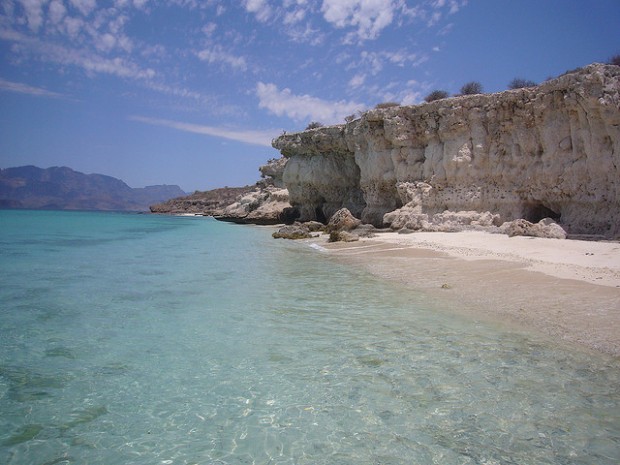
Elevated
Loreto sits on the coast of the Sea of Cortez adjacent to the great Sierra de la Giganta and is made up of 5 islands: Coronado, Del Carmen, Danzante, Monserrat, and Santa Catalina. Its beautiful beaches are juxtaposed alongside towering cliffs, striking rock formations, and lush vegetation.
One of the oldest settlements on the Baja California Peninsula, Loreto is a perfect fit for the expat who’s looking for a destination that is rich in culture and history. The first Mission was founded at this site and led to the establishment of the Church of Our Lady of Loreto, whose patron saint is celebrated with a joyful festival annually.
Loreto is a great place for sport fishing, with an abundance of mahi mahi, wahoo, and tuna. It also offers opportunities for diving and surfing, as well as whale watching during the winter months. The nooks and crannies along its coast are perfect places for kayaking, snorkeling, and exploring.
La Paz
Although an important port and political hub for the state of Baja California Sur, La Paz is a relatively small city that hasn’t changed much over the last century. It’s a great option for someone who’s looking for a laid-back lifestyle dotted with a hint of modern convenience.
It’s well-stocked with resort hotels, golf courses, and modern restaurants. Yet La Paz still boasts plenty of beaches that aren’t overcrowded and some that are almost isolated. Its historic city center has a beautiful square with paths made of Spanish tile, a pink quartz gazebo, and a cathedral that dates back to the 19th century.
The palms and laurel trees of La Paz stand like an oasis amid the surrounding desert. Its many tranquil bays are ideal for a leisurely swim. It also includes several offshore islands, as well as a deserted sandbar, that are ripe for exploration. The area is great for sport fishing, ecotourism, diving, and whale watching.
Los Cabos

Guillermo Flores
At the Southernmost tip of Baja California Sur lies Los Cabos. Technically two cities connected by a stretch of highway called the Corridor, it is the perfect spot for someone who’s looking for the best of both worlds. Many expatriates prefer it for its North American feel. It’s also one of the few destinations on the Sea of Cortez that claims both desert and mountain scenery.
San Jose del Cabo looks and feels like an authentic Mexican town, albeit an upscale one. Its quaint eateries are small and intimate and sit along cobblestone streets, adjacent to boutique hotels and the mission church. Twenty miles away sits Cabo San Lucas, with its high end bars, glistening shopping malls, and bustling marina.
The Corridor itself is its own destination, as it is home to most of the spas, resorts, and golf courses that have made Los Cabos such a popular tourist destination. Most of the region’s best beaches, including Medano beach, are also located along the Corridor, which is an ideal spot for enjoying various water sports.
Mazatlan

CGA Photo
If you’re the would-be expat couple who’s looking for a place you can enjoy long walks on the beach, try Mazatlan, where the beaches on both side of the city stretch for miles into the distance. It has a tropical climate, yet it enjoys less humidity than some of its counterparts, thanks to the dryer desert areas to the north.
While the area does attract a lot of tourists, most of them come for the newer resorts, bars, and restaurants of the Zona Dorada (or Golden Zone). Old Mazatlan remains relatively unaffected by the town’s popularity, with many of the hotels remaining as small, family-owned establishments. Its cafes, markets, and shady plazas don’t look even the slightest bit touristy.
Among Mazatlan’s claims to fame are its Carnaval celebration, one of the best in Mexico, as well as its fishing and shrimp fleets, which are the largest on the west coast. As a result the city also boasts a large variety of restaurants.
Puerto Vallarta

Van Hesselgesser
While many of the beaches in Mexico might be described as up-and-coming, Puerto Vallarta is one that has already arrived. Its world-class amenities, combined with its near-perfect weather, have immediately won the hearts of many expats who’ve decided to relocate after their very first visit to this Mexican hotspot. It’s popular among expats for the way it marries the beauty of a beach destination with the charm of a colonial city.
Puerto Vallarta is made up of the Romantic Zone, with its beautiful beaches and seaside bars, and the Hotel Zone, with its many restaurants and resorts. It also encompasses nearby areas such as Sayulita, which has some of Mexico’s most sought-after real estate. With first-world infrastructure and quality health care, Puerto Vallarta is perfect for someone who’s looking for a modern destination with a heavy North American influence.
Beyond the city’s beautiful beaches are its famed malecon, followed by a network of cobblestone streets etched into the jungles and foothills of the Sierra Madre Mountains. It sits at the same latitude as the Hawaiian islands and enjoys a tropical climate year-round.
Manzanillo
While it’s Mexico’s most vital seaport, Manzanillo is also a popular resort destination. Its opportunities for adventure include ecotourism, adventure sports, snorkeling, scuba diving, surfing, and some of the world’s best sport fishing. Nicknamed the “Sailfish Capital of the World,” Manzanillo is home to several international fishing tournaments.
In addition to its 40 miles of often unoccupied beaches, the city also has waterfalls, lakes and rivers, and an active volcano. While most of the beaches are composed of pebbles or golden sand, those to the south of the city are made up of black sand due to the presence of volcanic ash.
The city is made up of the hotel zone, which has many nice hotels and restaurants, and a newly renovated historic center. There in El Centro, you will find a plaza that overlooks the bay, surrounded by local shops and restaurants. The historic area also boasts a new malecon that was recently installed to make the city more attractive to tourists.
Ixtapa – Zihuatanejo

Erin & Ben R
Yet another great 2-in-1 destination is the area that includes the towns of Ixtapa and Zihuatanejo. Situated only 4 miles apart, the two couldn’t be more different. Ixtapa is made up of all-inclusive luxury resorts and high-rise hotels. All sorts of outdoor and aquatic adventures are offered, including a water park.
Zihuatanejo, on the other hand, has a laid-back atmosphere with its art galleries, boutique hotels, and small-scale restaurants. Its protected bays are perfect for snorkeling and exploring. Its beaches include rocky cliffs, in addition to the sand. Just off the coast, Los Morros de Potosi offers fantastic opportunities for diving among its granite protrusions and underwater caves.
With their luxury spas, endless adventures, and historic charm, Ixtapa and Zihuatanejo are a great option for someone who wants it all.
Acapulco
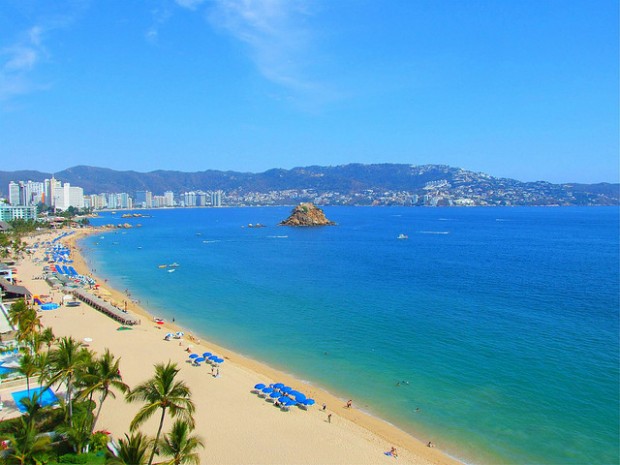
JSF306
Of all the beaches in Mexico, none are quite as lively as the metropolis of Acapulco. The area has been attracting visitors since the 1950s, and today is home to around 1 million residents. Although it’s a top resort destination, the city has more of an urban feel.
However, that’s not to downplay Acapulco’s natural beauty. Its two bays, Santa Lucia and Puerto Marques, are breathtaking–surrounded by cliffs, golden sandy beaches, and lush vegetations. They’re also bordered by the Sierra Madre del Sur mountains to the east.
In terms of activities, Acapulco has something for everyone. Party-goers love the round-the-clock excitement. Families enjoy the parks, laid-back beaches, and water sports park. Those seeking a more active lifestyle enjoy golfing, ecotours, and a variety of water sports. The area also has a wide assortment of restaurants, markets, and shopping malls.
Huatulco
One of the most relaxed and well-preserved beaches in Mexico is Huatulco. Spanning 20 miles of the coast, it includes 36 beaches that are distributed among nine bays, some of which can only be reached by boat. A 3-hour tour on a covered boat is a great way to see the area in its entirety.
The Mexican government carefully planned the development of Huatulco, which includes the Bahias de Huatulco National Park, a protected reserve. The area boasts luxury hotels, nightclubs, restaurants, and an urban city center. However, its real attraction is its natural beauty.
Huatulco has been awarded the Green Globe certification for its commitment to environmental protection. Its bays offer hidden beaches, a variety of flora and fauna, ancient archaeological sites, and opportunities to observe native cultures. It is also rich with ancient stories of pirates and early European explorers.
Puerto Angel

Adam Jones
The city of Puerto Angel offers some of the best variety of all the beaches in Mexico. Whether you’re looking for a great spot for surfing or a place where you can get back to nature–literally–Puerto Angel likely has what you’re looking for.
The area is composed of several beaches that offer a variety of activities. The Ventanilla Lagoon is a great spot for bird-watching. Those wanting to take a dip in the crystal clear waters can do so at Panteon Beach or the Paraiso spring. Several other neighboring beaches, like La Tijera, offer opportunities for scuba diving and snorkeling.
One of Puerto Angel’s most popular beaches, Zipolite, attracts surfers but is somewhat dangerous for swimmers. Also among its attractions is the opportunity to feel the ocean breeze on your body, as it is one of Mexico’s most famous nudist beaches.
Puerto Escondido
Like nearby Puerto Angel, Puerto Escondido is another one of the beaches in Mexico that has a great assortment of things to do. It sits on an attractive bay that’s adorned with some impressive large rock formations. Its beaches themselves are varied to suit anyone’s tastes, from the casual atmosphere of Bacocho Beach to Playa Principal–which is a great beach for families–to Zicatela, which has world-class surfing and a sophisticated, happening vibe.
Indeed, Puerto Escondido is regarded by some as being one of the world’s best spots for surfing. It’s also a place where those who wish can party ’til the break of dawn. In addition to its surfing and nightlife, the area also offers opportunities for exploring its mangrove forests, which are home to pelicans, spoonbills, hawks, and a variety of other birds.
Also worth mentioning in Puerto Escondido is its authentic culture. Several indigenous groups live nearby, including the Mazunte who offer visitors ecotours by rowboat or on horseback.
Beaches in Mexico – Gulf Coast
Veracruz

Ben Tatic
During its biggest party season, hotel rooms can be difficult to come by. However, during the rest of the year, Veracruz is not one of the most popular beaches in Mexico. While it does have a few sand beaches, particularly north of the city, both the beaches and the water tend to be a bit on the dirty side.
While not for the beach lover, Veracruz offers much in the way of historic architecture. It is home to two historic fortresses, some museums, and an assortment of other historic buildings on the malecon.
Nautla
Amidst the Mexican tropics sits one city that is decidedly unlike the rest. Nautla, along with some of its neighboring towns, is among the few Mexican cities of French origin. Now home to bars, peaceful beaches, and estuaries, traces of French culture can still be seen.
The architecture is French-inspired, and many restaurants serve old family recipes with French flavors. The theme is echoed in nearby towns like Santa Ana and San Rafael, where a mural painted on the wall inside City Hall details the town’s heritage.
The area boasts beautiful scenery, including banana plantations, lush tropical vegetation, and citrus groves. It’s a great place for the would-be expat who wants something that is truly extraordinary and different from any other destination.
Progreso

May LM
Also dotting the shore are many thatched-roof restaurants, serving up some of the Yucatan’s regional cuisine. However, one of the most notable fixtures in Progreso’s landscape is its pier, which extends a whopping four miles out into the Gulf of Mexico.
Progreso is a great place for sunning and swimming. It’s also very close to some important landmarks. The Mayan ruins at Uxmal and Chichen Itza are a short bus ride away. Also offered are excursions to neighboring villages to see flamingos and explore various archaeological sites.
Campeche
The city of Campeche is perfect for the expat who wants a beach community that isn’t an overcrowded resort town. Although it certainly has a more authentic and undiscovered feel, Campeche still has its share of attractions.
The port itself was declared a UNESCO World Heritage site for its Baroque Spanish architecture, naval history, and its timeless beauty. This title prompted the city to undergo a major restoration that included over 1,600 buildings and the malecon.
In addition to its historic buildings, Campeche is also home to several large Mayan ceremonial centers, as well as jungle reserves. The area is sparsely populated, and the local “campechanos” are a friendly and helpful people.
Beaches in Mexico – Caribbean Coast
Cancun

Andrew Hitchcock
Its amenities and infrastructure rival those of any city in the world, with top name hotel brands, golf courses, and much more to entertain the 3.3 million who visit each year. However, even with its modern conveniences, Cancun still has much to offer those seeking a more laid-back or culturally rich experience. Part of the ancient Mayan civilization, Cancun is considered the gateway to the Mayan World.
Activities offered to those visiting Cancun include diving, snorkeling, and sport fishing. Travelers can also tour the jungles and see all manner of flora and fauna, such as flamboyances and iguanas.
Isla Mujeres
Isla Mujeres is an ideal destination for those who want to make a living off of diving or fishing. A tiny island that sits less than 4 miles off the coast of coast of Cancun, Isla Mujeres bears very little resemblance to its glitzy resort neighbor.
Its shores have some of the best conditions of any of the beaches in Mexico. Its reefs and caves, combined with its crystal clear water, make it a perfect spot for snorkeling or scuba diving, or their hybrid friend “snuba.” While some can be crowded, due to excursions from nearby Cancun, there are plenty of lesser-known options for avoiding the crowds.
The quaint downtown area has shops, restaurants, and a few bars. A trip around the island, on its only road, will take you to a number of beautiful beaches and mangrove lagoons. The entire eastern shore of the island is mostly uninhabited, and its coast is rocky and rugged. The southern tip of the island houses a lighthouse and a small Mayan temple.
Playa del Carmen

Zanzibar
The atmosphere of Playa del Carmen is laid-back and bohemian, yet sophisticated, making it popular among expats for its artistic, multi-ethnic appeal. It’s an ideal place to enjoy a relaxed lifestyle in an established community amidst beautiful turquoise waters and white sand beaches.
Activities offered include tennis, golf, sport fishing, kayaking, diving, and snorkeling. The nearby archaeological sites of Coba, Tulum, and Chichen Itza also provide opportunities to learn about the ancient Mayans who once lived in the region.
Cozumel

Steve Philp
Ecological parks like Faro Celerain and Chankanaab are the most popular places for all levels of snorkeling and diving. The 30-mile by 10-mile island is only 6% developed, so it’s loaded with jungles, gardens, and tons of deserted beaches. Even in a location so close to the Riviera Maya mainland, it’s entirely possible to find isolation.
The island’s only city, San Miguel, has a wide array of restaurants, shops, and boutiques along a quaint malecon. Other options for the nature lover include dolphin encounters and sea turtle sanctuaries.
Beaches in Mexico – Undiscovered Retreats
If even the most authentic of the above list of beaches still sounds too touristy for you, here are a few of the lesser-known beaches in Mexico.
-
Isla Holbox – This island off the northern tip of the Yucatan Peninsula is only 100 miles from Cancun. However, it feels much more isolated. It’s a great place to unwind or swim with whale sharks, the world’s largest fish.
-
Rincon de Guayabitos – Just north of Puerto Vallarta, this area is just beginning to be discovered. It’s a laid-back beach town that’s never crowded, making it great for families with young children.
-
Mulege – Located on the Sea of Cortes, just north of the Bahia Concepcion (Baja California’s largest bay), this sleepy town has beautiful beaches but few of the amenities that attract tourists. Its calm waters are perfect for swimming, snorkeling, or kayaking.
-
Xcalak – This village, near the border of Belize, lies within the Xcalak National Reef Park in the Great Maya Reef. Check it out if you want to experience diving, snorkeling, or fishing without dealing with a lot of tourists.
-
San Agustinillo – This small fishing village on Mexico’s Pacific coast is situated between the more popular destinations of Zipolite and Mazunte. It has the same golden sand and turquoise water, but slightly calmer waves.
If one of these destinations sounds right for you, learn more about the benefits of relocating to Mexico.