


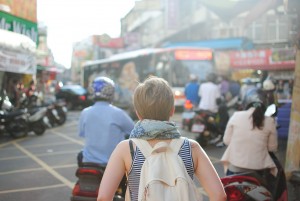
When it comes to travel and exploration, they say that getting there is half the fun. And for expats in the Latin tropics who are just learning how to discover and explore their new surroundings, that statement can be entirely true.
However, for those who have unrealistic expectations about how to get around in Latin America, getting there–anywhere!– can also be a nightmare.
So, if you’re a potential expat who’s planning a trip down to scout out possible cities to call home, or even if you’ve already made the move and just want some pointers for navigating the region more efficiently, this guide will give you all the ins and outs on Latin American transportation.
photo by StelaDi via pixabay
Getting There
The first step for travel to Latin America involves the international flight from the U.S. The region is serviced by most all of the major airlines (i.e. Delta, United, American Airlines, etc.) via places like Miami, Houston, New York, and several others.
In terms of destination cities, there’s at least one international airport in each country we cover. Most have 3 or 4, like Panama and Nicaragua respectively. Mexico has literally hundreds.
In general, the airports are located in or near the bigger cities and more popular tourist locales. So, hopefully once you’re on the ground you won’t have too far to go to reach your final destination. If that’s not the case, or if you’re already here and just wanting more information on travel throughout the region, read on.
Getting Around Once You Get There
Once you’re on the ground in the Latin tropics, there are a whole bunch of options for how to get from one place to another. Some are safer and/or more economical than others. A few might be best reserved for the more adventurous, but may provide one heck of an unforgettable travel experience. Here’s the scoop on all of them.
Flights
Having a number of international airports throughout the region makes flying from one destination to another a viable option. Say for instance you live in San Jose, Costa Rica, and wanted to spend a long weekend in Bocas del Toro, Panama. Flying might be your best option, as there’s an international airport on Isla Colon.
There are several regional airlines that service the area, mostly notably El Salvador-based TACA. Prices vary, but flights are generally quite reasonable when you consider the huge convenience they represent.
You can book online and expect pretty professional and reliable service. You can also expect generally one [often unpaved] runway. And there may or may not be animals grazing next to it.
Buses
Latin America is awfully compact so, while flights are a great alternative, ground travel is in many cases the better option. And buses are often a popular choice for expats on the move. While you can’t make reservations online, you can search for nearby terminals and at least plan your route out before you go.
Because buses must often deal with rough terrain, and often even rougher road conditions (more to come on that), travel times can be long. But the cost savings may be worth it. For example you can take an 8 hour bus ride from Panama City to David for $15 vs. an $85 one-way plane ticket between those same cities.
Buses also offer the added benefit of allowing you to take in the countryside plus some local flavor in the form of your fellow passengers. For example, in Guatemala, you can catch a ride on a “chicken bus.” These converted school buses shuttle people and, at times, chickens from place to place.
If poultry isn’t your idea of an ideal seatmate, there are also first-class Greyhound buses for only slightly more moula. It’s also worth noting that when traveling from one country to another by bus, you’ll likely need to change buses at the border and board one operated by the country you’re entering.
photo by rock_rock via pixabay
Rental Cars
The same problem of crossing borders applies to rental cars, as most agencies won’t let you take your rented auto across international borders. So keep that in mind if you want to travel by car and don’t own one yourself.
If you’re only traveling within one country, then they’re a great option. Budget Rent A Car operates in Latin America and is usually based out of the airports. You can book online and often save money (and make sure you get exactly what you want) by reserving a car in advance.
Much of Latin America is well connected with reliable internet service. As a result, you can use sites like Google maps or apps like Waze to find your way around. In fact, Google maps will soon be available for use offline, making it even easier to get around in remote areas. Some countries, like Costa Rica, also offer their own map apps.
Printed maps are harder to find and not always the most accurate. Just be aware that some places, like Panama, now impose fines as high as $300 for drivers caught using an electronic device while operating a vehicle.
Taxis
Taxi cabs can be a great option for across-town travel, where you can get a lift for only a few bucks. But they can get pricy really quickly if you’re going much further than that.
So if you’re looking at an hour long ride from the airport to your destination, you might want to opt for a bus. Regardless of which you choose, though, make sure you discuss the price before you climb in. And keep in mind that everything’s negotiable.
Once inside the cab, pay attention to where you’re going. Have an idea of what your route should look like, and make sure your driver isn’t taking any unnecessary detours to jack up the price.
Your Own Two Feet
Many of the coastal towns and colonial cities you’ll visit in Latin America are very walkable and, as a result, many expats find they don’t need to own a car. Knowing that you won’t need a vehicle once you get where you’re going can give you added peace of mind when taking buses or vans to get from one place to the next.
Do use care when crossing the street, as the locals don’t always yield to pedestrians. Bikes are another great option and are common in places like the island of Caye Caulker, Belize, where golf carts are the only motorized vehicles allowed.
It’s also worth mentioning that hitchhiking in Latin America can be very dangerous and is not recommended. Travel is extremely reasonable throughout the area, so it’s difficult to justify taking such a risk. That being said, if you do it, use extreme caution.
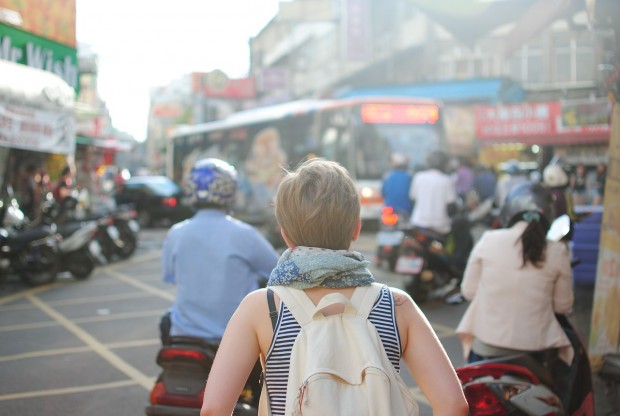
photo by Unsplash via pixabay
Getting There in One Piece
When traveling in developing countries, it’s important to remember that things are going to be a lot different than in a first world nation. Safety is key, and there are several issues you should be aware of when traveling throughout the Latin tropics.
Road Conditions
The conditions of the roads in Latin America can vary drastically from one city (or rural area) to the next. You can expect to deal with everything from potholes to landslides to dirt roads that turn into giant mudholes during the rainy season.
Potholes are a fact of life, and they rarely get filled. When they do it’s often by a local resident with a bag of sand who’s ticked off that he just busted a tire on the same stretch of road for the fourth time.
Fellow Drivers
Perhaps the biggest hazard to ground travel in the Latin tropics is the large number of maniacs with which you’ll have to share the road. People speed. They ignore stop signs. They weave in and out of traffic and pass on the wrong side of the road. While going around a curve.
They’re also often distracted, hence the need for the aforementioned law concerning electronic devices. There are a lot of accidents, often tragic, involving distracted driving.
Folks in Latin America are also often less than considerate about things like blocking you from getting out of a parking space and dinging your door when they park next to you in the tiny parking spaces that are often seen in the region.
They may also fail to keep their cars in good repair, so a lack of turn signals or working brake lights is a common sight. Not to worry, though. Their horns usually work, and they do not hesitate to put them to good use.
Crime
While the rate of violent crime is low throughout much of Latin America, it’s not zero. Not to mention, the incidence of petty theft is high. The best advice when traveling, particularly via public transportation, is to use common sense. Don’t travel with a lot of valuables or flash large quantities of cash.
Buses are unfortunately a common target for robbers, so try to avoid traveling at night or alone. Always use care when walking or driving a rental or your own auto. Stay out of poorly lit areas or places that look sketchy. Busy thoroughfares or more heavily touristed areas are best.
Get There As Soon As Possible
Now that you’re equipped with everything you need to know about getting around in Latin America, you no longer have an excuse to avoid visiting the area for the first time or branching out from your expat comfort zone and seeing all the fantastic things the region has to offer.
What are you waiting for? Start researching where you want to go. Or just throw a dart at a map. The tropics await you.
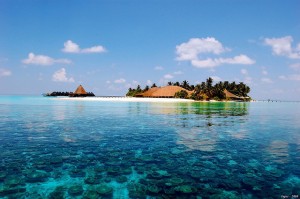
What’s your pick for the best place to live and invest in the Latin Tropics? And what makes that location stand head and shoulders above the rest, in your opinion?
Is it the breathtaking scenery? One could argue that’s a common denominator among a lot of places down here. What about the quality of life? Is there one place that complements your ideal lifestyle better than any other?
What about other factors? Things like cost of living, investment potential, and accessibility. Those characteristics may be important to one person, but have absolutely no bearing on another individual’s decision-making process.

Mohamed Iujaz Zuhair
We’re Listing the Top 50 Places to Live and Invest. And We Need Your Help.
So, what’s the magic formula for determining the best destination in the Latin Tropics? Or is there one? That’s what we’re trying to find out as we undertake a massive project to research, rank, and relay the Top 50 Places to Live and Invest in the Latin Tropics.
Here at VivaTropical we’re asked all the time, by would-be expats and investors, where they can find their perfect paradise in Latin America. But even among those who inquire about moving down, their priorities are often all over the board.
Some want to know where they can score a rock bottom deal on tropical real estate. Others want to find property for sale in a place that already has all of the amenities they’ve grown so accustomed to in North America.
Still more want our opinion on up-and-coming tropical destinations where they could find success starting an expat business or developing rental property. Nobody seems to be looking for the same thing.
You Know What They Say About Opinions…
Not only do our real estate inquiries run the gamut from one extreme to another, so do people’s reactions to the things we have to say about the various cities in the countries we cover.
For every article we’ve written citing the amazing atmosphere and surfing conditions in this or that beach town, there are readers who comment about a terrible experience they had there or about how miserably hot it was.
The same is true for other types of destination. A place we think is a great up-and-coming real estate opportunity may be deemed by some as being in the middle of nowhere. And the vibrant cities we describe may remind some expats of the very same exhausting hustle and bustle that prompted them to leave their North American home.
And the thing is…they’re all exactly right!

Nick H.
The Truth About the Best Place to Live in the Latin Tropics
So with so many diverse needs and opinions among would-be expats and investors, how is it possible to say which tropical destination carries the most promise and potential?
We’ll answer that in two parts.
First of all, there is absolutely no perfect place on earth that is right for everyone. It just isn’t realistic. One man’s paradise might be another’s idea of hell on earth. And just because people are flocking to a certain popular destination in droves, that doesn’t mean the priorities of one specific couple or family will necessarily align with the rest of that community.
In short, the decision of where to live, relocate your family, or do business in the Latin Tropics is incredibly subjective. Don’t believe anyone who tells you differently.
The second part of our answer to this question is that, while no place is going to be right for EVERYONE, there are a number of places that will naturally appeal to a LARGE MAJORITY of like-minded folks. Those are the places we want to include on our list.

CW Goodroe
You Probably Have an Opinion of Your Own
And, with that in mind, we’d like your help. Maybe you’re a fellow expat who considered multiple destinations in Latin America before settling on your perfect piece of real estate. Or perhaps you’ve traveled extensively in the region and already have your heart set on the place you’d like to retire when the time comes.
Better yet, maybe you’re someone who had to try out several tropical countries or cities before you finally found the one that was right for you. Whatever your situation, we could think of no better way to kick off our research on the Top 50 Places to Live and Invest in the Latin Tropics than to ask you, our readers.
Now It’s Your Turn
Sure we have some criteria of our own in mind, on which we’ll be relying heavily as we compile our list. (And we can assure you it won’t be based on a single characteristic alone, but rather a collective consideration of many factors such as quality of life, investment potential, infrastructure, and more.)
But we still want to hear from you.
Which place(s) do you think deserve a place on our list and why? We welcome your input as we begin to explore the cities of the Latin Tropics from Mexico all the way to Ecuador. So please take a minute and answer our 5 question survey below. And be sure to check back soon to see if your favorite city made our list! Create your own user feedback survey

Podcast – Exploring the Last Frontier (the Ocean) with 11-Time Freedive Record Holder Hanli Prinsloo

Peter Marshall
Hanli Prinsloo is a Freediver and Ocean Conservationist who has had many incredible adventures, one breath at a time. Freediving is the practice of diving below the surface of the ocean on a single breath. Professionals can go hundreds of feet down in competitions, but freedivers also get to see things surface dwellers never even dream of experiencing. Like looking into the eye of a 60 foot sperm whale, sharks, or reaching a calm, deeply meditative place.
On this episode Josh and Hanli discuss how yoga and free diving have a lot in common, what it is like to swim with the giant animals of the sea, and why this sport could be the best hope for bringing awareness to the life in the oceans.
Hanli also takes us through a 200 foot dive and what it feels like and how you prepare to do it. Listen and hear a great example of someone following their lifelong dream and living in a way many have never considered.
Listen to the show
You can listen to the show using the player above or grab it and listen on the go via one of the following options:
- Click here to download the mp3
- Click here to subscribe via iTunes
- Click here for the RSS feed (non iTunes)
- Click here for the show archive
React to the Show
We appreciate your reaction to episodes of Viva Tropical Radio and feedback about how we’re doing. Send us your thoughts any time in an email or comment below.
Show Notes
Learn more about Hanli here.


One of the most important parts of expat banking and finances is being able to access your funds, whether in local currency or U.S. dollars, easily and inexpensively. Being able to navigate the local banking system, using the ATMs, and understanding fees and potential issues that may arise while using debit and/or credit cards can reduce stress and save money and time.
Learning the ins and outs of the banking system in your chosen tropical location is as important as discovering other nuances of expat living. Making a checklist that includes information about local banks is a great way to prepare for some of the challenges that may lie ahead.

B Rosen
Understanding the Differences in Expat Banking and Finances
For recent expats (and even those who have been living abroad for a while) dealing with foreign banking systems and how they interact with U.S. banks can still present a variety of challenges. Below are some key points to keep in mind:
Different Banks Have Different Rules
Unlike the U.S., banks throughout Latin America often have different requirements, even within the same country, for foreigners seeking to use their services. Some institutions will only do transactions in local currency; others may not have online bill paying capabilities for such things as utilities, etc. Even business hours may vary; the traditional “banker’s hours” certainly are different in paradise.
Opening a Bank Account Abroad May Not Be So Easy
With the recent passage of the Foreign Account Tax Compliance Act (FATCA), many banks in Latin America are refusing to deal with U.S. passport holders. The reason? With the complicated reporting requirements to the IRS and potential penalties for not reporting, local banks have found it easier just to avoid the problem altogether by not doing business with expats.
Increased concerns involving illegal activities, as reflected in tighter AML (Anti Money Laundering) rules and, of course, the Patriot Act, have also impacted the ability of expats abroad to open local accounts. This is a trend that can be expected to continue to increase for the foreseeable future.
Even those banks that still will permit foreigners to open accounts often mandate massive initial deposits, proof of residency, and other requirements that many new expats, frankly, are unable to meet. As a result, new arrivals in paradise may have to rely on their banks back home as a source for their funds.

Think Panama
All ATMs Are Not Created Equal
As is the case in the U.S., the fees charged by the owners/operators of ATMs for withdrawing cash can vary greatly. In addition, many ATMs only use Spanish for their language option. For those who do not understand or speak the language, this could also result in confusion and create potential problems.
Not all ATMs will have the option of receiving your cash in either U.S. or local currency. Before completing a transaction, make certain that the cash that you will receive is in the currency you were expecting.
Beyond any local fees that local institutions may charge for using their machines (again, not dissimilar to the U.S.), there will be exchange rate fees and transaction fees from your home institution as well. Comparing the various rates banks charge for purchases and cash withdrawals can help you choose an option that can save you money in your new expat life.
ATM Versus Debit Cards
There are differences between ATMs and Debit cards that can impact their usefulness abroad. Generally speaking, Debit cards will have a VISA or MasterCard logo on them and can be used for purchases as well as cash withdrawals; ATM cards are more limited and primarily are used for accessing funds in checking or savings accounts. Inquiring with your institution to see if you can have both issued can be another tool to maximizing your account options.

Think Panama
Problems Involving Expat Banking and Finances (and How to Prevent Them)
There are few things more traumatic to expats building a new life in their chosen tropical paradise than to abruptly discover that they can’t get to their money. Below are some of the most common problems and ways of preventing (or limiting) their impact:
I Can’t Find an ATM That Will Accept My Card
If your home institution is part of the PLUS or Cirrus networks, finding an ATM that is part of those networks should be easy; over 135 countries participate in those programs. If you have trouble finding a local ATM that is a member, there are online directories that can provide the locations of compliant machines.
My PIN Number Doesn’t Work
Many foreign banks will only accept PIN numbers that are four digits long and numeric. If your PIN is longer than four digits, or has letters and/or symbols, consider changing it before you depart for your tropical destination. This simple precaution can prevent a lot of undue worry.
My Card Is Blocked
This scenario is becoming more frequent as international fraud has increased. Unfortunately, banks are not required to notify their customers that a block has been put on, the result being that the first time you may learn of this situation is when your transaction is declined. The best way to limit the impact of this problem is to have more than one option for accessing your cash; having two or more accounts (savings, checking, credit, etc.) will permit you to get to your funds from a different source until the blockage issue can be resolved.
A second preventative measure is to have a travel advisory placed on your account(s) before you go so that your bank/credit union doesn’t think that a fraud is being attempted. Additionally, keep your bank’s contact information readily available in case a question arises; many institutions have online access as well as phone services that are available 24/7/365.
My Card Was Lost or Stolen
Immediately contact the issuing bank and advise them of the situation. Find out from them what their best recommendations are for replacing your card and accessing your funds in the interim. If an Internet site is available, monitor all activity on your account and report anything suspicious.
Final Thoughts
Learning the best methods of getting to your money after arriving in your chosen expat destination may seem daunting but, in truth, it’s only another part of adapting to your new tropical lifestyle. Take the time to examine your banking options, both local and with your current financial institutions, as you prepare for your overseas adventure. Your efforts today can make your tomorrows far less stressful.

Your new expat life is going to involve a lot of adjustments, on many levels, during the first six months of living in paradise: social, mental and, yes, physical. Knowing some basic health tips can make living in your tropical retreat much less stressful.
Many Latin American countries have excellent health care options and insurance programs that equal those in the U.S. and are far less expensive. However, there are still many areas where modern medical access is not always immediately available. Learning common sense approaches on adapting to your new environment can make living healthy an easy and enjoyable task.

Nick Kenrick
Health Concerns in a Tropical Paradise
For all the benefits of living in an environment where life moves slower, nature is on full display, and the opportunities for rediscovery are nearly boundless, being aware of potential health problems is an important part of immersing in the new world you have chosen. There are a number of physical conditions you must look out for.
Skin Problems
Perhaps the most common medical issues faced by newly arrived expats to the tropics are those involving the skin.
- Insect Bites – Insects are everywhere, especially in more rural settings. Using a good insect repellent (one with DEET) is your best defense. Treating bites is easy; using anti-itch medications, such as Benadryl, can clear things up in a few days.
- Sunburn and Heat Rashes – Playing in the tropical sun for extended periods can have unintended consequences. Applying a sunblock/sunscreen can cut down on your risk of burning. If a heat rash develops, keeping the skin clean and dry, and staying cool. This should resolve the itchiness and redness. Fortunately, as you adapt to living in paradise, your skin will also develop a greater tolerance to this new environment.
- Other Eczemas – Other skin conditions may be the result of fungal or bacterial infections. Keeping your skin and clothing dry and clean can do wonders for reducing the risk of these occurring. If a problem arises (rash, itchiness, or dry, scaly patches), using topical anti-fungal medications is the best treatment. If things don’t seem to be getting better, a doctor should be consulted.
- Heat and Sun-Related Illnesses – Heat stroke and sun stroke are often not thought of until they appear in the form of light-headedness and disorientation. Remembering that you are living in a tropical climate and, depending on which country, much closer to the Equator is important. Allow yourself to adapt physically, as well as mentally; all things in moderation.
Stomach Disorders
A close second on the list of most common medical problems for new expats involve the stomach and digestive tract.
- Travelers’ Diarrhea – Eating new foods and drinking water from unknown sources is the principal cause of this all-too common condition. Making certain that food is properly cleaned and water is from a disinfected source (or bottled) are good preventative measures. If this does happen to you, make certain to stay hydrated and eat lightly; things should clear up in a few days.
- Giardiasis and Schistosomiasis – Less well known, these two ailments also impact the digestive tract, urinary tract, and kidneys. The presence of blood in the urine or stool, along with diarrhea and cramps, are primary symptoms. The best way to avoid them is to maintain good hygien,e as well as proper food and water preparation/sterilization.
- Cholera – Drinking contaminated water or eating raw/uncooked seafood (think ceviche) are the primary causes of this illness. Fortunately, modern antibiotics and rehydration can combat and ultimately defeat this disease.
Less Common, More Serious Conditions
While not as common, there are a number of serious conditions that expats should be aware of.
- Malaria, Yellow Fever, Dengue Fever – This group of illnesses, though less common, still exists throughout much of Latin America. Marked by high fevers, aches, and general weakness, these ailments are most commonly spread by mosquitoes. Using insect repellent and mosquito netting, when in more wooded or jungle areas, are ways to minimize the exposure risk. For some of these illnesses, vaccinations are available and should be considered before the move.
- Hepatitis A-E – These are blood based illnesses that affect the liver and usually involve some kind of transmission through exchange of bodily fluids; hepatitis A, however, can be contracted through contaminated food. There are vaccinations, but only for types A and B.

Robert Thomson
Health Tips to Consider Before You Go
While no one can truly prepare for the unexpected events in life, there are a number of things an expat can do before arriving in their Latin American home which can be beneficial in dealing with medical situations that may arise.
Stock Up on Prescription Medications
If you, or a family member, are taking regularly prescribed drugs, make certain that all of the prescriptions are filled – preferably for 90 days or more. You may want to speak to your medical provider on options for receiving renewals if you are out of the country.
You may also want to do some online research into what alternative or generic medicines may be available in your new location. Many countries sell prescription drugs over the counter without your needing to see a physician; while the names of the drugs may be unfamiliar, the actual formulas can be identical to those you may already be using.
See Your Doctor, Get Examined, Get Vaccinated
Getting your annual examination done before leaving the country is a great, common-sense step to identifying any potential health issues. Getting current on all vaccinations should also be high on that list; many Latin American countries have the potential for harmful diseases, particularly in more rural areas, which can be prevented through vaccination.
Does Your Insurance Cover You Outside the U.S.?
Most health insurance companies have limits on coverage outside the U.S. Additionally, finding providers in your new home who would accept foreign insurance can be extremely difficult. Looking into health insurance in your new country and speaking with your former carrier can give you insight on how to proceed.
Since out-of-pocket expenses for medical services is much less than in the States, (and possibly less than an insurance premium), considering just paying for care, when needed, might be the best budgetary option. Check on social media to see what others who have gone before have to say on this topic.
Stock Up on Your Over-The-Counter Supplies
Finding things like sinus and allergy pills, aspirin and other pain medications, antacids, or topical skin medications for insect bites and sunburn, can be difficult when you first settle in. Make sure that you bring plenty of these types of products with you to help you manage these situations until you learn where their local equivalents can be purchased.

Autentico Adventures
Covering Your Bases
Preparing for and adapting to the life-changing experience of becoming an expat can be much easier by using basic common sense. Here are some simple tips to help you adjust.
Remember Where You Are
There is going to be a period of adjustment to your new environment. Don’t expect your body to immediately become comfortable to newer foods and newer temperatures. Keep this simple truth in mind and allow yourself time to settle into expat life; slower is better.
Have a Fallback Plan
Although they probably won’t be needed, make certain that you have contact numbers for the U.S. consulate/embassy in the event that a serious medical situation develops. Consular officials can be helpful to arrange transportation back to the States in a worst case scenario.
Make a list of all medical conditions and medicines that you are taking and keep them with your passport. A list of emergency contacts (friends/family) should also be included. This information can be useful in emergency situations.
Fulfilling your Latin American dreams can be the most profound life choice you can make. Knowing that you can make this transition and keep healthy at the same time will only enhance the experience.

A major concern among potential expats and retirees is how safe it will be to live in their new country. It is a fact that there are areas in Latin America where crime and violence are prevalent, particularly in urban centers. The good news? There are still places where expats can find some of the safest countries in the world in the tropical paradise of their dreams.
The emerging countries in Latin America face a number of challenges as they continue to develop improved infrastructures and economies. Political instabilities and the growth of organized crime in some countries have also been major factors in personal safety concerns. At the same time, several countries in the region have made good improvements in public safety.

Steve Summers
How Safe Is Living in Latin America – The Numbers
A recent Gallup Law and Order Index poll showed that residents in Latin American and the Caribbean were least likely to feel their communities were secure. This survey was based on factors such as confidence in the local justice system, how safe respondents felt personally, and self-reported incidences of theft or other crimes.
Significantly, however, the index ranking (of world regions) actually improved 2 points from the previous 2009 survey. Other regions, while ranking higher, showed decreases during the same period; the U.S. and Canada, -1 point; south Asia, -6 points; Middle East and North Africa, -5 points. Even the number one region in the poll, Southeast Asia, dropped 2 points. Clearly, Latin America is moving in a positive direction.
The 2014 Global Peace Index also shows promise for the region. Of the 162 countries ranked, several popular expat destinations ranked quite high; Costa Rica came in at number 42, Panama, number 57, and Nicaragua, number 58.
What About the Cities?
It may come as a surprise, but many Central American cities are safer than those in other locations. No cities in Costa Rica, Nicaragua, Panama, Ecuador, or Belize even appear on the Mexican Citizens’ Council for Public Security and Criminal Justice, or CCSP-JP, which publishes an annual report of the 50 most violent cities in the world.
While Brazilian and Venezuelan cities make up the majority of those Latin American communities on the list, Mexico, by contrast, has seen a reduction in the number of cities on that list from 12 in 2011 down to 10 in 2014.
Even the U.S. has more cities on the list than most Latin American countries; [St Louis (19), Detroit (22), New Orleans (28) and Baltimore (40)]. This is just another indication that your tropical dream location may be among the safest countries in the world.

Mii Chiel
How to Find the Safest Countries in the World
Each country has areas that are less safe than others. As part of investigating where in paradise you want to live, there are some simple things that you can do to help select the most comfortable place to begin the next phase of your life.
Online Information Is a Great Place to Begin
Because of the increasing interest by expats, retirees, and investors in Latin America, there is a wealth of information about each country that can be readily accessed by the proverbial “click of a mouse.”
In order to avoid information overload (which can easily happen), make a short list of the desirable characteristics for your tropical paradise as well as a list of concerns that you may have. When you start your research, using your lists can help focus your efforts to truly gain an understanding of the countries and communities that interest you.
Many expats post blogs, make entries on social media applications such as Instagram and Facebook (to name two), or join online groups to share their experiences living abroad. Become part of these groups, read the entries, and, above all, ask questions about the prospective destination. Learning from those who have already made the journey is, perhaps, the best way of discovering any potential issues that may not be openly advertised on sales or market-driven sites.
There Is No Substitute for Visiting First
While doing research and connecting with other expats is certainly an important part of finding a location that you can enjoy and feel safe in, there is no substitute for actually visiting yourself. If possible, make more than one trip; being able to experience life in your preferred area at different times can help fill in some of the “knowledge gaps” that remote research just can’t complete.
Talk to the Locals
Getting to know the ins and outs of your new community is one of the best ways of staying safe not only in Latin America, but anywhere in the world. Talk to the locals that live there, preferably expats who speak your language. There is no better source to learn where the problems are and how to look out for them than residents who live with them day to day.
Can Latin America Be a Safe Haven for Expats?
Ultimately, the big question for many expats is: Will my new home in paradise be safe? The answer would have to be a qualified “Yes.”
There are legitimate concerns about public safety in a number of Central and South American countries and communities. At the same time, there are also many desirable destinations whose crime rates are less than many American cities and towns.
The continued efforts by many Latin American governments to encourage foreign investment and ownership of property will, in the long term, continue to increase the level of public safety in their nations. Additionally, as expat communities grow and flourish, the amounts of information available to potential new arrivals will only increase and provide a more concise picture of how safe life can be.
Deciding to become a tropical resident involves a certain amount of faith in the outcome. Putting in the time, in terms of gaining knowledge and visiting places that intrigue you, is one of the best ways of ensuring that the safe haven you seek is where you desire.
There is no time like the present to begin the quest. Let your journey of discovery begin today.


Bernal Saborio
It’s no accident that Panama City, Panama, has become a top expat destination for people from all over the world. Just look at what the city has to offer:
- balmy climate
- clean drinking water
- stable government
- first world amenities
- reasonable cost of living
- high quality medical care
- rich cultural experiences
- quick access to rainforest, beaches, and mountains
Panama City is close enough to the U.S. to make travel into its Tocumen Airport a quick jaunt from Miami, and yet it’s also an easy gateway to further travel in Central and South America. If you want glamorous, big city life, you can have it there, but you can also connect with local people from indigenous cultures who can show you a simpler manner of living.
Either way, you’ll have the best of both worlds in Panama City. Here’s our expat guide to Panama City to help you make the jump into one of the best places on earth to reboot your life.

Tannaz
Daily Life: What to Expect
Panama City has the highest per capita income in Central America. With high speed Internet, modern global banking, and currency in the U.S. dollar, you might think for a minute that you’re in a big U.S. metropolis.
But unemployment is higher in Panama City than in the States, so rather than counting on finding employment there, it’s best to have your income lined up before you go, whether that’s working remotely or starting a business there. Panama offers numerous perks for business investors in the tourism industry, including fewer duty restrictions and income and real estate tax exemptions.
Life is a little slower in Panama, so plan on things taking longer than you’d expect in the U.S., such as completing household repairs, ordering utilities, or filing government papers. That’s an aspect of Latin culture that’s pervasive in Central and South America. The upside is that life is savored in Panama, and you can count on people taking the time to enjoy food, company, and entertainment.
Be aware, though, that no one arrives on time for social events, so don’t fret if you’re waiting for friends at a restaurant or they’re not at your door on the stroke of the hour. Like in most Latin countries, it’s nice to bring your hosts a little gift if you’re invited to their home – something like wine or candy is always appreciated.
And if you learn at least a little Spanish, it will make life infinitely easier for you in both business and social settings and will go a long way in dispelling stereotypes about arrogant foreigners.

Geoff Gallice
Residency and Cost of Living
While it’s a tad more expensive than the countryside, Panama City affords expats a very reasonable cost of living. Although utilities fluctuate with the price of fuel, you won’t have any need for heat, nor will you want to use air conditioning very often (most places don’t have it).
Panama City has a warm, moist climate much of the year, with a dryer period from January to April, and the ocean breezes keep it pleasant most of the time. Many expats get by with just Internet and a mobile phone, so you can kiss your land line and fax machine goodbye.
A couple can get by on about $1,500-2,000 per month, with about half the monthly budget going towards rent. While you may be spending close to what you pay in the States for a house or apartment, you’ll get far more in terms of square footage, charm, building amenities, and gorgeous views. Of course, you can always purchase property there too. Buying a home in Panama, with the help of a local attorney, is fairly straightforward and free of restrictions.
One of the hallmarks of Panama City is its top-notch health care. At the most expensive hospitals, such as the Johns Hopkins-affiliated Punta Pacifica, you can expect to pay about half the U.S. cost of medical treatment. And many other excellent clinics provide service for considerably less.
There are many visa categories for foreigners who want to live in Panama, but if you can take advantage of the pensionado visa, you’ll definitely want to do so. Offered to those in good health with no criminal records and a minimum income of $1,000 per month, the pensionado allows you to import a car to Panama every two years, import your household goods with no duty, and pay discounted prices at movies, restaurants, hotels, and public transportation.

Tony Mendez
The Expat Guide to Panama City Residential Neighborhoods
Panama City is a city of neighborhoods, and they are all quite different. While you should stay away from El Chorrillo, Santa Ana, and Chinatown due to safety issues, there are a number of residential areas that many expats find quite pleasing.
Balboa, Cerro Ancon, and Albrook are all neighborhoods in the former canal zone, including a one-time U.S. Air Force base that is now used as a domestic airport. The view from the top of Cerro Ancon is stunning, with 360-degree vistas of the city and the canal.
Bella Vista, Area Bancaria (the financial district), and El Cangrejo form a compact spot that could be considered one upscale neighborhood. One of the few areas in Panama City that is easy to negotiate on foot, this locale makes it easy to walk to its plethora of shops and cafes. If you’re not putting up visitors in your home, they’ll love the lodging choices in El Cangrejo.
If it’s high-rise glamor you want, you’ll find it in Marbella, Punta Paitilla, and Punta Pacifica. There, steel and glass towers are interspersed with modern shopping malls, and the coastline location provides beautiful views.
Rodrigo Gambassi
Fun Activities Around the City
Casco Viejo is another popular neighborhood that mixes residences in classic centuries-old architecture with lively entertainment and tourist appeal. It is currently undergoing a major gentrification and is another neighborhood best experienced on foot. Some other popular attractions include:
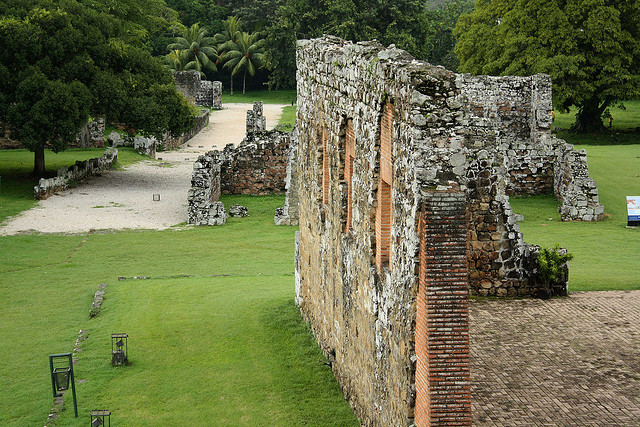
- Panama Viejo – ruins of the old Panama City
- Amador Causeway – a malecon connecting four islands near the Pacific side of the canal filled with restaurants and tourist spots reminiscent of Miami
- Parque Natural Metropolitano – a fabulous nature park only ten minutes from downtown
- The Panama Canal – not just for tourists
- Mercado de Mariscos and Mercado Publico – the seafood and adjoining farmers markets
If sports are your thing, there is world-class baseball and horse racing in Panama City too, as well as bike rentals on the Causeway. Dance clubs, bars, and pubs abound, from the most casual to velvet rope glitzy. Shoppers can always find something to please at any of the city’s galleries and mega malls or the smaller centers for handicrafts. Avenida Central is full of colorful bargains with real local flavor.

gil2594
Getting Around Panama City
Driving in Panama City is a lot like driving in the U.S. as far as rules and regulations go, but the traffic is considerably more congested. If you must drive, be aggressive but watchful and ready to stop on a dime.
Watch out for pedestrians – there are a lot of jaywalkers in Panama City – and never leave valuables in your car. There are street or parking lot spots with guards who will watch over your car for a small fee. Keep your doors locked and always carry a map with you, not that it will necessarily do much good on many of the unnamed streets in the tangle of downtown.
Taxis are a better way to go, and they’re very inexpensive in Panama City. For about $2, you can get around downtown, and $5 will get you out to the Causeway. Even cabs can have a difficult time with the lack of formal addresses, so try to give them as much information as you can about your destination. Be sure to confirm your price ahead of time, and don’t be surprised if you pick up another passenger during peak rush hours or rainy days.
Living in Panama City can be fantastic for expats who want the modern comforts of the first world with the cultural experience and lower cost of Latin America. Panama City has an active and well-connected expat community that can advise you on common questions and help you assimilate smoothly into the local culture.
For more information about living in Panama, be sure to check out our other posts and feel free to ask questions–that’s what we’re here for! We love living in the Latin tropics, and we want you to also!
Map of Panama
Panama Fast Facts
- Population: 3.8 million
- Typical temperature: Temperature typically varies from 72°F to 91°F
- Nearest airport with U.S. flights: U.S. bound flights leave daily from Tocumen International Airport
- Nearest U.S. consulate: Panama City

“I’m moving abroad and becoming an expat!” Those seven words can have a profound impact on more than just you. For family and friends, the announcement that you are stepping away from the “normal” life can be both confounding and upsetting.
Dealing with the family-friends conundrum may not have been something you anticipated when you made the choice to move to the tropics, but it is something that has to be resolved. Identifying the reasons that those closest to you might object or not understand your choice can also help you to work together so that paradise doesn’t become an emotional purgatory. This is an important part of preparing for your new life in paradise.

Luke Addison
Why Family and Friends May Object to Your Decision
There are a number of factors that could cause surprise and negative reactions to your announcement. Depending on your relationship, these responses can range from surprise, to disapproval and, in some cases support. Below are some of the root causes that may be impacting those closest to you.
They Didn’t See That One Coming
Perhaps the major reason for those closest to you reacting with disbelief to your announcement is the simple fact that they weren’t expecting it. For many people, living in a foreign country is an almost inconceivable concept; to discover that a relative or close friend has decided to do exactly that can be incomprehensible.
Although you may have discussed becoming an expat in casual terms, many people chalk up such talk as wishful thinking. Even if you’ve shared some of your planning with them, friends, co-workers, and family may still have not taken you seriously. Only when the actual steps to moving are underway, does it seem real.
Separation Anxiety
For many family members, particularly older relatives, the thought that you are no longer just a short distance away can be both frightening and frustrating. The immediate reaction is often one of anger and accusation: Why are you leaving us? What’s wrong with you? Don’t you know how dangerous it is? Etc.
Keep in mind that the expat choice is a relatively new phenomenon. Retirees in previous years rarely, if at all, considered moving out of the country; in point of fact, it’s only been in the last twenty or so years that expats have discovered the potential that Latin American countries offer in terms of investment and lifestyle.
Being out of touch, or missing out on family events (birthdays, holidays, etc) is also a fear that many relatives have concerning your decision to become an expat. This is as much a matter of perception as anything else; constant improvements in internet, cable and cellular services certainly make it easy to keep in touch although the idea of relying on these technologies can be a whole other issue in and of itself.
That Green-Eyed Monster
Another reason, although one that family/friends may not even be consciously aware of, is envy. The fact that you have a dream that you have decided to turn into a reality can make even those closest to you jealous that you are doing something that, perhaps, they have only dreamed of.
This is easy to recognize by the constant pointing out of all the potential problems that an expat might encounter. These can range from: a foreign language, not enough money to live on, strange food, no modern conveniences, etc. Those who do recognize that they might harbor some jealousy may temper their “doomsaying” by acknowledging that they wish they could do the same thing.

Alec Couros
How to Make It Right with Friends and Family
Once the initial shock has passed, you will have a number of opportunities to help your loved ones accept and, hopefully, embrace your choice to be an expat. What follows are some suggestions to help calm the emotional waters
Be Prepared and Share Your Preparations
Fear of the unknown can drive the most visceral of emotional responses. By sharing with those close to you, your preparations, showing that you are taking steps to protect yourself and your family financially, and seeking feedback, you can defuse a lot of the anxiety friends and relatives may harbor about your well-being once you move.
Show Them That Paradise Isn’t So Far Away
With constant improvements in infrastructure and transportation in many Latin American countries, having your family and friends visit you in your new home is easier than ever. When they see that you aren’t lost in the middle of a tropical rainforest with no way to fly back to the States, the fear that you are no longer “connected” will greatly reduce.
Similarly, by having them share your expat lifestyle, if only for a short time, you are removing the “unknown” from the equation and, as such, reducing their anxiety. Of course, you may discover that they enjoy the tropical world you have found so much that they may not be eager to leave.
Don’t Be a Stranger
With all of the communications options available (social media, email, cellular systems, even computer based phone lines with local U.S. numbers), keeping in touch with everyone back in the States is a convenient way of ensuring that you are still a part of their world and, in turn, that they are a part of yours. Silence is one of the greatest causes of worry by those whose family or friends have moved overseas; by staying connected, that cause for concern is greatly reduced.

Anna Magal
Show Some Tough Love
Ultimately, the decision to become an expat was one that you made for a number of personal reasons. You may have to remind those nearest and dearest to you that this was your choice and that you hope that they can love and support your move to paradise.
For those moving outside the U.S. because they have retired, remember “this is not your father’s retirement.” Retiring today means something totally different than it meant in the mid-to-late 20th century. Understanding this difference can also help you explain to older family members that this is not an ending but, in fact, a new beginning.
Expat living is a life-changing event. Sharing it with family and friends and embracing them as part of this new adventure can enrich these moments for all involved. Start your dream today.

Becoming an expat, living abroad and immersing yourself in a new way of life can be an exciting proposition. However, there can be some unpleasant shocks to being new in a foreign country, namely unexpected or higher costs for things that you hadn’t expected or budgeted for.
These increased expenses for the unwary or uninformed expat can have not only financial but also a profound emotional impact. Understanding the development cycle and educating oneself on how the locals spend and shop, can reduce this cultural sticker shock and ease your transition into the tropical lifestyle you had dreamed of.

Jasperdo
What the New Person Tax Is
The new person tax can be thought of as having two parts. The first part consists of those expenses that are necessary to establishing yourself as an expat in your new country. The second part is those prices that expats pay for goods and services that are higher than the local population.
While neither part is a “tax” in the true sense of the word, the unwelcome and unexpected costs of your new lifestyle can feel just as burdensome as a levy from a taxing authority. Here are some examples that illustrate what a “new person tax” is:
Moving Your Personal Property to Your Tropical Escape
Perhaps one of the biggest shocks many expats receive is when they discover just how much it will cost to bring their furniture, clothes, electronics, etc. into their new country. Each country has different rules regarding the dollar amount that can be imported by foreigners without having to pay taxes, or customs duties.
This is particularly important if you are considering bringing a vehicle into the country; registration, insurance, and licensing fees all run up the dollar amount that having your own personal transportation could cost.
An even bigger surprise comes when trying to find companies that will ship to your destination and how much it will cost. Factor in the time it may take to actually receive your belongings (and the costs that you may incur if you need to buy essentials to use while waiting) and the cost may stagger those who weren’t expecting it.
Real Estate Can Mean Real Costs
While many countries have very favorable laws governing land ownership by foreigners, the expenses involved in a purchase can go well beyond the purchase price. Retaining an attorney, paying for title searches, having documents translated, registration at the correct authority, transfer taxes (if applicable), and, of course, commissions, should all be considered as related costs.
Trying to actually learn what the purchase price of a parcel of land or a home is can be another money trap. Latin American countries do not have an MLS system and, as a result, properties can be advertised by multiple agents, at different prices, at the same time. It is not uncommon to find the higher prices listed on “gringo friendly” websites than on those favored by local residents.
Paying for utilities can also have unexpected financial consequences. Utility companies in paradise will often charge for service calls even if it turns out that the service can’t be installed or repaired. Simply put, expecting the same type of relationships with providers of electricity, water, cable, and internet that you would find in the U.S. (and at the same prices) is just not realistic.
Shopping Can Be a Challenge
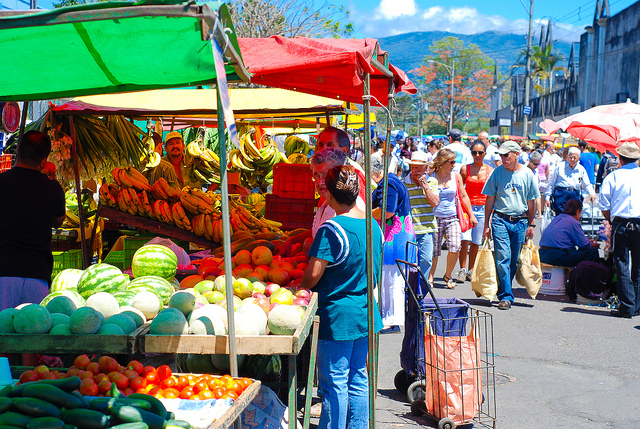
Even the simple tasks of food or clothes shopping may eat unexpected holes in the budget. North Americans are often perceived as having endlessly deep pockets, so it is not uncommon for expats to be charged higher prices than the locals pay; this is sometimes referred to as the “gringo price.” This is especially true in the smaller markets where no prices are posted.
Some of the larger stores do carry items that cater to the expat community who want to purchase the same kinds of things they would find in their home country. The trade-off: prices for those imported items are often double or even triple what they would cost in the States.
For example, a simple 8 oz. bag of potato chips that might only cost $0.99 in the U.S., can cost $3.79 in your tropical destination. Trying to live like a gringo, while trying to be an expat, can be an expensive proposition.
For larger bulk items, such as building materials, there could be an even greater element of surprise. Barter is not uncommon throughout Central America and, for locals, this can also be a medium of exchange (i.e., lumber in exchange for working on the land, etc.).
Unfortunately, this kind of arrangement is usually not discovered by expats and, as a result, having to pay for supplies can drive up construction costs. Also, once supplies are purchased, it is often up to the buyer to figure out how to get them to the desired location.
Everjean
How to Give Yourself a New Person Tax Break
The transition to expat status can seem almost overwhelming at times. However, there are some simple steps you can take to minimize the financial impact of being the “new person.”
Do Your Homework
There are many online resources that expats can use to learn about the real costs of moving to a desired destination. Make a list of questions that you would like answers to (remember, there are no stupid questions) and research the answers. The truth is out there, you can find it.
What Kind of Lifestyle Will You Have
It’s important to decide what kind of expat life you want to lead in your Latin American home. Are you planning on obtaining residency? Will you become a “permanent tourist” (travelling back and forth to the U.S. or elsewhere)? Rent, buy, or build? Each choice carries its own unique set of potential expenses; deciding how you are going to live makes it much easier to understand the potential budget concerns up front.
Connect with Others
With the number of expats growing by leaps and bounds, finding those who have successfully (or not) made the journey may be simply a matter of using one of the many social networking sites. Just reading about others’ experiences can provide valuable information that can translate into actual savings when you are in country.
Become a Part of Your Community
Perhaps the best way of avoiding the “gringo price” trap is to build relationships with the locals. Having friendly associations can provide you with help in finding the best places to shop, learning a new language (if you don’t speak Spanish), and generally providing a way to truly immerse yourself as part of the country, instead of being an outsider.
A Final Hint
There is always an element of the unknown in any new adventure. The old saying is true: You can’t guard against the arbitrary.
Becoming an expat may be one of the most profound experiences one can undertake in a lifetime. Embrace it, keep your expectations realistic, and remember that learning is growth. Visit those places that call to you and see if the time is right to take that first big leap of faith.
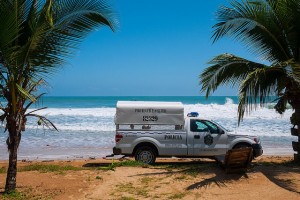
Traveling to, or living in, a foreign country can be an exciting and life-changing experience. However, theft can, and sometimes does, happen and that can turn that idyllic scenario into a nightmare. Learning some easy steps for keeping safe can save both time and money later on.
Understanding the reasons why theft is so commonplace, and how to guard against it, are important tools for anyone looking for a tropical escape to move to. By taking some simple precautions, you can protect your belongings and your peace of mind throughout Latin America and elsewhere.
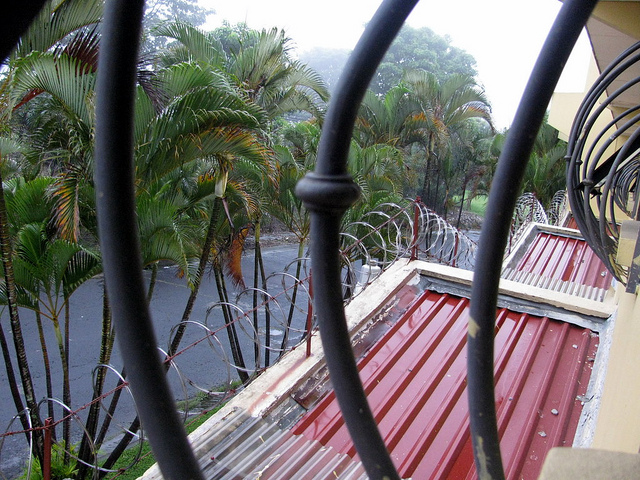
Alex Lane
Why Does Theft Happen to Expats?
First and foremost, the average income in most (if not all) Latin American countries is far less than the U.S., Canada, or Europe. This is not to say that these countries are poorer; a real argument can be made that for all that may be lacking in material or monetary measures, it is more than made up for in terms of a more relaxed and healthier lifestyle and outlook on life in general.
Nonetheless, when tourists, expats, and even seasoned investors visit these areas, they often become the focus of those individuals looking for expensive items (cameras, laptops, cell phones, etc.) that would not be otherwise obtainable. This is not much different than could be encountered in any tourist area in the world; just because the weather is tropical, and the pace is relaxed, doesn’t mean theft can’t or won’t happen.
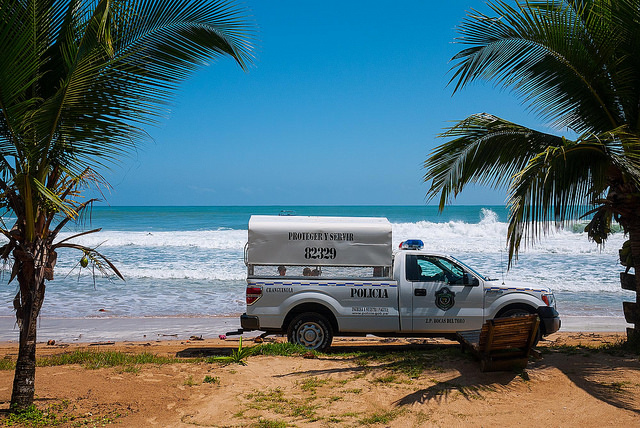
Magda Wojtyra
Enforcement Is Easier Said Than Done
A second major factor contributing to foreigners becoming the victims of theft is the simple fact that local police authorities are usually undermanned and often view property theft as a less serious matter. Even in those areas where there is an active police presence, such as beaches or resorts, the incidence of theft of personal belongings is still high.
Reporting a theft can be a challenge in and of itself. If you are not conversant in the local language, usually Spanish, trying to make a complaint can be a frustrating experience. Even calling 911 (or the local equivalent) may not generate a response for hours; again, this lack of a rapid response is not dissimilar to that in many U.S. cities.
Even if the police catch the thief, or thieves, the chance of getting your property back is slim to none. In many cases, when something is stolen, it is a crime of opportunity. If the thief can’t use it or sell it, the item(s) will be tossed by the side of the road or in the garbage. It also isn’t uncommon that these “banditos” are known to local authorities and could be let off with a stern warning not to do it again; suffice it to say, that’s a warning that falls on deaf ears.
Added together, these factors make it understandable why the potential for theft from tourists and expats is considerable. However, the existence of the problem does not make it an inevitable occurrence.
What Are Target Items?
Obviously, cash and credit cards are number one on thieves’ lists. Right behind those items are passports; there is a growing market for foreign passports, particularly U.S. and European, that has made these identification documents very desirable targets.
Electronics of all kinds, computers, laptops, tablets, digital cameras, cell phones, etc., have long been high on the list of items stolen. Even older models may be viewed as “new” in countries where the ability to buy such products is limited.
Finally, any other personal valuables such as jewelry, clothing, or even shoes can be targets. If it can be used or resold, it might be worth taking.
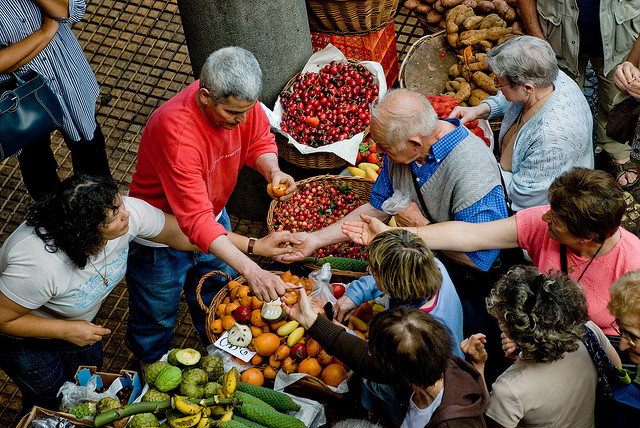
bartb_pt
Preventive Measures – Reduce Your Risk
There are a number of common-sense approaches to keeping safe throughout Central America. Some areas are safer than others, of course, and the same can also be said of most populated areas in the U.S. and Europe. But in a real sense, location does matter here – more than in other parts of the world.
Here are some tips to help you lower your “theft profile:”
Know Where You Are.
Learning what areas of the city, town, or village you’re staying in are the “rough” parts is often as easy as speaking to other expats, talking to local residents, or checking social media. Avoiding these locations or limiting the time you spend in them (if you have to/want to be there) is a major way to reduce your potential for being robbed.
Avoid Cash and Flash.
Leaving expensive items such as cameras, tablets, and cell phones out in the open is often an invitation to having them stolen. Too many times people will bring their electronics to areas such as the beach, leave them on their towels or beach chairs unattended and, upon returning from a swim in the ocean, discover that those items are gone. It may seem obvious not to do that kind of thing, but it does happen far more often than you might expect.
Similarly, flashing a large amount of money in places like clubs or bars is not a wise idea (in any location in the world). Just because you may not be paying attention doesn’t mean that others aren’t. A related matter would be leaving purses or wallets exposed without someone watching them; again, this happens far more than you might imagine.
Locks Are Good Things – Use Them.
For many expats, living in paradise means being more relaxed, not having to worry about security, and enjoying the tropical experience. This is certainly a romantic vision and one that, unfortunately, ignores some basic realities.
Always keep your car locked when you park it, especially in high tourist areas. Even with police being present, an unlocked car or truck is an open invitation. When there are crowds clamoring to see the sights, it is unrealistic to expect that security or police can (or will) watch everyone. On a related note, don’t leave valuables or luggage in your vehicle unattended; again, this is like putting a “welcome” sign to thieves looking for an easy score.
Even though it may feel wrong, use the locks on your residence. Expat residential areas are often scouted for those places where a simple, unlocked door can provide a gateway for the treasures within.
Keeping Safe Makes Life Easier
Being an expat, immersing yourself in new cultures, and enjoying the potential that life in the tropics holds can be the most rewarding experience one can have. Using common sense when it comes to you and your belongings can make your expat life easier and more enjoyable. The world is out there; travel safe and enjoy the journey.

Panama is becoming increasingly well-known as a top eco-tourism destination. Viva Tropical sat down with Oscar Peña Sanchez, Manager of Explora Ya, Boquete’s top eco-tour and adventure travel company to find out why Panama consistently ranks above the rest.

BGI
Please tell us briefly about Explora Ya and the adventures you offer.
Explora Ya is an eco-tourism company dedicated to providing not only tours but “EXPERIENCES”; we are a company with a beautiful goal and that is to show the best of Panama and the Chiriqui province. We want to have a positive impact on our community and every single traveler visiting us.
We value the big effort travelers make by taking the time off and also spending their savings to enjoy and get to know the culture of Panama in general, so the best way we can honor that is to make sure they leave Panama with positive and amazing experiences!
Much of Panama has an exploding eco-tourism scene. Can you explain to our readers why Chiriqui is especially important?
This is a very good question. Chiriqui is one of the most important provinces in Panama for a number of reasons. Because of its location we can be in the mountains of Boquete drinking one of the best coffees in the world and then after a short drive we can swim in the warm Pacific Ocean. Chiriqui is also very rich when it comes to food production. We always have the highest quality fresh green veggies.
Chiriqui is a very dynamic place to travel and now even more since Copa Airlines opened a connection flight from Tocumen Airport. So our travelers, if they plan well, don’t need to stay an extra night in the city to make it to Chiriqui, which helps save them some time and money.
The variety of weather is another big part of why Chiriqui is the best province to visit or retire in many cases. Boquete for example is around 3,473 ft above sea level, so the temperature here is always fresh, but not too cold, and people feel very relaxed. The weather is pretty much always the same since we are near the Equator.
What are the most popular areas for eco-tourism in Chiriqui?
To be honest, all of them! From Boca Chica you can take a boat and visit beautiful islands with white sand and amazing snorkel spots. You can see sea turtles, colorful fishes, and humpback whales from the months of July until early October. Also there are many other islands like Boca Brava and near the Chiriqui Gulf, which is growing very fast in terms of eco-tourism.
Boquete for sure is the most beautiful boutique town. This town literally has almost everything: a nice amount of good restaurants, several trails for people to hike or do the best bird watching. We have a good amount of trained guides to ensure amazing experiences and spot the best of it.
The Baru Volcano is the Giant and center of attraction for many hard-core hikers or people who enjoy adrenaline by going up on a Jeep 4×4 or ATVs. We celebrate the famous Baru Eco-fest which invites a lot of people to challenge themselves to go up and down in a short time but under supervision of security like paramedics and emergency groups.
Generally speaking, Chiriqui has a little bit of everything for everyone. Other destinations are great beaches like Las Lajas, and also Puerto Armuelles which is located near the border to Costa Rica and is getting more attractive for travelers and expats. It has great fishing and also nice beaches to swim in.
Tell us how Explora Ya is adapting to Panama’s eco-tourism growth.
Explora Ya is progressively making sure we promote more activities that involve being in touch with nature, but in a safe way for our environment. We are aware of how we can have either a positive or negative impact on nature, depending on how developed the activities are here.
I do remember when I got here almost six years ago eco-tourism was not that explored and there were not many options. It wasn’t so easy to spot a Resplendent Quetzal, which is a rare bird originally from Guatemala that has found home in the mountains in Chiriqui. This bird can be spotted from Cerro Punta to Boquete in several trails, and we make sure this bird and all the rest of them are protected.
It’s very much ingrained in the culture of Panamanians to adapt and take ownership of the natural reserves and be part of the growth in Panama.
Finally, what advice can you give to future visitors to Panama and especially to those who are planning a visit to Chiriqui?
First of all, planning ahead always is very helpful regardless of which activity you are going to do or which place you’re going to visit. Make sure you bring the gear necessary to fully enjoy Chiriqui. It is also very important to do research on different tour companies and make sure you always have a guide who’s certified by SINAPROC (National Civil Protection). After that just enjoy the ride!
Explora Ya is an official ATP Licensed operator. Its tour office is downtown in the heart of Boquete. You can find out more about the experiences they offer by clicking here.
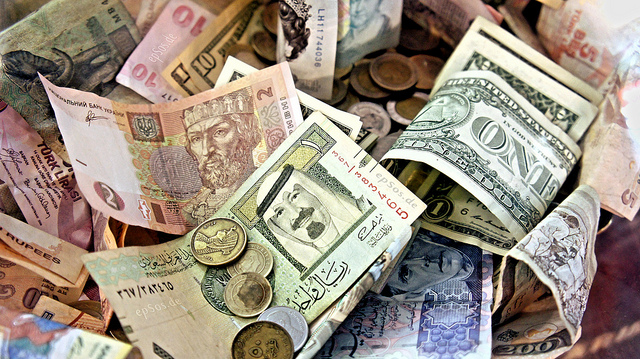
A recent article in The Guardian noted: “Global debt has grown by $57 trillion to reach $199 trillion in the seven years following the financial crisis – a 40.1% rise, according to a new report.”
What this translates into is that global debt is now 286% of the world’s Gross Domestic Product, or GDP. GDP is the monetary value of a country’s (or in this case the world’s) finished goods and services that have been produced in a given time.
While these figures reflect the economic situation of governments, individuals too can be expected to feel the crushing impact of what is, obviously, an unsustainable debt load.
Under these circumstances, becoming an expat and owning property abroad is more than just a sound investment hedge against this economic shadow; it is a way of rediscovering what truly matters and having the opportunity to pursue those ideals.
epSos .de
Why Global Debt Should Matter to You
Global debt has many far-reaching implications that transcend the international geo-political scene. Though usually referred to by the media (both mainstream and alternative) in terms of governmental policies, this massive borrowing bubble could profoundly impact individuals’ savings, retirement, and investment portfolios in ways that seem almost unimaginable. Below are several of the major reasons that global debt should matter to you.
Haircuts Are Coming into Style
Much reporting has been done on the recent debt crisis in Cyprus and the resulting “haircuts” that savers and investors endured. However, not many people truly understand what a “haircut” means.
In simple financial terms, a “haircut” means taking a loss on an investment i.e. to receive or accept less than the face value of what is owed. An example of this concept would be if a government borrowed money from institutions and was not able to pay it back. Instead, the government offers to pay only $0.25 on every dollar owed. A bond, with a face value of $1000.00 (the purchase price), would now only be worth $250.00. Investors who “loaned” money (in the form of purchasing government bonds), would have to take a “haircut” of $750.00.
The recent situation in Cyprus is a prime example of how “haircuts” can dramatically impact individuals. There, the government ordered that bank accounts, in excess of 100,000 Euros, would have to take a haircut of 37.5%.
Put another way, if someone had a banking account with 100,000 Euros, the cash value of that account (the amount that could be withdrawn) was reduced to 52,500 with the remainder being made up of shares in the bank that could only be sold at whatever the market value would be. In practical terms, 37.5% of those accounts is now gone and the remainder will be subject to the whims of the marketplace.
As global debt continues to grow, other governments, including the U.S. and other European nations, may consider similar approaches to make up their monetary shortfall.
Freezing Assets and Other Chilly Prospects
Imagine walking into your bank to make a withdrawal and being told that you couldn’t because the government was freezing all accounts. That is exactly what happened in Cyprus. In order to “stabilize” the financial situation, the Cypriot government essentially prevented depositors from taking any money out of the banks.
When money is deposited in a savings account, the bank agrees to pay interest on those funds in exchange for having those sums available to the bank; in a real sense, savings accounts are a kind of “investment.” What happened in Cyprus was that the banking system ended up “owing” more to the depositors than it had. As a result, the only way to avoid total collapse was to keep all the money.
Similarly, other investment options, such as stocks, are also vulnerable to rising debt. Purchasing stock is giving money to a company with the promise that, at a later date, those stocks could be sold for a higher price than they were paid for. If a company’s debt becomes too high, dividend payments (like interest in a bank account) may be withheld or cancelled and, in a worst case scenario, the stock becomes worthless and the whole investment is lost.
Money, Currency and Wealth – Three Different Things
Though the terms “money,” “currency,” and “wealth” are often used interchangeably, their actual meanings are vastly different. When talking about global debt, these differences matter a great deal.
Money can be basically defined as a medium of exchange between buyers, sellers, producers, and consumers of material goods. Currency refers to a particular monetary system used within a country or other political unit.
Wealth is, by far, the most nebulous of these three items. It is defined as the measure of valuable items. Wealth can also be extrinsic (money in the bank, personal property, etc.) or intrinsic – the actual value of something, not just its price tag. Global debt has created only extrinsic wealth that consists of numbers on a ledger. Those numbers often cannot be supported by actual value when investors want their return paid out.
Playa Real
The Expat Advantage – Owning Property in Paradise
Aside from the opportunities to live abroad, immerse yourself in a new culture, live healthier, and rediscover yourself, there are real economic advantages to buying property in Latin America. Here are a just of few of those benefits:
Real Estate Is Both Real and Finite
There is an old saying that the reason property is so valuable is that they’re not making any more of it. As a result, land ownership carries a permanent value. Since it is a real, tangible asset, investing in it can be a real hedge against the growing debt crisis. Also, real estate has an intrinsic value; it exists, and it can be your paradise and security. Those are measures of wealth that far surpass anything on a balance sheet.
Central America Welcomes Expat Investment
Central American countries have actively created environments that promote expat investment. The rights of foreign property owners are, in many cases, identical to those held by a country’s own citizens. Favorable residency laws, discounts, and lower tax rates also make buying and living here a desirable alternative to staying in the U.S. or Europe.
There Are Bargains and Opportunities to Be Had
As the trend towards development sweeps through Central America, the affordability of property (especially parcels that are undeveloped or underdeveloped) is still quite good. For investors, this is an ideal situation where a lower initial outlay of funds can be expected to result in a good return on investment. Importantly, buying real estate in these tropical destinations carries much less risk than other options, such as stocks and bonds.

Best Jaco
Taking the First Step
Like any investment, buying and owning property in one of these tropical destinations does have challenges and some risks. Being an expat is not necessarily for everyone. Daring to reinvent oneself and rediscover the joys of learning a new culture and lifestyle may seem overwhelming.
How to discover if becoming a property owner in one of these tropical locations is right for you? Check out the kinds of residences, lots, and properties that are on the market. Above all, do some research and, if a country interests you, go there and visit – maybe more than once. You may discover that you don’t have to find paradise – paradise may find you.