


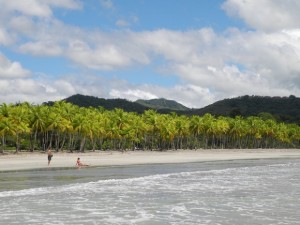
With hundreds of miles of pristine beach, Costa Rica is home to some of the most incredible beaches in the world. Here is our list of the best beaches in Costa Rica, which are not only some of the most beautiful, but also those with adventurous activities, wildlife, and often complete solitude.
Playa Cocles

Sean
The jungle beach town of Playa Cocles in the South Caribbean is easily one of the best places to live or visit in all of Costa Rica. The stunning jungle-backed beaches stretch for miles with barreling waves for surfers, incredible wildlife for nature lovers, and deserted patches for those seeking relaxation.
The neighborhood hosts a world class yoga studio, several spas, a Costa Rican chocolate café, and an incredible variety of international restaurants. The Caribbean flavor from nearby Puerto Viejo, a short two miles away, trickles in and it’s not uncommon to hear Reggae or eat coconut curry stew on the road.
Cocles will definitely rank as one of the best beaches in Costa Rica for those desiring true jungle immersion with a strong expat community focused on healthy living and those brave enough to surf the epic waves.
Manuel Antonio

Xiao Zhuli
Manuel Antonio may be the most popular beach in all of Costa Rica. It certainly has a reputation for being an American tourist destination, and the many expensive Americanized restaurants reflect that.
However the beautiful beaches in the national park are some of the most stunning in the country and teeming with wildlife. Spotting iguanas, coati, sloths, and all four species of monkeys is likely inside the park and often on the beach. During migration season you can see whales and dolphins offshore. Other outdoor adventures like parasailing, ziplining, and horseback riding are also available.
If you can’t stand the crowds, come during the very beginning or end of the dry season to enjoy sunny days and beautiful sunsets on relatively empty beaches.
Playa Samara

Daniel Stanberg
Playa Samara is one of the most beloved beaches in all of Costa Rica. Laid-back hotels and restaurants line the horseshoe bay, yet the shore remains empty, offering solitude and relaxation. The relatively flat sea is perfect for kayaking, fishing, paddleboarding, or learning to surf. Nearby wilderness beaches are perfect for exploration.
The town has an expat presence with sushi bars, Italian restaurants, and Canadian-owned hostels, but maintains its small town authenticity. Fishermen are everywhere selling their fresh catch on the shore. Delicious sodas (Costa Rican cafes) pile plates high with rice and beans and seared seasoned carne.
It is a great place for families, expats looking to invest in a business, vacationers, and backpackers.
Playa Guiones

Chris Gold
If you enjoy surfing and yoga, expect to arrive in Playa Guiones and never leave. The town, which is in the Nosara region of the Nicoya Peninsula, sits on a white sand horseshoe bay with excellent waves for beginner, intermediate, and advanced surfers. The many surf schools and board rentals make learning and practicing very accessible.
The Nosara Yoga Institute in Playa Guiones put Costa Rica on the yogi map and now several studios and yoga retreat centers reside in Playa Guiones and nearby beaches.
Beyond yoga and surf, there is plenty to do in Playa Guiones. The town has lovely cafes and restaurants and the expansive beach makes for great walks. Every evening at sunset the town gathers on the shore to watch the epic sunsets.
Nearby Playa Rosada and Punta Pelada are also beautiful and can be walked to from Playa Guiones.
Manzanillo

Diana
The intimate beach coves hidden in the wildlife refuge of Manzanillo are some of the most beautiful beaches in Costa Rica, if not the world. Turquoise water crashes on the golden sand, dramatic cliffs offer stunning views, and the lush jungle filled with animals spans for miles. Take a nature hike, snorkel the reef, or simply relax.
For added adventure, take a tour through the jungle spotting howler monkeys and sloths, hike to the viewpoint for amazing views of the crashing waves and nearby beach coves, then climb into the coral caves where bats seek refuge.
The town is a small distinctly Caribbean fishing village with a few local Caribbean restaurants and cabinas. Popular Puerto Viejo Limon and the many beach towns near it offer options for other restaurants and lodging and are a bike or short bus ride away.
Pavones

Arturo Sotillo
The black sand beaches in Pavones are some of the most dramatic on the Pacific Coast. Glowing frothy green sea kisses the dark shimmering black shore for an incredible contrast. The surrounding wilderness will make you feel like you’ve reached the end of the earth and the sunsets are positively spectacular.
Beyond its beauty, Pavones is famous for its long left point break. Grab a surfboard and ride the wave that put this town on the map. If you’re more of a swimmer, a cool, clear water river runs for miles from the hills down to the beach. Climb to the top and take inner tubes down, jump off the bridge with locals, or simply cool off and explore.
Restaurants and accommodations are inexpensive and locally owned and even with the influx of surfers the town maintains its Costa Rican charm.
Playa Barrigona

Massie
This beach is so beautiful, even Mel Gibson owns property here. Scenic country roads connect Playa Barrigona with nearby Samara making it an undiscovered but accessible place to visit. The sand is white with a pink hue and at low tide you can climb large stretches of sand dollar-covered rocks. Olive ridley turtles come from all over to lay their eggs on the shore during the rainy season, making it a very special place ecologically as well. The riptides are strong so take care with little ones and do not go out swimming.
San Juanillo

Enrique Balsevicius
A short drive from the popular surf beach Playa Guiones in Nosara, is the secret white sand beach of San Juanillo. Fishing boats rock on the turquoise sea and millions of shells wash up on the shore. Explore the massive rocks or float in the clear water. The town itself is quite small and authentically Costa Rican.
Playa Uvita’s “Whale Tale”

CostaRicaProperty
The area of Uvita is famous for its incredible marine life and frequent whale spottings, but few know about the secret “whale tale” beach. During high tide the shore is completely submerged, but as the tide recedes a beautiful sandy peninsula reveals itself for relaxation and exploration.
Playa Carrillo

M.Prinke
The peaceful palm tree-lined horseshoe bay of Playa Carillo on the Nicoya Peninsula might be as close to paradise as it gets. The white sand beaches and calm water makes it a perfect beach for relaxation and sunbathing. Boating and fishing are also quite popular due to the calm sea. It is also possible to spot crocodiles in the nearby river. The town has restaurants and accommodations, but travelers will find a larger community in the nearby town of Samara, which is a pleasant hike or a short bus ride away.
Best Beaches in Costa Rica?
The answer really depends on you. Do you have a favorite beach that we’ve missed?

The Guatemala 3 Count, where we bring you 3 Guatemala stories that you shouldn’t miss.
Kasper Christiansen
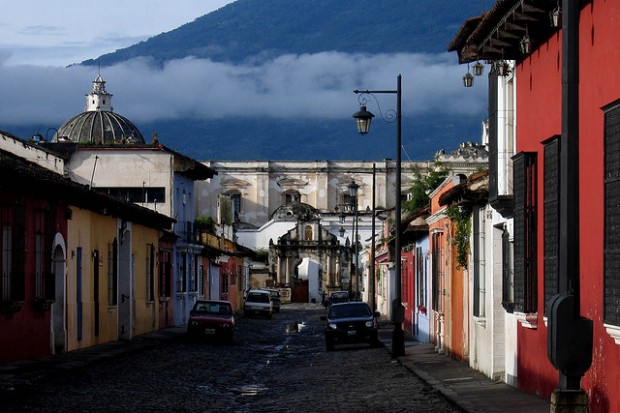
1. Antigua: The Perfect Place for an Escape
Antigua has everything to offer travelers, whether going for a weekend or for a month-long language course, here’s what travel blogger Natalie Compagno, from My LA Lifestyles, thinks is the best of the best of Antigua.
2. Take a Guatemalan Eco-Adventure: Cruise the Rio Dulce
The sparkling Rio Dulce in Guatemala is not one of the longest rivers in Guatemala but it is arguably the most famous among river cruisers, who claim it is crystal clear, with no pollution from heavy industry, just clean fresh water. This makes it an ideal habitat for a myriad of different wildlife and vegetation and of course a great place to take an eco-adventure.
3. Guatemala Is About to Change, Will It Help?
In an effort to help the international perception of Guatemala, its Tourism Institute intends to re-brand itself with an extensive public relations campaign as a safe and popular tourist destination. The project includes the creation of a national facebook page and Youtube channel, all which will be featured at www.visitguatemala.com.


Sal Falko
In recent years Central America has received an influx of North Americans investing in local business. Countries like Belize, Nicaragua, Costa Rica, and Panama have become increasingly popular places for baby boomers to retire. Why has this generation chosen to settle offshore?
Quality of Life
With warm weather year round and stunning beaches, lakes, volcanoes, and hillside, Central America has an appealing climate. Many small jungle beach towns are popular among tourists, making foreign investment a lucrative possibility. For those looking for city comforts, most cities lie in close proximity to incredible wilderness. Granada, Nicaragua sits near a stunning lake and volcano and also has great restaurants, nightlife, and culture. Plentiful fruit and vegetables and many outdoor activities also make healthy living not only possible, but easy.
Lower Cost of Living
Even more expensive Central American countries like Costa Rica offer a lower cost of living than the United States. It is very possible for individuals to live comfortably on less than $1,000 per month. Nearby Panama is even more affordable and food, entertainment, and lodging in Nicaragua is half the cost of Costa Rica. This low cost of living is incredibly appealing to baby boomers looking to retire and live abroad without sacrificing luxuries like dining out, maid service, and travel.
Proximity to the U.S.
Central America is an inexpensive, quick flight from the United States, making investment or a permanent move less daunting. Individuals are still able to visit their families or live part time in each place.
Return on Investment
While some investors plan to live and settle in Central America, others buy property simply to earn income from their investment. Property costs are low and vacation rentals can yield a good salary, making these foreign investments a popular choice for those looking to save for retirement.
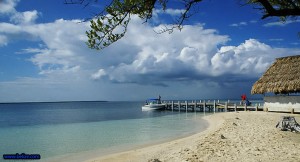
Belize is know for its amazing barrier reef, its culture and spectacular flora and fauna; with so much to do it’s no wonder visitors can get overwhelmed, especially when planning a trip to Belize on a limited budget.
Good News! There are plenty of things to do in Belize that are free or affordable. What follows is by no means an exhaustive list, but these are our suggestions of what you can see and do on a small budget.

Photo: A. Grandel
1. Placencia Peninsula
Stretching across a 12-mile-long peninsula, Placencia boasts a myriad of nature reserves and underwater oases along with postcard-perfect vistas. Rent a bike, about $12 for the day, and cruise the peninsula like a native Belizean or spend a bit more money and go on a kayaking manatee spotting tour.
2. Lamanai
Lamanai is a 960-acre Mayan site perched on the New River Lagoon in northern Belize and boasts the most masked Mayan crocodile art in Belize. Located in the Orange Walk District, the Lamanai temple complex sits atop the western bluff of the New River Lagoon and is surrounded by unbeatable rain forest vistas. Entrance fee: $10.
3. Hol Chan Marine Reserve
Hol Chan Marine Reserve is the oldest reserve in Belize. Encompassing three square miles, this densely populated aquatic zone is a sanctuary for stingrays, eels, and sharks, among other creatures. Separated into four parts, the mangroves, the reef, the sea-grass beds, and Shark Ray Alley, the reserve has flourished as a hot spot for scuba divers and snorkelers. Entrance fee: $5.
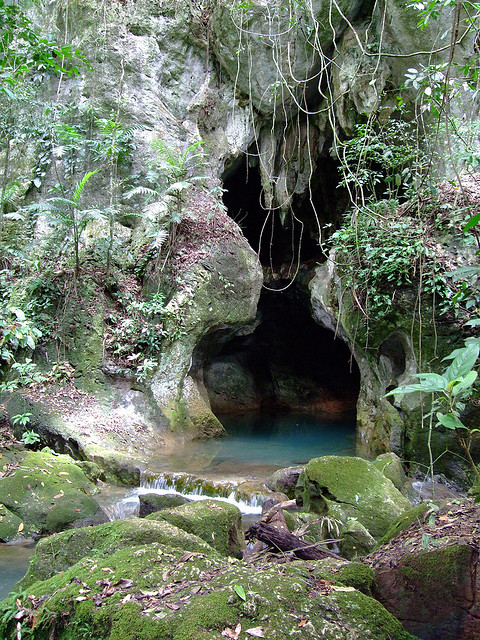
Photo: Viva Team
4. Toledo District
Go explore the southern district of Belize with a visit to Toledo, a dense rain forest region, and Belize’s up-and-coming eco-hotspot. Known by the locals as “the forgotten land” it is the least visited destination in Belize. What to do here: swim inside caves, discover sinkholes and waterfalls, or go a bit more deeper into the jungle and rediscover untouched Mayan ruins. Swimming the Blue Creek Cave, Toledo’s most popular destination, will set you back about $100 on a professional tour.
5. Belize Zoo
Stroll around this 29-acre zoo and you might think you’ve trespassed into a jungle. The zoo is small, but well worth a visit. You can see the different Belize cats such as Jaguar, but one word to the wise: Arrive early to beat the midday crowds. $15 per adult and $5 per child.
6. Belize City
The country’s business epicenter, splits into two distinct areas: the North and the South. Fort George lies to the north, an upscale neighborhood with the city’s landmark, a lighthouse overlooking the harbor. Most of the action in Belize is oriented around the city’s peninsula, which extends outward to the Caribbean Sea and peers over the northern cays. You’ll likely want to spend minimal time in the inner city and instead use the area as a base for exploring nearby rural rainforests, cays, and Mayan ruins. Fort George Lighthouse excursion: Free.
Photo: Becky Gregory
7. Cockscomb Basin Wildlife Sanctuary
The sanctuary contains 12 nature trails that span across 20 miles. It was a former cat sanctuary. Lather yourself with insect repellent. The moist environment serves as a haven for annoying mosquitoes and tiny flies. Entrance fee: $5.
8. Caracol
The largest Mayan ruins, Caracol has recently received attention as the site of discoveries that have contributed to new understanding of the Maya. Located deep in the Chiquibul Forest and only seven miles from the Guatemalan border, it is much larger than nearby Tikal but is not as extensively restored. Entrance fee: $7.50 per person.
9. Tropical Wings Nature Center
The Tropical Wings Nature Center is Belize’s only Butterfly zoo where you will find interactive exhibits covering the ecology, flora, and fauna of Belize. Take a walk along a nature trail, grab a bite to eat, or spend the night at this eco-friendly resort. Entrance fee: $10.
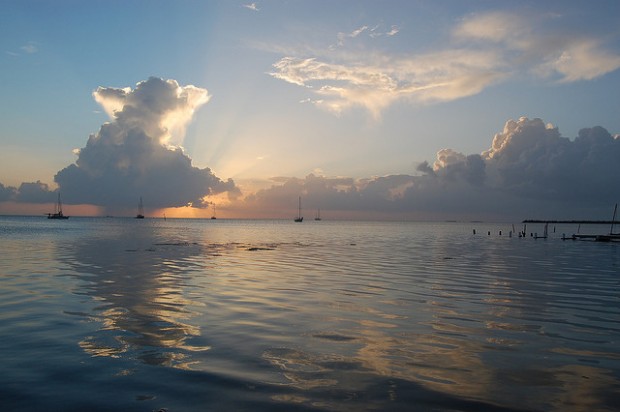
Photo: Josie A.
10. Sunset at Caye Caulker
The sunsets are amazing here in Belize, but they are spectacular at Caye Caulker. After a long and lazy day, the best thing to do is grab a cocktail and sit on the pier and watch the sunset. Cost: Free.

Ecuador is about the size of Colorado. It straddles two hemispheres and is a symphony of culture and adventure. We’ve rounded up the best Ecuador has to offer, and if you’ve got six minutes, take an amazing video tour of this South American Gem.
The country is made up of a tropical climate along the coastline, it becomes cooler inland at higher elevations and remains tropical in the Amazonian jungle lowlands. The capital, Quito, is a world heritage site and a favorite expat destination along with the cooler climate of Cuenca.

“What is the cost of Living in Panama?”… Viva Tropical’s Park Wilson and Josh Linnes launched the site in an effort to educate would-be expats on the realities of life in Latin America. They hope to help others have the information they need to make informed decisions when relocating to Central and South America.

Photo Credit: P. Peter
They also wouldn’t mind debunking a few of the false claims made by marketers who are trying to lure folks down to the tropics under false pretenses. Here, Park talks about one of his particular pet peeves.
I guess you see a lot of extravagant claims promising a perfect life in paradise. What are some of the worst?
Park: “Move to Panama and live on $500 a month!” “You can move to the great town of David and live like a King!” I’ve been an expat in Panama for 6 years now, after a brief stint in Costa Rica. Not only am I surrounded by others in the expat community but, as a real estate developer, I’m also surrounded by the folks who are making these ridiculous claims.
Marketers deliver a lot of really misleading messages about moving here, but the ones about the cost of living are the ones that really make me sick to my stomach.
So, it isn’t really cheaper to live in a place like Panama?
Park: No, it totally is! I mean, it can be. I mean…well, it depends.
Let me explain. If you plan to move down here and continue doing and buying all the exact same things that you did in the U.S., you might actually pay more. In other words, if you want the same brand of cereal you eat every morning back home and your usual flash frozen steaks flown in from Omaha, then you can get those things. But at a fairly high premium.
Are you saying people need to be ready to make some sacrifices?
Park: Not at all. Quite the contrary, actually. You will need to make some changes, but I wouldn’t call them sacrifices at all. Let’s go back to the steaks, for example. My family buys filet mignon for $5.50 a pound, and we eat a heck of a lot of it. But it’s local beef, not imported.
We also steer clear of most things in a box or jar, because those things tend to be more expensive than in the U.S. But the way we see it, those things were probably taking a few years off our lives anyway. I don’t consider that much of a sacrifice.
So how do marketers get away with lying to their potential customers?
Park: I wouldn’t say it’s an out and out lie. It’s just misleading. In a country with a per capita GDP of $600 per month, you could probably get by on $500 a month. It just wouldn’t be the standard of living you’re probably looking for when moving to a place like this.
To live on that little, you’d need to live like a local. Eat only local foods, patronize local establishments. We’re talking 47 cent beers, 10 cent bananas, and big bags of rice for a few bucks. You could do it. But you would also experience a huge shift in your standard of living.
If that’s what you’re looking for, then great! Just know that before you make such a big decision.
How do you strike a balance between having the things you’re used to in the U.S. and taking advantage of the lower cost of living in Panama?
Park: It’s all about finding that sweet spot. There are a lot of items in a household budget that can be obtained at a great value in Panama. You just need to pick the ones that line up with your values. Here are a few of ours.
-
Domestic help. We have someone who works in our home every day: cooking 3 meals, buying our groceries, doing laundry, even babysitting our kids when needed. All for just $300 a month.
-
Fresh foods is another category. We eat so well at our house. But we don’t eat like we did in the States. And because we have help with the cooking and more time on our hands, we don’t have to eat hamburger helper.
-
Another place you can save on expenses in Panama is in medical costs. My daughter was born in Panama last year, and we saved $27,000 compared to what we would have spent in the U.S. But even for routine health care, the cost is much lower. Doctor visits are $5. Antibiotics cost $10. Our insurance premiums are also much less, and we even have a policy that works in the U.S. too.
-
Travel is another biggie. There’s so much to do, and it’s all so close. We love to go to the beach, take the boat out to nearby islands (including my own project), visit new areas…and it’s mostly all in Panama. We save a lot by traveling within the country.
So, what’s the magic number? If an expat can’t get by on $500 a month, then how much?
Park: It’s hard to say, really. It’s all up to you and the areas where you plan to splurge and save. No one can give you a guarantee on what it would cost for YOU to live in Panama. What’s more important is to look at your own habits and tastes and have realistic expectations about the lifestyle you can afford here.
For me? I spend about a third of what I would in the U.S. And I wouldn’t change a thing.

When you decide to spend time in the Latin Tropics, there are a lot of things that you’ll need to think about. Where you’re going to stay, what you’re going to see while you’re there, what you’re going to pack, and how you’re going to keep yourself safe. When you’re traveling in unfamiliar territories, this last consideration is key. One of the things that many tourists and expats worry about is the threat of snakes.
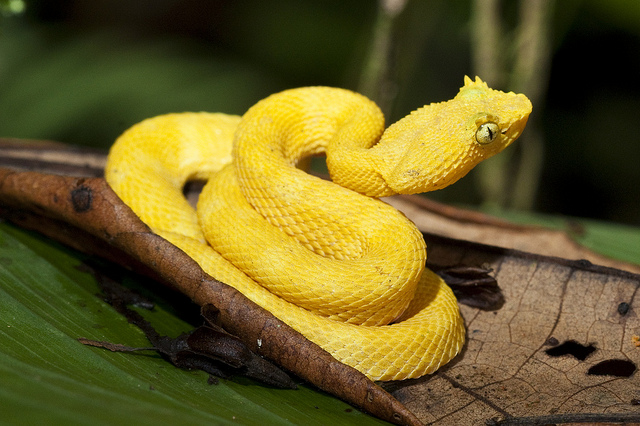
Snakes are a very common animal. There are over three thousand known species, and they live on almost every continent. Latin America is no exception. The region is home to an abundance of snakes, both venomous and nonvenomous. Some of the more dangerous snakes in this part of the world include the Bushmaster, the Fer de Lance Viper, the Eyelash Viper, and the Coral Snake.
The Good News
- The vast majority of snakes are nonvenomous, and are harmless to humans. Out of the 3,000 plus known species, only 750 are venomous.
- Snakes do not naturally prey on humans. They usually prefer to keep their distance, and documented attacks are rare. Bites generally only happen when snakes are threatened or injured.
- Dangerous snakes tend to avoid heavily populated areas.
- Snakes are most active at night, which makes them easier to avoid.
- If the worst does happen and you do get bitten, modern medicine is up to the challenge. The majority of people who sustain snake bites get the treatment they need to survive.
- In fact, it’s estimated that 90% of people who are bitten by a snake make a full recovery.
- Victims of snake bites usually have a six hour window to seek treatment. This means that, should you need, you would have plenty of time to get to the nearest hospital.
How to Stay Safe
- Be aware of areas where snakes are likely to hide in. Dead foliage, fallen trees and other situations that create dark, shady areas are likely to attract snakes.
- Look around you. Don’t step anywhere or touch anything without looking first. Being aware of your environment in this way will help to protect you.
- Don’t travel into the jungle alone.
- Wear appropriate clothing. If you are visiting an area where there are likely to be snakes, such as the rainforest, make sure that you are wearing sturdy footwear and protective pants. Most smaller snakes won’t be able to bite through them.
- If you do see a snake, don’t panic. Try not to make any sudden startling movements, such as running away, and don’t try to attack the snake.
How Worried Should You Be?
Most visitors to Latin America will have no problem at all with the local wildlife: snakes included. It is very rare to be bitten by a snake, and if you follow the advice above for staying safe it would be very unlikely that it would happen to you. In fact, it’s often cited that you are more likely to be struck by lightning than you are to be bitten by a venomous snake. For this reason, the threat of snakes isn’t something that should put you off your trip!
The Latin Tropics is a beautiful part of the world, and we think that everyone should experience it. The dangers presented by snakes is certainly something to bear in mind and to take precautions against, but don’t let your worries take over.

If you are planning on making a move down to the lush tropics of Panama, why not take a moment to learn a little something about the Panama health care system and where to find hospitals that will offer quality and expat friendly care.
Luckily, you won’t have to look far. Equipped with two branches of health care, public and private, Panama is recognized for its world class institutions and qualified medical professionals. But in a country with such a strong health care system, where should you go to find the best possible care?
The Best of the Best
1. Hospital Punta Pacifica

hospitalpuntapacifica.com
First on the list is Hospital Punta Pacifica. A full-service private hospital praised for its trained physicians and immaculate facilities, Punta Pacifica is not only the only John Hopkins affiliated hospital in Panama, but in Central America as well.
Hospital Punta Pacifica employs over 350 medical specialists, and through the use of continuing education programs, these specialists are constantly updated to keep their knowledge current. This hospital can be found in Punta Pacifica, and although it is one of the more expensive institutions in Panama, inside you can expect to receive first rate care at the hand of qualified professionals.
2. Paitilla Hospital (Centro Médico Paitilla)
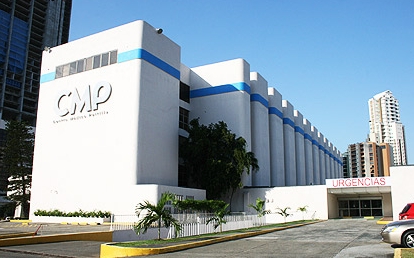
centromedicopaitilla.com
Next on the list is Paitilla Hospital. Located in Punta Paitilla, this facility is one of the oldest private hospitals in Panama and is a great choice for expats since most of the staff speak English. This is due to the fact that many of the doctors completed residencies in the United States and Europe before settling in at Paitilla Hospital.
While best known for its oncology unit, Paitilla Hospital is staffed with medical professionals that specialize in many different branches of medicine. Some of their departments include:
- Radiology and imaging
- Laboratory and anatomic pathology
- Cancer center
- Critical care unit for newborns and adults, and
- Cardiac catheterization unit
3. Hospital Chiriqui

hospitalchiriqui.com
Hospital Chiriqui, located in the city of David (near the Costa Rica border), is an institution with a reputation for providing exceptional medical care for over twenty years now.
The Hospital Chiriqui is a private hospital staffed with medical professionals that specialize in anesthesiology cardiology, reconstructive surgery, dermatology, and radiology (to name a few). In order to keep providing quality patient care, the Hospital Chiriqui is currently developing a clinic in the small town of Boquete, Chiriqui that will provide services like ambulance, pharmacy and primary health care to patients, twenty-four hours a day.
4. Hospital Nacional

www.hospitalnacional.com
If you visit Hospital Nacional, located in the Bella Vista area of Panama City, you can expect to receive quality care. This hospital is staffed with over 100 specialists and has an impressive nurse to patient ratio (one nurse per every ten patients). This facility also offers a diverse range of patient services like:
- A clinical laboratory
- A pathology laboratory
- A genetics center
- An emergency room
- and an intensive care unit
Hospital Nacional is also welcoming to out-of-towners for they even accept international health care plans.
5. Hospital Santa Fe

hospitalsantafepanama.com
Last on the list is the Hospital Santa Fe. Nestled in the center of Panama City and located mere minutes from the Panama Canal, the Hospital Santa Fe concentrates on creating individual health care plans that are patient specific. Founded in 1984, Hospital Santa Fe uses the latest technology, state-of-the-art equipment, and many English speaking, American-trained doctors to treat their patients.
Hospital Santa Fe is also on-board with the new wave of medical tourism and offers many health tourism packages that claim to provide the same quality care as American hospitals at a more affordable rate.
So before you pack your suitcase and whisk off to Panama, be sure to look into the local health care system and the available hospitals, so that when the time comes, you can make an educated and confident decision.
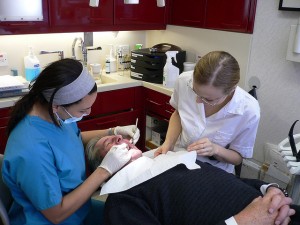

Herry Lawford
Whether you’re planning your retirement or just a quick getaway in Latin America, there are probably a lot of things on your “to-do” list. Spend some time at the beach. Hike to some waterfalls. Maybe take a tour of a coffee plantation. Get some dental implants. Explore the jungl…
What’s that? No dental implants?
While it may not seem like your typical vacation agenda, more and more tourists are finding out what expats already know about dental care in Panama. That its excellence and affordability rival the care you could expect to receive almost anywhere in the world.
From the quality of care you’ll receive to the quaint surroundings in which you can recover, dental care in Panama has a lot to offer both residents and visitors alike. Here are a few of the major perks.
The Location
Panama’s easily-accessible, central location has helped to position it as a growing hub for medical tourism. It’s a short flight from the U.S. to Panama City, where most of the best doctors and facilities are located. Many medical tourism companies will even arrange for every last detail of your trip, from airfare all the way down to the procedure itself.
When in Panama City, you’ll find it to be a perfectly acceptable place to recuperate. It’s a very cosmopolitan city with top-notch accommodations and infrastructure. And once on your road to recovery, you may even want to venture to a local beach or into the interior to see some of the magnificent tourist attractions the country has to offer.
The Doctors
The professionals you’ll encounter when you undergo dental care in Panama, will also bear some striking similarities to those in the U.S. Since many of the doctors will have trained in the U.S., a lot of them are bilingual. Others may have studied in Brazil or France or at the University of Panama, which has a great medical and dental school.
Dentists in Panama possess and utilize the same technology that U.S. dentists use. The facilities are clean and modern and offer excellent service. One key difference may be that the dentist may actually perform much more of the work by him or herself. By lowering the number of assistants needed to perform tasks such as cleanings and x-rays, the ultimate cost to the patient can be even further reduced.
While the overall quality of dental care in Panama is above average, your experience will only be as good as the provider you choose. Talk to someone who’s used them. Maybe several people. If anything seems out of line with your prior dental encounters, it could be a red flag.
The Cost
Let’s talk a little about how much less you can expect to pay for dental care in Panama versus comparable procedures in the U.S. or Europe. Of course it all depends on your particular situation, but many expats and tourists have cited savings of as much as 50%. For those taking advantage of medical tourism, that includes airfare and accommodations. So the savings for local residents could be even higher.
A porcelain crown can be obtained for $475.00. Dental implants, which can be as high as $5,000 per tooth in the U.S., run around $1,550. Zoom whitening can be obtained for $100 bucks, as opposed to $550. And a routine cleaning will only set you back about $25. Panama also uses the U.S. dollar, so those coming from out-of-country won’t have to worry about exchanging currency.
The lack of malpractice lawsuits in Panama is a huge factor in keeping the cost of dental care low. It’s also a good reason to do your homework before choosing a medical provider. Ask for recommendations from other expats or use someone associated with a major hospital such as Punta Pacifica, an affiliate of Johns Hopkins.
You can also request that the dentist use materials (such as metals or porcelain) from the U.S., as opposed to Panama or Brazil. However, this could raise your costs slightly.
The Procedures
For expats, you can expect to see the same quality of dental care and cost savings on routine, as well as elective procedures. While some tourists may also decide to have a root canal or filling done in Panama, they’ll likely be coming to undergo a bit pricier procedure.
Some common cosmetic dentistry offerings are dental veneers, which are porcelain caps that are bonded to your teeth to hide gaps or discoloration. Dental implants are also offered to replace broken or missing teeth and improve the appearance of the mouth.
Inlays and onlays that serve as an alternative to fillings can be obtained. Orthodontic services are also available, as are restorative procedures like crowns, bridges, and even dentures.
As medical tourism continues to increase, the quality and affordability of dental care in Panama only stands to improve as well. This is good news if you’re thinking of becoming an expat. If you’re only visiting for a little while, explore your options to find out if you could improve your smile while you enjoy your vacation.

Only half an hour from San Salvador, the port town of La Libertad is known for its impressive surf breaks and beaches and is often cited as the main tourist attraction of El Salvador.
But there is more to see and do in this city than surf. Watch and discover what all goes on in a typical day in the port city of La Libertad, El Salvador.
El Puerto de La Libertad from herbertserpas on Vimeo.
Because of El Salvador’s lack of a solid tourism infrastructure, although they are working on improving their image, you’ll discover fewer tourists in La Libertad compared to other Central American beaches.
While that also means fewer luxury resorts than you’ll find in, say, Nosara in Costa Rica, visitors enjoy a far more authentically Central American experience.
Know a great place to visit in El Salvador? Let us know in the comments below.

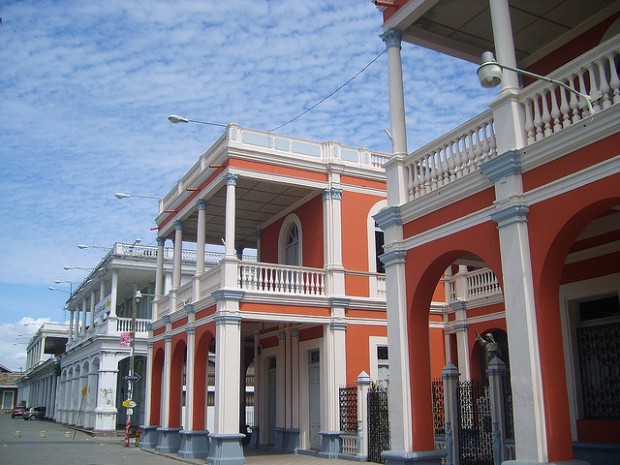
Retirement in Granada Nicaragua
For many of us, retiring overseas seems like a dream. Living out our twilight years in a new country sounds like an exotic adventure. It offers the chance to learn and experience new things, to get closer to nature, and to enjoy luxury at a much lower cost than at home.
Sadly, for most of us this dream is never realized. When it comes to the reality of moving overseas, we worry that it will be too expensive, too difficult, or too far from our family and friends.
This doesn’t have to be the case. Latin America is offering new and exciting opportunities for retirees to become expats. More and more people are flocking to the area every year, and it’s not hard to see why.
Nicaragua is becoming an increasingly attractive retirement location. The city of Granada is increasingly being described as one of the world’s best expat retirement locations.
Here are the five top reasons why you should retire to Granada, Nicaragua:
1. Granada is a beautiful, historic city with an awful lot to offer
Granada is a very popular city for expats for a number of reasons. It’s a stately, friendly city with great transport links and an interesting history. Property is also a brilliant draw for the city. Its Spanish colonial style homes are luxurious and affordable.
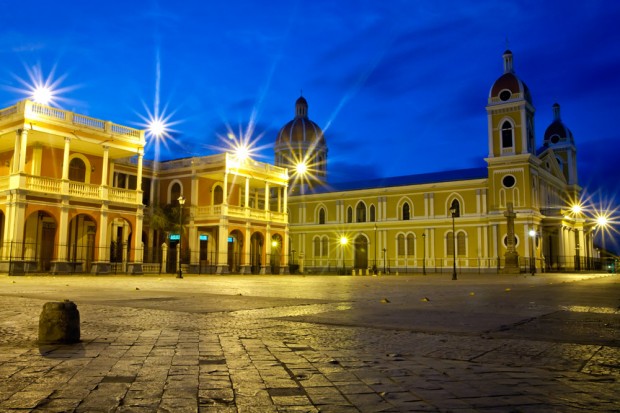
This year alone, 1.1 million tourists are expected to visit Granada, Nicaragua. They’re often drawn by the city’s picturesque cobbled streets and impressive historic churches. It’s also home to the Great Lake Cocibolca, which is one of the biggest lakes in the world. Imagine making a new life on the banks of the Great Lake, with the historic landmarks of the city just a stone’s throw away!
2. Nicaragua is a lot cheaper than you think
This life may sound idyllic, but it’s also within reach. If you have a retirement income of $20,000, you could make a very good life for yourself in the city. It’s estimated that living costs there are around $1,200 per month. For a more in depth look at how much it costs to retire to Granada, Nicaragua take a look at US News’ financial feature on the city.
3. It has great transport links
One of the huge benefits of retiring overseas is the opportunity it gives you to see more of the world. Nicaragua is well placed to visit nearby areas of Central and South America. If you’re concerned about being too far away from family and friends, you don’t need to be. The area is also only a two hour plane journey from Miami, which means that you’ll be able to enjoy regular visits to the States.
4. The weather is ideal
Many people choose to emigrate in their retirement in order to take advantage of some better weather! If that’s the case for you, Granada is a great choice. The weather in the city is great, and you can expect to enjoy temperatures in the 80s all year round. The lake the city is situated beside keeps a fresh breeze coming in, and makes sure that the city doesn’t reach the heat of other Nicaraguan cities.
The city also has a rainy season from May to October every year. During this time, there are thunderstorms every afternoon, which helps to keep the air fresh!
5. There’s a great expat community
It’s estimated that around 1000 expats live in Granada, and that the majority of those are retired. Though Granada has all the benefits of a big city, it also has much of the charm of a smaller community. The large expat community certainly helps: and you’ll find a wide range of clubs and activities waiting for your involvement.
One of the benefits of Granada is that it’s one of the safest places to live in Nicaragua. It’s a growing city, and it’s a very exciting place to be at the moment. In addition to the vibrant expat community, you’ll also be able to experience Nicaraguan culture first hand, and get a whole load of new experiences under your belt.
Thinking about making the move?
If you’re thinking about spending your retirement in Granada, Nicaragua, you don’t have to do it alone. There are professional companies on hand to help you get the best for your money, locate your new home, and get all the relevant paperwork completed.
Starting a new adventure in Nicaragua can be cheaper and easier than you think!
Nicaragua might be one of the world’s best kept retirement secrets among expats. But word is getting out, and Nicaragua is now a contender for Americans, Canadians, and Europeans thinking about retiring overseas.
Not too certain where to consider living in Nicaragua? Here are six places expats love in Nicaragua to get you started.
1. Granada
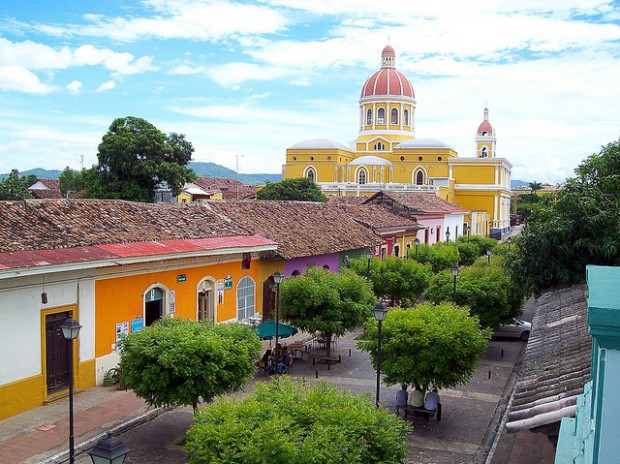
Granada is perhaps the most charming Colonial town of Nicaragua apart from Leon. It is a bustling city where you will have access to most, if not all, amenities as well as lots of restaurants, bistros, and a lively nightlife.
Adalberto.H.Vega
2. Leon
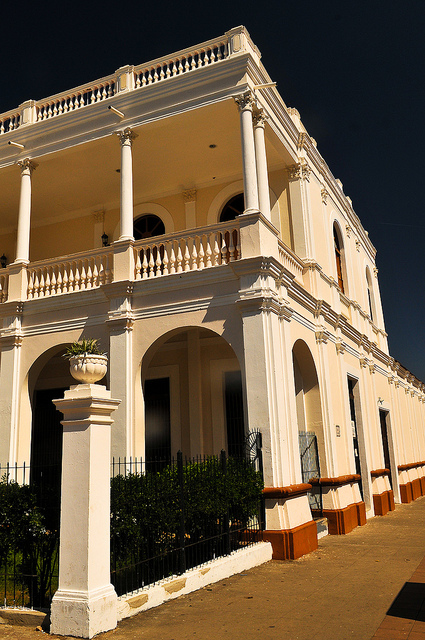
Leon is known by the locals as a young people’s town. It’s a busy, bustling, and attractive town and just a half hour drive away from the beaches on the west coast of Nicaragua.
Jeff Maurone
3. San Juan del Sur
San Juan del Sur is one of the most developed beach communities of Nicaragua; if you are looking for a well-established expat community, this might be a good choice.

Sam Gibson
4. Masachapa
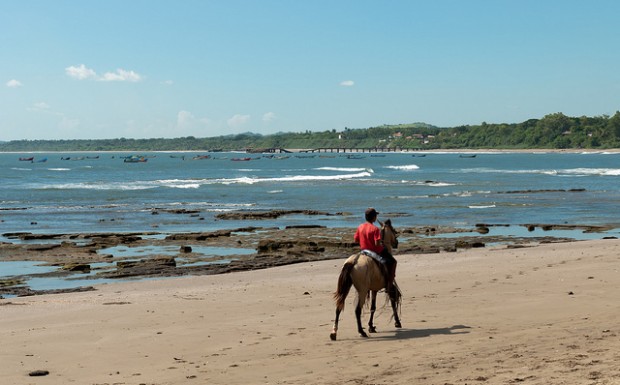
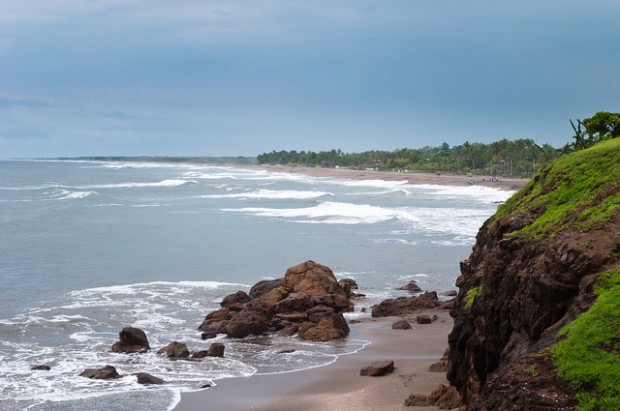
Masachapa is a seaside town based on an active fishing community. With great beaches and just enough restaurants and shops to keep you busy, it is not as well developed as San Juan del Sur.
Arnoldo Castillo
5. Las Penitas
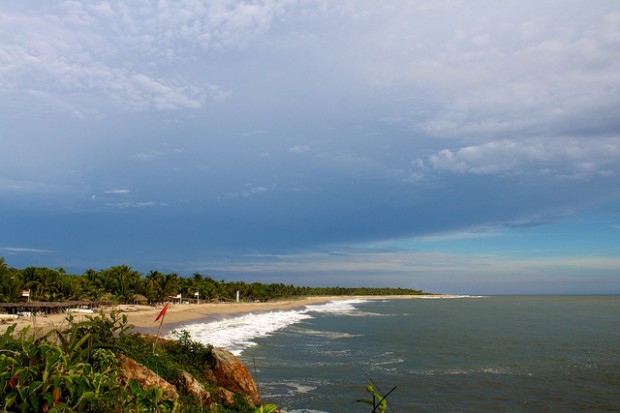
Even less busy than Masachap, Las Penitas is a beach community based on surfing. This is a very laid-back community, and being only a a half hour drive from Leon, that is a good thing, especially if you need a bit of city life now and then.
Daniel VMV
6. Poneloya Beach
Poneloya Beach is a true Nicaraguan vacation town, meaning it is deserted during the week and packed on Nicaraguan holidays. You’ll find a lack of many services here, but as with Las Penitas, people drive to Leon, a half hour away to get the things they need.
Arnoldo Castillo
Did we miss your favorite expat spot in Nicaragua? Be sure to let us know in the comment section below.