


Katy McClelland
With its powdery white sand and sparkling turquoise waters, it’s easy to see why Roatan, Honduras, has gained tremendous popularity over the past decade. Recently touted as one of the best places to retire, particularly among island destinations, it attracts the attention of expats and tourists alike.
While terms like “best-kept secret” and sights such as the towering cruise ships in its ports might turn away some skeptical buyers, Roatan isn’t just another cookie-cutter expat destination. Its heavily-touristed area is counter-balanced with acre after sparsely-populated acre, just a few miles down the road. It’s accessible and surprisingly affordable. And buying property is a breeze compared to other locations of its caliber.
So, before you write it off as just another passing trend in a long line of retirement hotspots, here are a few things you might not know about Roatan real estate.
1. For a relatively small island, Roatan offers a lot of options.
Roatan is a 37 mile long island that is situated about 35 miles off the northern coast of Honduras. It’s less than 5 miles across at its widest point, so essentially it’s a long strip of land that’s divided generally into an eastern and a southwestern section.
The island is made up of two municipalities: Roatan, to the southwest, and Jose Santos Guardiola, on the eastern end of the island. The largest of the country’s Bay Islands, it also encompasses a few smaller land masses such as the Cayos Cochinos to the west. The eastern end of Roatan also includes Santa Elena, a small island separated from the main one by a channel of mangroves, as well as Morat, Barbaretta, and Pigeon Cay.
While there are a few decent-sized cities on the eastern end of the island (such as Oak Ridge, the capital of San Jose Guardiola), almost all of the action on Roatan is to the west. Cities like Coxen Hole and French Harbour offer services from banks to gyms to modern medical facilities. The popular West End is home to the great sandy beaches and dive shops that attract tourists from all over.
If you’re looking for a well-developed, densely populated area where you can walk to bars and restaurants, the southwest end of Roatan is for you. If not, come along with us to the eastern side. There you’ll find quite the opposite of the tourist-heavy bustle of the west end.
On the less-populated end of the island of Roatan there are fewer paved roads and beaches with not a single other human in sight. The amenities are fewer, and consequently property prices are much lower. You can still reach the hotspots on the west end, as well as the airport in Coxen Hole, within an hour or so. But with the lower cost of living on the east end of the island, you may not even want to.
2. With direct flights from the U.S. you can be in Roatan in two hours.
Speaking of the airport, you can now find direct flights to Roatan from several major U.S. cities, such as Houston, Miami, and Atlanta. This development has made a tremendous difference in the time it takes to reach this island getaway, as it was once only accessible by local flight or ferry from the mainland.
This new ease of access makes Roatan one of the simplest to reach island destinations in Central America. And easy access makes for the potential for appreciation. As more people and businesses flow into the island, the effect on the Roatan real estate market can only hope to benefit.
Once on the island, getting around is fairly simple. Buses run every 15 minutes between Coxen Hole and West End, during the day. Another runs every hour to Oak Ridge, stopping at places such as French Harbour and Punta Gorda, which is where the pavement ends. The roads become increasingly primitive the farther east you go.
Because Roatan has everything you need and is far safer than the mainland of Honduras, it’s doubtful you’d have much need to travel there. However, if you do, the ferry to La Ceiba runs twice daily. It’s safe and reliable, takes 90 minutes, and can be a bit pricey.
3. It’s incredibly easy to buy and own Roatan real estate.
Because North American expats represent one of the largest demographics of those buying property there, the Roatan real estate market closely resembles that of the U.S. So, similarly, prices are beginning to rebound after a downturn of several years. However, there are still bargains to be had. While the market still has some ground to recover, don’t wait too long to make your move if you’re hoping to score a deal on property in Roatan.
Today’s Honduras has a stable democratic government that is extremely foreigner- and investor-friendly. Even more so in Roatan, which manages to shield itself from most of the political conflicts that plague the mainland. From buying property to obtaining a retirement visa, regulations are fairly loose. Property taxes are also a fraction of U.S. rates, and there is no tax on income earned from foreign sources.
As a foreigner, you are permitted to make a one-time purchase of up to ¾ an acre of land. However, you can buy an unlimited amount by setting up a Honduran corporation. This is a common practice and one that is perfectly legal. A Honduran attorney can make this a simple process for you.
The assistance of a qualified attorney is also invaluable throughout the buying process. The steps of buying include proving a clear title, proper registration, and paid up taxes on the property involved. An attorney can make these otherwise complex tasks much more manageable and handle all the related paperwork, which must be notarized and written in Spanish.
In terms of residency, Honduras offers several visa options. Most notably, its retirement visa has an income requirement of only $1,500 per month, which suffices for the applicant as well as his or her dependents.
4. If Carnival Cruise Lines is interested in Roatan real estate, maybe you should be too.
The top names in tourism don’t typically dock in places where there’s nothing to do, right? Well, in Roatan there is certainly no shortage of activities to entertain even the most lively expats. As a result, several cruise lines have added it as a destination port. And industry-leading Carnival recently developed a large section of beach where its cruise passengers can relax or embark on a number of excursions.
Without question the island’s biggest draw is the Mesoamerican Barrier Reef. The second largest in the world, after Australia’s Great Barrier Reef, it attracts divers and explorers from around the world. The island offers a number of dive shops and guided tours of the reef. Also featured are opportunities for snorkeling, sailing, and kayaking in and around the reefs and mangroves.
Until tourism took over, Roatan’s largest industry was commercial fishing. As a result, it offers some of the best sport fishing around. Offshore catches include tarpon, tuna, and marlin. You can also try fly-fishing among the mangroves and sand flats.
For land-loving expats, there’s horseback riding, hiking, and the world-class Black Pearl Golf Course. There are also restaurants serving up everything from steak to sushi and bars with live music and fresh fruit cocktails.
In addition to the abundance of activities, those interested in Roatan real estate will also be pleased with the infrastructure and amenities the island offers. Electricity and water is available throughout the island, as are telephones and high-speed internet. The roads are simple to navigate, and even the unpaved ones are easy enough (unless conditions are wet). Medical services are also available everywhere, although those with serious conditions should probably travel to the mainland.
5. The low cost of buying and living in Roatan leaves plenty left for all the perks.
One of the most attractive features about Roatan real estate is the price tag. Combine this with one of the lowest costs of living in the world, and you can afford a lot of things you never imagined.
Prices in Honduras are often half that of even its Central American neighbors. As a result, many expats find that they’re able to afford larger homes and better views, with enough left over to hire an entire staff to keep up the property.
Still others are finding ways to use their resources to give back to the community, hiring locals to work in their small businesses or opening up their homes to be used as schools or retreat facilities. The possibilities are endless.
With accolades continuing to pour in, and with Roatan real estate being viewed by starry-eyed would-be expats on House Hunters International, it’s certain that this Honduran island won’t be one of the Caribbean’s best kept secrets for long.
However, with so many available options and great incentives to buy, it’s also certain to remain one of Central America’s best all-around retirement destinations for decades to come.

With its perfect climate, sandy beaches, and serene setting, Boca Chica is a destination all its own. But in addition to the opportunities to stick around and relax on its beaches and explore its waters, Boca Chica also offers a number of nearby attractions that can all be accessed and enjoyed within the course of a day.
Boca Chica is a great destination for expats who want plenty of options nearby for adventure and exploration. It’s also a great landing spot for the traveler who’s looking for a peaceful retreat where they can still easily get out and enjoy extreme sports or just connect with nature.
In Boca Chica itself, you can go snorkeling, scuba diving, or fishing. You can also visit Chiriqui Gulf National Park, which is home to sharks, turtles, and stingrays. But if you’re willing to venture out a little further, here are several great day trips to keep you entertained during your stay.
1. Go swimming at Los Cangilones de Gualaca.
This natural swimming hole lies in a basin that was created by the Esti River over the course of many thousands of years. Visitors can take a refreshing dip in its cool waters and enjoy the beautiful scenery that surrounds this natural wonder.
In addition to the pool, the formation also includes a channel which has enough current to provide some decent exercise, much like a stationary lap pool. You can bring a picnic or go into the local village for some food. Guided tours of the area are also available.
2. See two oceans from the top of Volcan Baru.

Ken Mayer
Panama’s highest point, at 11,400 feet, Volcan Baru offers an eight-mile hike to its peak that is best attempted by only those in excellent physical shape. The path takes hikers through lush hillsides and jungles before finally reaching the rocky cliffs of the summit.
Many ambitious travelers begin their climb at midnight, hoping to reach the summit in time for the breathtaking sunrise that illuminates views of both the Caribbean and the Pacific. Although clouds often obscure the view, the volcano’s peak also offers a panoramic view of the surrounding 35,000-acre park that is home to pumas, tapirs, and over 250 species of birds.
3. Save a sea turtle at Playa la Barqueta.
The wildlife refuge at Playa la Barqueta is home to five different species of sea turtles, which nest on its beaches. Olive ridley, hawksbill, loggerhead, and green sea turtles can be seen from June to November. Olive ridleys can also be seen from November to March, along with the enormous leatherback turtles.
At night during high tide you can see the turtles crawling onto the beach to bury their eggs in the sand, where two months later the babies will dig their way out and shuffle back to the sea. On occasion, visitors may see local advocates releasing rehabilitated turtles that have been injured by poachers or natural predators.
4. Zip through the clouds on a canopy tour in Boquete.

Angie Harms
Nearby Boquete offers many opportunities for adventure. But none can “top” the zip line tours located high in its mountainside cloud forests. Not only will participants enjoy a rush of adrenaline, they will also enjoy a guided tour through centuries-old forest as they zip past waterfalls and a variety of wildlife.
Species spotted along the 3.5 to 4 hour tour might include monkeys, exotic orchids, and possibly even the rare resplendent quetzal. Guides provide plenty of instructions and safety precautions. The 12 lines cover a total of three kilometers through the lush forests.
5. Discover ancient artifacts at Sitio Barriles.

Dianne Fristrom
Located near the town of Volcan, Sitio Barriles is one of Panama’s most famous archaeological sites. It’s also one of the few that’s regularly accessible to the public. On display at Sitio Barriles are a number of ancient artifacts, many unearthed from that very location.
Items unearthed indicate that the location was once a ceremonial site. They include basalt rock artifacts from Volcan Baru, pottery, and urns containing ashes of the ancient deceased. In addition to the artifacts, the owners of the property use the adjoining land to grow coffee, which is available for purchase. They also offer a selection of cheese, wine, and jelly.
6. Recharge from your adventures in the hot springs of Caldera.
Outside of Boquete lies a series of mineral water pools that are renowned for their healing properties. The Caldera hot springs are a great place to soak and recover from a few days of physically demanding adventures in and around Boca Chica.
These pools are uncrowded, and several large stones offer privacy for you and your group of travelers. For a refreshing splash following your hot bath, try taking a dip in the adjacent Rio Caldera whose cool waters also offer the occasional hot pockets.
7. Bodysurf at Las Lajas Beach.

Mor
Not too far from Boca Chica are the beaches of Las Lajas, which extend for eight miles along the coast. This stretch of coast owes its appeal to its water temperature and mild current that’s perfect for bodysurfing or swimming. Not to mention, it’s a place where you can stroll along the beach forever.
Not overly crowded, the beach is dotted with a few little shacks and cheap restaurants. However, your best bet is to pack a lunch. You’ll likely be eating it alone on your very own stretch of isolated beach.
What’s your favorite day trip from Boca Chica, Panama?
When visiting Boca Chica, you’ll likely be tempted to stick around in close proximity for the entire duration of your stay. However, if you choose to wander out in search of adventure, these and other destinations are well within arm’s reach.

Cliff Miller
Being an expat in Panama affords me many luxuries I never had back in the U.S. One is the ability to distance myself from the seemingly never-ending political debates that increasingly plague the country I once called home.
It’s not that I keep my head in the proverbial sand. Far from it, actually.
I certainly try to stay abreast of what’s going on back in the States, and the world for that matter. I’m just able to do it from a different perspective now. One that doesn’t cause my blood pressure to rise every time I hear about the government making a decision that takes even more hard-won freedoms and hard-earned dollars away from its constituents.
My North American friends are facing tough times ahead.
But I read something the other day that really made me realize how bad things have gotten.
It wasn’t a news story. It was a Facebook post.
I logged on to see what was happening in the lives of friends I keep in touch with through social media, since moving to Central America several years ago. I was shocked to read my buddy’s status update which stated that the health insurance for his family of four was increasing from $450 per month to a whopping $923. He wondered what others in his same boat were doing to combat similar rate hikes.
That’s a 105% increase just since last year!
Almost as shocking as his post were the comments in the thread. Friends shared stories about how they were experiencing the same increases. Not only were their premiums rising, but deductibles had doubled. Co-pays and out-of-pocket limits were increasing.
Most of the comments had to do with abandoning insurance all together and just paying the fines.
Triple and quadruple the premiums for less coverage?
I decided to research further and found that the implementation of Obamacare will cause the underlying insurance rates for young Americans to increase by 55 to 62 percent for women and 97 to 99 percent for men.
Those numbers are even higher in some areas, such as North Carolina where rates will triple for women and quadruple for men.
Of course these rates vary based on location, as well as the age and health of the individual. Americans who are youngest and healthiest will help foot the bill for sicker individuals or those who’ve been previously denied coverage.
And these increases don’t even take into account the fact that America’s middle class will not only pay higher premiums for their own coverage, they’ll also pay higher taxes to help fund the subsidies for those in the lower income group. They’re also not always comparing apples to apples, as most calculations use the second-cheapest option of the Obamacare plans.
I didn’t realize how good I have it!
Holy cow! Maybe I am a bit behind the times, living in Panama, but I honestly had no idea just how good of a thing I have down here!
I just paid my health insurance premium for my family of six. (Yeah, we have 4 kids!) It was $1,385…for the year. That’s right. THE YEAR.
What’s more is that our plan actually covers us in the U.S. too–as long as we spend at least 180 days abroad each year. That’s not a benefit we plan on using–because the health care here is fantastic–but it’s nice to have that peace of mind in knowing that we could travel back to the States for treatment if a really serious situation arose.
I’m saving over $14k per year by living here.
So, let’s do a little comparison here.
By the administration’s own estimation (so take that with a grain of salt), the average monthly cost for health insurance in the U.S. will now be $328 per person (according to Department of Health and Human Services data). That’s a broad average across the board. Regardless of age, health, location, blah-blah-blah.
Since that estimate is very general, it’s hard to know exactly what my family would pay. But let’s assume it’s the $328 average for my wife and myself and half that ($164) for each of our 4 kids. So my family would pay $1,312 per month, or $15,744 per year for health insurance.
That means my family is saving over 90% on health care by living abroad (not to mention all the other amazing benefits that you just can’t put a price on). I don’t really think that’s apples to apples either, since research shows that U.S. health care dollars don’t necessarily get its residents the best bang for their buck.
So can you!
There has never been a better time to consider moving your family overseas. Even if it’s just for a “gap year,” a trend that’s gaining popularity among many North American families.
Ever-improving technology is making working remotely and homeschooling your children simpler than ever. And an ever-flattening globe is making the ability to speak another language and interact with other cultures almost necessary requirements for the future generation of employees.
And, since health care isn’t the only thing that costs less in Central America, you could work a whole lot less and still live better than you ever dreamed. Consider the invaluable benefits to your children and the memories you could make together as a family. In short, the cost savings isn’t the only reason to consider a move. It’s not even in my top 5.
More places you can save…
But, since health care is the topic at hand, here are a few more places in Latin America where you can score a bargain on insurance.
-
Panama: I mentioned the cost for my family. But there are a lot of different plans available. A fellow expat friend of mine only pays $450 per year for her family of 4. Many doctors are U.S.-trained, and most speak English.
-
Ecuador: One of the cheapest places to live in Latin America, premiums are less than $40 per person (per month) for someone in their 50’s. Much less for younger adults and children.
-
Costa Rica: While it’s one of the pricier destinations in Latin America, health insurance can still be had for as little as $60 in Costa Rica. Its health care system also consistently outranks that of the U.S. when it comes to the quality of care and health of its citizens.
More reasons to give it a try…
I mentioned that the cost of living wasn’t a top priority in my family’s decision to move to Panama. So you might be wondering what was.
In actuality it was a lot of things. Namely the opportunity to have the freedom to live life on our own terms. The ability to simplify our lifestyle and shed the expectations of the North American culture. To teach our children what we believe is important, not what society dictates. To expose them to new things and people they might never have otherwise known about. And to allow them to have fun just being kids.
Was it scary at times? Absolutely. Especially in those first few months. But then again, so is logging onto Facebook these days.
There are lots of resources available for families considering moving abroad, including a guide that we compiled based on our experiences. If you’re one of the thousands of Americans currently considering becoming expats, you can find out more here.

Guy Buchmann
An influential factor for some North Americans who decide to move further south to Central America is the desire to lead a healthy lifestyle. However many residents in Central America consume high concentrations of pesticides and processed foods. Without a gym or a Whole Foods nearby it can be difficult for those moving abroad to be as healthy as they would like to be.
Here are some of the towns in Central America where expats and locals have created health meccas where organic food and healthy activities abound. People who are dedicated to healthy, sustainable living will find themselves connecting with the like-minded communities that exist in these towns.
Puerto Viejo, Costa Rica
Ana Munevar
Once the infamous party town of the South Caribbean, the gorgeous Costa Rican beach town of Puerto Viejo is making a name for itself in the health community. In addition to hiking, surfing, biking, and other physically healthy activities there are over five yoga studios which offer daily classes for those in need of some centering.
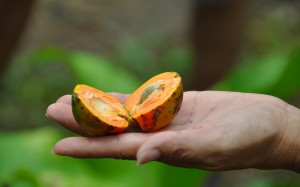
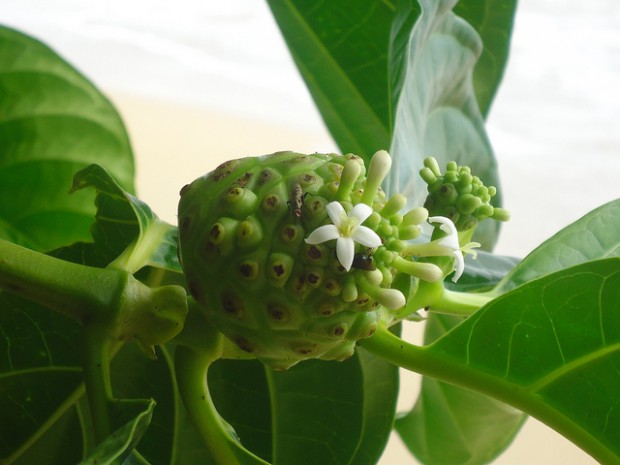
Residents enjoy healthy boxes of farm fresh organic produce twice weekly and access to incredible superfoods like noni juice, kombucha, and raw cacao at the farmers’ markets. There is also a farming cooperative in Playa Cocles in Puerto Viejo for those who want to get their hands dirty and help grow their own produce. There are also a few organic healthy cafes, even an entirely raw foods cafe. This makes it very possible to eat organic and healthy in Puerto Viejo.
The Tierra de Suenos health center in the Playa Chiquita neighborhood offers unique health opportunities for visitors and residents. The center works to heal individuals from all over the world suffering with chronic disease. There is an onsite holistic health consultant who works with community members on an as needed basis as well. Many residents in Puerto Viejo visit this center for a basic health analysis, to purchase vitamins and herbs, and for assistance with cleanses.
Lake Atitlan, Guatemala
This gorgeous lake surrounded by rainforest, mountain trails, and volcanoes is one of the top destinations for nature lovers in Guatemala. The clean mountain air and abundance of outdoor activities make it easy for residents to lead a clean, active lifestyle.
Some of the outdoor enthusiasts who fell in love with Lake Atitlan’s natural beauty decided to move here and contribute to the healthy lifestyle. Atitlan Organics is not only providing organic produce for much of the community, they also support local farmers with the intention of building a cooperative of farmers. They sell produce at the local farmers’ market and offer tours of their farm.
The La Voz organic coffee farm grows organic fair trade local coffee. Coffee lovers can enjoy some of the healthiest and best coffee in the world here and even take a tour of the farm.
The town of San Pedro de la Laguna is an expat’s health mecca with international restaurants ranging from all organic to Asian to vegetarian and vegan. They have daily yoga classes as well as retreat centers for those interested in a deeper immersion or a cleanse. The local hot springs are a great way to relax after a work week and you can dine on organic food while soaking.
Playa Gigante, Nicaragua
G. Gill
The Pacific coast of Nicaragua is an ecological paradise and most of the coast enjoys quiet serenity with no crowds and few tourists. Playa Gigante, known by travelers for its surfing, is a quiet little town that some expats looking for a laid-back lifestyle in an authentic surf and fishing town call home.
Many centers have opened that gear specifically towards health and wellness tourism, which presents the opportunity for those with plans to open a wellness-focused business or healthy restaurant. Residents can also enjoy many of the yoga classes and wellness packages offered at these centers.
Papaya Wellness has all kinds of yoga classes, pilates, and qi gong as well as Ayurvedic consultations, nutrition classes, and raw food preparation courses. Aqua Wellness Resort offers body work as well as healthy vegetarian meals.
Nosara, Costa Rica
Possibly the healthiest town in all of Central America is Playa Guiones in Nosara in Costa Rica. The town sits on a stunning white sand beach with perfect surf waves surrounded by jungle.
Costa Rica has the highest concentration of wellness businesses and eco tourism, so it’s not surprising that one of the healthiest towns resides here. Nosara first became a popular destination decades ago when the Nosara Yoga Institute opened its doors and began the yoga revolution in Costa Rica.
Today expats enjoy an incredibly healthy lifestyle. There is an abundance of physical activities like stand up paddleboarding, kick boxing, pilates, yoga, and even stand up paddleboard yoga.
Raw cafes, juice bars, and even an organic grocery store are available to keep residents from missing their former lives of shopping at Whole Foods. You can order from the community farm cooperative, frequent the farmer’s market, or stop by the organic grocer any day of the week for organic produce.
Being healthy abroad is easier than many people realize. Towns with health-focused expat communities tend to have healthy options already, but if you find the town you want to relocate to is missing something perhaps that’s your opportunity to open your own wellness business.

Robert Lesser
The capital of Costa Rica, San Jose, has been a popular destination for expats from all over the world for decades. With direct flights from its international airport to many U.S. destinations, access to plenty of stores, art museums, theaters, outdoor organic markets, and plenty of community events it has many of the conveniences of cities in the first world.
Being the capital city it also has the highest concentration of businesses, which is a big reason why many people live here. It’s not uncommon for expats to move to San Jose, Costa Rica for a business opportunity or a work transfer. One of the benefits of living in San Jose is that it is a major transportation hub for exploring the natural beauty of Costa Rica.
Here is a list of trips that are under an hour and half car ride from the capital city of San Jose that can be experienced in a day.
Limoncito Beach
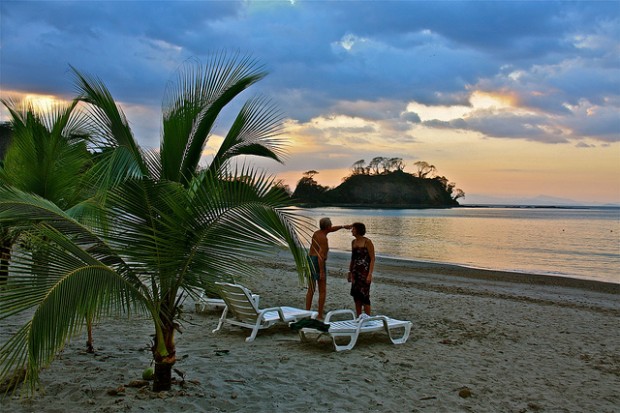
Samilia
Costa Rica is world famous for its beaches, and the popular beach town of Jaco, just an hour from San Jose, brings vast amounts of tourists particularly from the United States every year. The town of Jaco has a mixed reputation and has been criticized for being overly commercial and North American.
People who are looking for the peace and tranquility of some of the less tourist-frequented beaches in Costa Rica but only have a day away from work to explore should check out nearby Limoncito beach.
Limoncito is just 15 minutes from Jaco, and less than an hour and a half from San Jose central. The landmark for this beach is a luxury hotel called Punta Leona, but day trippers can enjoy the secluded white sand tropical beaches on their own.
Avid surfers will enjoy the clean, fun, easy waves in nearby Jaco where most of the country’s surf competitions are held.
Poas Volcano

Nate Hughs
This active volcano and its surrounding national park is considered one of the most breathtaking sites in all of Costa Rica and is just an hour drive from San Jose.
The main volcano crater is a mile wide and is a dramatic site with a sulfuric pool that emits bubbles and smoke into the air and an exceptional view of the surrounding area. In the crater is a stunning blue-green lake called Botos Lake.
The park itself is dense with vegetation and wildlife. There are many species of birds including the quetzal, the hummingbird, and the black guan. Marmots, coyotes, rabbits, squirrels, snakes, frogs, and many insects can be spotted as well. The park is made of cloud forest, mountain rain forest, and of course the incredible craters.
On clear days it is possible to see both the Atlantic and Pacific coasts from the volcano.
This park can be revisited many times as there are 68 miles of trails through coffee plantations, flower fields, forest, and crater lakes. It makes a great escape from the city when you have a short amount of time.
La Paz Waterfall Gardens

Steve Stevens
On the slopes of the Poas Volcano in the Central Highlands are the La Paz Waterfall Gardens. In addition to the five incredible waterfalls, these gardens boast the largest butterfly conservatory in the entire world, a frog pond, hummingbird gardens, and more.
There are three kilometers of trail that wrap around the waterfalls for optimal viewing. At the end of the trail lies the hummingbird garden with 24 species of hummingbirds. The butterfly conservatory has butterflies flying freely and you can observe their entire life process. There is even a lake where you can fish for your own trout.
Irazu Volcano National Park
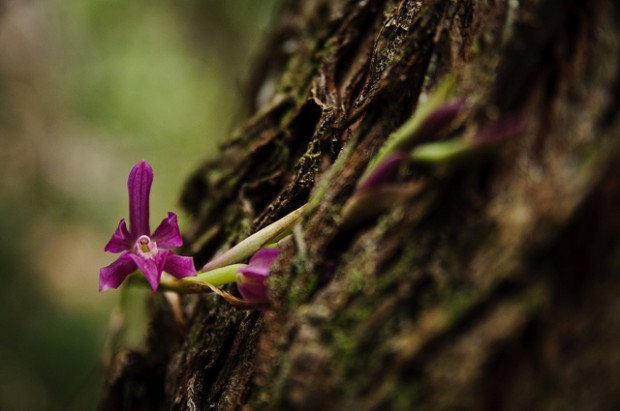
Richard May
Another active volcano close to San Jose in Cartago, about an hour drive, is the Irazu Volcano and National Park. The park covers over 5,000 acres of immaculate primary, secondary, and cloud forest.
The volcano itself has several craters, but the most famous are the largest which is 900 feet deep and emits steam and the Diego de la Haya with a mineral rich lake that transforms in color from deep green to crimson red. From the top of the volcano it is possible to enjoy views of the Atlantic and Pacific Oceans.
The park terrain is rugged yet is still filled with wildlife including armadillos, foxes, owls, woodpeckers, coati, and hummingbirds.
Deciding to move to the city of San Jose makes exploring the incredible nature of Costa Rica a breeze. These are trips that can be done in a day, but if you have an entire weekend most places can be reached in three to four hours including some of the most beautiful beaches in the world.

Arturo Sotillo
Nationals and residents of Costa Rica seem to all share one integral thing: a deep love for the country that surrounds them. Native Costa Ricans, expats, and even travelers who have spent time in this land of monkeys, waterfalls, and surfing, speak about the area with deep admiration and pride.
Costa Rica has become one of the most popular places in the world for North American retirees and expats to relocate. What exactly is it about this beautiful country that lures people to pack their belongings and invest their lives there?
Here is our list of the top ten reasons that inspire many people to make the move to Costa Rica.
1. Stunning Nature Abounds
Costa Rica is literally covered in natural wonders. It has epic volcanoes with spewing lava that create natural hot springs you can soak in. It has tall mountains you can climb to see the Atlantic and Pacific coasts.
It has hundreds of miles of shoreline varying from black to pink to gold to white. It has dolphins and whales for you to watch on and off shore. The sea varies from enormous waves for exciting surfing to calm and still for snorkeling and diving.
The land is covered in old growth trees, swaying palms, and beautiful flowers. Rushing rivers and waterfalls flow through mangrove forests or reveal themselves deep in the jungle.
Animals take refuge in the lush landscape and the Osa Peninsula is one of the most biodiverse places in the world. Howler monkeys live in the trees in your backyard. Sloths cross the road causing traffic jams. Toucans and scarlet macaws fly over your head.
Costa Rica is easily one of the most magical and beautiful countries on Earth.
2. Great Healthcare is Affordable
Healthcare is top-of-the-line and inexpensive, which has brought a new kind of tourism to the country: medical tourism. Hospitals in the capital of San Jose offer world-class care. Procedures including dental work, surgeries, and more are available at a fraction of the cost of the U.S. and are extremely high quality.
Costa Rican citizens receive free healthcare and residents can pay a low fee to join the national healthcare program. Private healthcare plans are incredibly affordable starting at around $50 per month. Even the out-of-pocket medical costs for those with no coverage is staggeringly low compared to the U.S.
3. Comfortable Climate Year Round
While there is a distinct wet and dry season in most of the country, temperatures on both coasts average between the high 70s and low 80s year round. Even in the rainy season there is typically some sunshine every day. This comfortable weather allows you to enjoy outdoor activities and nature every day of the year.
4. Its Proximity to North America
The capital city of San Jose is an airport hub for flights to North America and has inexpensive, direct flights to major cities in the U.S. including Houston, Fort Lauderdale, Boston, and New York. These flights often cost less than national flights across country. This makes it easy to stay close to family, have visitors, and run home to stock up on certain comforts that can’t be found in Central America.
5. The Established Expat Community
Because Costa Rica has been popular among expats for years it has a well-established supportive community in most of the coastal towns as well as in San Jose. These communities have created excellent schools for children, health-focused stores, markets, restaurants and cafes, and other practices like yoga, pilates, and bodywork.
The communities are very supportive and make integration into a new country much easier. Living in a small town with like-minded people, you may even find yourself in a closer community than the one you were in back home.
6. A Healthy Lifestyle
Eating less processed foods and more local fruits and vegetables, being outside with nature every day, and using your body to achieve more tasks are all changes that take place for most people who move to Costa Rica. Many report losing weight because they become much more physically active.
The slower-paced lifestyle and immersion in nature help one to fully relax which is incredibly health beneficial. Not to mention, outside of the city there is much less pollution and toxic fumes than cities in North America.
7. The Stable Government and Economy
Costa Rica abolished its army in 1950 and has kept its spot as one of the most stable democracies in the world since then. It is the only country in Latin America to make the list.
The economy is also experiencing steady growth with greater foreign investments as well as tourism which bodes well for those looking to invest in the country.
8. Kind, Generous Local Culture
Local Costa Ricans, Ticos, are some of the most hospitable, nature-loving, peace-oriented people on earth. They love their country and are welcoming to tourists and expats who love it too. Costa Rica has a 95% literacy rate and nationals are highly educated.
Raised in an amazing ecological environment, most are quite knowledgeable on plant medicine, wildlife, and other aspects of nature that many people in North America never study.
The smaller coastal towns tend to have very integrated communities where locals, long-term tourists, and residents are friends. It’s also fairly common for families to be multicultural with one local Costa Rican parent and one foreign parent.
9. Outdoor Adventure Opportunities
With unlimited hiking trails, white water rafting, excellent swells for surfers, rivers for kayaking, and standup paddleboarding, Costa Rica is an adventure lovers dream. High adrenaline activities are very popular here including ziplining and bungee jumping. In Costa Rica, even a simple walk on your nearby beach can become an adventure.
10. The Pura Vida Lifestyle
What may truly set Costa Rica apart from the rest of Central America is its dedication to the words “pura vida”. Pura vida is more than a phrase, it is a way of life. When locals say “pura vida” it is a reminder to themselves and the rest of the world to relax, let things go, and be grateful for what you have.
Isn’t that why most people get off the grid after all?
It may not be the place for everyone, but Costa Rica is an exceptional option for anyone looking to live abroad in Latin America. These are just a few of the many reasons to move here.

Yassif Garcia
From its origins as a hippie beach destination in the 1960s to its present-day reputation as a surfing hotspot, Montanita Ecuador has been luring tourists and expats to its golden shores for decades. And with some of the country’s most lively attractions and colorful characters, it’s a place that’s guaranteed to keep even the most intrepid traveler on their toes.
With a name that means “Little Hill,” Montanita is situated on the country’s Santa Elena peninsula. Just over two hours from the bustling port of Guayaquil, this multi-cultural mecca boasts one of the most beautiful beaches on Ecuador’s south coast.
It’s grown considerably over the past 50 years, but slowly. It has all the modern conveniences most tourists and expats expect, including fancy restaurants and resort hotels. However, it’s not quite as crowded as some of the country’s other beach destinations, like nearby Salinas.
But don’t be fooled. Montanita has all the ingredients for an exciting tourist destination. Or a really rowdy frat party.
Ranging from the riveting to the risque, here are a few facts about Montanita, Ecuador, that are sure to intrigue any visitor or would-be expat:
1. Montanita, Ecuador, has some of Latin America’s most challenging waves.
As it turns out, those hippies were onto something when they stumbled across this sleepy little fishing village in the 60s. They pitched their tents on the beach and took up residence (and surfing), and eventually word began to spread.
Today Montanita attracts surfers from all around the world. It boasts strong, consistent waves that can get as high as one meter (over 3 feet) during the calmer summer months. Likewise, during the late fall and winter, especially January through March, waves as large as 2 meters (6 ½ feet) have been recorded.
With its excellent waves and good tubes, Montanita presents a challenge for beginners while still remaining tricky enough for even the most advanced surfers. The surfing in Montanita has earned a spot on the international surfing circuit, as well as a place in the town’s annual Carnival celebration. An international surfing competition now holds a spot on the agenda of the February festivities.

Yassif Garcia
2. Montanita is a cultural phenomenon.
A town that started with a handful of local fishermen and a few foreign hippies has evolved into a vast cultural melting pot of people from all nations and walks of life. In addition to U.S. expats, residents of Montanita include Argentinians, Jamaicans, Russians, Australians, Canadians, Germans, and an assortment of other Europeans.
As diverse as their nationalities are the lifestyles of those who live in Montanita. As opposed to the rest of Ecuador, which remains fairly conservative, differences are celebrated–applauded even–in Montanita. Locals voice approval to same-sex couples who show public affection, something that would be frowned upon elsewhere in the country.
The city promotes the ideas of tolerance, acceptance, and maybe even a bit of rebellion. Peace signs adorn cars and t-shirts, as does the image of the famed Marxist revolutionary Che Guevara.
3. “The party don’t stop” til the wee hours of the morning.
It could be said that Montanita, Ecuador, is a partying town with a surfing problem. Its streets and shores are dotted with bars, clubs, and cabanas serving up the local brews and the local gossip. And, man, is it juicy.
For those seeking a mellower party experience, there are open-air cafes with drink specials galore. You can even relax on the beach in the evenings with the few other stragglers who haven’t wandered into the town to party hard. A centrally-located cliff serves as a great barrier to separate the buzz of downtown nightlife from the more tranquil side of the village.
On the other hand, those who want to party ’til the break of dawn will not be disappointed by what awaits in Montanita. You’ll find several dance clubs blaring techno music into the streets, and on any given night the sand usually thumps with beach parties where local DJs spin house music. Flyers around town promote all-night raves.
4. The weather in Montanita ranges from hot and humid to outright sauna.
Montanita is located on the coast of Ecuador, just one degree from the equator. It has a tropical climate and no elevation to provide relief from the heat. As weather conditions go, those in Montanita aren’t among the more bearable.
Like most tropical climates, the temperature doesn’t fluctuate much throughout the seasons. The low rarely falls below 70, and the highs are usually in the mid 80’s. That sounds nice, but when you factor in the humidity it often feels much hotter.
Montanita’s rainy season runs from December to May, and thankfully most of it falls during the evening and night hours. Regardless, though, many swimmers and surfers are willing to brave a little drizzle in order to avoid any downtime in their beach-going experience.
5. If it’s illegal in the States, it’s likely accepted in Montanita.
There are a lot of words you could use to describe Montanita. Wholesome isn’t necessarily one of them. While it isn’t exactly overt, drug use is common on Montanita’s beaches and streets and in its clubs. It’s not in your face, but at the same time you don’t have to look terribly hard to find it.
While the use of illicit drugs is technically illegal in Ecuador, it seems to be openly tolerated in Montanita. In fact, the city has earned the nickname “Little Amsterdam” for its tolerance of marijuana. Many of the vendors who peddle their wares along the beachfront actually do so as a front for a much more lucrative enterprise.
And, hey–like at any good frat party–when the alcohol gets to flowing, the inhibitions start to disappear. Montanita is no exception to this rule. At least one of its beaches is known as a place where many women sunbathe topless.

Nicolas Pena
6. Montanita is a place for adventure seekers.
While you’re more than welcome to sit back, relax, and enjoy some bird-watching, or just people-watching, Montanita is best suited for those with a thirst for adventure. In addition to its world-class surfing, it’s also a great spot for scuba diving, fishing, or even land exploration.
A small mountain to the north (called “The Point”) separates Montanita from the more peaceful beaches of neighboring Olon. A hike up to its peak offers some incredible views of the ocean and beaches. The southern end of Montanita borders Manglaralto. With a name that literally means “high mangrove,” its estuaries offer great opportunities for fishing and exploring.
The lush hills that surround Montanita can be explored on bike or horseback, as well as on foot. Many travelers hike or bike the few miles to the waterfalls at Two Sleeves and Olon. Wildlife, such as exotic birds and turtles, can also be seen at the Valdivia Aquarium and nearby Machalilla National Park.
However, if your idea of travel or retirement doesn’t involve exercise, Montanita also offers much in the way of amenities and modern conveniences. It’s home to several top-notch hotels, restaurants to suit any taste and budget, and shopping from a variety of stores and vendors.
7. With its low cost of living, you might just end up extending your trip to Montanita, Ecuador.
A lot of things to do around Montanita are really cheap, some free in fact. Like surfing or swimming. Restaurants offer meals for reasonable prices, like a nice dinner for $8 or a hamburger from a street vendor for $1.50. Bars and cabanas offer 2-for-1 tropical drinks during happy hour. Hostels can be rented for $20 per night, and even the nicer hotels are reasonably priced.
Travel to and from Guayaquil is reliable and inexpensive. And, should you decide to stay indefinitely, you can even rent a cozy two-bedroom place on the beach for as little as $600 per month. And, since Ecuador has one of the lowest costs of living in Latin America, you could expect to spend no more than $1200 each month (including rent), depending on your lifestyle.
So, maybe you’re looking for a place with a great vibe, where you can party with people from all over the globe. Or perhaps you prefer a destination where you can do some undisturbed people-watching from your lounge chair while sipping on a $2 daiquiri and soaking up some rays.
Come to Montanita, Ecuador, where you can do both.
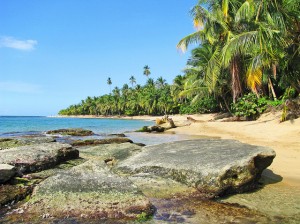
Ryan Cozie
Costa Rica is the most popular country in Central America, and one of the most popular in the world, among North American expats. With warm sunny weather, tons of national parks, and stunning beaches with great surf, what’s not to love? However many residents and travelers have never made their way to the Caribbean coast.
The Caribbean is easily one of the most beautiful areas in all of Costa Rica, has a unique culture, tons of wildlife, gorgeous beaches, great snorkeling, world class surfing, and is less developed, less tourist frequented, and less expensive than many other parts of the country.
Read on to discover why you should consider giving Costa Rica’s Caribbean coast a chance.
Stunning Beaches
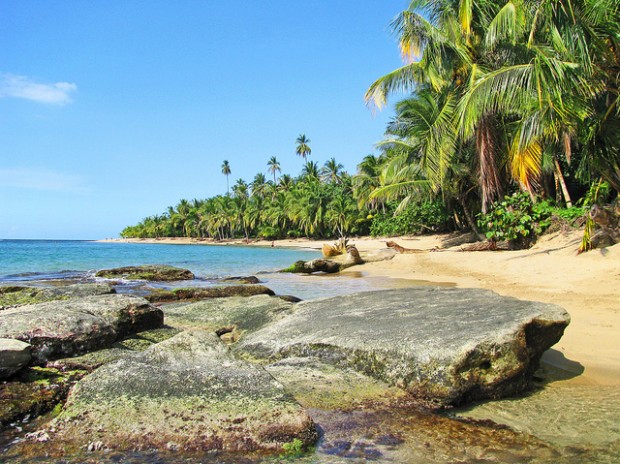
The South Caribbean has easily the most beautiful beaches in the country. In fact the beaches in the Manzanillo Wildlife Refuge are consistently listed by publications like National Geographic as among the most beautiful in the entire world. The sand ranges from powdery black to soft white to coarse golden. The ocean is much warmer than the Pacific and is a turquoise green color.
The surrounding coral reef offers excellent snorkeling and diving.
All of the beaches are jungle-backed which makes you feel like you are truly in a deserted part of the world. Imagine waking up in the morning and walking down a jungle path to a completely uninhabited undeveloped beach.
The coral reef and weather changes also give the ocean a lot of versatility. It can range from stormy with enormous waves for advanced surfers to completely flat and perfect for kayaking, snorkeling, and paddleboarding.
Who wouldn’t want to live on some of the most beautiful beaches in the world?
Caribbean Culture
A truly unique aspect of the Caribbean is its culture. Caribbean Islanders came about a hundred years ago and brought with them many traditional foods, art, music, and dance. Rice and beans are steamed in coconut milk, fresh lobster is stewed in curry, and plantains are fried Puerto Rican style. Reggae music plays on the streets from beachside bars and live Calypso music can be heard almost nightly.
The Caribbean vibes add the “don’t worry be happy” mentality to the “pura vida” philosophy that already exists in Costa Rica as a whole.
Most locals in the South Caribbean speak English which can bridge the gap for many expats who have just moved to Latin America.
Less Tourists
Costa Rica in general can get a bad rap for being overly touristy and developed. When choosing a place to relocate and live, a tourist-trodden place is unappealing for many people. Like some of the smaller, less-discovered towns on the Pacific, the Caribbean is still relatively remote, undeveloped, and is avoided by many tourists. This helps keep many of the beaches empty and relaxing for residents.
The tourists who do come tend to be eco-conscious individuals who are studying permaculture, wildlife, or yoga or adventure-seeking backpackers. These types of travelers tend to steer clear from expensive luxury hotels and restaurants which explains why the towns still have their rustic charm.
National Wildlife Parks
The South Caribbean has several wildlife reserves including the Cahuita National Park, the Manzanillo Wildlife Refuge, and the Tortuguero National Park. Cahuita is best known for its wildlife and excellent snorkeling. Manzanillo has breathtaking beaches, viewpoints, and hiking trails.
Tortuguero has stunning mangroves, rainforest, and is a popular place to watch turtles lay their eggs during laying season or watch the baby turtles make their way into the ocean. Tortuguero is much less established as an expat community compared to the towns in the South Caribbean, but exploring the national park is a great side trip.
The many animals in these national parks bring tons of wildlife to the area. It’s not uncommon on the main roads in these Caribbean towns to see sloths, monkeys, lizards, all kind of birds, and maybe even a wildcat.
Lower Cost of Living
Costa Rica is one of the more expensive countries in Central America which is difficult for some North American investors or retirees hoping to live a lower cost life abroad. The Caribbean, because it is less established among tourists and investors, tends to be much less expensive with respect to rental properties and purchasing land.
Strong Expat Community
The South Caribbean has an already established expat community which brings tons of events and support to the area. There are many expats from North America but also from all over the world; Argentina, Italy, France, and Israel just to name a few.
There is a lovely expat-run private school which ensures solid education for children. A local farming project involves the entire community in planting and creating a farm where participants will then receive farm boxes with every harvest.
There is also a weekly farmers market and an organic produce distribution program. Some expats have even begun selling their own homemade cheese, bread, and kombucha door to door to people on their email lists.
Events to involve the community like monthly organic dinners, movie nights, beach cleanups, and barbecues happen frequently.
If you are considering a move to Costa Rica, or anywhere in Central America, consider spending some time on the Caribbean Coast. Many expats have positively fallen in love with the gorgeous scenery, the lovely people, and the unique culture.

Central America has become a tourist hotspot for those looking to surf epic waves a short plane ride away. Some surfers fell in love with the beautiful landscape, the warm people, and the excellent surf and decided to create a home for themselves.

Mark Veraat
There is plenty of undiscovered stunning coastline and great surfing all over Central America. But for those looking to live or invest, what are the surf towns that you could actually live in?
We’ve compiled a list of the towns that have strong communities and basic amenities for those who enjoy a side of comfort with their morning surf.
Tamarindo, Costa Rica
Tamarindo is Costa Rica’s top destination for surf tourism. Surf schools are aplenty and surfing has become integral to the local culture. All skill levels can surf here as there are beach, rivermouth, and reef breaks. It is also located near many other beaches for surfing day trips. Just north of Playa Tamarindo are Witch’s Rock and Ollie’s Point, which became world famous from the film Endless Summer II.
Located a short one hour drive on a paved road from the Liberia International airport, Tamarindo is highly accessible from North America. As a result it is one of the most tourist frequented towns in Costa Rica and the tourist businesses thrive. There are also many more amenities here than in other parts of Costa Rica, including plenty of restaurants, shopping, and bars. This gives the area a fairly North American feel, which some people may enjoy while others may not. However outside of town it is still possible to find peace, tranquility, and even waves all for yourself.
Santa Catalina, Panama

Guillermo Duran
Until recently Santa Catalina was a secret kept by the locals who enjoyed its excellent surf. While still a small, quiet town, Santa Catalina is the top surf destination in all of Panama. It is now bringing surfers from all over the world and actually hosted the 2010 ISA World Master’s Surfing Championship.
The influx of health conscious surfing expats in recent years has developed an overall health conscious attitude in the area. It is one of the few towns in all of Panama that has health food and yoga.
The town is still difficult to access which has kept it quiet and relatively undeveloped. Consequently land prices, even beachfront, are quite low. However Santa Catalina is rapidly paving its way as the next big surf destination in Central America which makes investing now an excellent opportunity.
Playa Guiones, Nosara, Costa Rica
Playa Guiones (sometimes called Nosara after the region it’s in) is one of the most beloved towns in all of Central America by expats, and in large part due to the surf. It has some of the most versatile surf in the country with waves surfable at any tide level.
At the shore are clean rows of white water for beginners, further out is an intermediate break, and on the outside are expert level waves. There is also a volcanic reef break at Playa Pelada as well as rivermouth break near the Nosara River for experts. Plenty of other nearby beaches have great surfing as well.
The town itself boasts two exceptional private schools, several world class yoga retreat centers, delicious international cuisine, raw health food cafes, kickboxing, pilates, and tons of other activities. There is an organic grocery store in town as well as a farmers’ market and local organic produce delivery service. The town is known for its strong expat community and dedication towards health and sustainability.
San Juan del Sur, Nicaragua

Jeff R.
This crescent-shaped bay surf town is the gateway to many of Nicaragua’s best beaches. Just across the border from Costa Rica’s famed Nicoya Peninsula, San Juan del Sur enjoys similar weather, landscape, and surf. Playa Maderas is a twenty minute drive from the center of San Juan del Sur and picks up most of the swells that hit Nicaragua. It is a fun spot for surfers of all levels.
San Juan del Sur is the most popular tourist destination in Nicaragua because of the incredible surfing opportunities. As a result there are many hotels, restaurants, bars, yoga studios, and plenty of other North American luxuries. It can become touristy and crowded at times, but the nearby beaches are often completely deserted.
Central America is a great place for surf lovers with the desire to live among world class waves. These are just a few of the best spots for those looking to relocate. What are some of your favorites?

There is no denying that Costa Rica is an incredibly beautiful country with much to offer. It has been a popular place for travelers and expats to relocate, set up businesses, and retire, for decades. The beaches are among the most beautiful in the world, the surfing is world-class, and many of the national parks are unrivaled.
However living in Costa Rica is not always a bed of roses. Let’s explore some of the more frustrating aspects of living in the land of Pura Vida.
1. Bugs Are Unavoidable

Taco Delgado
The many insects are practically impossible to avoid in most of Costa Rica. The country is covered in National Forest and protected jungles and consequently has plenty of bugs.
If insects particularly bother you, you will certainly struggle with the creatures that can often overtake your home.
Mosquitoes plague most of the beach towns, particularly on the Osa Peninsula and the Caribbean Coast. Those with sweet blood will suffer immensely without long pants and bug repellent.
Unfortunately some of the mosquitoes do carry dengue fever which make bites potentially dangerous.
Ants, especially the biting variety, are among the most offensive insects in Costa Rica. Standing on the road in sandals may leave you covered in ant bites that feel akin to tiny shards of glass.
The ants also are known for invading homes, which makes it imperative to keep your food safely stored in the refrigerator. It’s not uncommon for them to make their way into bags of sugar or swarm your counter if a drop of honey is left behind.
Termites are also big home invaders leaving piles of ground wood all over your home. After heavy rains they often hatch and fill the air.
Living in Costa Rica you may experience a slough of insects you never knew existed and witness some of the largest cockroaches you have ever seen.
2. Roads Are Poorly Maintained

Barbara Slavin
Costa Rica is known for its poor road conditions. Outside of major highways and cities, most areas lack paved roads and are covered in potholes. This explains why it takes so long to travel around this relatively small country.
Street signs and addresses rarely exist and are almost never used which makes navigating the roads very difficult.
In the rainy season the dirt roads often turn to mud and can become undrivable. Due in part to the poor road conditions many buses do not take direct routes, rather most meet at the hub in San Jose.
This can add an entire day to a trip traveling across a very short distance. Cars get worn very quickly driving on the potholed roads and breakdowns and constant repairs are common.
3. Systems Are Never Systematic

Adriatica
If you live in the United States, Canada, or another Western nation, the odds are you have become accustomed to certain systems, rules, and formalities to follow when paying taxes, setting up utilities, shipping parcels, and obtaining business licenses.
In Costa Rica those systems are hardly static. In fact, you will likely receive conflicting instructions from everyone you talk to. It’s not uncommon to arrive to a governmental office with all of your papers in hand, only to receive new information and be sent home.
Processes that you may expect to take weeks can take years. The mail system is also unreliable and it’s not uncommon for packages you send or those sent to you to arrive months late or never at all. For these reasons, living in Costa Rica requires great preparation, patience, and flexibility.
4. When It Rains, It Pours

MD Verde
Costa Rica is fantasized by many as a place with warm weather year round and gorgeous tropical beaches. This is true, however several months of the year most of the country can be flooded by tropical rain.
When the rain comes it often pours so hard it might be impossible to leave your house. Roads can become flooded. Power lines may fall, leaving you without running water or electricity. Your belongings may become damp and moldy without the sun to dry them out. Many more bugs and even snakes make take refuge in your home. For this reason plenty of expats head to sunnier parts of the world during the particularly rainy months.
5. There Is Such a Thing As Too Pura Vida

Frank Kehren
For many the “pura vida” is one of the most appealing aspects of living in Costa Rica. However it can certainly go too far.
Learning to slow down, enjoy life, take things as they come, and let go of expectations are all incredible philosophies to embody.
But waiting an hour before your server takes your order, waiting months for your housing agent to fix the hot water tank, never receiving your mail, losing electricity for days while the utility company takes its time, are all frustrating realities when living in Costa Rica.
You will often end up disappointed if you ever expect something, even a governmental transaction to be fast, simple, or easy.
Living in Costa Rica means hearing the word “mañana” (literally, tomorrow) often and you may hear the same thing the next day. You will quickly learn that “mañana” doesn’t mean “tomorrow.” It just means “not today.”
These things aside, many people still choose to live in Costa Rica and are happier than ever. This speaks to what an incredible place it is. However, if any of the above are an absolute deal-breaker for you, Costa Rica is probably not where you will rest your hat.


Adalberto Vega
Nicaragua just might be Central America’s best kept secret. For years it’s been considered by many tourists as too dangerous to explore. This has kept it more affordable and less developed than nearby Costa Rica which has been a tourist and expat hotspot for years.
Yet today Nicaragua boasts the title of being the safest country in Central America and is making a comeback.
For those interested in getting in before everyone else does, here is where to live in Nicaragua with the best to offer North Americans hoping to relocate.
Granada
Spend one moment in Granada and you will understand why some travelers showed up and never left. The beautiful, brightly colored Spanish colonial architecture and lively squares and markets meld the enchantment of a European city with a small Latin village.
Situated on Lake Nicaragua beneath the Mombacho Volcano there is plenty of nature to explore. Lake Nicaragua has hundreds of little islands that some people have actually purchased and built homes or restaurants on. You can explore these islands by kayak or boat tour. Mombacho has plenty of hikes and climbs that offer epic views of the lake and islands. Daytrippers can also go to the Laguna de Apoyo which is a swimmable lagoon in the center of an erupted volcano.
The natural beauty, local culture, and colonial architecture have already brought plenty of expats who have established their own community. Some have opened volunteering organizations to help conscious individuals get involved in the local community.
Expat-owned cafes, delicious international food, gyms, and spas allow you to experience comforts of home at a dramatically lower price tag. There is also a strong local arts scene which gives the town a more cosmopolitan feel.
Leon
Leon is known locally as a college town but many expats have begun to call it their home as well. If Granada is Manhattan you might call Leon Brooklyn. It has a distinctly hipper, more rustic vibe than beautiful Granada.
The open squares sit between beautiful old churches and offer the perfect gathering place for musicians, writers, and artists. The many museums and galleries are a big appeal for foreign transplants.
Like Granada Leon has plenty of wonderful local food as well as expat-owned restaurants, cafes, and bars. It is just as affordable as nearby Granada.
A huge appeal of Leon is its close proximity to the Pacific Coast beaches. Surf towns like Las Penitas and Popoyo are a half hour drive away and there are plenty of completely deserted sands to explore. Leon is also surrounded by eight volcanoes that adventure lovers can explore. The most famous is Cerro Negro which you can hike at night or volcano board down the side of.
San Juan del Sur

David Dennis
On the far southern Pacific coast of Nicaragua is the popular beach town San Juan del Sur. In recent years it has become one of the most frequented destinations in Nicaragua by tourists. Consequently more and more expats are beginning to live and invest here.
The surf can be excellent and nearby beaches are often deserted. Many expats choose to root themselves here for the conveniences of the many businesses and opportunities because of the tourism industry, while still being on a very beautiful beach. Excellent restaurants, cafes, bars, and even yoga studios bring plenty of North American comforts to the area. Because of its popularity with tourists prices tend to be more akin with Costa Rica just next door.
San Juan Del Sur does have the biggest party scene of all of Nicaragua which may not appeal to everyone. However it’s always possible to stay a little way out of town for complete solitude.
Las Penitas and Popoyo
On the coast a short half hour drive from Leon are some beautiful beaches for expats who want a more off the grid experience. Las Penitas is a quiet small fishing village with great surfing. It lies on the Isla Juan Vanado reserve which has turtle hatching that volunteers can observe or assist in.
Popoyo is another sleepy, relatively undiscovered surf town. Both are close to Leon for city comforts.
The Corn Islands

M. List
Out beyond the coast in the Caribbean sea the Corn Islands feel like another world. The local language is English, which will make relocation much easier for expats who do not speak Spanish. Both Big Corn and Little Corn island have a relaxed Caribbean vibe with very friendly communities.
The islands are covered in white sand beaches with flat glowing turquoise ocean. The sea is perfect for diving, fishing, kayaking, stand up paddleboarding, snorkeling, and sailing.
Big Corn Island has a local airport with two hour flights to Managua for city necessities. It also has roads, cars, and many hotels and restaurants. Little Corn Island is much less developed and accessible by boat from Big Corn Island. It has no cars and the entire island is a little over a mile in diameter but still has an expat community, a yoga studio, two dive shops, and a few restaurants. It is unspoiled paradise.
The Corn Islands are not for everyone but the expats who have chosen to move there absolutely love it. A few have created their own farms to have access to fresh local food rather than waiting for the freight boat that comes once per week from El Rama on the mainland.
Nicaragua is a diverse country in both landscape and culture. Many travelers are beginning to recognize the beauty of the country and its people and are deciding to root themselves there. One of these up-and-coming expat hubs could be the perfect place for you to create a new life.


Wouter Van Doorn
One of the biggest perks of moving to Central America is the overwhelming prevalence of nature. Undoubtedly the breathtaking vistas and endless opportunities for exploration have been the driving force behind many expats’ decisions to move here.
But recent studies suggest that the benefits of being in close proximity to natural environments may include more than just a nice view.
Researchers have studied both the short- and long-term effects of exposure to nature, and–based on their findings–it’s no wonder that people living in Central America enjoy a quality of life that rivals any area on the globe.
Being Outside Combats Two of the World’s Largest Contributors to Disease
People who spend more time in a natural setting have been proven to be healthier overall than those who don’t. Period. Among the specific improvements in their health were lower blood pressure and cholesterol, an improved outlook on life, and a reduction in stress levels.
Most notably, spending time in nature provides improvement in the areas of mental health and cardiovascular disease, which are projected to become the two biggest worldwide contributors to disease within the next few years.
Other indirect benefits cited include decreased feelings of depression, greater satisfaction with life in general, increased self-esteem, and a reduction in negative emotions such as anger and anxiety. People who spend considerable time outdoors also tend to be less aggressive and violent, less likely to procrastinate, and better able to solve problems.
It Has Nothing to Do with Exercise
You may be surprised to learn that the benefits gained from being in nature don’t even take your activity level into consideration, although people who spend more time outside do tend to be more active. Instead, it’s the mere contact with nature that seems to do the trick.
Several studies even used photographs of serene natural settings to achieve the same outcome, (but–don’t worry–you won’t need to resort to that when the beautiful landscapes of Central America are all around you). As little as 20 minutes per day spent in nature was enough to increase participants’ vitality levels by as much as 90% and eliminate feelings of exhaustion.
So, forget hiking or rock climbing. All you really need to do to improve your overall health and wellness in Central America is spend some time bird watching in a nearby nature preserve or taking in the sights, sounds, and smells of your own garden.
photo by Bill Tacular
“Clearing Your Head” Isn’t Just a Figure of Speech
The mechanics behind what actually happens when you spend time in nature really aren’t all that complex. And, when you consider the fact that humans have lived in rural settings for centuries but only in urban environments for the past few decades, this really shouldn’t have been such a hard conclusion for scientists to reach.
Urban environments, where we’re surrounded by things like traffic and technology, serve as a continual drain on our mental resources. We’re bombarded by stimuli, making it increasingly difficult to focus, rest, or recharge.
Nature, on the other hand, has an innate ability to capture our attention. When we focus on the natural world around us, our brains are given a break from all of the artificial attractions that normally compete for our awareness. By contemplating nature, we involuntarily shut off a large part of our nervous system activity, giving our brain the time it needs to refuel.
By isolating the part of the brain that performs more focused introspection, we also increase our creativity, attention span, and performance on a number of cognitive tests. And the longer the better. Participants of one study improved their scores by 20% after a 3-hour hike. However, those who were gone for four days saw an improvement of 50%.
Contact with Nature Is Even More Crucial for Expats
In one particular study, the benefits of being in nature were found to be even more important for those in an unfamiliar setting, such as expats living abroad. It gave these individuals a greater sense of identity and oneness with their new country. They tended to feel more integrated, rather than isolated. They also reported a greater sense of possibility and empowerment.
Being in nature has also proven to benefit entire communities, as it often lends itself to increased social contact and cohesion. Parks and community gardens provide opportunities to socialize. Environmental volunteer opportunities allow locals and expats to bond through social connections and a shared sense of commitment to the local environment.
How Moving to Central America Can Be Beneficial to Your Children’s Health
Increased time spent in nature has been linked to the reduction of many of the chronic health conditions that increasingly plague America’s youth, such as obesity, asthma, ADD, and ADHD. Not to mention mental health concerns like depression and anxiety.
A growing problem in the U.S. is vitamin D deficiency, which has been linked to cardiovascular problems later in life. Vitamin D is produced by the skin after sunlight exposure. This nutrient is important for a number of bodily functions and is essential for the proper absorption of calcium.
With an abundance of natural settings to choose from in Central America, your children could benefit from the scientifically-proven increase in good health and happiness that comes from free and unstructured play outdoors. Research has shown that it improves children’s independence and sense of self, their cognitive development, and their overall well-being.
Want to improve your ability to focus and your children’s ability to cooperate? Find out more about the benefits of moving your family abroad.