


If you’re considering buying property in Latin America, it’s easy to see why Panama would be at the top of your list. With affordable real estate, loads of investment incentives, and favorable tax laws, it’s a great place to live and invest.
But, while narrowing your search down to Panama is easy, what comes next is much harder. With such variation among its various cities, the task of deciding EXACTLY where to buy property can be daunting, especially as an outsider.
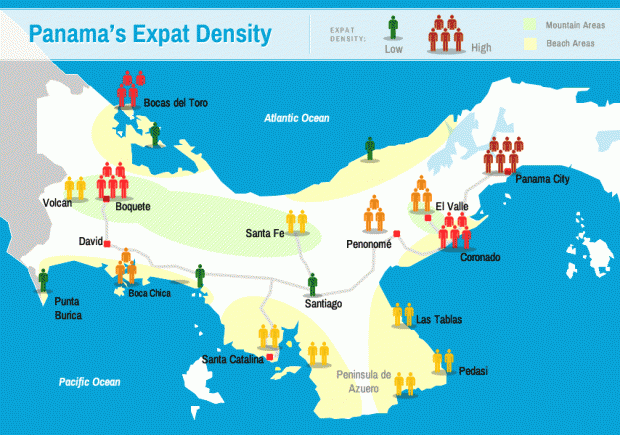
Use this map to learn the names of the areas where expats live in Panama and narrow your search.

Click for Larger Version

The Nicaragua 3 Count, where we bring you 3 Nicaragua stories that you shouldn’t miss.

Photo: Bialy
1. Granada: Here’s Why Expats Are Choosing this Colonial Gem
Granada is Nicaragua’s colonial gem. Many expats are calling this city home and for many good reasons. One couple’s reasons for choosing Granada goes well beyond its famous architecture and they say moving there was an emotional feeling more than anything rational.
2. Nicaragua Fast-Tracks Huge Canal Project
Nicaragua has dreamed of building a canal for hundreds of years. Now it is pursuing a plan to give a Chinese company exclusive rights to build the largest development project in Nicaraguan history. With little information and no public debate, the canal project was made public. Nicaraguans have no idea where the funding will come from, what the proposed canal route is, how long it would take to build, what the environmental toll would be, or even how much the project will cost.
3. Nicaragua’s Beaches Among the World’s Best
Nicaragua’s beaches on Little Corn Island are now ranked among the 100 best in the world. Located nearly 44 miles off Nicaragua’s Caribbean coast, Little Corn Island is approximate one square mile and known as being “low key, undeveloped and languid”, making it a perfect destination for tourist seeking a laid-back, relaxed vacation.
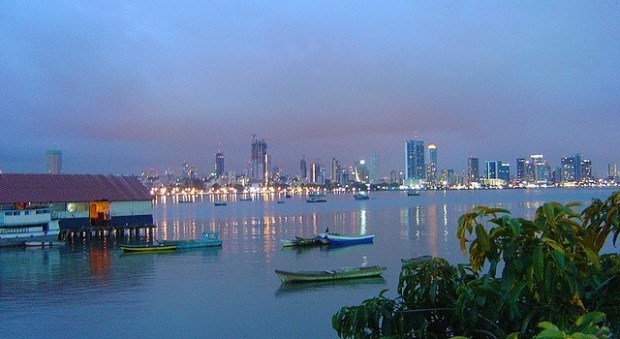
Panama’s government has shown time and again that they are committed to enhancing the country’s attractiveness to businesses, tourists, and investors. This was recently evidenced when Congress announced a budget of $16.3 billion for 2013, which includes infrastructure projects to the tune of $15 billion to be completed over the next 5 years.
This is good news for investors, particularly those who own real estate.
This record-breaking budget is a large increase over the $14.5 billion it spent in 2012, which was already up 11% over 2011. While these expenditures may seem a bit ambitious, they’re arguably justified for a country whose economy grew a whopping 10.7% last year.
In anticipation of continued double-digit economic growth, the government has planned additions to each of the country’s airports, the building of a Metro subway system, a multi-billion dollar expansion of the Canal, and many more infrastructure projects. The $16.3 billion budget also has $8 billion earmarked for education, healthcare, housing, jobs, and other social programs.
While its economy certainly stands to benefit from the enhanced infrastructure, Panama is already a great place to invest. With a gross domestic product of $30.68 billion, its economy is the third largest in Central America and the fastest growing. Because it uses the dollar as its national currency, those in the U.S. can do business in Panama with zero foreign exchange risk.
Panama’s location and its operation of the Canal have secured it a permanent place in the international trade scene. It also boasts a tax system that is pro-business, pro-investor, and pro-foreigner. In addition, Panama’s laws are quite favorable for anyone wanting to do business there.
Real estate, in particular, continues to be a good investment in Panama. The cost of living is low, making it a very attractive destination for expats and retirees. And you can’t beat the scenery. Panama enjoys a year-round tropical climate and a setting to suit any preference: bustling cities, mountain retreats, or beachside villas. These all combine to make the country a hotspot for short-term vacationers as well.
Another reason real estate is such a hot commodity in Panama is because the country’s infrastructure, which is primed for a $15 billion facelift, is already better than you’ll find in most of its neighboring countries. Also attractive to investors are Panama’s host of government incentives, such as property tax exemptions and duty-free trading zones.
What does it mean when third-world property gains first-world amenities? For the savvy investor who can spot a great deal on real estate, it could mean the difference in buying property that’s merely a good value versus getting some serious bang for your buck.
Sure, Panama–like any other destination–has its share of overvalued real estate. No amount of improvement is going to change that (other than making it ever-so-slightly less inflated). It’s always important to do your due diligence and make sure you’re working with a team you can trust. If you do that, you could stand to gain a lot from the planned capital improvements.
Better infrastructure goes a long way to make a place more attractive to businesses, investors, and tourists. As roads and other means of transportation improve, there are fewer barriers to doing business. Airport expansions equal more visitors to the country.
Systems that supply electricity, water, internet, and other utilities add even more value to a property. These features also help to make previously lesser-known areas more attractive to visitors. Plus, the government’s investment in infrastructure is prompting a secondary wave of private investment, as business owners try to capitalize on the emerging opportunities for increased commerce and tourism.
Of course, the hefty budget is not without its criticisms. Many who oppose the current administration label it as just a well-timed political stunt to gain favor before the 2014 elections. Others fear the debt created by the expensive projects will be more than the country can manage.
But Panama’s current leaders are confident the country’s continued growth will be more than ample to offset the cost of the planned improvements. A growing economy, they argue, warrants a bigger budget.
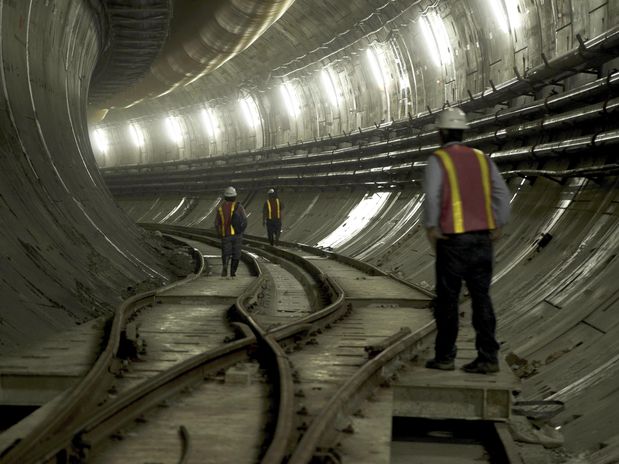
So, other than the Canal, a Metro line, and some better roads and airports, just where is all of this money going? Here’s a little bit more information about the projects, some of which are already underway.
Public Transportation
Approximately $1.5 billion will go to the construction of Panama’s first subway system, the Metro line. Also in the works is a Metro Bus system, which will run around $270 million.
Roads
Plans are underway to construct five highways, establishing a value added logistics industry that will reduce transit times by as much as half. These include the completion of the final stretch of the Panama-Colon Highway, connections to bridge gaps within Panama City, and improved access to Tocumen International Airport.
Additional improvements and road rearrangements will bring thousands of jobs to the interior of the country.
Airports
The budget calls for $100 million in improvements to Tocumen International Airport, in response to international travel and cargo demands. In an effort to improve connectivity with other areas of the country, additional improvements are planned to all of the other four national airports.
Cold Chain
The logistical benefits of an 8-market Cold Chain will enhance competition among Panamanian farmers and, consequently, promote development in less-populated areas of the country.
Governmental City
This $360 million hub will house a whole host of governmental agencies in one location, reducing leasing costs and improving communication between the various entities.
Financial Tower
This 70-story Financial Tower will accommodate 10,000 users. Home to the National Bank of Panama and the country’s Securities and Trade Commission, it will become an icon that symbolizes the nation’s role as a key player in the financial industry.
Electric Interconnection
Approximately $415 million is earmarked for the construction of an Electricity Transmission Line that will connect the Central American market to the Andean market by way of a substation in northeastern Colombia, reducing costs for end users.
Panama Canal
The addition of new locks is already underway and, once the $5.2 billion renovations are completed in 2014, the Canal is projected to more than double its revenue.
Bay Sanitation
This $538 million project is geared towards improving the sanitary and environmental conditions of the area in and around Panama Bay.
Hospitals
Five new hospitals are slated to open in 2013 in the provinces of Chiriqui, Colon, Veraguas, Los Santos, and Darien.
Curundu Urban Renovation
Also scheduled to open in 2013 is the Curundu Urban Renovation, which will provide 1,000 housing opportunities for up to 5,000 individuals. Various training and enrichment programs will be offered.
Howard Air Force Base Conversion
$750 million has been set aside for the conversion of Howard Air Force Base into a duty-free zone that will house logistics operations, call centers, and technology hubs.
Bridge of the Americas Reconstruction
Another $80 million will go towards the rehabilitation of the iconic Bridge of the Americas.
Air-sea Stations
These seven sites are being constructed for enhanced security and will cost roughly $37 million.
Correction Facilities
Four jails are being constructed to house 5,500 inmates. This $155.6 million project is being implemented to improve the rehabilitation of those imprisoned.
Mining Projects
Mining projects to extract copper and gold have the potential to bring in as much as $665 million in income to Panama’s economy in the form of royalties and taxes.

Las Tablas, Panama is a tiny town in Central America that’s being touted by some as one of Panama’s up-and-coming areas. While it may be true that there is some opportunity to find a Central American getaway at an affordable price, there are a lot of important factors for you to consider.
As with any decision, the choice to relocate to or buy a property in a particular area of Latin America depends 100% on you and the things you value most. It’s important to weigh out all the pros and cons and find the area that best lines up with your lifestyle.
But it’s hard to do that when you’re thousands of miles away, trying to research dozens of options on a 17″ monitor.
There’s no substitute for checking out a city or a property firsthand, but here are some important attributes about Panama Real Estate in Las Tablas, and some of their possible implications for you. Hopefully this information will help you make an educated decision about whether it could be a viable option for your retirement.
1. Location, Location, Location
If you’ve ever bought a house, talked to a real estate agent, or even watched more than 5 minutes of one of those house-hunting television shows, then you probably know the 3 most important factors in real estate: location, location, location.
Where is Las Tablas?
Las Tablas, Panama, lies near the eastern Pacific coast of Panama’s Azuero Peninsula. Note, we said the city is “near” the coast. Not on the coast. That’s important to understand because many marketers are promoting the area as being a beachfront area.
It’s not.
It’s actually nestled into a rural area and surrounded by farms and ranches. In fact, the city serves as the hub where locals from the surrounding agricultural areas go into town to do business. It’s also the capital city of the Los Santos province.
What’s it like?
Since Las Tablas is close to the Pacific Ocean, it has a hot, tropical climate. However, because it’s surrounded by farmland instead of rainforests, it’s somewhat less humid than many of its coastal neighbors.
What’s it near?
Although Las Tablas, isn’t directly on the coast, there are some decent beaches nearby. Uverito is about 10 minutes away, and Pedasi, with its relatively untouched expanses of beach, is a 45-minute drive.
It is also strategically located near a few cooler mountainous areas. For instance Cerro Canajagua, which offers some really nice views of the Pacific Ocean and the entire peninsula, is about 35 minutes away.
One thing Las Tablas is not near, is a major city. Panama City is almost 4 hours away by car, although nearby Chitre does offer a flight to the capital city. After a 15 minute drive, the flight to Panama City is about 35 minutes.
In summary
While Las Tablas, Panama, does offer some great attractions (i.e. mountains and beaches) relatively nearby, the town itself doesn’t have a whole lot to offer in terms of scenery. This can be good or bad, depending on what you’re looking for.
Because Las Tablas is missing that immediate proximity to a must-see geographic feature, property prices are relatively low. You can get a bargain if you’re willing to drive a ways to get to the beach or mountains or some decent shopping.
If you’re looking for a short walk to the beach or the convenience of driving into the city for the afternoon, you might want to keep looking.
2. Uncharted Territory
Most would-be expats understand the need to settle some important questions before they start their property search overseas (e.g. urban vs. rural, mountain vs. beach, etc.). Another important aspect to consider is the level of development of a particular area, which often translates into how saturated it is with other expats.
Who lives in Las Tablas, Panama?
Las Tablas, Panama, has roughly 25,000 residents. But few of them are expats. What this means is that the local businesses aren’t in the habit of bending over backwards for foreigners.
That doesn’t mean they aren’t friendly. Quite the contrary! The natives, called tablenos, are very courteous working-class people who take a lot of pride in their city. However, not a lot of them speak English, and you can expect all signs and menus to be in Spanish only.
How developed is it?
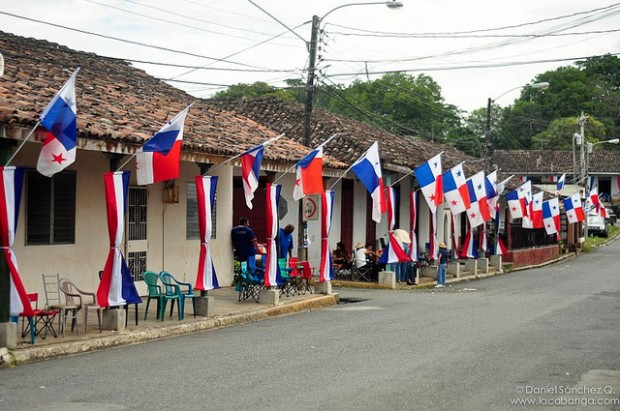
Las Tablas, Panama, is still off the radar of most foreigners. As a result, it isn’t overrun with new developments like many of the more popular destinations. For this reason, the city’s Spanish culture is all still completely intact. There’s a quaint town square, and all the buildings are Spanish-colonial style with red tile roofs and ornate ironwork.
The infrastructure is good, but not the best you’ll find. The town has a supermarket and a hardware store. There are Internet cafes and an adequate offering of banks, shops, and clinics. It’ll have what you need, but not all the same conveniences you might find in a place with a more established expat community.
And again, expect the doctors and other professionals to speak Spanish and be accustomed to dealing with Panamanians. You’ll also come up empty-handed when searching the supermarket for even the most common U.S. products.
What’s there to do?
Las Tablas, Panama, has restaurants and bars, and even a tiny casino (read: a few slot machines and a bar). But that’s about it. The real attraction in this Central American city is the authentic culture.
Most notable of all the native festivals the city celebrates is Carnival. Once a year the town comes alive with excitement as Calle Arriba (Uptown) and Calle Abajo (Downtown) compete to host the biggest and best celebration, complete with food, music, fireworks, games, and even a Carnival Queen.
In summary
Las Tablas, Panama, is the perfect destination for someone who wants to be close to tourist attractions, but not too close. Someone who wants a few modern conveniences, but not a McDonald’s on every corner.
If you’re fine with speaking predominantly Spanish and living like a local, then you should definitely look into relocating to Las Tablas, Panama. If you feel more comfortable living in a place where a lot of the people look and talk like you, then keep looking.
3. You Can’t Beat Panama
If there’s one really great thing that can be said about Las Tablas, it’s the fact that it’s located in Panama. From its pleasant climate to its stable, growing economy and favorable business and tax laws, this Central American nation consistently dominates every study done on the best places to retire.
The cost of living, the price of housing, the benefits to foreigners…it’s all good. Panama has a lot of really great destinations that offer a variety of different perks. This is just one of them.
What’s so great about Panama?
This Central American nation has made it very clear that they want expats to move there. Their list of visa and residency options is ever-expanding. Choices also include the Pensionado Visa, which offers discounts on everything from restaurants to airfare to medical procedures.
Speaking of health care, Panama’s is top notch. Many doctors, especially those in Panama City, are English-speaking and trained in the U.S. And health care costs are only a fraction of what you would pay in the States for the same services.
In fact, Panama is becoming a hub for medical tourism, as people are traveling from all over the world to have expensive, or even elective, procedures performed for far less money. This is made easy due to the fact that Panama is so easily accessible. Its location makes it convenient for travel throughout the Americas (although Las Tablas itself is a little further off the beaten path).
In addition to the quality of its health care, Panama boasts some excellent infrastructure. Its airports, roads, and utilities–while already good–are also in the process of receiving a $15 billion facelift over the next several years.
Panama also uses the U.S. dollar as its official form of currency, eliminating any exchange risk for foreigners. Its favorable tax laws enable expats to have the possibility of paying no taxes, in some situations.
Is this true throughout Panama?
So, Panama sounds great. But can you enjoy these same conditions throughout the country? In some cases, yes. In others, not so much. Obviously, things like visas and tax laws don’t vary from one city to the next. You’ll still get quality health care. But you might have longer waits and less options, especially if you’re at a public clinic. You’ll also have to travel to see most specialists.
Infrastructure is another place where you might see a difference in more remote areas. Roads and public transportation will be less prevalent and reliable. As will utilities and other conveniences.
What about the cost of living?
The cost of living in Panama is already good. The cost of living in Las Tablas, Panama, is really no better. You can enjoy a full lifestyle, including several nice dinners each week, for between $1400 and $1600 per month.
Rental rates, for a modest 3-bedroom/2-bath house (furnished), is between $300 and $500. For those wanting to buy a home, you can get the same size home for under $70,000. However, that will get you a typical Panamanian home with small, closed-off rooms. If you want a larger, more open-concept American-style home, expect to pay in excess of $100,000.
In summary
There’s a lot to love about Panama. And there’s a lot to love about Las Tablas, Panama. Just don’t assume they’re interchangeable. A lot of sources cite the benefits of living in Panama when they’re describing why you should move to Las Tablas. However, there are a lot of other options that have the same perks, but may offer more bang for your buck in terms of location, activities, infrastructure, etc.
The cost of living in Las Tablas is low. But it isn’t the lowest in Central America, or even in Panama. Property listings are cheap. But they’re not rock-bottom. If you’re going to sacrifice comfort and convenience, make sure you’re really getting a bargain.
Las Tablas, Panama, has a lot of things going for it, and it’s a great opportunity for the right would-be expat or investor. There are those who would love to call this quaint, undiscovered village home. If you think you might be one of them, explore your options to find the choice that’s best for you.
Zach Welty
As more and more visitors flock to Panama each year, the nation’s government has been increasingly intentional about encouraging Panama tourism investment. Panama is a country that welcomes foreigners, whether for the short or the long term. Its hassle-free visa options have made it a haven for expats. Its business-friendly tax laws have made it a great opportunity for investors.
Now with its recent piece of legislation, Law 481, Panama is creating a win-win for everyone. Law 481 is a bill that is designed to create incentives for those who wish to invest in tourism operations in specific areas, namely those outside of Panama City. As tourism developments crop up in remote areas, there are many groups who stand to benefit.
Obviously, the news is great for tourists who will have many more lodging and recreation options. It’s also a huge benefit for property owners who will likely see substantial property value increases from the presence of nearby amenities. The same is true for expats, who will enjoy many more conveniences and services brought about by the increase in tourist activity.
But the real benefit is for the savvy investor who can take advantage of the unprecedented incentives offered by Law 481. We’ll get into the details of the benefits the law offers to investors. But first a little bit about what prompted Panama’s government to offer such advantages.
The Situation
Panama has been targeting tourists for quite a few years now. In addition to incentives like these, they have also launched ad campaigns, and invested heavily in infrastructure. Improvements such as airport expansions, better roads, new utilities, and other enhancements have continued to make the country a more attractive destination for tourists.
And the government’s efforts have worked! Panama saw over 2 million international visitors in 2011, up 16.1% from 2010 and contributing $1.9 billion in foreign revenue. The number of tourists in 2012 is estimated to be around 2.2 million. The tourism industry received investments of $405 million in 2011 and an estimated $842 million in 2012. Panama City and its bustling tourist attractions have been compared to destinations such as Miami, Singapore, and Dubai.
Historically, Panama City is the country’s main hub for tourism. It draws tourists of all kinds and markets itself as an ideal location for conferences and business meetings. However in recent years the number of travelers who come to Panama seeking beach getaways and adventure tourism in the interior is on the rise. As is the number of business travelers who are deciding to extend their stay and venture outside Panama City.
The Solution
Law 481 is essentially the government’s answer to ensuring that the country can keep up with the demands of its tourists. This initiative offers incentives for the construction and operation of tourist lodging facilities outside of Panama City with a minimum $250,000 investment. Hotels under construction in Panama City, with a minimum $8 million investment, can also qualify for benefits.
The Incentives for Panama Toursim Investment
Here are the specific incentives offered to those who invest in tourist accommodations that meet the criteria:
-
20 year tax exoneration for materials, equipment, and vehicles used in construction
-
no import tax of vehicles used for ecotourism
-
20 year tax exemption for real property used for tourism*
-
no taxes or assessments on the operation’s capital
-
no fees for use of piers, airports, and heliports owned by the operation
-
no income tax on interest earned by investors
-
10% depreciation allowable on real property, excluding the land
*For operations in designated areas near historic landmarks, this period is 10 years. However, any improvements on the land are tax free for 30 years.
Projects near historic landmarks can also enjoy income tax exoneration on their profits for a period of 5 years. After that, they can deduct any losses they experienced as expenses and can claim them for 3 years after they were sustained.
Additional perks apply for projects in designated Special Tourism Zones. While most other incentives apply only to lodging, eligible operations in these zones can include convention centers, theme parks, zoos, marinas, and research and cultural centers. These types of businesses are eligible for income tax exemption for a period of 15 years. Investors can also enjoy no taxes for 20 years on interest earned on their investments.
The Opportunities
So, exactly what types of projects qualify for the incentives? Well, other than the previously mentioned operations in Special Tourism Zones, the law focuses on lodging facilities. This could mean anything from a world-class hotel on the beach with all the amenities, to a campsite in the jungle with nothing but rough plumbing. It includes cabins, family-run hostels (sort of like a bed & breakfast), individual units in larger buildings used as tourist accommodations, and even time-shares.
Just about any type of housing qualifies, as long as it is used for tourism. And these operations may also include the tourist activities carried on by the project. Think beach-side bungalows at a resort that offers some of the world’s best sport fishing. Or a rustic lodge designed to serve as a stop on a week-long jungle exploration. The possibilities are endless.
If you’re thinking of taking advantage of the government’s offer to invest in tourism, you’ll want to consult an attorney to help you iron out the details. A Panamanian lawyer can guide you through the ins and outs of buying property, starting a corporation, navigating immigration laws, etc.

Panama Guide
The Designated Areas
Here is a little more information on the Special Tourism Sites and the activities and adventure they offer.
-
La Amistad – Located in Chiriqui and Bocas del Toro provinces, this area is home to two national parks and is a prime spot for ecotourism. It also includes the mountain haven of Boquete, which is home to many expats.
-
Bastimentos – This area, located in Bocas del Toro province, boasts one of the country’s largest marine parks. It is home to beautiful beaches and is an ideal spot for diving or ecotourism.
-
Arco Seco – This region contains the coastal areas of Herrera and Los Santos, which are rich in Panamanian cultural events and traditions.
-
Farallon – Situated in the Panama and Cocle provinces, this area contains beaches and the Anton Valley.
-
Metropolitan – This section includes Panama City and the natural parks surrounding it. It is a hub for business activities, as well as historical and cultural attractions.
-
Portobelo – Located in Colon, Portobelo has beaches and reefs. It also contains a national park, as well as some historic ruins.
-
San Blas – This area is home to a series of islands and contains gorgeous beaches and reefs for diving.
-
Archipelago de Las Perlas – These islands are also home to beautiful beaches and reefs. In addition it is home to world-class sport fishing.
-
Darien – This remote region includes a national park and many more opportunities for ecotourism. It is also home to several indigenous people groups and ripe with culture.
If one of these areas speaks to you, we’d encourage you to dig a little deeper. Find out if an investment in Panama tourism is right for you.

Rita Willeart

The Guatemala 3 Count, where we bring you 3 Guatemala stories that you shouldn’t miss.
Kasper Christiansen
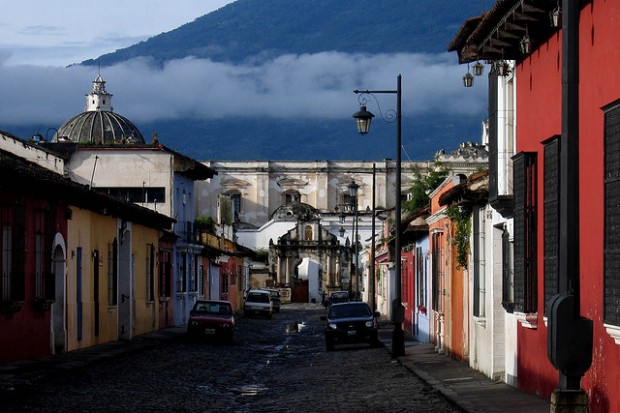
1. Antigua: The Perfect Place for an Escape
Antigua has everything to offer travelers, whether going for a weekend or for a month-long language course, here’s what travel blogger Natalie Compagno, from My LA Lifestyles, thinks is the best of the best of Antigua.
2. Take a Guatemalan Eco-Adventure: Cruise the Rio Dulce
The sparkling Rio Dulce in Guatemala is not one of the longest rivers in Guatemala but it is arguably the most famous among river cruisers, who claim it is crystal clear, with no pollution from heavy industry, just clean fresh water. This makes it an ideal habitat for a myriad of different wildlife and vegetation and of course a great place to take an eco-adventure.
3. Guatemala Is About to Change, Will It Help?
In an effort to help the international perception of Guatemala, its Tourism Institute intends to re-brand itself with an extensive public relations campaign as a safe and popular tourist destination. The project includes the creation of a national facebook page and Youtube channel, all which will be featured at www.visitguatemala.com.


Sal Falko
In recent years Central America has received an influx of North Americans investing in local business. Countries like Belize, Nicaragua, Costa Rica, and Panama have become increasingly popular places for baby boomers to retire. Why has this generation chosen to settle offshore?
Quality of Life
With warm weather year round and stunning beaches, lakes, volcanoes, and hillside, Central America has an appealing climate. Many small jungle beach towns are popular among tourists, making foreign investment a lucrative possibility. For those looking for city comforts, most cities lie in close proximity to incredible wilderness. Granada, Nicaragua sits near a stunning lake and volcano and also has great restaurants, nightlife, and culture. Plentiful fruit and vegetables and many outdoor activities also make healthy living not only possible, but easy.
Lower Cost of Living
Even more expensive Central American countries like Costa Rica offer a lower cost of living than the United States. It is very possible for individuals to live comfortably on less than $1,000 per month. Nearby Panama is even more affordable and food, entertainment, and lodging in Nicaragua is half the cost of Costa Rica. This low cost of living is incredibly appealing to baby boomers looking to retire and live abroad without sacrificing luxuries like dining out, maid service, and travel.
Proximity to the U.S.
Central America is an inexpensive, quick flight from the United States, making investment or a permanent move less daunting. Individuals are still able to visit their families or live part time in each place.
Return on Investment
While some investors plan to live and settle in Central America, others buy property simply to earn income from their investment. Property costs are low and vacation rentals can yield a good salary, making these foreign investments a popular choice for those looking to save for retirement.
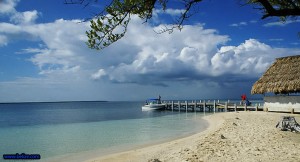
Belize is know for its amazing barrier reef, its culture and spectacular flora and fauna; with so much to do it’s no wonder visitors can get overwhelmed, especially when planning a trip to Belize on a limited budget.
Good News! There are plenty of things to do in Belize that are free or affordable. What follows is by no means an exhaustive list, but these are our suggestions of what you can see and do on a small budget.

Photo: A. Grandel
1. Placencia Peninsula
Stretching across a 12-mile-long peninsula, Placencia boasts a myriad of nature reserves and underwater oases along with postcard-perfect vistas. Rent a bike, about $12 for the day, and cruise the peninsula like a native Belizean or spend a bit more money and go on a kayaking manatee spotting tour.
2. Lamanai
Lamanai is a 960-acre Mayan site perched on the New River Lagoon in northern Belize and boasts the most masked Mayan crocodile art in Belize. Located in the Orange Walk District, the Lamanai temple complex sits atop the western bluff of the New River Lagoon and is surrounded by unbeatable rain forest vistas. Entrance fee: $10.
3. Hol Chan Marine Reserve
Hol Chan Marine Reserve is the oldest reserve in Belize. Encompassing three square miles, this densely populated aquatic zone is a sanctuary for stingrays, eels, and sharks, among other creatures. Separated into four parts, the mangroves, the reef, the sea-grass beds, and Shark Ray Alley, the reserve has flourished as a hot spot for scuba divers and snorkelers. Entrance fee: $5.
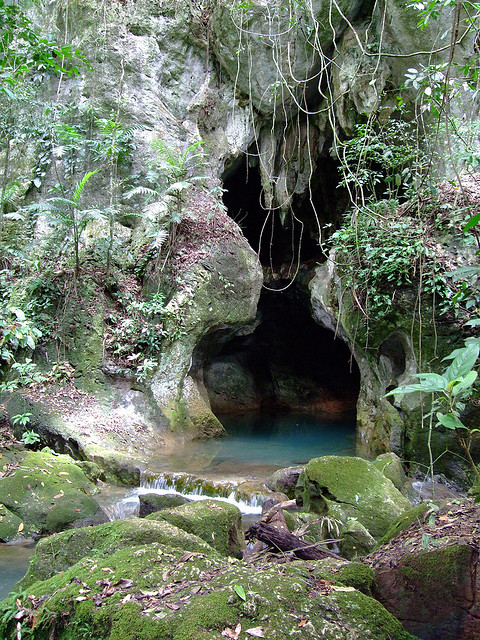
Photo: Viva Team
4. Toledo District
Go explore the southern district of Belize with a visit to Toledo, a dense rain forest region, and Belize’s up-and-coming eco-hotspot. Known by the locals as “the forgotten land” it is the least visited destination in Belize. What to do here: swim inside caves, discover sinkholes and waterfalls, or go a bit more deeper into the jungle and rediscover untouched Mayan ruins. Swimming the Blue Creek Cave, Toledo’s most popular destination, will set you back about $100 on a professional tour.
5. Belize Zoo
Stroll around this 29-acre zoo and you might think you’ve trespassed into a jungle. The zoo is small, but well worth a visit. You can see the different Belize cats such as Jaguar, but one word to the wise: Arrive early to beat the midday crowds. $15 per adult and $5 per child.
6. Belize City
The country’s business epicenter, splits into two distinct areas: the North and the South. Fort George lies to the north, an upscale neighborhood with the city’s landmark, a lighthouse overlooking the harbor. Most of the action in Belize is oriented around the city’s peninsula, which extends outward to the Caribbean Sea and peers over the northern cays. You’ll likely want to spend minimal time in the inner city and instead use the area as a base for exploring nearby rural rainforests, cays, and Mayan ruins. Fort George Lighthouse excursion: Free.
Photo: Becky Gregory
7. Cockscomb Basin Wildlife Sanctuary
The sanctuary contains 12 nature trails that span across 20 miles. It was a former cat sanctuary. Lather yourself with insect repellent. The moist environment serves as a haven for annoying mosquitoes and tiny flies. Entrance fee: $5.
8. Caracol
The largest Mayan ruins, Caracol has recently received attention as the site of discoveries that have contributed to new understanding of the Maya. Located deep in the Chiquibul Forest and only seven miles from the Guatemalan border, it is much larger than nearby Tikal but is not as extensively restored. Entrance fee: $7.50 per person.
9. Tropical Wings Nature Center
The Tropical Wings Nature Center is Belize’s only Butterfly zoo where you will find interactive exhibits covering the ecology, flora, and fauna of Belize. Take a walk along a nature trail, grab a bite to eat, or spend the night at this eco-friendly resort. Entrance fee: $10.
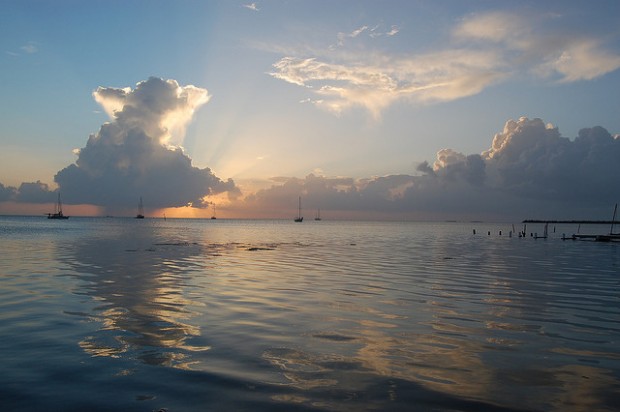
Photo: Josie A.
10. Sunset at Caye Caulker
The sunsets are amazing here in Belize, but they are spectacular at Caye Caulker. After a long and lazy day, the best thing to do is grab a cocktail and sit on the pier and watch the sunset. Cost: Free.

Retirement in Granada Nicaragua
For many of us, retiring overseas seems like a dream. Living out our twilight years in a new country sounds like an exotic adventure. It offers the chance to learn and experience new things, to get closer to nature, and to enjoy luxury at a much lower cost than at home.
Sadly, for most of us this dream is never realized. When it comes to the reality of moving overseas, we worry that it will be too expensive, too difficult, or too far from our family and friends.
This doesn’t have to be the case. Latin America is offering new and exciting opportunities for retirees to become expats. More and more people are flocking to the area every year, and it’s not hard to see why.
Nicaragua is becoming an increasingly attractive retirement location. The city of Granada is increasingly being described as one of the world’s best expat retirement locations.
Here are the five top reasons why you should retire to Granada, Nicaragua:
1. Granada is a beautiful, historic city with an awful lot to offer
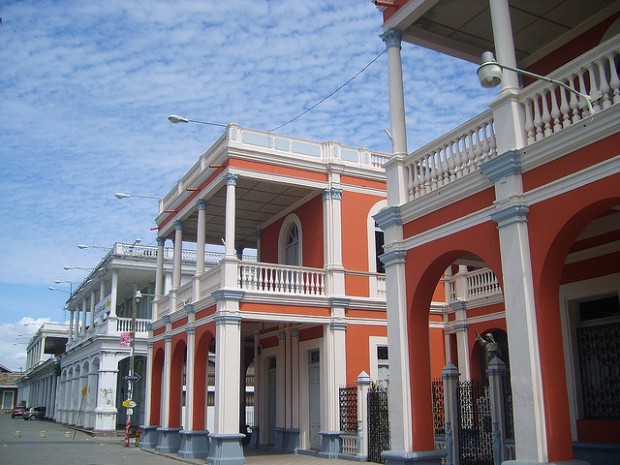
Granada is a very popular city for expats for a number of reasons. It’s a stately, friendly city with great transport links and an interesting history. Property is also a brilliant draw for the city. Its Spanish colonial style homes are luxurious and affordable.
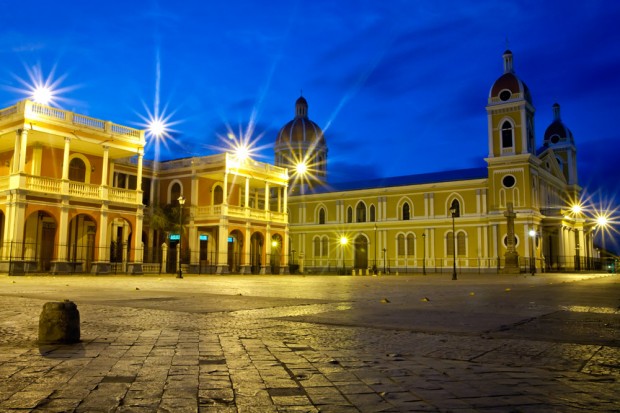
This year alone, 1.1 million tourists are expected to visit Granada, Nicaragua. They’re often drawn by the city’s picturesque cobbled streets and impressive historic churches. It’s also home to the Great Lake Cocibolca, which is one of the biggest lakes in the world. Imagine making a new life on the banks of the Great Lake, with the historic landmarks of the city just a stone’s throw away!
2. Nicaragua is a lot cheaper than you think
This life may sound idyllic, but it’s also within reach. If you have a retirement income of $20,000, you could make a very good life for yourself in the city. It’s estimated that living costs there are around $1,200 per month. For a more in depth look at how much it costs to retire to Granada, Nicaragua take a look at US News’ financial feature on the city.
3. It has great transport links
One of the huge benefits of retiring overseas is the opportunity it gives you to see more of the world. Nicaragua is well placed to visit nearby areas of Central and South America. If you’re concerned about being too far away from family and friends, you don’t need to be. The area is also only a two hour plane journey from Miami, which means that you’ll be able to enjoy regular visits to the States.
4. The weather is ideal
Many people choose to emigrate in their retirement in order to take advantage of some better weather! If that’s the case for you, Granada is a great choice. The weather in the city is great, and you can expect to enjoy temperatures in the 80s all year round. The lake the city is situated beside keeps a fresh breeze coming in, and makes sure that the city doesn’t reach the heat of other Nicaraguan cities.
The city also has a rainy season from May to October every year. During this time, there are thunderstorms every afternoon, which helps to keep the air fresh!
5. There’s a great expat community
It’s estimated that around 1000 expats live in Granada, and that the majority of those are retired. Though Granada has all the benefits of a big city, it also has much of the charm of a smaller community. The large expat community certainly helps: and you’ll find a wide range of clubs and activities waiting for your involvement.
One of the benefits of Granada is that it’s one of the safest places to live in Nicaragua. It’s a growing city, and it’s a very exciting place to be at the moment. In addition to the vibrant expat community, you’ll also be able to experience Nicaraguan culture first hand, and get a whole load of new experiences under your belt.
Thinking about making the move?
If you’re thinking about spending your retirement in Granada, Nicaragua, you don’t have to do it alone. There are professional companies on hand to help you get the best for your money, locate your new home, and get all the relevant paperwork completed.
Starting a new adventure in Nicaragua can be cheaper and easier than you think!

Hola America
If your knowledge of Ecuador is limited to its strategic positioning along the Equator and a sticker on your banana, these Ecuador facts will help you become better acquainted with this South American country.
Ecuador Facts
The country itself is just slightly smaller than the state of Nevada and is situated on the northwest coast of South America. While much of the country is coastal, it also contains two parallel chains of the Andes Mountains.
Ecuador is bordered by the Pacific Ocean to the west, Colombia to the north, and Peru to the east and south. While the Equator does divide the country, it isn’t equally. Most of the country is actually in the Southern Hemisphere.
Ecuador History
Ecuador was originally part of the Incan Empire, until it was taken in 1533 by the Spanish Conquistador Francisco Pizzaro. Known as “Quito,” which is today the name of its capital city, it became a seat of Spanish colonial government.
The nation withdrew in 1830 and changed its name to “Republic of the Equator.” Since that time, the country has seen great instability and many tumultuous years of border wars. The most recent, with Peru, was ended with a peace treaty in 1999.
Ecuador Regions
Ecuador is divided into four distinct regions, which are occupied by peoples of varying ethnicity. The Costa, or coastal plain, has a tropical climate that produces enough bananas to earn the country top billing as the world’s largest banana exporter.
The Sierra, or Andean uplands, has a much cooler climate, which makes it suitable for farmland. The jungles to the east of the Andes, or the Oriente, are a source of oil, which contributes greatly to the country’s economy.
The Galapagos Islands, of Darwinian fame, are also part of Ecuador. These volcanic islands, located 605 miles off the coast, attract hoards of tourists with their unusual species of birds, plants, and reptiles.
Ecuador People
Ecuador’s population is equally as diverse as its landscape. The majority (71.9%) are mestizo, of both European and American Indian (“Amerindian” to Ecuadorians) descent. Montubios (7.4%) and Afroecuadorians (7.2%) make up the next largest segments of the population, followed by Amerindian (7%) and white (6.1%).
Spanish is the official language of Ecuador. Quechua and Shuar (indigenous languages) are also spoken. Approximately 95% of the population identifies with the Roman Catholic Church.
Ecuador’s cultural diversity is easily recognized between its various regions. Those of European descent (though representative of a small percentage of the population) often own land in Quito and the Andean uplands, which is populated by most of the country’s indigenous people who work as subsistence farmers. Consequently, land-tenure reform is an ongoing battle.
Guayaquil, the country’s largest city and most important business center, is located on the coastal plain and populated mainly by mestizos. This region represents the richest area of the country. Yet arguments exist that tax revenues are disproportionately spent in the capital city of Quito. These and other issues contribute to the country’s constant political instability.
Ecuador Government
Ecuador’s government is a republic, and its capital is Quito. Plagued by years of turmoil, the country saw 48 presidents during its first 131 years as a republic. The nation was under military rule in the 1970s, and the past 30 years haven’t been much more effective. This is largely due to a weak executive branch, combined with a cantankerous congress.
The executive branch consists of a president and vice-president, elected (on the same ticket) to a four-year term and eligible for a consecutive term. The legislative branch is made up of a unicameral National Assembly of 137 members, who also serve four-year terms and are elected through a party-list proportional representation system. The National Court of Justice, containing elected judges, and the Constitutional Court, whose justices are appointed by the other government branches, round out Ecuador’s judicial system.
Three of the country’s last 4 elected presidents have been ousted before their terms expired. Current president Rafael Correa was re-elected in the February 2013 general election. Ecuador also ratified a new constitution in 2008, the nation’s 20th governing document since gaining its independence.
Ecuador Economy
The U.S. dollar has been the official currency of Ecuador since 2000, when Congress approved its adoption to help stabilize the country’s economy which was reeling from a banking crisis. This move worked, as the economy has improved, due also in part to high oil prices as the country is heavily dependent on its petroleum industry. It accounts for more than half the country’s exports and roughly 40% of public sector revenues.
The current administration’s default on some bonds and its termination of investment treaties (including one with the U.S.) contributed to growing uncertainty and a decline in private investment, which led to a few years of economic downturn. However, the economy has been growing steadily in recent years, up as high as 8% in 2011 and with a slight slowdown to 4% growth in 2012.
Ecuador’s GDP (official exchange rate) was $73.23 billion as of 2012. By sector, this breaks down into agriculture 6.4%, industry 36.1%, and services 57.5%.
In addition to petroleum, Ecuador’s other large industries include food processing, textiles, and chemicals. Its largest agricultural outputs are bananas, coffee, cocoa, rice, balsa wood, fish, and livestock.
Ecuador’s exports, naturally, include petroleum, bananas, shrimp, coffee, and cut flowers. An overwhelming majority of Ecuador’s exports are shipped to the U.S. (37.8%), followed by Panama (9.9%), Peru (6.2%), Venezuela (5.2%), Chile (4.9%) and Russia $4.6%).
The country imports mainly industrial materials, fuels and lubricants, and non durable consumer goods from places like the U.S. (27.6%), China (10.1%), Colombia (9%), Panama (4.6%), Peru (4.5%), Brazil (4.3%), and South Korea (4%).
Ecuador Stats
Just in case we failed to mention any specific Ecuador facts you were looking for, here are a few more stats you might find helpful.
-
Population 15,439,429
-
Unemployment 4.1%
-
GDP (ppp) $134.7 billion
-
GDP (per capita) $8,800
-
Population below poverty line 27.3%
-
Investment (gross fixed) 24.6% of GDP
-
Taxes and other revenues 21.7% of GDP
-
Budget Revenues $15.9 billion
-
Budget Expenditures $20.1 billion
-
Budget Deficit -5.7% of GDP
-
Public Debt 23.3% of GDP
-
Current Account Balance -$1.387 billion
-
External debt $20.03 billion
-
Exports $23.77 billion
-
Imports $24.67 billion
-
Inflation 5.3%
-
Commercial Bank Prime Lending Rate 8.7%
-
Industrial Production Growth Rate 10.1% (excludes oil refining)
-
Reserves of foreign exchange and gold $2.482 billion


Panama Pensionado Visa: Savings and Benefits
Panama has a lot of extremely attractive features that beckon expats to its beautiful beaches and lush mountain havens. It is a nation that is extremely welcoming to foreigners and perhaps never more so than when it offers to retirees a whole host of discounts, on everything from airfare to home phone service.
These benefits are part of Panama’s Pensionado Program, a neat little package of perks tailored to retirees of all ages. Depending on where you choose to settle, the cost of living in Panama is already extremely affordable. However, the benefits offered to pensioners can make retiring to this Central American destination all the more lucrative.
Panama’s Pensionado Program’s Benefits
The discounts and advantages of the pensioner’s visa are quite numerous. Here they are in a nutshell:
-
50% off on recreation and entertainment such as movies, theaters, sports, etc.
-
50% off hotels Monday through Thursday (30% off on weekends)
-
50% off passports
-
30% off public transportation like buses, trains, and boats
-
25% off airfare
-
25% off restaurants (15% off fast food)
-
25% off electrical, telephone, and water service
-
20% off doctors and specialists
-
20% off prosthetics and other personal assistance devices
-
15% off hospitals and private clinics
-
15% off dental and optometry services
-
10% off prescription medications
-
tax-free importation of household goods, up to $10,000
-
tax-free importation of a vehicle, or tax-free purchase of a local vehicle, every 2 years
In addition, retirees are now able to obtain a cedula, the national identification card issued to residents of Panama. While participants in the retirement program can easily get by with merely their pensionado card and a passport issued from their home country, the cedula allows for greater ease of getting around and transacting in Panama. Locals feel a bit more comfortable when dealing with someone they know is “documented,” so to speak. While holding a cedula doesn’t grant you any additional benefits, it’s just one more step towards diving headfirst into your new culture.
The Qualifications Required for the Pensionado Visa
While it sounds like, and is often referred to as, a “retirement” program, the pensionado visa is actually available to expats of any age who meet the specified criteria. Even better, recipients are grandfathered in under the law and can never lose their benefits, as long as they continue to meet the requirements. To qualify you must have the following:
-
Monthly income of $1,000 for life from a guaranteed source such as a pension or annuity
-
Or income of $750 per month and a $100,000 minimum investment in Panamanian real estate
-
An additional $250 monthly income for each dependent child
The $1,000 per month is a total amount for a married couple. In other words, it isn’t necessary for both spouses to meet the income requirement. Dependent children cannot be over the age of 18, unless they are attending college. Exceptions can also be made for adult children with disabilities. The $250 can also be obtained in the form of interest earned on deposits in a Panamanian bank.
How to Get a Pensionado Visa?
The process of applying for and obtaining your pensionado visa is a fairly straightforward one. The whole shebang takes about six months and costs between $1,500 and $2,000 per person, including attorney fees. If you’re applying for yourself, your spouse, and your dependents all at the same time, you can sometimes save a few pennies on the legal fees. A good bit of paperwork will be required, and it will all need to be properly authenticated. A reputable attorney with experience in immigration issues will be an invaluable tool as you navigate this process. In general, you’ll need to be prepared to provide the following:
-
Certified letter from the appropriate organization or entity guaranteeing your monthly pension for life
-
Government certification that the source of your income is in good standing, if your pension comes from a private company
-
Proof of prior pension payments (e.g. check stubs, bank statements, etc.)
-
Certificate of public registration of Panamanian real estate in your name, if applicable
-
Police record from the country where you resided the past 5 years
-
Marriage and/or birth certificates, if applicable
The Fine Print
While the program no doubt has some great benefits available to expats, there are some who question whether or not it’s all it’s cracked up to be. Take, for example, the discounts on utilities. Water in some areas may be as low as $7. So 25% off of that isn’t a whole heck of a lot. Then again, it all adds up. Another criticism of the program is the fact that exclusions often apply. So, pensioners shopping for airline tickets may end up finding another flight that is actually less than the discounted rate they could get on what was already a higher priced ticket. And, understandably, the entertainment discounts aren’t available on events such as charity functions. Would-be expats who know little Spanish will want to quickly learn this phrase: Por favor, deme mi descuento de pensionado. Which means “Please give me my pensioner’s discount.” Benefits aren’t automatic. You have to ask for them, and some small businesses may even be reluctant to grant them. It’s also important to note that, for those of retirement age (women over 55 and men over 60), you are eligible for most of these benefits anyway. It’s up to you whether you want to jump through the additional hoops to obtain the pensioner’s visa, or just opt for another type of visa.
The Breakdown
So, we said it all adds up. But just how much could you really save in a year with the benefits offered by the pensioner’s visa? Here’s a theoretical breakdown that shows how a hypothetical couple could easily save as much as $10,000:
|
Movie tickets |
$2.75/person x 2 per month |
50% |
$66 |
|
Dinner theater |
$20/person x 2 per month |
50% |
$480 |
|
Three-night hotel stay |
$375 total x 6 per year |
30-50% |
$1,125 |
|
Bus ride |
$6/person round trip x 15 per year |
30% |
$54 |
|
In-country flight |
$175/person round trip x 4 per year |
25% |
$350 |
|
Flight to US |
$450/person round trip x 3 per year |
25% |
$675 |
|
Dinner for two |
$30 total x 2 per week |
25% |
$780 |
|
Mid-range meal |
$12/person x 4 per week |
25% |
$1,248 |
|
Fast food |
$7/person x 2 per week |
15% |
$218.40 |
|
Home phone bundle |
$70/month |
25% |
$210 |
|
Water |
$7/month |
25% |
$21 |
|
Electric service |
$80/month |
25% |
$240 |
|
Doctor visit |
$40/person x 3 per year |
20% |
$48 |
|
Dentist visit |
$40/person x 2 per year |
15% |
$24 |
|
Specialist visit |
$45/person x 1 per year |
20% |
$18 |
|
Medications |
$7/ea x 2 per month |
10% |
$33.60 |
|
Vehicle import |
18% of value (e.g. $25,000) |
100% |
$4,500 |
|
Total |
$10,091 |
*Amounts given are examples based on our experience and are for two people.
Whether it’s the Pensionado Visa, or one of Panama’s many others, you’re certain to find the visa that’s right for you. Start your search today!


The Future Is Turning Green
Our budding future is evident in all stages of policy making, in the classroom, and in public opinion. Some of the top degree programs securing a rewarding future are for MBA students specializing in resource economics, sustainable agriculture, and environmentally compatible architectural design.
Public interests continue their shift toward renewable energy resources and organic foods. Developing countries are favoring infrastructure that uses natural resources wisely for sustained growth and healthy populations.
Panama is no exception. Its law-making body has crafted policies that allow for modest investments by international interests for the purposes of owning and developing real estate for private or business use. The opportunities for retirees and for entrepreneurs have been tempting. For half the capital needed, they can place their savings in an enterprise, take up residency in Panama, and become citizens within five years.
The Law 24 Reforestation Investment
The pensioner plan is advantageous primarily to retirees and business owners. An alternative course for international investors is participation in the teak reforestation program. Enacted as Law 24 of the year 1992, the design includes an incentive for foreign investors who would like to obtain a permanent visa residency in Panama.
The package deal comes with two options: A minimum small reforestation investment of $60,000 or a minimal large business reforestation investment of $80,000.
There are also legal fees delivered in three phases. These are the Provisional Residency fees and costs (US $2,000), the second renewal (US $1,000) and the Permanent Visa (US $2,000).
The reforestation of teak is critical for Panama’s environmental plan and sustained resource use. Soil erosion from large-scale farming, clear cutting, and ranching projects resulted in a nearly 70% loss of its forests. Because teak grows quickly and easily in tropical areas, and can be harvested through rotation, this seed producing tree provides a sound environmental background for the restoration of renewable resources.
Documentation Requirements
You must pass a police clearance report before you can apply for immigrant status into Panama. All necessary documents are to be issued no more than four months before submitting the visa application.
You must have at least three months remaining on your passport before its expiration date. You must appear in person to the Department of Immigration for the initial visit and all renewals.
All legal requisites are to be handled by a Panamanian lawyer. Your investment must be through a certified teak reforestation program.

Teak Reforestation Is a Long-Term Investment
Teak is one of the most commodious of the hardwood trees. Favored not only for its constructive qualities, its handsome texture and grain make it desirable for cabinetry, framing, and furnishing. Teak resin is typically water-resistant, which contributes to the beauty of the wood and helps protect it from decay, bacteria, fungus, and insects.
Be cautious of companies that offer quick and easy returns. Quality teak requires 20 to 25 years for maturity. Profit margins can be low, particularly in the beginning years of your investment.
However, as one of the world’s leading hardwoods, the demand for teak is high. An investment of $80,000 into five hectares of land will yield approximately $125,000 per hectare by its 25th year.
Tax Benefits
Some of the benefits are immediate.
- Teak reforestation is a tax-deductible investment.
- The equipment needed for the development of a teak reforestation project can be imported free of tax.
- Exports to the U.S. are tax-exempt within the United States.
- Investments in reforestation projects provide tax exempt interest payments, exemption on dividend payments, and on capital gains.
Investment Alerts
There are many companies that offer investment into the teak reforestation program. Most of them study all the requirements and obtain the certification necessary for visa applicants to fulfill their residency credentials.
You will find that the average Panamanian company invested in teak demonstrates responsible management and yield roughly the same amount of teak per hectare. The differences are in the packages offered.
Management charges can vary greatly. Commonly, land is measured in hectare in Panama. A hectare consists of 2.5 acres. Without knowing the difference in measurement, you could buy into a package that requires more in management fees per acre than you would be charged per hectare.
Read the fine print. Some companies will sell you the trees but not the land. Your ownership ends with the completion of the final harvest. Make sure you know exactly what you’re buying. Figure the cost of your investment over time, and how much land you’ll be receiving.

Sustainable Teak Production
The key word to modern investment is sustainability. Teak production originated in Asia, primarily in Indonesia, Burma, India, and Thailand. About 28 million hectare of this area is covered by natural teak. Additionally, about 90% of teak plantations worldwide are in Asia.
However, all production of natural teak, except in Burma, has been restrained. Illegal timber poaching is high and there is a constant battle between teak production and land for cattle grazing. In its native soil, teak is plagued by pests that inhibit both growth and quality. Throughout Asia, teak forests are shrinking, with no solid reforestation plans in effect for nurturing renewed growth.
Panama’s Future in Teak
Although teak is able to grow under a variety of soil conditions, its habitat is limited to tropical regions. Typically, it prefers areas with a heavy rain season and accompanying 3-5 month dry season.
Panama’s climate is favorable to teak, and is relatively free from insects that harm teak production. As teak production in Asia wanes, the attention of investors shifts to Central America and its own teak-producing countries.
The uses for teak are numerous. Its natural oils help to keep it from warping, and eliminates the need for protective coating. This unique trait also gives it a great deal of desirability for boat decks and for outdoor furniture.
The demand for the strong, durable wood is expected to reach 135 million cubic meters by 2050. Without vigorous teak cultivation, there will be a deficit.
Responsible Harvesting
Teak plantations are the responsible use of renewable resource management. Teak is one of the only plantation species that is resistant to termites and fungi. Trees are grown and harvested according to rotation. In this manner, they are allowed to reach full maturity, delivering a quality product while maintaining a healthy environment.
Invested Residency
Law 24 was designed to allow a smooth transition into Panama citizenship while partaking in a program with positive future impact. The world cannot afford the continued dwindling away of forests that provide us with an oxygen rich atmosphere, shelters wildlife, prevents erosion, and generously gives us the products we use in our daily lives.
By investing in teak, you are investing in a quality wood with uses ranging from decorative to practical purposes, such as ship decks, door frames, and furniture. You are investing in a product that analysts predict will not be able to meet the demands of supply by 2050 if Asian production continues its downward trend. You are investing in the greatest favor you can do for your community; you are contributing to the greening of Earth.