


Karan Jain
Many people dream of one day retiring to somewhere sunny in Central America. But what about those who want to invest or live abroad before retirement?
Individuals from all over the world have created lives for themselves in Central America by starting an expat business. In fact it typically requires much less start up investment to open a business in Central America; land and labor are inexpensive and few permits are required.
Tourism is an area that expats may gain interest in as most towns with established communities of foreigners have a solid influx of tourists bringing business.
Here are some of the most popular tourism-based businesses that expats have been running in Central America for years. Perhaps one of these businesses could offer you the lifestyle you long for abroad, before retirement.
Vacation Rentals
Opening and managing vacation rentals is a popular and often highly profitable business in Central America. Properties or land sell for a fraction of the price of those in the United States and can often be rented at slightly discounted U.S. rates.
During the high season it’s not uncommon for vacation rentals to completely book up. Sites like VRBO.com, Airbnb.com, and even Craigslist make marketing your properties much more straightforward.
Managing the properties themselves can be a lot of work, but for those passionate about real estate this is a great fit.
Restaurant/Cafe
Expat-owned restaurants, cafes, and bars are a much appreciated luxury for locals, other expats living in the area, and travelers of all kinds.
Most expat towns in Central America have a least a few offering anything from fair trade lattes and French pastries to green smoothies and Thai fusion food.
Owning this type of business in another country can be challenging with the different language, laws, and culture, however it’s an incredible opportunity to really connect with the community.
Some become more like local institutions that serve as a gathering place bringing locals, tourists, and expats together.
Tour Company

Lance Gardner
Are you a passionate traveler, outdoor enthusiast, or adventure lover? Opening a tour company could be a great fit for you. Designing tours based on your favorite experiences is a way to share your passion with other travelers.
If you decide to work as one of the guides you have the added advantage of being able to experience the adventure with your groups. This is also a great way to give back to the community by employing locals, using sustainable practices, and educating tourists on local environmental and social concerns.
Hostel
As long as there are backpackers there will be a demand for hostels. The prices for board may be low, but the capacity can be high and plenty of other businesses can be rolled in.
Most hostels have some sort of bar or restaurant that guests frequent often. They also arrange tours and transportation which provides them with a commission. Special events hosted in the onsite bars enable hostels to earn an additional income as well.
Hostels can range from small and privately owned for a more bed and breakfast type of experience, to large and managed by an entire staff. Some open additional locations in towns in other countries which expands their presence and also helps them receive repeat customers who are traveling to multiple locations.
Yoga Retreat Center

Bettina N.
Central America, Costa Rica in particular, is a popular place for those looking to study yoga or transform themselves on a retreat. For decades expats have been running these kinds of businesses and find their lives take on a new level of joy.
There are many opportunities for multiple sources of income including drop-in yoga classes, full yoga retreats, yoga teacher trainings, and bodywork sessions.
Surf School
Central America is known worldwide as a destination for incredible surfing. Costa Rica, Panama, and Nicaragua are particularly frequented by surf enthusiasts from all over the world.
Many people come to these countries with the intention of learning to surf and enroll in immersion surf schools. Most travelers to these locations plan to at least take a lesson and try standing on a board. Surf schools are an essential tourism business in this part of the world and surf lovers can combine their passion for surfing with a business that earns them an income.
There is plenty of income to be made by surf schools which often combine other services like full retreats and board rentals. Some even open hostels, stores selling surf clothes and other merchandise, and onsite restaurants.
These are just a few of the popular businesses in tourism other expats have opened in Central America. Get creative and use your passions to start a business that makes your life abroad even richer. Investment is often significantly less than at home and many people find they experience a great deal of fulfillment running a business abroad.
Deciding in which Central American country you would like to live and spend some or all of your year, requires very careful thought and planning!

5 Luxury Homes in Central America
To give you an idea of available luxury property for sale, we briefly compare four very different Central American countries and showcase 5 different properties in Honduras, Costa Rica, Nicaragua and Mexico.
Nicaragua is a country of lakes and volcanoes and will be the site of the second trans-americas canal bringing shipping from the Caribbean through to the Pacific.
This will bring prosperity and jobs and Nicaragua will change, in the same way that Panama adapted to its world class status over the last hundred years as a result of its Canal.
Nicaragua has some beautiful resort and residential developments on the Pacific and on the Caribbean coasts, as well as farms and homesteads for sale in the countryside.
Costa Rica is a small country which is on target to reach its carbon neutral status by 2021, and it is the first developing country in the world to trade in Carbon Credits. Costa Rica has long been a country conscious and proud of its environmental heritage and takea its countryside stewardship very seriously. The country has a big international residential sector mainly along the coasts and it is known more for its green boutique hotels than large world class developments.
Honduras is a country of political contrasts, and the offshore Bay Islands are somewhat different from the mainland. They are tourism centric, sophisticated and are home to many world-class tourism developments. The large number of international residents bring wealth and growth to these islands.
Mexico is the 13th largest country in the world and the 11th richest. It offers something for everyone and is the most connected by sea and air of all the Central American countries other than Panama. Geographically and culturally Mexico perhaps has more choices to offer than any of its smaller neighbours, and for the more cosmopolitan visitor and expat its a great destination.
Costa Rica Estate for Under $1 MM
A charming, private estate a few seconds walk from the sea in Punta Uva, Costa Rica, is on the market for just under $1 Million US. A quiet countryside spot, this will suit an owner looking for peace and tranquility and lots of space.
The main house comes with verandahs, galleries and a pool and jacuzzi. The guest house and caretakers house are each fully fitted with a bathroom and a kitchen. All three homes are finished with the most beautiful local woods including teak. The mature tropical gardens meander down to the white sand beach.

Costa Rica Estate for Under $1 MM
Mexico Riviera Maya Luxury Managed Condo $275,000+

Mexico Riviera Maya Luxury Managed Condo $275,000+
If you are looking for a vibrant night life, somewhere to lay your hat and go out to play then this is a great solution in Mexico.
Once a place of small fishing villages, the Riviera Maya coastline has since been developed into a modern tourist corridor offering the very best of high-end luxury resorts, fine dining, nightlife, spa retreats, shopping and golf in Mexico.
1, 2 & 3 bedroom managed condos in a luxury resort condominium with 5 Star restaurant, just steps from the beach.
You can come and go as you please, earn a rental when you’re not there, and never worry about your investment.
Nicaragua San Juan del Sur Luxury Home Under $500,000
An interesting, unique architect designed home with swimming pool and beautiful views over Nacascolo Bay. Just 10 mins drive to the town of San Juan del Sur, and yet situated in the quiet countryside.

Nicaragua San Juan del Sur Luxury Home Under $500,000
The house has an interesting brick ceiling and the focal point is the flow of water, with a 50 ft X 15 ft tear-drop shaped swimming pool with two in-pool seating areas. The pool is surrounded by flag stones and lined completely with lovely mosaic Spanish tiles. A water fall system that originates in the centre of the home, cascades into the pool. The living spaces wrap around the visually warm dining room which is open to cool breezes during the heat of the day.
Costa Rica Nosara Luxury Villa in a Gated Community Under $1 MM

Costa Rica Nosara Luxury Villa in a Gated Community Under $1 MM
Nestled within a gated community is this secluded villa and guest cottage, offering clear ocean and mountain views. It includes a swimming pool and is within 5 minutes of the beach and airport.
This is another managed property that comes complete with friends and neighbours and the security of a gated community, whilst also being great investment. The property includes a main house (consisting of 3 bedrooms), a rancho with pool table, garage for 2 cars and a 1 bedroom guest cottage.
Honduras Bay Islands Affordable Luxury Investment Home $250,000 USD
The final property is a highly investable charming 4 bedroom, 2 bathroom house, arranged as two separate apartments, set within 0.14 acres of landscaped gardens. This is comfortable luxury at a really affordable price on the small Caribbean island of Utila, where the diving is world famous and there are many tourist resorts.

Honduras Bay Islands Affordable Luxury Investment Home $250,000 USD
Located in a residential area in a quiet part of town, the home has a leisure pool and is at the end of a concrete paved private cul-de-sac road surrounded with secure 6ft high coral rock perimeter walls. The two apartments are being sold fully furnished along with a four wheel drive vehicle. This is really a turn-key occupation!
Five very different properties, all with a touch of luxury Central American style! Happy house-hunting!
Editors Note: The following guests post was by Deb Andrews, Editor and Social Media Queen for http://www.caribbeanlandandproperty.com/blog Love writing about Caribbean life and living, most especially our fragile environment.

In the turquoise Caribbean waters of Panama, Bocas del Toro is a hotspot among travelers all over the world. World-class surfing, diving, snorkeling, jungle hiking, incredible wildlife, and stunning beaches make it the most popular vacation destination in all of Panama.

Rita Willaer
Many expats have chosen to call Bocas del Toro home, opening gourmet grocery stores, international restaurants, and beachfront lodges. A huge appeal of these islands is the fact that many businesses are built on docks overlooking the gorgeous Caribbean sea.
Each island has its own unique vibe and landscape, offering visitors and transplants a great deal of diversity. So which island is best for you? Read on to find out.
Isla Colon
The main island in Bocas del Toro is where most businesses, restaurants, and lodging have been developed. The airport with connecting flights to Panama City is here as well as the boat dock that takes passengers to the mainland in Panama.
Bocas Town
The only “town” in Bocas del Toro is on Isla Colon called Bocas Town. This is the main port where water taxis depart to other islands and the mainland. All of the grocery stores in Bocas del Toro are located in Bocas Town along with the bank and ATMs, post office, and most bars and restaurants. While this is the most bustling area of Bocas it maintains the vibe of a charming small Caribbean town.
In the day dive shops arrange tours on the main strip, travelers wander the streets, expats shop in the markets, and tourists dine at restaurants built on docks. At night Bocas Town can get pretty crazy with a party every night of the week and plenty of happy hours.
For this reason, Bocas del Toro has earned itself the reputation of being a party town. While many of the twenty-something backpackers who come to Bocas are here for the party, Isla Colon has so much more to offer.
Those seeking peace and quiet will do better on some of the smaller islands or outside of town. However for convenience and walkability Bocas Town is the most ideal place in Bocas del Toro to post up. Many locals live in and around Bocas Town.
Bluff Beach
Along the coast a few miles from town is Bluff Beach with huge waves for advanced surfers and miles of golden sand. There are a few homes, lodges, and restaurants up here, but generally it’s quite remote.
This is a great spot for those looking for peace and quiet or excellent surfing. It’s particularly suited to those who have cars, ATVs, or motorbikes as it’s a great place to get away from the main town without taking a water taxi to get around.
Starfish Beach
On the other side of the island is one of the most beautiful beaches in Panama: Starfish Beach in Boca del Drago. The golden sand is wilderness-backed and the perfect calm turquoise water is covered in starfish. The beach can get touristy but if you stay on the outskirts you may have a patch entirely to yourself. There are a few houses and lodges in this area, but it’s more geared towards tourists than expats.
Isla Carenero

Chris Goldberg
A short one dollar taxi ride from Bocas Town is Isla Carenero. With no cars and land overcome by mangrove forest, it’s a different world. Homes, vacation rentals, and hotels sit on the beach in front of the ocean or on a dock over the sea. Most come with their own private dock with hammocks. Many locals also live on this island.
There are several restaurants and bars on the island, the most famous being Bibi’s on the Beach for fresh seafood. No ATMs or grocery stores are on the island, but Bocas Town is a few minutes away and water taxis run until the wee hours.
Some of the best surfing in all of Bocas del Toro can be found on Isla Carenero. Carenero Point has the longest left break in all of the islands and when conditions are good the tubes are perfect. Stand up paddleboarding is also popular on this island; the protection from other islands give it glassy water in addition to big surf breaks. Local spots like Bibi’s and Gran Kahuna Hostel rent boards.
The island is sleepy and relaxed with the exception of popular nightclub and hostel Aqua Lounge which hosts parties on Wednesday and Saturday nights. Those looking to steer clear should be sure to stay at least a couple of blocks down where the ocean drowns out any of the noise.
Isla Solarte

A. Vision
This remote island across from Isla Carenero on the way to Isla Bastimentos is one of the best places to see marine and wildlife in Bocas del Toro. There are plenty of dive sites and mangroves to explore with dolphins, eels, lionfish, and beautiful coral. The island itself is very sparse but there are a few homes and eco lodges.
Isla Bastimentos

Magalie Labbe
Isla Bastimentos is the island for those who truly want a jungle immersion experience. The national park covers most of the island with lots of trails for spotting all kinds of wildlife including the ubiquitous poison dart frog. Boat rides can take tours through the Marine Wildlife Park to the stunning Salt Creek spotting caimans, sloths, monkeys, and more.
The only town, Old Bank, is a small strip of a few restaurants and a couple hundred indigenous Caribbean inhabitants. Lodging and restaurants are sparsely spread around the island including eco lodges, hotels, and budget backpacker hostels. Places close down early, during the rainy season many roads turn to mud, and water taxis to town stop running before dark so it’s important to plan ahead.
The island is also famous for its surfing. Wizard Beach and Red Frog beach are some of the most popular surf spots in all of Bocas.
Which Bocas Del Toro Island Will Be Your Favorite?
Bocas del Toro is filled with many more wonderful places to explore including Swan’s Key, Dolphin’s Key, and Caye Zapatillos. If you decide to spend some time in or even relocate to Bocas del Toro you can enjoy all that the many islands have to offer, regardless of where you base yourself.


Viva Tropical
Editors Note: Todays post was written by Andrew Henderson. International entrepreneur. Citizen of the world. Free man. Andrew Henderson is the Nomad Capitalist, traveling to dozens of countries each year to inform his readers about offshore banking, living overseas, international businesses, and other top secret manly pursuits.
James Bond is near the pinnacle of manliness. As the cliché hoes, men want to be him and women want to be with him. Suave and unflappable, he crisscrosses the globe in luxury, using phony overseas companies and passports as cover, maintaining an international network of contacts, and dating exotic foreign women.
He knows the value of the world on a string. His job demands it.
You can learn a valuable lesson from James Bond. In an age when the manly art of sound fiscal management has become a lost art, I’d like to suggest you brush up on the financial tools used by über manly spies and everyday men alike. Chief among them: the offshore bank account.
You don’t have to work for MI6 to have some dough offshore. While Hollywood has suggested that the only people engaged in offshore banking are tony art thieves cavorting along the Swiss Alps and wispy-moustached drug runners fleeing to Panama, the reality is anyone can have an offshore bank account.
Best of all, it takes as little as $100 to get started, and it’s legal when you take the right steps.
Offshore banking is all about diversification. For as long as humans have been subject to government, men have positioned their assets out of the hands of greedy kings and feudal lords. They built countless castles to protect their treasure going back centuries. These days, with the global financial market turned on its ear, diversifying your assets is a prudent move.
Why bank offshore?
To protect against “taxes”. Now, it’s next to impossible to hide money in your offshore bank account or avoid taxes. And I don’t recommend it; the fines and penalties Uncle Sam will slap on you if caught are outlandish. No, the kind of taxes I’m talking about are the ones you don’t know about yet: wealth taxes, retirement account taxes, and general wealth confiscation. Blue-chip countries like Ireland and Hungary have dipped their fingers into their citizens’ retirement savings when they “needed” the money. In the United States, Congress has dropped one IOU after another into the Social Security lockbox for years. Having money offshore (and not in an easy-to-grab IRA) means it’s a lot harder for them to impose a “tax” – read: theft – on your assets when they’re in dire straits five weeks from now.
Cyprus. One day, you have $100,000. The next day, you don’t. Or at least you have less. While banking officials in Cyprus eventually caved in and imposed a “wealth tax” that hit larger savers the hardest, they were more than willing to clip ten percent off everyone’s accounts. Legislators in Canada are now pushing a budget bill that would allow depositors to take the hit if banks go under. The whole government safety net is a lie.
It’s cool. Imagine you’re talking to the leggy blonde in the little black dress at your next cocktail party. You casually drop, “I was talking to my banker in Hong Kong the other day…” into the conversation. Instant cool. As the business lead who called my teenage home when I was at school told my mother, “what, he’s only 16?! He sounded like a billionaire!” No one has to know whether you have $500 or $500,000 in your offshore account.
As one who travels to a dozen or two countries a year, I have plenty of opportunities to open bank accounts in other countries. But what if you’re stuck in cubicle-land or chained to your desk working for the man?
How to Get Started
There are ways to open an offshore bank account from your couch. First, you need to decide what type of account you want. Do you just want to move part of your savings? Are you looking to diversify into a foreign currency? Perhaps you want to own gold overseas? You can do all that and more. Banks in other countries are amazingly more full-featured than those in the United States.
If all you want to do is move a few bucks somewhere else, you can do that with a multinational bank like HSBC. If you have enough money, they’ll open a “Premiere” account for you in your home country, then allow you to open other attached accounts in whichever other country you choose. You’ll get a personal banker in each country and no fees when transferring money through their system.
If you don’t meet their minimums (often $20,000 to $100,000), you have two options. One is to visit the country where you’d like to open an account. First, realize that the old-hat places that successful men of yesteryear relied on are largely gone. Switzerland has all but shut out Americans, and their continued defacing of their bank secrecy laws means you wouldn’t want to bank there anyway. Liechtenstein, Luxembourg, and many of the other old-money European jurisdictions you’d expect to find someone walking around with secretive briefcase in hand are largely inaccessible to non-resident foreigners.
The one exception is Andorra. Landlocked between France and Spain, it’s a tiny principality that still does banking old school. This is as close to old-school manliness as you’re going to get. There are about half a dozen banks mostly still run by the original banking families that started them. Huge mega-banks are kept away there, which means Andorran banks have been able to maintain huge capital ratios. Some of these banks are tight-lipped about their restrictions, but a reasonable chunk of cash will get you in. But you have to visit. Fly into Barcelona, mingle with some Catalan girls on the beach or head to the south of France, and make a weekend out of it.
Singapore and Hong Kong are also two stable jurisdictions that are open to foreigners. I met a banker on the street who said she’d open a savings account for me with $1. While many offshore banks offer foreign currency accounts, these two really take the cake. If you REALLY want to feel like a manly spy, open your account in Swiss francs or Chinese yuan or New Zealand dollars. Do your research on the best currency and go for it. You can even open an account denominated in gold in some countries like Mongolia or Malaysia.
And if you’re really adventurous, consider opening an account in a far-flung place like Mongolia or Ukraine, where interest yields in local currency can top 15%. Of course, a little discretion goes a long way. Countries with confiscatory dictators or regimes sanctioned by foreign governments: bad. Countries where banks need more money to lend to growing businesses: worth considering. In a few of these cases, you can also open an account from your living room, notably Mongolia.
Manliness is about defying convention wisdom
Moving some money offshore where you can diversify your sovereign risk is a prudent move. Most banks in established places have deposit insurance just like the FDIC, but make sure to check in each country and know the risks. It’s not like the EU or the US is the safest place in the world to bank, anyway. (The US is 40th, actually.)
Being well-traveled is a positive trait in a man, so I encourage you to find a stable country that interests you and check out their banking. There’s nothing un-manly about spending a week in Hong Kong hiking, meeting exotic women, gambling in nearby Macau, and buying gold or opening a foreign bank account.
Every country has their own reporting requirements for tax purposes, so make sure you’re in compliance. In the US, that means a couple different forms each year if your account values exceed a combined $10,000. Remember, you’re not trying to hide money; you’re trying to protect it. After all, it’s hard to keep your well-coiffed glow behind bars.
But play by the rules and you’ll be on your way to outpacing The Most Interesting Man in the World. You think he keeps all his money in a low-interest checking account at Wells Fargo?


Jason Mrachina
Editors Note: Todays post was written by Andrew Henderson. International entrepreneur. Citizen of the world. Free man. Andrew Henderson is the Nomad Capitalist, traveling to dozens of countries each year to inform his readers about offshore banking, living overseas, international businesses, and other top secret manly pursuits.
I was all alone on the streets one day. Literally, it was just me. The weather was hot and balmy. Even in a T-shirt, I could feel the sweat sticking to me.
There was no place to buy a drink. Nowhere to sip from a drinking fountain. It was just me and the open road.
For on Friday afternoons, all of Bandar Seri Begawan – the Sultanate of Brunei’s only real city – shuts down by order of the Sultan. Every business is required to shutter for Friday prayers. And the streets are literally desolate.
To be honest, I just might get put in jail for writing this.
But for those who need to understand just how important diversifying your assets offshore is, your reading this information just might be worth it.
The Sultan of Brunei personally owns every inch of land within his tiny kingdom. His face adorns every single scrap of currency and every coin. He rules, despite having a constitution in place, with absolute authority, getting sweetheart deals for his family members and screwing foreign investors.
Can you imagine keeping your money in a country where speaking out against a Sultan could result in your assets being frozen?
On the other side of the world, Argentine president Cristina Kirchner has pulled out all the stops to wipe away any semblance of economic freedom in her country.
She’s forced people to turn in their US dollars and hold pesos, which are inflating at 30-100% a year. She’s snooped on credit card purchases of Argentinians who travel abroad to make sure they’re not moving money. She’s imposed almost every capital control you can imagine.
And, like the Sultan of Brunei, she is perfectly willing to throw people in jail if they disagree with her freedom-sucking policies. She bankrupts her own citizens, and economists who speak the truth get thrown in the pokey.
Meanwhile, the Vietnamese government is considering the world’s next great gold confiscation. In a country where the people shun the free-falling local currency in favor of keeping hard assets at home, the government needs something drastic to stop the bleeding and “stabilize” their currency.
The examples of wealth confiscation go on and on; the scope of the excuses that birth them is as wide as the list of countries who have tried to pull them.
Cyprus. Hungary. Thailand. The United States.

Fabo Lens
Each of us has the good – or not so good – fortune of being born between a couple of imaginary stripes on a map politicians call “borders”. It used to be, the United States was the best place to be born. They actually do a study.
These days, the US barely cracks the top twenty, alongside bastions of freedom like the United Arab Emirates. (At least the UAE has real economic growth prospects.)
Along with that sliding ranking is the ranking of bank safety in the United States. In 2008, US banks were ranked 40th most stable; UK banks came in right behind them at 44th.
Yet those lines we’re born between give us a sense of comfort. For some reason, we believe “our” country offers the best opportunity. It’s what we know best, and that makes us feel safe.
The reality is, just like Brunei, or Argentina, or Vietnam, chaos can strike at any time. Freedom isn’t exactly on the upswing in the United States or much of the western world. What is on the upswing is politicians saying “you didn’t build that” as an excuse to take money from your bank account for a “bail-in”, steal off the top of your retirement account, or confiscate your gold to “stabilize” the currency.
You may think “it can’t happen here”, but that’s exactly what people in all these other countries thought. Think of how many tragedies throughout history could have avoided if people thought “it CAN happen here.”
As a perpetual traveler who spends time in dozens of countries, I can tell you that your country – even if it’s the #1 world superpower – is just another country to the rest of the world. There’s no magic pixie dust that makes your banks safer, your money better protected, or your politicians less capable of theft.
My knowledge of this fact is why I recommend offshore finance to anyone with assets they want to protect.
It doesn’t have to be a lot. Heck, you can open offshore bank accounts with a few hundred dollars. To some people, a few hundred or a few thousand dollars may be able to give them a fighting chance if something happens to their bank account at home. For others, a more intricate plan is required.
Politicians and the media in their back pocket want you to think “offshore” is a dirty word. When Mitt Romney ran for President of the United States, the media took aim at his “evil” offshore accounts as evidence he was “unpatriotic”.
But patriotism has nothing to do with it. Your government doesn’t really care what happens to your money. They care about maintaining power.
Show me an example in history where governments did anything for their people when the currency collapsed, inflation devalued their life savings, their gold got confiscated, or their retirement account got seized.
I think you know the answer.
The reality is, there are countries that offer greater economic freedom than your home country. Countries like Singapore and Hong Kong have built themselves from muddy jungles into economic powerhouses because they’ve offered a better way to bank and invest.
Small countries know they have to be easy to work with, or else their economic engine could come to a screeching halt. Recently, for example, Singapore announced it wants to be the best place in the world to store gold. As part of that initiative, they’re working to increase gold holdings within the country by more than five-fold in about as many years.
They won’t accomplish that by telling people “they didn’t build that” or using Sultan-like tactics to make life difficult for people.
The bottom line is that you never know what could happen in one country. It’s easy to think you know your country well enough to keep your money safe, but take one look at Cyprus and see just how easy it is for you to be shut out from accessing your money.
Instantly. With no recourse.
Offshore banking is about diversification. You wouldn’t hold your entire net worth in one company’s stock. Or own mutual funds that only invested in one sector of the economy.
Yet you may be committing what I believe is the biggest diversification error of all – geographical diversification.
While the idea of offshore finance sounds risky, the easiest way to get started is by merely opening a bank account in another country. Nothing crazy about that.
Many offshore banks have much higher liquidity ratios than American or Canadian banks. Some banks in Andorra have ratios as high as 30%. That means they’re not teetering on the verge of insolvency, waiting for one bad loan to break them in half.
In Hong Kong, banks are turning away business because they’ve got too much money. They don’t need westerners money unless said westerner has a relationship with an existing depositor. It’s not worth their hassle.
That’s because wealthy Chinese are flocking across the border to put their wealth in Hong Kong banks. Give the Chinese credit: they know enough not to trust their government to keep their money safe. Having been to China many times, I can tell you it’s more capitalistic than the US in many ways. Even so, the Chinese haven’t bought the government propaganda the way most westerners do.
Banks in places like these are stronger and take far fewer risks than many western banks who had to be bailed out by the nanny state. While it may seem “risky” to deposit money offshore, it can actually be far less risky than depositing it in your home country if you know what you’re doing.
The world is a wide open place. Plenty of people far from where you live have plenty of money and they, too, want to keep it safe. I can assure you this: the vast, vast majority of them aren’t putting it in the same banks as you.
And their money is just fine.

Many people move to the tropics of Latin America in search of a healthier lifestyle in nature, however making this transition can be difficult.
The abundance of fried foods and sugary processed treats and lack of health food stores and gyms can in fact lead some to live less healthy than they did in the first world. So how can one be sure to live healthfully in Latin America? Here are some tips to consider.
Grow your own food or shop at the Farmer’s Markets

Kevin Krejci
Did you know that Costa Rica is one of the top users of pesticides in the world? Immersed in the jungle we may simply assume that all of our produce is fresh and local.
Unfortunately this is not always the case. In fact even coastal towns may be selling frozen fish from as far away as Asia! For this reason it’s particularly important to ensure that your food is coming from local fishermen and farmers. Many towns with expat communities have farmer’s markets and community-supported agriculture programs. Why not hop on board?
It’s a great way to connect with your community and the environment. Many locals and transplants sell farm fresh produce, dairy, homemade cheeses, whole grain unprocessed bread, even probiotic rich kombucha.
In health-conscious towns throughout Central America including Nosara and Puerto Viejo in Costa Rica and Boquete in Panama, expats have created their own markets for sharing health foods. Some sell organic produce from their own gardens and import specialty items like essential oils, spices, himalayan salt, and more.
You can also learn to grow your own food and many communities have garden shares where you can learn from others and share farming space. Your meat and fish can be purchased from local fishermen and hunters, or why not take up fishing as a hobby and catch what you need?
Find healthy hobbies
With a big transition it can be difficult to maintain your workout routine. When the sun is shining the gym may be the last place you want to be, if the town even has one. The good news is that there are tons of healthy, athletic outdoor activities you can partake in that are also plenty of fun.
If you’re on the coast take up surfing, go for runs on the beach, learn stand up paddleboarding, take hikes and connect with nature.
If you’re in the city ride your bike to get around, participate in yoga classes, and find some nearby wilderness to explore. One of the great advantages of living in Latin America is that nature is never far away, so seek it out and move your body at the same time. You will likely notice that outdoor activities are easy to integrate into your lifestyle here.
Drop the “vacation” mentality

Chi King
Feeling like you’re on a permanent vacation is great, so long as that does not become a life of unhealthy indulgence. Cocktail hour, hammock lazing, and meals out in restaurants are all treats that can make us feel relaxed and pampered.
However, in excess they can make us feel sluggish and demotivated. Can daily yoga, sunset gazing, cooking a healthy meal on a beach bonfire, and jungle exploration feel just as decadent?
Absolutely. The point of retiring and getting off of the grid is not to settle into a life of doing nothing, it’s to engage in activities that you enjoy. In fact when you participate in a motivating, active lifestyle you may find yourself craving more time outdoors connecting with others.
Plan ahead
A drastic difference between Latin America and North America is that it is often quite difficult to find healthy, ready-made foods. Forget about stopping in at Whole Foods and visiting the salad bar. For this reason planning meals ahead is especially important.
Keep your fridge well stocked in case you have difficulty accessing fresh produce, fish, meat, and dairy. Prepare salads at home for beach picnics and pack healthy snacks for hikes and trips like almonds, watermelon, hard boiled eggs, young coconut, and carrot sticks with guacamole. This prevents you from being hungry in a place where your only options may be fried chicken and empanadas… as delicious as they sometimes are!
Bring some staples from home
Adam Wyles
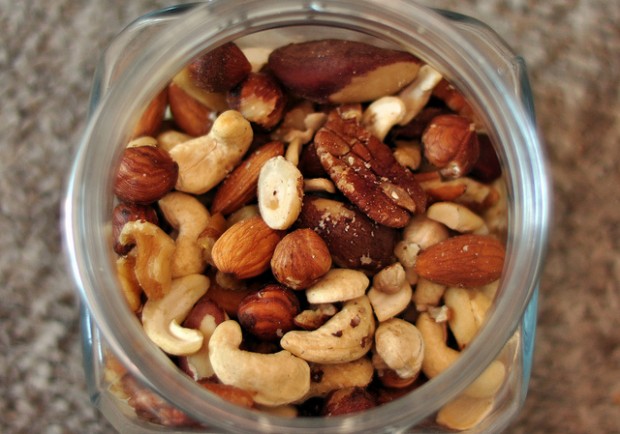
Latin America is still developing and for that reason it can be nearly impossible to access certain health foods and supplements. If there are specific herbs, organic nuts and seeds, and supplements you take, it’s a good idea to bring a stash with you. It’s advisable to do some research ahead of time and find out what health stores do exist and what they supply.
The opportunity to become a healthier individual and family certainly exists in Latin America, it just takes some transitioning. Find the health-centric community and you can quickly discover the many secrets for accessing health foods from home while staying active in the natural environment.
Andy Browne takes you on a video tour of Boquete, in the green mountain highlands of Panama, in western-most Chiriquí Province, about 60 km. from the border with Costa Rica. Popular with expats, Boquete is a very cozy mountain village so you won’t have problems exploring the city on foot. For the surroundings you can either use taxis or the local area buses.
Touring around Boquete
There are also many tour companies that offer guided trips through the mountains to see waterfalls, coffee plantations, the cloud forest, and La Amistad National Park.

Because of its altitude, some 1,200 metres above sea level, its climate is cooler than that of the lowlands. Its scenic location, temperature, and natural environment make it extremely popular with Panamanians, and attracts tourists from all over the world.


La Prensa Panama
Technology has done much to improve expats’ ability to stay informed in their new countries. Today’s retirees can sit in a cafe and read a copy of La Prensa, Panama’s highest circulating newspaper, while they peruse expat news outlets online. A few decades ago, they’d have been lucky to find a days-old copy of some slanted commentary propagated by the government.
For expats in Panama who want to stay on top of the goings-on, there are many options available. There are national news outlets that report on the latest headlines affecting the nation. There are also those specifically tailored for expats, which are often found online and can be either authored by local marketers who are reaching out to newcomers or by other expats who want to offer information that is relative to others in their community.
There are also television news outlets and radio stations. With the exception of one government-owned TV channel and one radio station, all news outlets in Panama are privately owned. Many, such as La Prensa, can also be translated online.
Most expatriates read, watch, and listen to some combination of the above. And their selections often depend largely on their level of understanding of the native language, as well as the availability of internet, satellite, and radio in their area. Many also use the internet to stay abreast of news and developments from “back home” as well.
What do we recommend for the expat who wants to be informed?
Read the local news too.
Here Are Some Reasons You Should Read the Local News
- It’s a great way to stay current with the concerns of the nation. And, quite frankly, it’s a great way to know which areas to avoid when there’s a protest going on. While you likely aren’t dying to get involved in the politics of a new country (especially if your political frustrations were part of the reason you left your old one), having at least a general understanding of the local and national issues is just a good idea.
- You can also stay informed on major infrastructure issues. Things like road closings and airport expansions can affect your travel. Plans for new construction projects can also have a bearing on decisions like where to buy property. Since Panama continues to invest heavily in this area, it’d be smart to know more about how the proposed changes might affect you.
- Speaking of change, the laws tend to do it a lot. From new visa requirements to tax incentives to driver’s licenses, it’s always something. Whatever the process was the last time around, there’s no guarantee it’ll stay the same. Be proactive and learn about any new requirements ahead of time, not after you’ve already spent half your day in line.
- Expat news, while helpful, might sometimes be better labeled as “expat gossip.” Don’t be misinformed. When new laws, changes, and projects are implemented, get your information directly from the source. It’s a good way to avoid getting your hopes up unnecessarily or getting yourself in a lot of trouble if you’ve relied on inaccurate info. Look to expat media outlets when you’re searching for a gringo poker night, not when it’s time to apply for a visa.
- Staying informed provides you with a much more integrated approach to living abroad. If you’ve taken the adventure of a lifetime and relocated to Latin America, then you likely want to do everything you can to truly experience life in a new context. You can’t do that if you only tune in to what’s going on with other people like you.
- Reading Panamanian news is a great way to acquire and hone language skills. It’s one thing to be able to order arroz con pollo. It takes a lot more skill to comprehend an article about the ins and outs of the Canal expansion. While it may be difficult at first, you’ll eventually get the hang of it.
A Word of Caution
While Panama technically enjoys freedom of the press, the government tends to frown on any content that is critical of the government or threatens to expose any corruption. Journalists can face criminal charges for libel or slander against high-ranking officials, so most tend to practice self-censorship.
The bottom line is that the government has an agenda; the newspapers have an agenda. And most of the time, those aims don’t exactly align. Read with that filter and the local papers will be beneficial.
La Prensa Panama
“La Prensa” which translates to “The Press,” is also the name of Panama’s largest newspaper. Founded in 1980, La Prensa Panama was created to oppose Panama’s military dictatorship. Since then its many ground-breaking reports have left quite a mark on the country’s political history.
Here is a list of some of the other most popular newspapers in Panama, along with their websites.
La Prensa www.prensa.com
Panama America www.panamaamerica.com.pa
Critica www.critica.com.pa
El Siglo www.elsiglo.com
La Estrella www.laestrella.com.pa
Mi Diario www.midiario.com
Dia a Dia www.diaadia.com.pa
Metro Libre www.metrolibre.com
Pick up a copy or read online. Promote freedom while you read about the latest in sports and weather!


Al H.
Did you know that in Minnesota it’s illegal to cross the state line with a duck on your head? Or that a law in Galveston, Texas, states that bicycles must be operated at a “reasonable speed”? Or how about the Alabama law that says it’s illegal for a driver to be blindfolded while operating a vehicle?
Those states’ traffic laws may seem outlandish, but they’ve got nothing on their Latin American neighbors.
Developing countries often face challenges such as poorly paved roads, narrow city streets, insufficient signage, and not enough police to patrol populated areas. Pedestrians are often unaware of the dangers at hand. And local taxi and bus drivers barrel through busy thoroughfares like bats out of hell.
With motorist and pedestrian fatalities a serious problem in Latin American countries, it goes without saying that laws are needed, as is their stringent enforcement. However, no matter how well-meaning their intentions, traffic laws and regulations in Mexico and Central and South America can often range from the excessive to the outright bizzare.
Here are the stupidest laws we’ve found during our time here:
#3. Cyclists in Mexico must keep both feet on the pedals.
Coming in third is one from Mexico. After a cyclist was killed in an 1895 hit-and-run incident, a number of laws were put into place to protect bicycle riders from future injuries. Consequently, in order to prevent them from losing control of their bike, cyclists “may not remove either foot from the pedals.” While clearly outdated, and likely unenforced, this crazy law remains on the books for now.
#2. A speeding ticket in Costa Rica will run you over $600. Minimum.
In second place on our countdown is a hefty fine in Costa Rica. Over 450 traffic cameras in 150 different locations in Costa Rica were installed in 2011. The government claims their purpose is to reduce traffic deaths, which is a big problem in the country. However residents think the excessive fines, which start at $616, are unfair–although the Roadway Safety Council allows for quite a generous cushion, only ticketing drivers who are going at least 20 km over the speed limit. The first 16 cameras, all located in the Central Valley, racked up fines of over $9 million in just the first two weeks of being installed.
#1. Speeding in Cuenca, Ecuador, can land you up to 3 days in jail.
Coming in first place is a new development in Ecuador. Because speeding is the largest contributor to roadway deaths in Cuenca, law enforcement decided to amp up the penalty for those charged with the offense. As a result, having just the slightest bit of a heavy foot can cost you $292 and 3 days in jail. The sentence can be charged to those going as little as 10 km over the posted (or unposted, as is often the case in Ecuador) limit.
Within a few short days after the law was enacted, 139 drivers had been arrested and 18 of those actually spent time behind bars. Vehicle speeds in Cuenca are monitored by radar detectors and computerized photographic devices, none of whose locations are known.
If your upcoming travels include a drive through any of these Latin America countries, might we suggest making it a leisurely one. You’re putting yourself in enough danger just by being on the road with most of the other crazy drivers.
If you do insist on putting the pedal to the metal, be prepared to fork over a substantial fine or even spend some time in the slammer. Laws down here can be asinine, and the cops can be brutal.
Consider yourself warned.


photo by Will Travel
Here at Viva Tropical, we talk a lot about great it is to live and invest in Panama. While we definitely do think it’s one of the best places to retire and invest in Central America, or the world for that matter, it certainly isn’t without its frustrations.
Would-be expats find a number of things to complain about once they arrive in Panama. And many end up leaving. Their reasons vary, but in most cases they agree that they never would have come in the first place had they known “x.”
While we don’t know what “x” is for you, we do want you to be educated on some of the things that might peeve you in Panama.
Some may seem very high-level and almost irrelevant for the day-to-day life of an expat. But the reality remains that, when you call a country your home (particularly a developing country), things like constant changes in governmental regulations do affect you. It can be frustrating to try and get a visa or buy property in Panama when the rules keep changing.
Multiply that by 1,000 if you plan to do business in Panama. Imagine trying to meet deadlines and stay on schedule (and budget) when people are painfully late for meetings and contractors never show up to finish their work.
Here are a few of the biggest complaints we’ve experienced and overheard during our time here.
Practically the entire government turns over every 5 years.
Elections in Panama occur every 5 years and include both the presidential office and all 71 seats of the National Assembly. The country’s multiple political parties work together to form a coalition government, and it’s not at all unusual to see entire administrations ousted all at once.
The personnel changes continue all the way down the line, much like when a new head football coach comes to town with his own team of assistants. With that comes not only new faces, but completely new ways of doing things.
So, if you were in the middle of completing a project or process based on how it was supposed to be done when you started it, be prepared to start over.
While you may never see it, corruption is very real.
Corruption is often a problem in developing countries, and Panama is no exception. The country ranked 83rd out of 174 countries in the 2012 Corruption Perceptions Index (conducted by Transparency International), with a score of 38 on a scale where 0 = “Highly Corrupt” and 100 = “Very Clean.”
In Central America, only Costa Rica fared better with a score of 54 and a rank of 48th. (For comparison, the U.S. ranked 19th with a score of 73.) So, while corruption does exist in Panama, it’s no more present than in other developing countries.
As far as what it looks like, it’s hard to say. Because it’s not like it’s constantly in your face. It could be something as high level as the government hiring less than credible contractors for infrastructure projects, to serve its own interests, all the way down to policemen being paid off to avoid issuing a traffic ticket.
The bottom line is that it’s there. So don’t be shocked if you run into it. But don’t make too much of a big deal out of it either. Business gets done every day without paying bribes.
Efficiency is not Panama’s strong suit, to say the least.
It’s important to note that, on the polar opposite end of this spectrum stands the Panama Canal. One of–if not THE ONLY–exception to this rule, the Canal runs like a well-oiled machine.
As for everything else…we’re not sure what most employee training programs in Panama emphasize, but it’s likely not punctuality, speed, or efficiency. From the guy who comes to fix your roof to the guy behind the immigration desk, prepare to be frustrated with how things are (or aren’t) run.
Long waits and long lines are imminent, whether you’re at a public health clinic or at the water works office to pay your utility bill. Patience is key. Bring a book or magazine, or use the opportunity to brush up on your Spanish.
On that note, a good place to start with learning the official language of Panama is with the word “mañana.” You may think you know what that word means. We did before we came to Panama. We were wrong. “Mañana” does not, in fact, mean “tomorrow.” It actually could be interpreted to mean a number of things. “Next Friday,” “the week after next,” “eventually,” or even “never.”
While it’s impossible to know exactly what someone means when they tell you something will get done “mañana,” what’s important in almost every situation is to remain calm, keep your cool, and be persistent. Use every opportunity to steadily push the ball forward. Don’t blow a gasket and get in a frantic rush, which is the normal reaction of most North Americans.
While it has come a long way, Panama is still a developing country.
The government and economies of third-world countries lend themselves to a whole different set of uncertainties. As a result, investing in Panama can be quite the risk, even to the most savvy investor.
Then again, what isn’t these days?
On the flip side, what some see as risk, others see as opportunity. It really all comes down to the attitude of the individual investor. Succeeding in this market requires the kind of outlook that says “Even if things change or something goes wrong, I will work it out. Somehow.”
For those types, making an investment in Panamanian real estate or starting a Panamanian business can be a rewarding venture.
For those who freak out when the slightest detail doesn’t work out exactly according to plan, completing even the smallest business transaction in Panama could be a struggle. If you’re one of those, you’ll want to carefully assess your drive and risk tolerance.
Panama is a judicial hellhole.
When it comes to Panama’s legal system, let’s start with the good news. It’s entirely possible–well, almost possible–to avoid it entirely.
One way is by ensuring that all of your business contracts have an arbitration clause. Since arbitration is a much better way of reaching a fair resolution, it is what’s most often used in business dealings, as opposed to judicial proceedings.
Another way is by proactively doing your due diligence in any type of transaction, business or otherwise. Whomever coined the adage about an ounce of prevention being worth a pound of cure, was very possibly talking about the Panamanian judicial system. Do your homework on the front end, and work with a team you can trust.
Let’s reiterate the trust part. Just as important as the credibility of the transaction is the reliability of the people you’re working with. Don’t assume that all professionals are legit. Ask for recommendations from other expats or from other business people who’ve already earned your trust.
Otherwise, you could end up in court, where verdicts can range from inconsistent (at best) to corrupt (at worst). Sadly, foreigners are often viewed as having endlessly deep pockets, and as a result the courts often rule unfairly against them.
That’s not to say that, as an expat, you’re never going to get a fair shake. It is to say that, if you find yourself headed to a Panamanian court, you’ll need to have a good attorney to represent you and be prepared to roll with the punches.
You won’t always be able to find the exact consumer goods you’re used to.
While the same is true throughout Latin America (and most any foreign country), you’re not going to find the exact same brands or products you’re accustomed to buying in your home country. If you do, they’re likely to cost 5% to 25% more than they would in Miami.
You might also discover that something you saw at the store one week might not be there the next time you shop. So, if you see something you can’t live without, it’s best to snatch it up before it’s gone. Some examples are imported name brand products and specialty items.
But, while you might not find your usual breakfast cereal with the same cartoon rabbit on it, what you will find is a comparable, or even superior replacement, at a fraction of what you would have paid in the U.S. Also, what Panama lacks in North American brands it more than makes up for in fresh, organic produce and authentic, local goods that you could never find in the U.S.
There’s literally hardly anything you could want that you can’t get in Panama. The trick is learning to compromise and think outside the same old cereal box with the same old cartoon rabbit.
While the weather is great, it’s not all sunshine and rainbows.
Most people who’ve lived or visited here agree that there are many parts of Panama where the weather is near perfect. The key word here is “near.” Panama’s climate varies greatly throughout the country and its various elevations.
So, if you like the temperate climate of Boquete, don’t assume you can move to Panama City and enjoy the same spring-like weather year-round. Many complain about the heat and humidity in coastal areas.
Others aren’t prepared for the chilly nights in the higher elevations. And some say there’s too much rain almost everywhere. If you’re seriously considering relocating to Panama, it’s not a bad idea to first experience it in all seasons, of which there are only two: wet and dry.
The good news is that, with its varied topography, you can find the climate you’re looking for somewhere between the country’s borders. It might just take a little bit of moving up and down the side of the mountain to get it just the way you like it.
But knowing is half the battle if you want to live and invest in Panama.
So, whether you’re just considering retiring to Panama, or perhaps thinking of starting up your own business venture, just know that you will not do so without your share of challenges. They could be as simple as never being able to find your favorite blend of Indian spices or as complicated as waiting over two years to get your Panamanian visa.
As long as you have realistic expectations about what makes Panama a great place to live or invest, you’ll come out just fine. Because, for most investors and expats, Panama’s benefits far outweigh any negatives about the country.
Still considering Panama after what you’ve just learned? Head over to our Panama Section and learn the Pros and Cons of living or investing in Panama.


If you’re considering living abroad, then I’m sure you’ve heard this story. Guy goes to Costa Rica on a surfing trip. He falls in love with the place. What was supposed to be a long weekend turns into two weeks. While he’s there he starts scoping out a place to live.
Guy goes home and collects his wife. They sell everything and buy a house near the beach in the tropics for forty grand. They move to paradise. He makes a living teaching gringos how to surf. She opens up a cafe in a beachside cabana. And they all live happily ever after.
Sounds great, right? Right? Wrong.
That’s not to say that the above scenario can’t happen. Apparently it did for that guy. It’s just that it isn’t the norm. In fact, it’s quite the anomaly. Hence the reason so many marketers like to tell that story, to make you think you could be next.
Unfortunately, though, thousands of expats every year live out stories that more closely resemble this one…
Guy gets tired of working behind a desk 50 hours per week. He’s sick of watching his taxes increase and his freedoms decrease. Guy says, “Honey, let’s move to the tropics!” His wife says, “Um…okay?”
Guy researches countries on the Internet and settles on one he thinks they’ll like. They pick a city in Central America and plan a trip down to visit. They stay at a local resort, sip piña coladas, and think “This is the life.” So they buy a little house and relocate their family.
Fast forward a few months. It’s the rainy season now, so it rains every day. The roof leaks, and they can’t find a single contractor who’ll finish the job. His “get rich quick” scheme is taking a little longer than expected.
The place they’ve moved has few expats, and they’re having trouble making friends. She’s sick of the weather and bored out of her mind. Frustrated, she announces that she’s moving back to the States. Alone.
While this second scenario is a much more accurate picture of many couples and individuals who try their hand at living abroad, it doesn’t have to be.
This couple just missed out on the next, and ultimately the most important, step in the whole process.
They may have picked out dishes and curtains for their new place. But they overlooked a lot of more crucial issues like how they were going to meet people, what activities were going to fill their newfound free time, and how they were going to cope when they encountered difficulties.
These and other considerations are all part of the mental preparation for moving abroad. Just as important as choosing a location, packing your belongings, and getting your paperwork in order is the need to formulate a shared vision for what your life will look like in your new home. And a carefully drawn plan of attack for you to implement once you arrive.
There are a lot of reasons that people cite for why they didn’t fare so well in what they thought was going to be the destination of their dreams. But almost all of them share the same underlying lack of sufficient mental preparation. Here are some of the most common mental mistakes expats make when living abroad, along with our suggestions of how you can avoid them.
#1. They have unrealistic expectations.
Erma Bombeck said it best. “The grass is always greener over the septic tank.” And when you’re fed up with life in the U.S., it’s easy to see living abroad as the answer to all of the things that frustrate you about your current life.
While living overseas can be great, it’s never going to be perfect. Too many expats over-romanticize life abroad, only to be met with great disappointment when things don’t go exactly as planned.
Like the guy in our scenario learned, doing business in another country can be a real challenge. Your plan to meet a Latin hottie and live happily ever after, might make a better Lifetime movie than a reality show. Not to mention, living in a developing country presents a whole other set of issues that many expats just aren’t prepared to deal with.
The bottom line is that when you get your feet on the ground in your new country, and you remove those rose-colored glasses to wipe off the fog from the sweltering humidity, you may begin to see that everything isn’t always going to be sunshine and rainbows.
How to Prepare:
Don’t be naive. While it’s fun to let yourself believe that everything will work itself out and you’ll never have any problems, it just isn’t realistic. A better approach is to actively anticipate hurdles and be prepared to deal with them.
Learn some common complaints about the area where you’re headed and decide if they’re things you can handle. If they aren’t, maybe you should reconsider your destination, or even your move altogether. If the concerns are manageable ones for you, go ahead and decide exactly how you’re going to deal with them.
Living abroad, like living anywhere, is all about trade-offs. Think long and hard about what you value and what you’re willing to do without in order to have what’s most important to you. If freedom, opportunity, and adventure are your priorities, you’ll find them in Central America. If punctuality’s something you need to maintain your sanity, you’ll go crazy there.
Most importantly, and we can’t stress this enough, have a PLAN. Whatever your goals–launching a new business, meeting the man or woman of your dreams, becoming a world-champion surfer, etc.–map out the steps you’re going to take to make them happen. Be ready to get started as soon as you arrive.
#2. They get bored.
Many expats make the mistake of thinking that, once they move to the tropics, every day for the rest of their lives is going to be like a vacation. That usually lasts less than a month. When the honeymoon phase is over, even living abroad in paradise can start to lose its luster.
Lying in a hammock and drinking beer all day can quickly get old (not to mention wreak havoc on your health). And with nothing to fill your time and hold your attention, all the cracks in your new life will start to show through.
Besides, no matter what you might think, there’s virtually no one who can live [happily] doing absolutely nothing all the time. Sounds nice, but it doesn’t work. You’re eventually going to need a purpose. Or, at the very least, a pastime.
How to Prepare:
When making preparations to move abroad, try to see it as planning a life instead of just a really long vacation. Sure, you’ll have the time and freedom to do things you never could back in the U.S., but you also want to enjoy a meaningful existence. The hedonistic lifestyle can quickly become an empty one.
When you visit the cities you’re considering, look at the locals and other expats. See how they live and what they do. Think realistically about what you’ll do once you get there. Look at your current lifestyle and see what matches up.
Find opportunities to explore new hobbies, volunteer, and stay active both physically and socially. Not only will these activities stave off the boredom, they’ll help you get plugged in and find community in your new home.
#3. They aren’t on the same page.
Sadly many couples who move to the tropics have lopsided enthusiasm. One may be thirsty for adventure, while the other one hates being so far away from family. This partner may be gung-ho about a new business opportunity, which requires their companion to put their career on hold as a sacrifice.
It could even be as simple as a difference of opinion about where to move. He wants a small beach community, while she wants a more cosmopolitan city.
Whatever the discrepancy, it’s important to share the same vision and values. And it’s important to negotiate any compromises before you come, not after. The stress of an international move is hard enough. Throw in the lack of a support system and a whole slew of temptations in your new city, and it’s a recipe for disaster for a relationship that is already on the rocks.
Too many expat couples quickly find themselves getting a divorce, all because they failed to communicate about their goals.
How to Prepare:
Before making any decisions about living abroad, have a candid conversation with your partner about exactly what it is you want. Make sure you agree on important issues like where to move and what you’ll do when you get there.
With so many great places to live in Central America, there is almost surely a place that can accommodate both parties’ interests, so that no one has to sacrifice their dreams unnecessarily. If one wants a cooler climate, but the other wants to live near the beach, find a place on a lush mountainside overlooking the sea from a higher elevation.
The same compromise goes for your interests as well. If one of you is a theater buff and the other thrives on giving back, find a place where an established expat community has formed both a local theater group and a humanitarian organization that assists the local indigenous group.
#4. They have no idea what they are getting into.
Much expat turnover can be attributed to simply failing to do an adequate amount of homework. Many of the common complaints–such as unpleasant weather, inferior amenities, and lack of other expats–could be avoided with just a little more research into the destination city.
For families living abroad, a common mistake is to fail to take into account the needs of the children. If a city has a large expat community, but they’re all retirees, then the children might have trouble making friends. If the local school is subpar or there’s no private alternative, parents may need to homeschool.
While disappointment is never a good thing as an expat, it’s never more frustrating than when the issue could have been avoided entirely…with just the slightest bit of extra sleuthing.
How to Prepare:
Make sure your research on your destination city is exhaustive. Find out everything you can about it, from the perspective of a resident, not a tourist. Experience it in all seasons. Talk to other expats who live there. Talk to some who have left!
Think about what you require to live comfortably (e.g. high speed Internet, local yoga classes, etc.). Does your city have those things? Conversely, what are some of your biggest pet peeves (e.g. low water pressure, long waits at the health clinic, etc.)? Is there anything in your new city that’s likely to drive you bananas? What about the other members of your family? Will their needs be fulfilled there?
If you don’t yet feel like you could write a 10-page essay (from memory) on all the various aspects of your destination city and its surroundings, then maybe you need to keep researching. At the very least, you’ll go into the move with confidence knowing you’ve investigated every aspect as carefully as you possibly could.
That being said, realize that–if things don’t turn out exactly like you thought–there are still plenty of options available to you. If you’re unhappy in your destination city, there might be a better one a few towns over. One of the beauties of becoming an expat is that you have the freedom to pull the plug at any time if another, more appealing door opens for you.
#5. They don’t give it enough time.
Even expats who’ve lived and thrived abroad for decades will tell you that a little bit of homesickness and disorientation is completely normal, especially in the early days. But many new expats take it to mean something that it doesn’t.
Many react to those emotions by withdrawing and isolating themselves further. Rather than reaching out and embracing their new culture, they try to almost recreate their home country in their new country.
They eat at restaurant chains they recognize from home. They surround themselves with mementos and reminders of the things they left. They eventually begin to romanticize “home” and even start to forget or minimize the reasons they left.
Even those who seek the companionship of other expats can get caught in the trap of trying to only surround themselves with things that are familiar and comfortable. Before they know it, the only solution is to return to where they came from.
How to Prepare:
Rather than focusing on the challenges of your new city, especially as you struggle to acclimate yourself, remember what drew you there to begin with. If it was the weather, spend lots of time outside enjoying it. If it was freedom, glance at a few U.S. headlines now and then as a reminder of the negative things you gave up.
Living abroad is really all about attitude and optimism. It’s also about endurance.
Do yourself a favor and promise that you’ll give it a minimum of six months before you throw in the towel. It takes at least that long to really get settled into a Latin country. To find people you’re comfortable with and establish a routine.
Most importantly, be open to new experiences and let yourself be pleasantly surprised by the new things your new city has to offer. Remember that the opportunity to enjoy a new culture is one of the reasons you chose to live abroad, and you just can’t do that effectively at an Outback Steakhouse.
Avoid these mistakes when living abroad
Just as important as the physical logistics of moving abroad are all the ways you’ll need to mentally prepare to relocate. Don’t make the move without a plan for what you’ll do when you get there. Have those important conversations with your family now.

M. Drumb
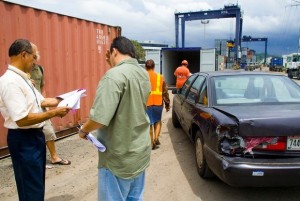
Whether you’re retiring to Panama with a pensioner’s income or moving down as a young professional to work in a specialized field, you can easily find a Panama visa option that’s right for your particular situation. Now actually obtaining that visa, on the other hand, can be a completely different story.
While Panama is known the world over for its friendliness to foreigners and its inviting list of visa options, its efficiency and straightforward processes are unfortunately not among its strong suits.
Picture the DMV in the U.S. On a Friday. The last day of the month. With the computer system down. Now double it.
That’s not to say that obtaining your visa in Panama is always difficult. It isn’t. But it can easily become that way. And it’s due largely in part to the Panamanian way of doing things.
Things in Panama move slower, in general. You can wait days for a repairman to actually show up at your house to fix a leaky faucet. Panama Immigration Services is no different.
In addition, the rules in Panama are always changing. The requirements someone laid out for you yesterday might not hold true tomorrow. Or you might just get a different story from the person you talk to the next time.
Don’t let it frustrate you.
While the process of obtaining your Panamanian visa can be stressful, it’s manageable. And, most importantly, it’s worth it. With the right team of professionals and these important tips, you can make things go a little more smoothly.
-
Be represented. A qualified attorney can be a huge asset when navigating the immigration process, beginning with choosing the best visa for your needs. Find someone who has experience with the system and has helped other gringos obtain the same visa you’re after. You can get recommendations from other trusted professionals you’ve dealt with or from other expats.
-
Be knowledgeable. Before applying for your visa, make sure you’ve researched your options and are choosing the right one for you. Take into consideration whether you’ll be investing in property, whether you have a high enough monthly income, or whether you plan to work once you get here. These factors determine whether you will qualify for a specific visa at all, so don’t miss this important step.
-
Be reasonable. With your expectations, that is. Obtaining a visa is not like renewing your driver’s license, where you go in, wait in a long line, and leave with what you came for. Understand the process for what it is and prepare yourself to approach it calmly and with your end goal in mind. Remember that, despite the fact that the government or even your attorney gives you a projected time frame, it’s never a guarantee. If you know that going in, it can make the entire process far less stressful.
-
Be prepared. Once you know (or at least think you know) what all will be required for your application, get all of your documentation in order. This will include things like your passport, proof of income, employment verification, and other important papers. It’s best to have a few copies of each if possible. Make sure they’re all in Spanish and notarized where necessary.
-
Be patient. And not just the waiting-in-a-long-line kind of patient. Sure, you’ll do some of that too. You’ll want to bring a book or magazine, or maybe even use the time to brush up on your Spanish. But, beyond the temporary waiting in line, there can be months of frustration and uncertainty. Don’t worry. Don’t stress. Just trust your team to do everything they can to keep moving the ball forward. Then wait patiently and trust that you’ve done everything you can for the moment. When it’s time for the next step, move the ball forward a little more. Repeat.
-
Be polite. It’s true in almost any situation, but when dealing with Panama Immigration Services you can truly catch more flies with honey than with vinegar. A simple “Buenos dias” and a smile can brighten the day of the person stuck behind the desk you’re standing in front of. Especially when they’ve just dealt with hundreds of people before you who weren’t nearly as affable. While there’s probably not a lot of leeway for any kind of special treatment, they’re much more likely to offer it if you’re nice.
-
Be persistent. We mentioned that rules and requirements change a lot in Panama, and foreigners are often left in the lurch when that happens. When you show up with everything you need, only to be told you’ll need something else, simply smile graciously and go back to the drawing board. When it happens again the next time (and it could), just keep doing everything you can to keep the ball moving forward.
-
Be ready to do it all again. With many visas, such as the popular Pensionado Visa, the government requires an annual renewal to ensure that you’re still meeting the requirements that allow you to hold the visa, such as proof of your continued income. Don’t let these dates sneak up on you. Remain proactive and line up the required documents well in advance of any deadlines. Hopefully the renewal process will only get easier with time.
While obtaining a visa in Panama isn’t always a walk in the park, it’s well worth the sacrifice to be able to call this attractive retirement haven your home. Now that you know how to approach the process, you’re miles ahead of many other would-be expats. The next step is to narrow down your options.