


Adalberto Vega
Nicaragua just might be Central America’s best kept secret. For years it’s been considered by many tourists as too dangerous to explore. This has kept it more affordable and less developed than nearby Costa Rica which has been a tourist and expat hotspot for years.
Yet today Nicaragua boasts the title of being the safest country in Central America and is making a comeback.
For those interested in getting in before everyone else does, here is where to live in Nicaragua with the best to offer North Americans hoping to relocate.
Granada
Spend one moment in Granada and you will understand why some travelers showed up and never left. The beautiful, brightly colored Spanish colonial architecture and lively squares and markets meld the enchantment of a European city with a small Latin village.
Situated on Lake Nicaragua beneath the Mombacho Volcano there is plenty of nature to explore. Lake Nicaragua has hundreds of little islands that some people have actually purchased and built homes or restaurants on. You can explore these islands by kayak or boat tour. Mombacho has plenty of hikes and climbs that offer epic views of the lake and islands. Daytrippers can also go to the Laguna de Apoyo which is a swimmable lagoon in the center of an erupted volcano.
The natural beauty, local culture, and colonial architecture have already brought plenty of expats who have established their own community. Some have opened volunteering organizations to help conscious individuals get involved in the local community.
Expat-owned cafes, delicious international food, gyms, and spas allow you to experience comforts of home at a dramatically lower price tag. There is also a strong local arts scene which gives the town a more cosmopolitan feel.
Leon
Leon is known locally as a college town but many expats have begun to call it their home as well. If Granada is Manhattan you might call Leon Brooklyn. It has a distinctly hipper, more rustic vibe than beautiful Granada.
The open squares sit between beautiful old churches and offer the perfect gathering place for musicians, writers, and artists. The many museums and galleries are a big appeal for foreign transplants.
Like Granada Leon has plenty of wonderful local food as well as expat-owned restaurants, cafes, and bars. It is just as affordable as nearby Granada.
A huge appeal of Leon is its close proximity to the Pacific Coast beaches. Surf towns like Las Penitas and Popoyo are a half hour drive away and there are plenty of completely deserted sands to explore. Leon is also surrounded by eight volcanoes that adventure lovers can explore. The most famous is Cerro Negro which you can hike at night or volcano board down the side of.
San Juan del Sur

David Dennis
On the far southern Pacific coast of Nicaragua is the popular beach town San Juan del Sur. In recent years it has become one of the most frequented destinations in Nicaragua by tourists. Consequently more and more expats are beginning to live and invest here.
The surf can be excellent and nearby beaches are often deserted. Many expats choose to root themselves here for the conveniences of the many businesses and opportunities because of the tourism industry, while still being on a very beautiful beach. Excellent restaurants, cafes, bars, and even yoga studios bring plenty of North American comforts to the area. Because of its popularity with tourists prices tend to be more akin with Costa Rica just next door.
San Juan Del Sur does have the biggest party scene of all of Nicaragua which may not appeal to everyone. However it’s always possible to stay a little way out of town for complete solitude.
Las Penitas and Popoyo
On the coast a short half hour drive from Leon are some beautiful beaches for expats who want a more off the grid experience. Las Penitas is a quiet small fishing village with great surfing. It lies on the Isla Juan Vanado reserve which has turtle hatching that volunteers can observe or assist in.
Popoyo is another sleepy, relatively undiscovered surf town. Both are close to Leon for city comforts.
The Corn Islands

M. List
Out beyond the coast in the Caribbean sea the Corn Islands feel like another world. The local language is English, which will make relocation much easier for expats who do not speak Spanish. Both Big Corn and Little Corn island have a relaxed Caribbean vibe with very friendly communities.
The islands are covered in white sand beaches with flat glowing turquoise ocean. The sea is perfect for diving, fishing, kayaking, stand up paddleboarding, snorkeling, and sailing.
Big Corn Island has a local airport with two hour flights to Managua for city necessities. It also has roads, cars, and many hotels and restaurants. Little Corn Island is much less developed and accessible by boat from Big Corn Island. It has no cars and the entire island is a little over a mile in diameter but still has an expat community, a yoga studio, two dive shops, and a few restaurants. It is unspoiled paradise.
The Corn Islands are not for everyone but the expats who have chosen to move there absolutely love it. A few have created their own farms to have access to fresh local food rather than waiting for the freight boat that comes once per week from El Rama on the mainland.
Nicaragua is a diverse country in both landscape and culture. Many travelers are beginning to recognize the beauty of the country and its people and are deciding to root themselves there. One of these up-and-coming expat hubs could be the perfect place for you to create a new life.


Wouter Van Doorn
One of the biggest perks of moving to Central America is the overwhelming prevalence of nature. Undoubtedly the breathtaking vistas and endless opportunities for exploration have been the driving force behind many expats’ decisions to move here.
But recent studies suggest that the benefits of being in close proximity to natural environments may include more than just a nice view.
Researchers have studied both the short- and long-term effects of exposure to nature, and–based on their findings–it’s no wonder that people living in Central America enjoy a quality of life that rivals any area on the globe.
Being Outside Combats Two of the World’s Largest Contributors to Disease
People who spend more time in a natural setting have been proven to be healthier overall than those who don’t. Period. Among the specific improvements in their health were lower blood pressure and cholesterol, an improved outlook on life, and a reduction in stress levels.
Most notably, spending time in nature provides improvement in the areas of mental health and cardiovascular disease, which are projected to become the two biggest worldwide contributors to disease within the next few years.
Other indirect benefits cited include decreased feelings of depression, greater satisfaction with life in general, increased self-esteem, and a reduction in negative emotions such as anger and anxiety. People who spend considerable time outdoors also tend to be less aggressive and violent, less likely to procrastinate, and better able to solve problems.
It Has Nothing to Do with Exercise
You may be surprised to learn that the benefits gained from being in nature don’t even take your activity level into consideration, although people who spend more time outside do tend to be more active. Instead, it’s the mere contact with nature that seems to do the trick.
Several studies even used photographs of serene natural settings to achieve the same outcome, (but–don’t worry–you won’t need to resort to that when the beautiful landscapes of Central America are all around you). As little as 20 minutes per day spent in nature was enough to increase participants’ vitality levels by as much as 90% and eliminate feelings of exhaustion.
So, forget hiking or rock climbing. All you really need to do to improve your overall health and wellness in Central America is spend some time bird watching in a nearby nature preserve or taking in the sights, sounds, and smells of your own garden.
photo by Bill Tacular
“Clearing Your Head” Isn’t Just a Figure of Speech
The mechanics behind what actually happens when you spend time in nature really aren’t all that complex. And, when you consider the fact that humans have lived in rural settings for centuries but only in urban environments for the past few decades, this really shouldn’t have been such a hard conclusion for scientists to reach.
Urban environments, where we’re surrounded by things like traffic and technology, serve as a continual drain on our mental resources. We’re bombarded by stimuli, making it increasingly difficult to focus, rest, or recharge.
Nature, on the other hand, has an innate ability to capture our attention. When we focus on the natural world around us, our brains are given a break from all of the artificial attractions that normally compete for our awareness. By contemplating nature, we involuntarily shut off a large part of our nervous system activity, giving our brain the time it needs to refuel.
By isolating the part of the brain that performs more focused introspection, we also increase our creativity, attention span, and performance on a number of cognitive tests. And the longer the better. Participants of one study improved their scores by 20% after a 3-hour hike. However, those who were gone for four days saw an improvement of 50%.
Contact with Nature Is Even More Crucial for Expats
In one particular study, the benefits of being in nature were found to be even more important for those in an unfamiliar setting, such as expats living abroad. It gave these individuals a greater sense of identity and oneness with their new country. They tended to feel more integrated, rather than isolated. They also reported a greater sense of possibility and empowerment.
Being in nature has also proven to benefit entire communities, as it often lends itself to increased social contact and cohesion. Parks and community gardens provide opportunities to socialize. Environmental volunteer opportunities allow locals and expats to bond through social connections and a shared sense of commitment to the local environment.
How Moving to Central America Can Be Beneficial to Your Children’s Health
Increased time spent in nature has been linked to the reduction of many of the chronic health conditions that increasingly plague America’s youth, such as obesity, asthma, ADD, and ADHD. Not to mention mental health concerns like depression and anxiety.
A growing problem in the U.S. is vitamin D deficiency, which has been linked to cardiovascular problems later in life. Vitamin D is produced by the skin after sunlight exposure. This nutrient is important for a number of bodily functions and is essential for the proper absorption of calcium.
With an abundance of natural settings to choose from in Central America, your children could benefit from the scientifically-proven increase in good health and happiness that comes from free and unstructured play outdoors. Research has shown that it improves children’s independence and sense of self, their cognitive development, and their overall well-being.
Want to improve your ability to focus and your children’s ability to cooperate? Find out more about the benefits of moving your family abroad.


Dennis Kruyt
The tourist visa is by far the easiest Panama visa to obtain. Why? Because it’s free, and for citizens of most countries (including the U.S. and Canada), it’s automatically granted when you enter the country.
The tourist visa is good for 180 days, but many expats in Panama are finding that it’s all they ever really need. With virtually no requirements, other than the renewal, it’s entirely possible to live in Panama for a long time as a permanent tourist!
Not only is the tourist visa easy to obtain, it’s fairly simple to renew as well. Since it’s automatically granted to those who enter Panama from approved countries, essentially the only thing you have to do to renew it is…you guessed it:
Leave and come back!
Every six months or so, expats in Panama load up their families and take the Pan American highway west to the border the country shares with Costa Rica. (Driving east is not an option, since the road literally ends at the Darien Gap, leaving no viable way to reach Colombia.) Once there, they stand in a total of four lines to 1.) exit Panama, 2.) enter Costa Rica, 3.) exit Costa Rica, and 4.) re-enter Panama.
And it’s all perfectly legal!
While many simply choose to leave and return and be done within a few short hours, others opt to spend a few hours shopping in the tax free zones on both sides of the border. If you have even more time, you can even use your “visa run” as an opportunity to take a little vacation. Rather than driving to the nearest border, you can take a short flight to another nearby Central or South American country, or even return to your native country for a visit.
Even though the process of obtaining and renewing a tourist visa is definitely among the easiest immigration procedures in Panama, keep in mind that you’re still dealing with the governmental operations of a developing country. That being said, here are a few important things to remember about renewing your Panama visa as a tourist:
1.) There’s “what the law says,” and then there’s “what’s commonly practiced.” It’s a common occurrence in Panama for immigration officials, or any governmental entity for that matter, to just sort of make things up as they go. The law may say one thing, but if they’re operating under a completely different standard…just go with it. For example, the law says that when you renew your tourist visa, you have to show proof of solvency so they know you won’t be working while you’re in the country. Sometimes they ask for it, sometimes they don’t. (Editor’s Note: It’s best to be prepared, check for changes in Panama’s migration laws prior to making your trip.)
On the flip side, nowhere in the law does it say how long you have to be out of the country before you can re-enter. However, some officers will tell you to wait 72 hours. If you run into this, don’t try to refute it. Just smile and nod and maybe try again when another employee steps up to the window. I will note that we have been specifically told, in 2013, that 72 hours is no longer a requirement.
2.) Officials can switch at any time, without warning, from abiding by the law or by common practice. Just because you’ve renewed your visa 5 times without ever being asked for anything other than your passport, that may not always be the case. Our best advice is to be prepared every time with all the documents you could possibly be asked to show.
For instance, the law states that you are to show proof of a planned departure date within 180 days from your entry into Panama (i.e. a bus or plane ticket). They may or may not ask to see one. A good solution is to buy a bus ticket that’s good for 6 months. Even if you don’t end up using it, at least it isn’t a huge investment, especially on Air Panama who currently charges $11 to refund a ticket.
3.) Exit and re-entry is a bit tougher if you bring a car. Those leaving and returning with a vehicle must stand in a separate line and provide a bit more paperwork than those doing so on foot. So, if you drive yourself to the border, you can park your car and walk the short distance between immigration stations. If you plan to do some traveling in Costa Rica, there are buses and taxis available just inside the border.
4.) Even though the immigration department will let you stay in the country for 180 days, they only trust you to drive for the first 90. That’s right. True to typical bureaucratic asininity, tourists are only allowed to drive for 3 months after entering the country. So although the length of stay has been extended to 6 months, permission to drive did not follow suit.
One option for overcoming this is to renew every 3 months instead of 6. You can also, like many expats, just keep on driving and be prepared to pay the fine, which can be as much as $500 if you’re caught. You should also know that you can forfeit your auto insurance if you are involved in an accident while driving without a license.
As always, when dealing with the renewal of any Panama visa, our best advice is to be prepared and remain patient. Have everything you think you might need and then some, and don’t get frustrated if the rules have changed since the last time you renewed…or since last week. In the end it’s all worth it.
If the tourist visa sounds like too much of a hassle or uncertainty for you, find out if another Panama visa might be more appropriate for your situation.

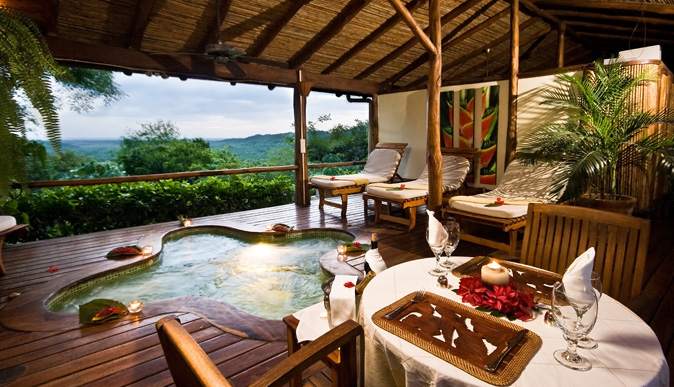
We recently had the chance to ask the owners of Los Altos de Eros, the Tamarindo, Costa Rica Viva Picks hotel winners, a few questions about their move to Costa Rica where they became expats.
1. How did you end up in Tamarindo?
We came here from Florida on our honeymoon. We liked the area so much that we decided to buy a condo here and spend half our time in Florida and half in Costa Rica. While looking for a condo, we saw a beautiful piece of land and just got totally carried away!
2. Did you have experience in the hotel business before you came to Costa Rica?
Not directly in the hotel business. I had an internet based company which I sold in 1999. I also had a little experience in the restaurant business. When it came to Los Altos de Eros, Jacqueline and I simply fell in love with the piece of property where it stands today and visualized building a Costa Rica luxury hotel and spa. We understood the risk we were taking and the amount of competition we were up against. That’s why we knew it had to stand out from the rest. My philosophy is you get what you give. So, we started out giving away complimentary Spa Days to our friends and acquaintances in Tamarindo. It was wonderful to put the whole thing to the test and realize people loved it! Soon enough, they were sending us business just through word of mouth. And that’s how our business began to ascend.
3. Explain to our readers what makes Altos de Eros unique and why they should stay there.
What can I say, if you are looking for a place with 5 star service, great value, gourmet cuisine, and the best Spa in Costa Rica, you should come stay here.
Our Guests are treated like royalty the minute they’re picked up from the airport. Our 3 to 1 staff to guest ratio guarantees exceptional, personalized service. Almost all of our staff have been with us 5+ years. They are happy and take pride in their work. As many guests have said, you are treated like family here, which is true, and we will do our very best to exceed all your expectations.
We take care of every detail, with no hidden charges or ridiculous prices, something you will not find elsewhere. From laundry service to Cuban cigars, our wonderful range of amenities is transparently included in our rates so you can just sit back, relax and enjoy your vacation.
Our food is spectacular, thanks to our talented Chef Andrea and kitchen staff, who prepare every meal to guarantee 5 star quality cuisine. Our Chef will even have a personal dialogue with our guests to accommodate food restrictions or special diets and create a custom menu that meets their needs.
Our breathtaking Spa de Eros is our jewel. The Balinese style, bamboo and teak layout opens up to views of the jungle and ocean. The spa attendants are exceptional massage therapists and deliver the most soothing treatments. It is a space for rejuvenation and pampering like no other.
4. What types of things can your clients do in Tamarindo?
We provide transportation, so clients can partake in all kinds of activities in Tamarindo and nearby areas. Activities include surf lessons, paddle boarding, sunset Catamaran, sports fishing, zip-lining, horseback riding, ATV tours and so much more. Clients also have the option to go into Tamarindo for lunch or dinner, shopping, night life, or simply to relax on the beach.
Situated on a 27-acre estate 20 minutes outside of Tamarindo, Costa Rica, we offer you a supreme “5-Star” destination. Los Altos de Eros means ‘”the heights of love” and you will love everything about us: our location, our ambiance, our cuisine, our Spa, and our Staff. All we ask of you is that you come with a smile on your face and a song in your heart.

Once the decision to move down to a gorgeous tropical destination to live out your retirement years has been made, the real work can begin. And of course, this work begins with one major question, where should I move? Consider living in Belize.
 With a plethora of unbelievable choices out there, what is it about the little country of Belize that has so many expats packing their bags and heading down to its sandy shores?
Positioned between Mexico, Guatemala and the clear blue Caribbean Sea, living in Belize will provide you with things that you could only dream of back in the States, and above all, it will offer you the chance to truly slow down.
Tropical beauty
As is the case with most Central American countries, many expats are lured down to Belize simply due to its stunning natural beauty, and because of this unspoiled beauty, Belize has been dubbed by some as “mother nature’s best kept secret.”
Most of Belize is wild and hasn’t been cultivated for human purposes, as such, living in Belize will allow you to enjoy a vast variety of tropical landscapes just as nature intended.
Experience white Caribbean shores, crystal blue water, tropical rainforest bursting with wildlife, waterfalls, ancient Maya ruins, and mountainscapes, and because Belize is so small, you can enjoy many of these environments all in one day.
Of course, another major perk that comes with living in Belize is the climate. A place where the sun shines almost every day, here the average temperature stays close to 79 degrees F year round and for many expats, this is absolutely perfect.

Sagoldst
It’s a country welcoming of expats
The people of Belize have a reputation for being kind and welcoming towards newcomers, so you don’t have to worry about feeling out of place. Quite the contrary, you will in all likelihood find yourself with a handful of new friends both local and expat early on as you begin to settle in.
And not only are the people friendly, but communicating is easy due to the non-existent language barrier. Belize is an English-speaking country (the only English speaking country in Central America in fact) and while this may be a drawback for expats who are searching for a taste of true Central American culture, for others it’s ideal. Day by day living and conducting business are made much easier for the average North American expat because everything including signs, brochures, etc. will all be in English.
It’s easy to get residency
Not only are the people of Belize welcoming of expats, but the country is too. Living in Belize permanently is quite easy to do and there are three options in which to achieve this dream.
Tourist card:
Your first option, and perhaps the simplest (although ultimately more costly) option, is to obtain your visitors card.
When you first enter Belize you will be granted a 1 month entry card, and after your 30 days is up, you will need to visit the immigration office each month to renew your Visa.
The initial 6 months will only cost you $25 a month, but after that, the price will increase to $50 a month.
While you can do this indefinitely, many expats opt for permanent residency since it’s the most economical choice.
Permanent residency:
Once you have lived in Belize for over a year, you are eligible to apply for permanent residency. Remember, after you apply you must remain in Belize for 14 consecutive days or your application may be denied.
In order to apply you will need:
- To fill out the form
- An HIV test
- A recent police certificate free of criminal convictions
- 2 recommendations from people you have known for over a year
After you become a resident of Belize you can apply for full citizenship in 5 years’ time.
Qualified Retired Person’s Program:
The last option for living in Belize is the Qualified Retired Person’s Program (QRP) and for many, it’s the least attractive option because of its grueling approval process and tendency to deliver a less than quality product.
Yet, if you can provide proof that you meet the required monthly income, this program allows tax-free entry of retiree’s goods, motor vehicles, marine vessels, and small aircraft. So if you plan on importing items of high value, the QRP program will eliminate high import duties.
Low cost-of-living
True, living in Belize will cost you a little more than other spots in Central America might, but the cost-of-living here is still much lower than back home in the states.
But even if the prices are a little higher, expats in Belize can enjoy certain advantages like banking privacy, schools with high academic standards, quality health care facilities. and overall economic stability, making Belize a no-brainer for many expats.
As is the case with any country, living expenses in Belize will vary depending on where you go and how you choose to live.
In Belize, a couple can expect to live very well for $3,000 a month, and if you don’t mind living a little simpler, $1,500 a month will more than cover your costs.
For example, you can dine out at a fancy restaurant in Belize and spend $45 a person, but if you venture out and seek recommendations from locals or your fellow expats, you can be directed to fantastic food at half the price.
Other costs to consider include:
- Yard work/gardener: $15-20 a day (although some communities will provide this service)
- Housekeeper-$15 a day
- Water-$15-20 a month
Things to do in Belize
Living in Belize can be as calm or as adventure-filled as you like, it all depends on your own unique interests.
If you choose to embrace the laid-back, small town pace of life, you can spend your days relaxing on the beach, hiking through the rich country side, and cooking fresh and healthy meals after a trip to the market.
On the other hand, if you seek excitement, Belize has much to offer in that regard as well.
In Belize you can fill the hours fishing, windsurfing, caving, kayaking, snorkeling, exploring archeological sites and of course, scuba diving.
Belize is known for its amazing diving that includes the Mesoamerican Barrier Reef, which is the 2nd largest barrier reef on the planet. People come from all around to dive and snorkel in this natural phenomenon, and if you make Belize your home, you will have access to this diver’s paradise all throughout the year.

Billy B
Does living in Belize sound like the life for you?
Complete with awe-inspiring scenery, welcoming, English-speaking locals, and a relaxed pace of life, many expats are finding life in Belize to be the perfect match.
So consider your options, tour around the country and discover firsthand if living in Belize is the retirement dream you always envisioned.
Deciding in which Central American country you would like to live and spend some or all of your year, requires very careful thought and planning!

5 Luxury Homes in Central America
To give you an idea of available luxury property for sale, we briefly compare four very different Central American countries and showcase 5 different properties in Honduras, Costa Rica, Nicaragua and Mexico.
Nicaragua is a country of lakes and volcanoes and will be the site of the second trans-americas canal bringing shipping from the Caribbean through to the Pacific.
This will bring prosperity and jobs and Nicaragua will change, in the same way that Panama adapted to its world class status over the last hundred years as a result of its Canal.
Nicaragua has some beautiful resort and residential developments on the Pacific and on the Caribbean coasts, as well as farms and homesteads for sale in the countryside.
Costa Rica is a small country which is on target to reach its carbon neutral status by 2021, and it is the first developing country in the world to trade in Carbon Credits. Costa Rica has long been a country conscious and proud of its environmental heritage and takea its countryside stewardship very seriously. The country has a big international residential sector mainly along the coasts and it is known more for its green boutique hotels than large world class developments.
Honduras is a country of political contrasts, and the offshore Bay Islands are somewhat different from the mainland. They are tourism centric, sophisticated and are home to many world-class tourism developments. The large number of international residents bring wealth and growth to these islands.
Mexico is the 13th largest country in the world and the 11th richest. It offers something for everyone and is the most connected by sea and air of all the Central American countries other than Panama. Geographically and culturally Mexico perhaps has more choices to offer than any of its smaller neighbours, and for the more cosmopolitan visitor and expat its a great destination.
Costa Rica Estate for Under $1 MM
A charming, private estate a few seconds walk from the sea in Punta Uva, Costa Rica, is on the market for just under $1 Million US. A quiet countryside spot, this will suit an owner looking for peace and tranquility and lots of space.
The main house comes with verandahs, galleries and a pool and jacuzzi. The guest house and caretakers house are each fully fitted with a bathroom and a kitchen. All three homes are finished with the most beautiful local woods including teak. The mature tropical gardens meander down to the white sand beach.

Costa Rica Estate for Under $1 MM
Mexico Riviera Maya Luxury Managed Condo $275,000+

Mexico Riviera Maya Luxury Managed Condo $275,000+
If you are looking for a vibrant night life, somewhere to lay your hat and go out to play then this is a great solution in Mexico.
Once a place of small fishing villages, the Riviera Maya coastline has since been developed into a modern tourist corridor offering the very best of high-end luxury resorts, fine dining, nightlife, spa retreats, shopping and golf in Mexico.
1, 2 & 3 bedroom managed condos in a luxury resort condominium with 5 Star restaurant, just steps from the beach.
You can come and go as you please, earn a rental when you’re not there, and never worry about your investment.
Nicaragua San Juan del Sur Luxury Home Under $500,000
An interesting, unique architect designed home with swimming pool and beautiful views over Nacascolo Bay. Just 10 mins drive to the town of San Juan del Sur, and yet situated in the quiet countryside.

Nicaragua San Juan del Sur Luxury Home Under $500,000
The house has an interesting brick ceiling and the focal point is the flow of water, with a 50 ft X 15 ft tear-drop shaped swimming pool with two in-pool seating areas. The pool is surrounded by flag stones and lined completely with lovely mosaic Spanish tiles. A water fall system that originates in the centre of the home, cascades into the pool. The living spaces wrap around the visually warm dining room which is open to cool breezes during the heat of the day.
Costa Rica Nosara Luxury Villa in a Gated Community Under $1 MM

Costa Rica Nosara Luxury Villa in a Gated Community Under $1 MM
Nestled within a gated community is this secluded villa and guest cottage, offering clear ocean and mountain views. It includes a swimming pool and is within 5 minutes of the beach and airport.
This is another managed property that comes complete with friends and neighbours and the security of a gated community, whilst also being great investment. The property includes a main house (consisting of 3 bedrooms), a rancho with pool table, garage for 2 cars and a 1 bedroom guest cottage.
Honduras Bay Islands Affordable Luxury Investment Home $250,000 USD
The final property is a highly investable charming 4 bedroom, 2 bathroom house, arranged as two separate apartments, set within 0.14 acres of landscaped gardens. This is comfortable luxury at a really affordable price on the small Caribbean island of Utila, where the diving is world famous and there are many tourist resorts.

Honduras Bay Islands Affordable Luxury Investment Home $250,000 USD
Located in a residential area in a quiet part of town, the home has a leisure pool and is at the end of a concrete paved private cul-de-sac road surrounded with secure 6ft high coral rock perimeter walls. The two apartments are being sold fully furnished along with a four wheel drive vehicle. This is really a turn-key occupation!
Five very different properties, all with a touch of luxury Central American style! Happy house-hunting!
Editors Note: The following guests post was by Deb Andrews, Editor and Social Media Queen for http://www.caribbeanlandandproperty.com/blog Love writing about Caribbean life and living, most especially our fragile environment.

If you are considering a trip to Nosara on the Northern coast of the Nicoya Peninsula you may be wondering where exactly is the right spot for you.
The area of Nosara boasts five very different beach towns. Here is a breakdown of each neighborhood and what it has to offer to help you determine the best home base for you.
Playa Guiones

Desert Koi
When travelers talk about Nosara, what they are usually referring to is the area’s most popular neighborhood Playa Guiones. The beach stretches for three miles with white sand and great surf.
In fact it is known for having some of the most versatile and consistent surf in all of Costa Rica. At the shore is easy white water for beginners to learn on while further out are perfect waves for intermediate and even advanced surfers. The surf schools are plentiful in this neighborhood and many places have board rentals.
Most of the popular yoga studios like Nosara Yoga Institute and Harmony Hotel are in this neighborhood with many of the retreat centers on the outskirts of town. Here you will find pilates studios, bodywork, and other health and wellness activities.
Accommodations are available for all budgets with many backpacker hostels, mid-range hotels, and even luxury hotels. There are also plenty of delicious restaurants to choose from.
Of all the towns, Playa Guiones is the most developed with a strong expat community, however it is still small and one can easily find stretches of beach that are entirely deserted even in peak tourist season.
Playa Garza

Beatriz San Martín
A short drive from Playa Guiones is the beautiful crescent beach of Playa Garza. The beautiful white sand beach is small with big cliffs on each side of the bay making it perfect for fishermen and fishing boats.
In fact, it’s possible in the afternoon to purchase fresh fish right off the boat. This little pueblo is very undeveloped and consists mainly of fishermen. Some expats do live in and around Garza in the hills overlooking the bay.
In addition to fishing there is great swimming and snorkeling here which brings a few tourists looking to enjoy the scenic palm tree-lined beach. There are some reefs just beyond the beach with clear water for spotting marine life. These reefs keep the bay protected from the nearby big swells and make it the moorage point for boats and pangas. At low tide a small cove with pink sand made from seashells is accessible.
The beach itself is lined with quaint restaurants and bars.
Playa Pelada

Chris Goldberg
At Playa Pelada on the North side of Playa Guiones, snorkelers and divers can explore the rocky caves and swim in the calm tidepools. Fishermen also lead tours from here to observe dolphins, turtles, and whales during mating season.
With its small curving white sand beach between two points it is arguably the most beautiful beach in the area. The shore is lined with a few fishing pangas. A trail at the end of the beach winds through the jungle and onto the Nosara Rivermouth.
The town is quiet and perfect for those looking to relax. Community and fun can be found in front of Olga’s bar where local fishermen, tourists, expats, and employees come to watch the sunset and play sports on the beach. On the weekends many local families spend the day here at the beach, offering a look at local Costa Rican life.
The famous restaurant La Luna is a lovely beachfront place to watch the sunset and eat some delicious fusion cuisine.
Playa Nosara

C. Elise
Playa Nosara is a dark volcanic sand beach stretching from Playa Ostional to Playa Nosara and the Nosara Rivermouth. This is a popular beach for local Tico families on weekends.
The beach is backed by the lush mangroves of the Nosara River which makes it a great place for kayaking and stand up paddleboarding. You can spot 270 species of birds as well as monkeys, coati, raccoons, armadillos, anteaters, crabs, and crocodiles.
This beach is mostly deserted with the occasional surfer, turtle, or fisherman. Fishing can be excellent here especially at low tide when you can walk across the Nosara River to reach the beach on the other side. It is a great place for peace and relaxation.
Playa Ostional

Kat Brobson
Travelers come to Playa Ostional to witness one of the most incredible sights in the world. This seaside village is the largest nesting site in the world for the Olive Ridley Sea Turtle. On the darkest nights following a full moon hundreds of thousands of turtles come onshore to lay their eggs between May and November.
After the nesting it’s possible to see the turtle hatching where thousands of baby turtles run into the ocean. Volunteers come to protect the baby turtles from predators. There are many opportunities here to get involved.
Surfing is also prime here.
Each of these beach towns has something unique to offer. The great news is no matter which town you choose to stay in, all of the towns are accessible to one another and easy to explore.

In the waters of Lake Nicaragua lie over 400 islands. The largest of these, Ometepe, is also its most frequently visited. Spanning 16 miles long by 8 miles wide, it was formed by the lava from years of eruptions by the two volcanoes, Madera and Concepcion, which earned it its name (Ometepe comes from Nahuatl words meaning “two mountains”).
Not only is the island itself quite the sight to behold (picture two volcanoes rising up out of a lake), it also offers opportunities for exploration, relaxation, or a quick history lesson. Home to just a few small settlements and coffee plantations, it also contains some of the only cloud forests in the Pacific region of the country.
Here are a few things you should be sure not to miss on your next trip to Lake Nicaragua:

Kristian Golding
1. Moyogalpa
Your boat or ferry from the mainland will likely bring you to the island’s main port of Moyogalpa, which means “Place of Mosquitoes.” The city itself offers a few hotels and restaurants, as well as places where you can rent a vehicle or book a tour. It’s also the place to access the Concepcion volcano.
As you hike to its 5,280 foot peak, you’ll pass through forests full of exotic birds, insects, and several species of monkeys. At the top, you’ll enjoy great views of the lake and surrounding islands, provided that the clouds don’t block your view. Although the volcano is an active one, it hasn’t erupted since 1957. Don’t be alarmed by the tremors or occasional expulsions of gases. The locals will reassure you that they’re quite common.

B. Faucet
2. Charco Verde
In the shadow of Concepcion sits the Charco Verde area with its shady beaches and tranquil lagoon. The sand is dark with volcanic matter, and the lagoon is emerald green due to an abundance of algae. The waters are great for swimming, and the ecological reserve is home to many rare species.
The area is rich in history, including myths about the lagoon itself. Locals tell of the demonic Chico Largo who lives beneath its waters and materializes on the local paths, where he lures visitors into making an evil pact. Charco Verde is also home to the La Ceiba Museum, which contains many pre-Columbian artifacts that are native to the island.

Céline Colin
3. Altagracia
Second in size to Moyogalpa is the town of Altagracia, which lies on the northeastern slope of the volcano Concepcion. More authentic than its larger counterpart, Altagracia has a central park with a historic church and a wooden bell tower. The church’s grounds contain stone idols that have been found throughout the island.
Altagracia also gives access to Playa Santo Domingo, one of the island’s top vacation destinations. Located on the northeastern side of the island, the beach enjoys a constant breeze. The water, while generally choppy, is warm and shallow. There are established hotels and restaurants, and the beaches are home to over 40 species of birds.

MalmBerrys
4. Maderas
Unlike nearby Concepcion, the volcano Maderas is not active. Its base has coffee plantations, which give way to a thick cloud forest at its higher elevations. At its 4,573 foot peak, you’ll have a view of the lagoon that has formed inside the volcano’s crater. Its still waters and the mysterious mist that hangs over them make for a swimming experience like no other.
Due to the plant and animal life, as well as some ancient petroglyphs carved into its rock formations, much of the area around Maderas is designated as a nature reserve. Howler and capuchin monkeys, butterflies, orchids, and ferns grace its slopes. The volcano and its surrounding areas also sparked the formation of the Maderas Rainforest Conservancy, which works to preserve Mesoamerican forests.

Lee Hamilton
5. Merida and San Ramon
The cities of Merida and San Ramon lie just to the south of volcano Maderas. Merida is a small fishing and farming community that also offers a few rustic lodging facilities and kayak tours to the Rio Istian, an aquatic habitat on the island’s isthmus, and the Monkey Islands, which are home to troops of capuchin and spider monkeys. Beware the capuchins, which can bite.
Nearby San Ramon is home to a large waterfall that cascades down from the southern slope of the volcano. A 1.5 to 2 hour hike leads to the 164-foot waterfall, which fuels a hydro-electric plant before ultimately being collected and bottled as pure “Maderas Volcano Water.” Both Merida and San Ramon also have a number of petroglyphs.
Make sure your next trip to Lake Nicaragua includes a visit to Ometepe Island, where you can enjoy these and other sites full of nature, history, and mystery.

Hidden in the Andean slopes of Ecuador lies the small village of Vilcabamba, nicknamed the “Valley of Longevity.” Originally a haven where Incan rulers retreated for rest and rejuvenation, it’s also been called the “Playground of the Incas.” Some people, bewildered by the mystery behind the long lives of its residents, have even called it “Shangri La.”
Are these aliases accurate? It’s hard to say. Scientists from all over the world have studied the people of Vilcabamba Ecuador for decades, since their longevity first gained international attention in the 1970’s. Many of “The Old Ones,” as the town’s elders are called, declared themselves to be over 100 years old, with some even claiming to have reached the age of 120.
Years of research have been inconclusive as to the reason for the long lives of the people of Vilcabamba. In fact, some fallacies have even been revealed, which indicate that the people might not even be as old as they claim to be (and with no birth certificates or other written records, the truth is difficult to ascertain).
However, one fact is most certainly true. While the people of Vilcabamba may not live LONGER than others around the world, they are most certainly living BETTER. Instances of diabetes, heart disease, and other serious illnesses are drastically lower, if not non-existent. While there’s much speculation about the reasons for the health of the residents of Vilcabamba, these are the most commonly cited.
Will McElwain
1. They enjoy a pleasantly mild climate year-round.
Vilcabamba Ecuador lies just south of the Equator. But, at an elevation averaging around 5,000 feet, its temperature is quite mild. Lows rarely dip below 65 degrees, and highs only reach a maximum of around 82 degrees Fahrenheit.
There is a wet season from October to May and a dry season, which runs from June to September. However, rivers that run into the valley from the surrounding mountains keep it green during those months as well.
The air in Vilcabamba is clean and pure. There’s one cell phone tower, so electromagnetic pollution is kept to a minimum. There are also no airplanes that fly over the peaceful valley, eliminating any chemtrail residue from the area.

Johan Christian
2. The water is clean and packed with minerals.
Of all the factors contributing to the well-being of the residents of Vilcabamba, few have been studied as much as its water supply, which scientists have declared to be the purest and healthiest in the world. Here’s a little hydrology lesson that explains why.
Vilcabamba is surrounded by the Podocarpus National Park, which is made up of untouched rainforests and claims to have microorganisms that predate the Ice Age. Among the park’s highest peaks lies a tundra with 14 lakes which hold water that melted from uncontaminated glacier ice. This “glacial milk,” as it’s called, contains metallic colloidal minerals.
During the rainy season, these lakes overflow and flood the tundra. The waters are filtered by the lush, untouched grasses and vegetation that make up the tundra. They then flow into pools and hundreds of waterfalls that cascade down from the mountains, giving the water a beneficially high negative ion count.
Once it reaches the valley, the water is collected and consumed by the residents of Vilcabamba. No preservatives or other chemicals are added. It doesn’t get any more natural than that.

Feona
3. They eat fresh, organic fruits and vegetables and not much else.
We mentioned the rivers that flow into Vilcabamba, providing water even for the dry season. The year-round availability of pure water allows the town’s growing season to span pretty much the entire year. When leaving the tundra, the water also carries with it humus, an organic matter than serves as nutrients for the plants that are grown in the village. As a result, the area’s produce has some of the highest antioxidant content in the world.
Keep in mind that Vilcabamba was almost completely unknown to the world until a few decades ago. In fact, until the 1960’s, there wasn’t even a road that led into the valley. As a result, the area has been protected from “civilization” and a lot of its vices. Chemical additives have never been a part of the area’s farming. And, until recently, no packaged or prepared foods could be found on its grocery store shelves.
Residents of Vilcabamba have traditionally enjoyed a diet of fresh produce, whole grains, seeds, and nuts. They eat little fat and almost no animal products.

Carlos Adampol Galindo
4. They lead active, hard-working lifestyles.
The people of Vilcabamba don’t exercise. They don’t have to. Almost all of the area’s residents are farmers. And the often rugged terrain requires them to hike up the slopes to pick fruits and till the soil on sloping hillsides.
They lead simple lives and have very little stress. The elderly are treated with great respect, and it’s considered an honor to have reached old age.
When you lay it all out there, it’s a simple formula really. Keep things natural and simple. Put good in, get good out. Work hard. Play hard. And respect your elders. These are the things that have drawn decades of expats to Vilcabamba. But unfortunately many have brought their old habits with them.
Stores now stock many packaged and processed foods. Drug and alcohol abuse are at an all time high among natives, and obesity has found its way onto the town’s short list of medical concerns. The locals welcome foreigners and even some of their advancements, but many hope more of them will start to help keep this little-known paradise closer to the way they found it.

In the turquoise Caribbean waters of Panama, Bocas del Toro is a hotspot among travelers all over the world. World-class surfing, diving, snorkeling, jungle hiking, incredible wildlife, and stunning beaches make it the most popular vacation destination in all of Panama.

Rita Willaer
Many expats have chosen to call Bocas del Toro home, opening gourmet grocery stores, international restaurants, and beachfront lodges. A huge appeal of these islands is the fact that many businesses are built on docks overlooking the gorgeous Caribbean sea.
Each island has its own unique vibe and landscape, offering visitors and transplants a great deal of diversity. So which island is best for you? Read on to find out.
Isla Colon
The main island in Bocas del Toro is where most businesses, restaurants, and lodging have been developed. The airport with connecting flights to Panama City is here as well as the boat dock that takes passengers to the mainland in Panama.
Bocas Town
The only “town” in Bocas del Toro is on Isla Colon called Bocas Town. This is the main port where water taxis depart to other islands and the mainland. All of the grocery stores in Bocas del Toro are located in Bocas Town along with the bank and ATMs, post office, and most bars and restaurants. While this is the most bustling area of Bocas it maintains the vibe of a charming small Caribbean town.
In the day dive shops arrange tours on the main strip, travelers wander the streets, expats shop in the markets, and tourists dine at restaurants built on docks. At night Bocas Town can get pretty crazy with a party every night of the week and plenty of happy hours.
For this reason, Bocas del Toro has earned itself the reputation of being a party town. While many of the twenty-something backpackers who come to Bocas are here for the party, Isla Colon has so much more to offer.
Those seeking peace and quiet will do better on some of the smaller islands or outside of town. However for convenience and walkability Bocas Town is the most ideal place in Bocas del Toro to post up. Many locals live in and around Bocas Town.
Bluff Beach
Along the coast a few miles from town is Bluff Beach with huge waves for advanced surfers and miles of golden sand. There are a few homes, lodges, and restaurants up here, but generally it’s quite remote.
This is a great spot for those looking for peace and quiet or excellent surfing. It’s particularly suited to those who have cars, ATVs, or motorbikes as it’s a great place to get away from the main town without taking a water taxi to get around.
Starfish Beach
On the other side of the island is one of the most beautiful beaches in Panama: Starfish Beach in Boca del Drago. The golden sand is wilderness-backed and the perfect calm turquoise water is covered in starfish. The beach can get touristy but if you stay on the outskirts you may have a patch entirely to yourself. There are a few houses and lodges in this area, but it’s more geared towards tourists than expats.
Isla Carenero

Chris Goldberg
A short one dollar taxi ride from Bocas Town is Isla Carenero. With no cars and land overcome by mangrove forest, it’s a different world. Homes, vacation rentals, and hotels sit on the beach in front of the ocean or on a dock over the sea. Most come with their own private dock with hammocks. Many locals also live on this island.
There are several restaurants and bars on the island, the most famous being Bibi’s on the Beach for fresh seafood. No ATMs or grocery stores are on the island, but Bocas Town is a few minutes away and water taxis run until the wee hours.
Some of the best surfing in all of Bocas del Toro can be found on Isla Carenero. Carenero Point has the longest left break in all of the islands and when conditions are good the tubes are perfect. Stand up paddleboarding is also popular on this island; the protection from other islands give it glassy water in addition to big surf breaks. Local spots like Bibi’s and Gran Kahuna Hostel rent boards.
The island is sleepy and relaxed with the exception of popular nightclub and hostel Aqua Lounge which hosts parties on Wednesday and Saturday nights. Those looking to steer clear should be sure to stay at least a couple of blocks down where the ocean drowns out any of the noise.
Isla Solarte

A. Vision
This remote island across from Isla Carenero on the way to Isla Bastimentos is one of the best places to see marine and wildlife in Bocas del Toro. There are plenty of dive sites and mangroves to explore with dolphins, eels, lionfish, and beautiful coral. The island itself is very sparse but there are a few homes and eco lodges.
Isla Bastimentos

Magalie Labbe
Isla Bastimentos is the island for those who truly want a jungle immersion experience. The national park covers most of the island with lots of trails for spotting all kinds of wildlife including the ubiquitous poison dart frog. Boat rides can take tours through the Marine Wildlife Park to the stunning Salt Creek spotting caimans, sloths, monkeys, and more.
The only town, Old Bank, is a small strip of a few restaurants and a couple hundred indigenous Caribbean inhabitants. Lodging and restaurants are sparsely spread around the island including eco lodges, hotels, and budget backpacker hostels. Places close down early, during the rainy season many roads turn to mud, and water taxis to town stop running before dark so it’s important to plan ahead.
The island is also famous for its surfing. Wizard Beach and Red Frog beach are some of the most popular surf spots in all of Bocas.
Which Bocas Del Toro Island Will Be Your Favorite?
Bocas del Toro is filled with many more wonderful places to explore including Swan’s Key, Dolphin’s Key, and Caye Zapatillos. If you decide to spend some time in or even relocate to Bocas del Toro you can enjoy all that the many islands have to offer, regardless of where you base yourself.

For many families and individuals interested in moving abroad, the desire for a healthier lifestyle is often a big motivator.
Costa Rica is known for its many national parks, clean air, undeveloped beaches, and health-conscious expat community, making it a highly desirable place to relocate.

Supafly
The region of Nosara on the Nicoya Peninsula in particular manages to harness a commitment towards healthy living arguably unrivaled in the rest of Central America. From yoga and bodywork to raw food cafes and organic grocers, Nosara offers access to many first world health staples in undeveloped jungle paradise. The community also works to keep the area clean and healthy with its dedication towards proper waste management and recycling.
Healthy Activities in Nosara
There is no doubt that physical activity is necessary for a healthy lifestyle. In Nosara getting your exercise is possible in dozens of fun and exciting ways.
Surfing
Nosara is known for having some of the most consistent surf in the country, which explains why surfing is practically a religion here! The waves here can be surfed all day long, which never limits when you can get your fix. Beginners, intermediates, and experts can all find the right break for their skill level.
Yoga and Pilates
Nosara is one of the most popular places in Costa Rica to practice yoga and consequently there are studios everywhere. Many retreats are possible all year round for those looking to really delve in, and drop in classes are offered several times per day.
Yoga is an exceptional compliment to surfing, incorporating many of the same skills like balance and mindfulness, and relieves much of the tension that can occur from paddling. There is also a pilates studio for those interested in another style of stretching.
Boxing

Bryan Spahr
A gym in the jungle offers boxing classes which is a fun way to get sweaty and release stress.
Hiking
The surrounding Nosara Biological Reserve has 35 hectares of forest filled with flora and fauna including hundreds of species of birds, monkeys, deer, and even wildcats. There is endless exploration inside the reserve and along the river.
Kayaking and Stand up Paddleboarding

The Rohit
The ocean may be prime for surfing, but the Nosara River is ideal for kayaking and stand up paddleboarding. It’s possible to rent kayaks and paddleboards for your own exploration but many tour operators also take groups on excursions exploring the mangroves and river. There is even stand up paddleboard yoga for those really looking to test their balance.
Sunset Gazing
Each evening at sunset the town gathers on the beach in Playa Guiones to watch the sun set behind the Pacific Ocean. The colors are stunning and the silhouettes of the surfers coming in from the ocean is an incredible sight. The neighboring beach, Playa Pelada, offers beautiful sunsets in a more remote setting. This act of watching the sun set is a great way to feel connected to the Earth and is much healthier than going to happy hour.
The Food
More than any other beach town in Costa Rica, Nosara has healthy, organic food options. Many restaurants serve healthy smoothies and juices and fresh grilled fish.
The cafe Naked Foods sells all kinds of health drinks and decoctions as well as raw superfood snacks. Their small grocer, Organico, sells organic produce daily as well as local dairy and ready to eat food. They even have a bulk section with dried dates, nuts, and spices.
There is a weekly farmers market with all kinds of artisan foods including amazing coconut and cacao products.
Also, for added convenience there is a local program where you can order your produce online and receive a box delivery filled with local organic goodies. There are many fishing spots in the area and you can catch your own or buy fresh from a local fisherman.
The Community

Cisc1970
The community in Nosara is dedicated to making Nosara an even healthier place to live. In addition to the many established business that offer healthy activities, food, and drinks, the community has created waste management and clean up programs.
The Recycling and Education Center collects and properly processes waste as well as educates the town on sustainable practices. Sustainable Nosara leads efforts like beach clean ups and tree plantings to give back to the land.
The Nosara Recycling Association contributes to the sustainability of the community by leading initiatives on styrofoam banishment, electronic waste collection, proper oil disposal, and more.
The Nature
The beautiful natural environment is what lays the foundation for healthy living in Nosara. Being surrounded by nature not only contributes to cleaner air and less environmental pollutants, it also inspires you to make other healthy decisions.
The more connected we are to the earth, the healthier we want to eat, the more we want to move our bodies, and the more we want to give back to the place that makes it all possible.
While healthy living is possible anywhere, the people of Nosara have managed to both maintain and cultivate a community where health permeates everything. If a dedication towards personal and community health is a priority in your life, Nosara could be a great place for you to visit or even live.


Tom Davis
More than 450 beaches make up Mexico’s coastline. Each one is a memorable spot; from the cosmopolitan destination of Los Cabos, the ideal place to fish and scuba dive, to the mystic Riviera Maya, with unmatched natural surroundings, Mexican beaches stand out.
Choosing one of them is a difficult task, but you will get to the same result: all of them will take your breath away.