



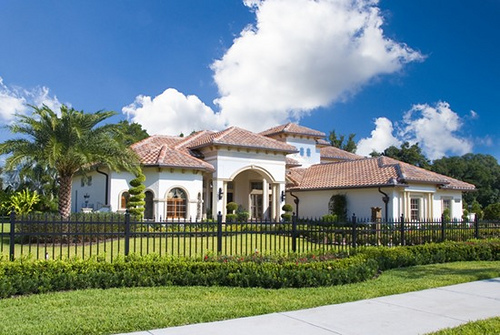
When it comes to real estate, there are always two choices: should you be renting or should you buy? Wherever you are in the world, whether New York City, Panama, or Ecuador: those two options never change. If you’re planning to start a new life overseas, you’re going to have to think carefully about which of them is going to be best suited to your upcoming overseas adventure.
The general wisdom is that buying is a better investment. When you buy a home, the money that goes towards paying the mortgage is money that you’ll be able to recoup if and when you decide to sell. However, if you’re thinking about emigrating or retiring to a tropics location like Panama or Nicaragua, you may find that renting is the best option, at least in the short term.
Why Should You Rent?
The first six months of any overseas move is a very crucial time. This is the time when you will either settle in to your new home and begin to thrive, or when you decide that it’s just not for you. Because of this, many sources recommend that for the first six months of your overseas move you rent. This gives you a bumper zone to decide:
- Whether the life in your new country is for you, and,
- Whether you have picked the right location within that country.
If you rent initially, you have the freedom to decide whether or not you’ve made the right decision with no long-lasting financial implications or responsibilities. If you decide that you want to go back home, or that you want to be in a different type of neighborhood, no problem! You don’t have to worry about selling up, and going through the extra costs of a move: you can just give notice on your lease and make your next move.
In addition to giving you greater flexibility during the first part of your big move, renting can have many other benefits for expats.
- You don’t need to worry about home maintenance. If you own your own home and something goes wrong: you’ll need to start the daunting process of looking for a contractor. If you’re renting, you’ll have a landlord at the end of the phone who will manage everything for you.
- You don’t need to manage the expense of importing furniture or buying new. You can rent a home already furnished, which takes away the trouble and the expense of deciding what to do about furniture.
- You don’t need to consider as many legal aspects. There are far fewer legal considerations to think about when you rent instead of buy. This can be a huge draw if you’re feeling daunted by the amount of paperwork involved in a move overseas.
- You don’t need to find local finance options to get a mortgage. Some of the most popular tropical locations such as Nicaragua, Ecuador, and Uruguay just don’t have local options available for financing. If you don’t have the means to buy a home outright, in some locations renting will be all that’s available.
The Bottom Line
When you’ve owned your own home for most of your life, it can be difficult to come to terms with the idea of renting. But the truth is that it’s often the best option for your move to the tropics: at least at first. Renting a place to live will allow you the flexibility to get used to your new surroundings and decide if the first place you’ve settled is where you want to remain long term.
The reasons to relocate to a haven overseas like Santa Fe, Panama, or Monte Verde, Costa Rica are wide and varied: but most people don’t do it primarily because they want to be a Latin American real estate owner! Remember that starting a new life in the tropics is more about the adventure than the investment opportunity! Why not stop buying, and start living?
If you decide to move forward with the renting process, you won’t need to do it all on your own. Think about using the services of a rental agent who is based in your destination country, and make sure you’ve considered these 14 pointers for renting abroad.

There are nearly 200 Mayan ruins sites you can explore in Mexico. Since the Maya of Mexico were the most advanced civilization of Mesoamerica, it’s worth putting a few of these ruins on your must-see list. Here are the top 5 Maya Ruins you should see when becoming an expat in Mexico.
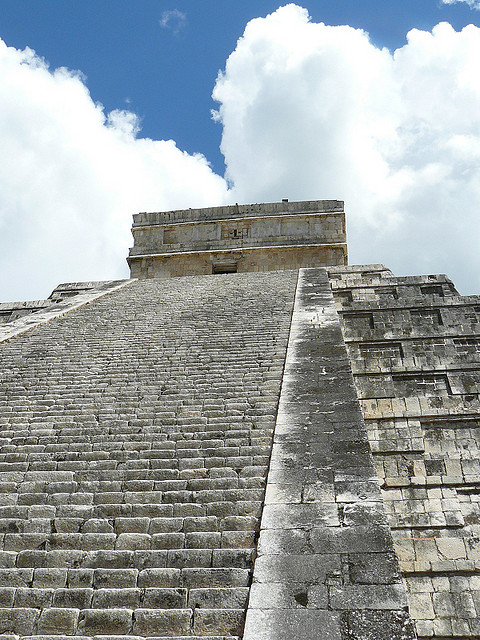
Chichén Itzá is Mexico’s most visited Mayan site.
1. Chichén Itzá – Take a day to tackle Mexico’s most visited Mayan Ruin.
Chichén Itzá is Mexico’s largest and by far the most tourist-filled of Mexico’s Mayan ruins. It features the Kukulkan Pyramid, named one of the new seven wonders of the world in 2007.
What to see: Carefully climb up one of the steep staircases of Kukulkan for a great view of the site.
Uxmal spans over 150 acres, and is home to one of the Maya’s most unique structures.
2. Uxmal – Home to one of the Mayan’s most unusual structures.
Spreading over 150 acres, Uxmal emerges out of harsh jungle land and is home to the massive Magician’s Pyramid. Its height and rounded sides make it one of the Maya’s most unique structures. What to see: Check out the site’s complex system of man-made wells. The structures sit at the entrance to the site, and to this day, mystify scientists.
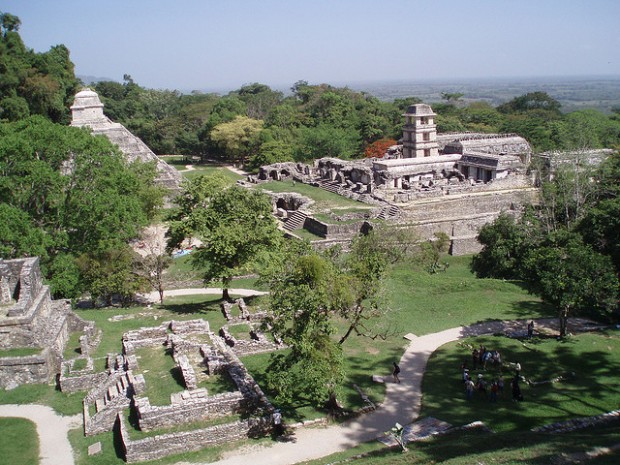
Palanque is known for its dense jungle growth and dramatic mountain setting.
3. Palanque – By far the most impressive of all Mexico’s Mayan ruins.
Palanque, surrounded by dense jungle forest in a dramatic mountain setting, its location in the savannah of Chiapas, is widely regarded as the most atmospheric and impressive of Mexico’s Mayan ruins. It was also named as a UNESCO World Heritage site. What to see: The Temple of the Inscriptions, named for the hieroglyphics found inside. Many of which are now on display at Mexico’s National Museum of Anthropology in Mexico City.

Spectacular Caribbean views await at Tulum.
4. Tulum – Where the Maya and Spanish Conquistadors first met.
Spectacularly located on a cliff overlooking the turquoise waters of the Caribbean Sea, Tulum is a Mayan settlement that flourished from around 1200 AD until the arrival of the Spanish.
What to See: Frescos located in The Temple of the Frescoes, directly in front of the Castillo, and used by the Maya as an observatory of the sun.
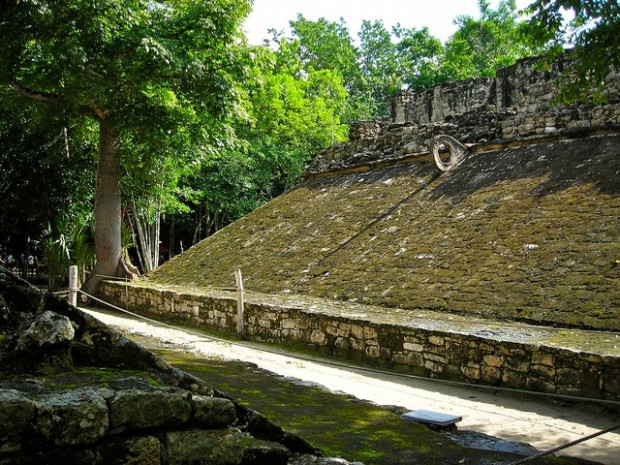
Ball court at Coba.
5. Coba – Home to over 6,500 structures to discover at your pace.
Much of Coba still remains to be excavated, but it is notable for its extensive system of ceremonial roads, remote jungle landscape and multiple pyramids, including the tallest in the Yucatan.
What to See: This vastly unexplored ruin is ripe for discovery through an intricate set of Mayan roads. In Coba, you are your own guide and can hike from mini-ruin to mini-ruin, but be warned, it takes about 3-4 miles of walking to each site and at least that many hours to explore most of Coba.
Want to learn more?
Here is an interview with Christopher Minster, Latin American History expert. He discusses the Maya, an ancient culture that developed reading, writing, and a complex society with Josh on Viva Tropical Radio. They also discuss their favorite ruins to visit.
Listen to the show
You can listen to the show using the player above or grab it and listen on the go via one of the following options:

The Travel 3 Count, where we bring you 3 travel stories that you shouldn’t miss.
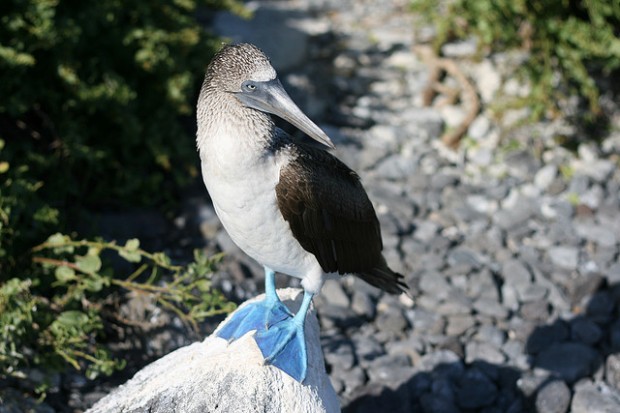
Ecuador’s Galapagos is a must see destination in 2013.
1. Destinations to Watch in 2013
First Up: Conde Nast Traveller’s destinations to watch in 2013 list includes some of Latin America’s gems. Here are the top Latin America destinations to watch in 2013.
- Panama. No longer just a place where ships pass in the night, Panama is the cool Caribbean destination of the moment.
- Mexico’s Mayan Riviera. The Mayan Riviera is set for a bounteous year in 2013.The vibe is deliberately hippy-chic, lo-fi by day and up-tempo at night and is a great place to stay for discerning travelers seeking barefoot luxury.
- Ecuador’s Galápagos Islands Galápagos is one of the most fascinating places on earth, an evolutionary melting pot. It’s already at the top of many wishlists, for the intrepid and for animal-lovers.
2. 21 Cheap Places to Visit… Where Does Latin America Come In?
Up Next. Want to travel, but don’t want to spend lots of money? These 21 cheap travel destinations let you get the most bang for your buck. Want to try it? Tim Leffel’s can help. His mission is to show cheapos how to find travel destinations they can afford.
Where is his favorite cheap spot in Central America’s? Ometepe, Nicaragua.
In Nicaragua, it’s a wide-open blank slate, because there isn’t much tourism outside of Granada and San Juan Del Sur. That means there are but a few nice hotels and restaurants and your main mode of transportation is mostly on chicken buses. But if you want cheap and exciting, Nicaragua is your choice.
3. 6 Must See Latin American Destinations
Finally: With over 7 million square miles to cover and 430 million people to meet between Central and South America, deciding where to start your Latin American adventure can be a little tricky, but with Bootsnall Travel Guide’s six must-see Latin American destinations, the planning just got easier.
- 1. Quito, the Amazon, and Cuenca – Ecuador
- 2. Rio de Janeiro and Iguazu Falls – Brazil
- 3. Lima, Cuzco, Lake Titicaca and Machu Picchu – Peru
- 4. Buenos Aires to Santiago via Bariloche – Argentina & Chile
- 5. La Paz, Sucre and more – Bolivia
- 6. San Jose to Panama City – Costa Rica & Panama
Adventure-lovers rejoice! These top sports are certain to deliver pure beach bliss, idyllic islands, curious creatures, and small towns packed with charm.

Granada, Nicaragua, has a lot to offer visitors. Rich in culture and history, Granada is a much sought-after travel destination. It’s a great jumping off point to tackle other little known, but adventurous day trips. Here are 5 to get you started.
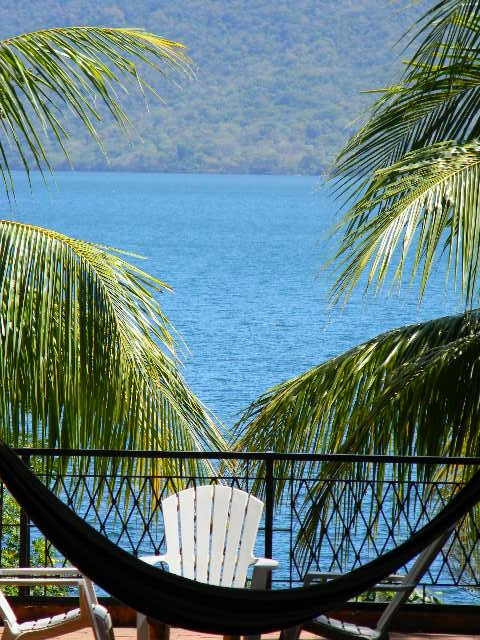
Take a swim in a crater lake, Laguna de Apoyo outside Granada, Nicaragua.
1. Take a Swim in Crater Lake
Granada is HOT. And though it’s on the shores of Lake Nicaragua, it’s nowhere that you want to swim. But head outside of Granada to Laguna de Apoyo, an ancient volcanic crater and rimmed by green hills. Along its edge are many hostels, most of which will allow you to use their beaches. Admission’s cheap, around 6 bucks.
2. Climb a Bell Tower for a $1
For just a buck, you can ascend Iglesia la Merced. Built in 1534, sacked and burned by Henry Morgan in 1670, then rebuilt, the church itself is pretty, but climb to the top for the single most spectacular view in Granada.
3. Hike an Active Volcano
Volcan Mombacho is the 4,400 foot volcano that towers over the city of Granada. It’s beautiful, green, and begs to be climbed. Though it’s active, it hasn’t erupted in over 500 years, so have no fear. There are three different trails to choose from, each varying in difficulty. The guide costs $15 for a group of up to 5 people, or $20 if you want your tour in English.
4. See a Stone Idol Carved in Bedrock
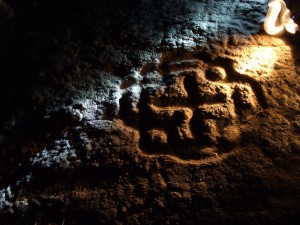 About 15 miles south of Granada sits Zapatera, an extinct volcano surrounded by Isla el Muerto and a dozen or so other islets. These islands were enormously important to the Nahuatl people, who used them primarily as a vast burial ground and sacrifice spot. The sites of La Punta de las Figuras and Zonzapote are particularly rich in artifacts and have a network of caves that have never been researched. Ask around and seek out the petroglyphs carved into the bedrock beaches of Isla el Muerto.
5. Buy a Cheap Souvenir at a Local Market
Not too adventurous, if you speak Spanish, but Masaya Market is where the Nicaraguans shop. So most vendors only speak Spanish. It’s the best place to buy souvenirs in all of Nicaragua. With aisles upon aisles of Nicaraguan delights, and unlike in many souvenir markets, you barely have to bargain. It’s not a touristy spot, so you’re going to get a real feel of a true Nicaraguan market.
Further Reading on Granada
For an in depth look at Granada check out our Granada Starter Kit, a 64 page book packed full of info on Granada.
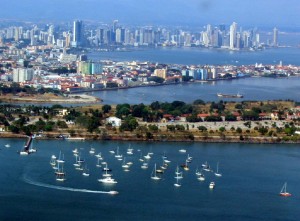
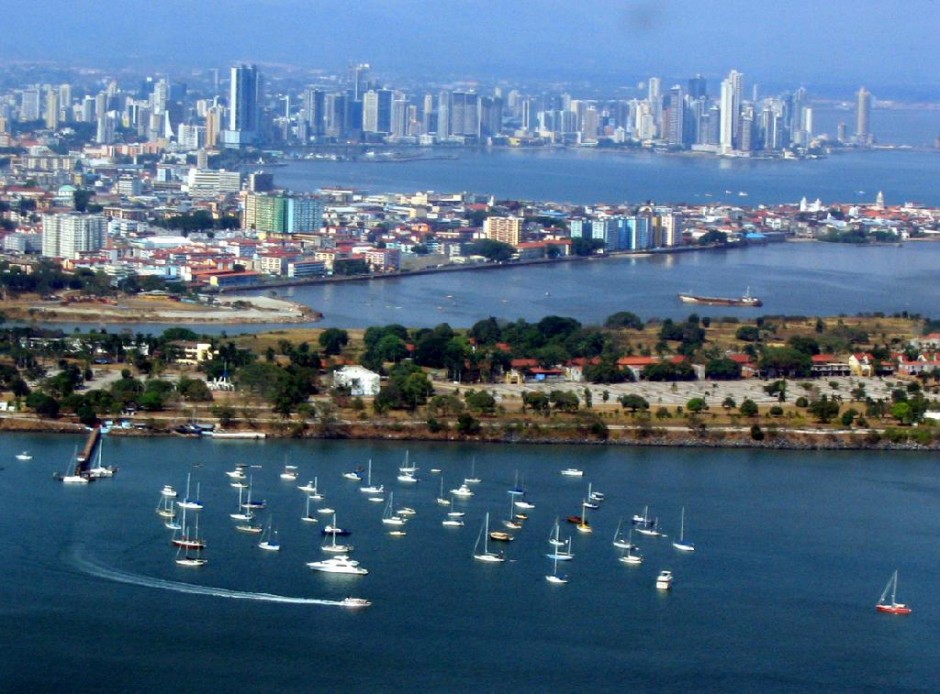
Panama City ranks as the cheapest place to live in Latin America.
A global study of the cost of living published by the EIU ranks the most expensive and cheapest cities in the world. While Tokyo continues to hold the top spot for the priciest places to live in; Panama City, Panama placed 8th among the world’s cheapest places to live.
The Global Survey Cost of Living, published twice a year by the EIU, compares hundreds of prices on 160 common products and services, such as food, drink, rent, utilities, education costs, and household items.
The 10 cheapest cities in the world
1. Karachi, Pakistan 2. Mumbai, India 3. New Delhi, India 4. Kathmandu, Nepal 5. Algiers, Algeria 6. Bucharest, Romania 7. Colombo, Sri Lanka 8. Panama City, Panama 9. Jeddah, Saudi Arabia 10. Tehran, Iran
Top 10 most expensive cities
1. Tokyo, Japan (up one place) 2. Osaka, Japan (up one place) 3. Sydney, Australia (up four places) 4. Oslo, Norway (up one place) 5. Melbourne, Australia (up four places) 6. Singapore (up three places) 7. Zurich, Switzerland (down six places) 8. Paris, France (down two places) 9. Caracas, Venezuela (up 25 places) 10. Geneva, Switzerland (down seven places)
The Economist Intelligence Unit’s Worldwide Cost of Living survey is a full service that enables human resources line managers and expatriate executives to compare the cost of living in 140 cities in 93 countries and calculate fair compensation policies for relocating employees.
Ecuador has quickly earned its well-deserved reputation as one of the world’s top kayaking destinations. Its jungle boasts more rivers per square mile than almost anywhere else in the world. And the whitewater you will find among these runs includes everything from class II, for those just getting their feet wet in the sport, to class V for experts.
Why Kayak Ecuador?
- Great paddling when it’s cold and nasty in North America and the UK
- An amazing choice of rivers
- Warm water
- Sub tropical climate
- Exotic jungle setting
- Cheap accommodation, food, and transportation
- Easy logistics
- Clean, pristine rivers
The main place kayakers hang out is Tena, a pleasant, laid back, friendly town on the edge of the Andean Foothills and the Amazon basin and about 5 hours drive from Quito. There are about 8 different day runs here, all within an hours drive so most paddlers spend most of there time based in Tena.

With the fastest growing economy in the Americas, Panama has often been compared to 1970’s Brazil or present day Singapore. And with ongoing projects such as a $5.3 billion expansion of the Panama Canal and a $13.6 billion government investment in infrastructure, this Central American country is not slowing down. Its sophisticated banks and stable economy attract investors worldwide.
In addition, the Panamanian government has a long history of establishing incentives and atmospheres that make investing in this beautiful landscape even more attractive. The list below highlights some of the more significant benefits:
Panama Incentives for Retirees & Expats
Retiree Tourist Visa
The Turista pensionado affords retirees (who must be a minimum of 18 years of age), who can show proof of income, the following benefits:
- Import of household goods (up to $10,000) free of taxes
- Import of a car for personal use every two years
- Property tax exemption on a home that is your only residence
- Discounts between 15-50 percent on restaurants, hotels, entertainment, and professional services
Panama Real Estate Laws
Law 54 – Foreign Investor Protection
This law grants foreign investors and their businesses the same rights and freedoms as Panama natives. They are also granted the right to dispose of their investment profits and repatriate their interest, dividends, and profits.
Article 44 – Private Property
This section of Panama’s constitution guarantees that the rights of property owners are protected for both Panamanians and foreigners alike.
Law 24 – Reforestation Investment
This law provides benefits, including a 25-year income tax exemption, to those who purchase property for the purpose of reforestation.
Law 2, 2006 – Island Property and Concessions
This law allows foreigners to purchase island property, for the first time ever, provided that it is used for the purpose of tourism and that certain other conditions are met. Concessions, or lease agreements, for government-owned land can also be granted for use in tourism.
Law 9 – Casco Viejo Development
These tax deductions and exemptions were created to encourage the restoration of this section of Panama City. Renovation costs are 100% tax deductible. Income from the sale or rental of the property is exempt for 10 years, and the property itself is exempt for 30.
Panama Investment Incentives & Protections
Banking & Currency
Panama uses the U.S. dollar as its currency and, as a result, has no exchange controls in place to limit the amount of currency that can be traded.
Law 8, 1944 – Tourism Investment
With as little as a $50,000 investment ($300,000 in metropolitan areas), those who wish to start a tourist-related business can enjoy a multitude of tax exemptions. These include import and property taxes, taxes relating to the use of airports or docks, and in some cases even income tax.
Bill 481 – Hotel Investments
This incentive is aimed mainly at hotel investments over $250,000 and include no tax on the import of building materials and tax exemptions on land and improvements for five years.
Law 58 – Outside Developments
This bill incentivizes the building or renovation of lodging facilities that are outside of the country’s Special Tourism Zones. Investment in areas such as the mountain regions or islands can result in tax-free importation of materials, equipment, and vehicles. A 20-year exemption on property taxes also applies.
Law 18 – Colon Free Zone
The Colon Free Zone is located at the Atlantic entrance to the Panama Canal. This free port is home to over 2,500 companies, employs over 28,000 people, and ships more than $16 billion each year. Companies operating within the zone, both foreign and domestic, are mostly free of taxes, provided that they meet a certain set of requirements. These include employing a minimum of 5 local workers, exporting a minimum of 60 percent of their merchandise, and maintaining certain reporting criteria.
Law 41, 2004 – Panama Pacifico
This area, formerly Howard Air Force Base, is another tax free zone established to attract certain categories of business. These include call centers, corporate headquarters, distribution and logistics centers, naval and aircraft goods and services, technology manufacturing, and the film industry. The site is also equipped with a One-Stop Shop that houses 12 governmental agencies under one roof for ease of conducting business, obtaining permits, etc.
Law 32, 1927 – Comprehensives and Simplified Regime of Free Zones
Passed in 2011, this act allows for the establishment of tax free zones anywhere in the country, provided that they do not interfere with the local ecosystem. To date, there are 14 free zones registered, nine of which are already operating.
Law 3 – Manufacturing Companies
Under this law, companies involved in the manufacturing and processing industry that export all of their products are exempt from direct taxes including import taxes on machinery and equipment.
Taxes
Panama is famous for its low taxes across the board. Income tax is only 7 percent after the first $9,000 and maxes out at only 27 percent. However, taxes only even apply to income from Panamanian sources. New home purchases are tax exempt for the first 20 years. Capital gains taxes are a low 10% and no inheritance tax exists.
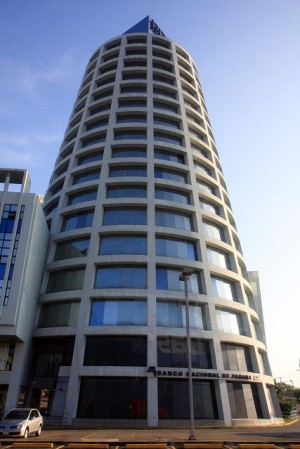
If you don’t spend your nights jaunting around casinos, ordering martinis shaken, not stirred, and casually assassinating a whale or two on the way out then you’re probably not James Bond.
So if you’re not James Bond, and if you’re not a crook (we’re just going to cross our fingers and hope you aren’t…but if you are, thanks for reading!) then why would you need an offshore account? And what are the chances of you getting one without spending all the money that you want to put in it?
We’ve done some research for you and figured out the how’s, the where’s, the why’s and the who’s, because we’re here to help you out!
Why Bank Offshore?
Everyone has their own reasons: some do it because they are always travelling (and it just makes sense to put their money where they get the best benefits), some do it to avoid tax, some do it because they don’t trust their country’s economy (look at Zimbabwe, for instance) and some do it because what they’re doing is illegal.
Whatever the reason (let’s hope the latter isn’t it!), you’ve been thinking about putting some money overseas, and now you want to know the logistics.
How to open an offshore account?
Firstly, you have to realize that this is going to cost. So make sure you aren’t putting aside that $10 that your five year old son has been saving for the last two years. As to how much, that varies from country to country.
If you’re a U.S. citizen here’s a quick heads up: it is legal for you to invest your money overseas, but if it’s over $10,000 then you’ll have to declare it. Also, U.S. citizens are required to do a lot of paperwork or you could get into deep water. Be safe, and get someone who knows what they’re doing to help you out with dotting your i’s and crossing your t’s.
Logistically, you can do it all from your office desk. You don’t need to go to the country to open an offshore account. Through email and telephone you can complete the whole process these days. This, however is not ultimate. Rather make the trip, and build a rapport. And remember, if you haven’t been to the place, you should be thinking about the ‘who’.
Who to open an offshore account with?
Who are you investing your money with? In terms of a country as a whole, double check on their stability: a coup, an accounting scandal, or even something as innocent as a natural disaster could wipe out your entire investment. At least if you visit the place before you invest you’ll have a look at the functioning of that country: and if you get off the plane and into a civil war…well then maybe plan B wasn’t such a bad plan after all!
The country might be fine, but do remember this is a shady area of law. With shady areas come shady characters. It’s very important not to get mixed up in here too…how embarrassing to lose your investment because you deposited your money into the account of an arms dealer? Protect your reputation, and use a company that has a good one too.
Another nifty review of good legitimate banks is through Fitch Ratings. This website allows you to make a free profile with which you can check the ratings of banks from all over.
Where?
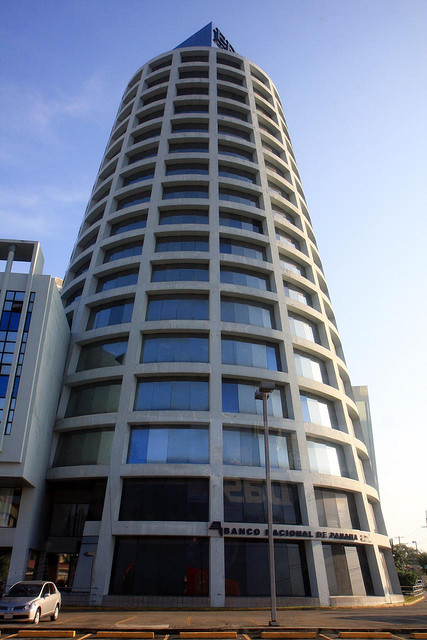
Photo by Steve Velo
It depends. I know you didn’t want me to say that, and that you wanted a ‘winner-takes-all’ answer, but here’s where you need to decide what you want.
You need to decide how secretive you want to be and how easy it is to track your account to you personally (by registering as a business entity, for instance) or whether you want an account that rather protects the account’s details itself.
If you choose a country which won’t disclose your information to the IRS, for instance, then the responsibility lies with you to declare it, or not. The Matador Network has made a list of the 10 Best Countries in which to open an offshore account, naming Panama as their number one.
If you follow this list, at least you know your money’s going to a beautiful place. And also, if you’ve been storing it for illegal reasons, you might end up here too! (I take that back. There’s no place for crooks in Panama, rather go invest in Cayman Islands. Or anywhere else. We only have good solid investment banks for good solid people folks.)
Most of all, be smart.
Good luck!

Just off the beaten track, yet possessing all of the natural beauty of the Central Pacific, Matapalo, Costa Rica is a welcomed escape from many of Costa Rica’s typical tourist destinations.
Be warned; Matapalo is extremely remote, so your choices for restaurants, bars, shops, and and hotels is limited. But there is plenty to do; especially popular local activities which include surfing, hiking, kayaking, jungle hikes, fishing, and more.
There is no doubt, Matapalo combines dense jungles, breathtaking beaches, and world class surfing in a peaceful, remote setting. Just what you would expect of one of Costa Rica’s most ecologically diverse areas.
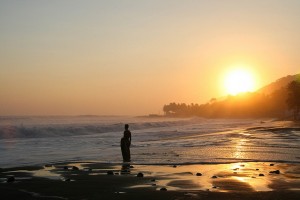
The El Salvador 3 Count, where we bring you 3 El Salvador stories that you shouldn’t miss.

Photo Credit: Soulsurfer 3
1. El Salvador on the Cheap..Here’s How to Do It in 5 Days
First Up: Most tourist dollars going to Central America end up in Costa Rica and Panama, but many of its neighbors offer some of the same experiences – on the Cheap! Lilit Marcus takes five days to explore El Salvador and discovers this seldom-visited country offers up many of the same excitement as its neighbors, but at a fraction of the cost.
2. Costa Rica vs. El Salvador: Which Is the Better Choice to Visit?
Up Next: El Salvador has an ambitious plan to make its presence known in the global tourism market and seeks to take over its Central American neighbors, especially Costa Rica, as the next top travel destination.
With an abundance of nature, with some of the world’s most famous volcanoes, untouched beaches and top-notch surfing championships, magnificent colonial cities, and a rich archaeological past that dates back to ancient civilizations, El Salvador is capable of pulling it off.
3. 5 Cheap Things to Do in El Salvador
Finally: El Salvador might not top your list of cheap, budget-friendly travel destinations, but it is worth checking out; here are 5 things you can do on a budget in El Salvador.
- Surf and Party in El Tunco
- Climb Boqueron Volcano
- Check out the street art in downtown San Salvador
- Take a Night Tour of San Salvador by bicycle
- Hang out with the locals

 It wasn’t easy moving to Central America. It’s not easy to uproot your family just like that. You keep wondering – is this really worth it? Will it work out?
Not so long ago I went back to the U.S. to visit everyone and it was through this visit that I saw just how much it has worked out.
Being back in the U.S. I immediately got sucked back into the fast-paced lifestyle
I mean, routine-wise, we did the same things as I do in Central America, but the ways in which I approach these things has entirely changed.
And so I came up with the ratio of effective living: to see the amount of time spent doing that which you love, versus all the other admin-stuff.
My pattern wherever I’ve lived is similar to most people’s: I get up. Eat. Drop kids at school. Work. Pick up kids. Cart to after school activities. Do some chores. Buy admin-stuff, like food. Cook that food. Clean up. Sleep. Repeat five times a week, forever.
In the U.S. it involved at least two hours a day in the car, just going to-and-fro, as well as shopping a heap of different places for different niche things. It involved different schools for different children, with their different schedules and different needs all over town.
It was time-consuming to put it lightly.
In Central America, however, life’s different
Choices are limited. When I go into the supermarket (where I do the weekly shop) I am limited with choice: instead of fifty different types of cheese there’ll be three. This limitation saves me time – it means I nab the cheddar and off I go, not worrying about the fact that it comes from the local dairy and not from France. Instead of being too exhausted after running around town for cheese all day I can actually use it for supper and sit down to eat the mac-and-cheese I just made for my family.
Having supper and breakfast is something I do with my family nearly every day. Things like these, things that are important to me, I can make time for. Why? Because I’m not sitting in traffic; because soccer practice and music lessons? They’re both offered at the same place: at school; because I actually have time.
Moving to Central America has improved my effective living ratio. Living here has shown me how to spend my time. It’s shown me how much of it that I have, and how I should use it. With the beach being five minutes away, it helps me focus on doing a quick shop and getting out there for a surf; time for a run. Time to myself.
It’s changed my approach to life. It means that I have time to do the things that I love.

I whipped out my calculator to put a value on my time. Say I am awake 16 hours a day. In the U.S., chores (fetching-and-carrying kids, shopping, traffic, those sort of mundane things) would take me around 3-4 hours a day.
So what, if it’s four hours that’s 75% of my day doing that which I want.
In Cental America, I’m living 95% effectively.
Not bad.
But wait…that’s 120 hours in a month wasted on the mundane.
And that’s only if you don’t count your job as mundane…otherwise add another 8 hours a day.
In Panama I spend 15 hours of a day doing the things that I want to: I use my time. I use it to surf, to spend time with my family, my friends. I spend time living. And effectively at that (93.7%).
It wasn’t an easy decision to move to Central America, to leave the comfort of the U.S. But the comfort living here has brought us all is worth it.
I’m living effectively. And I love it.
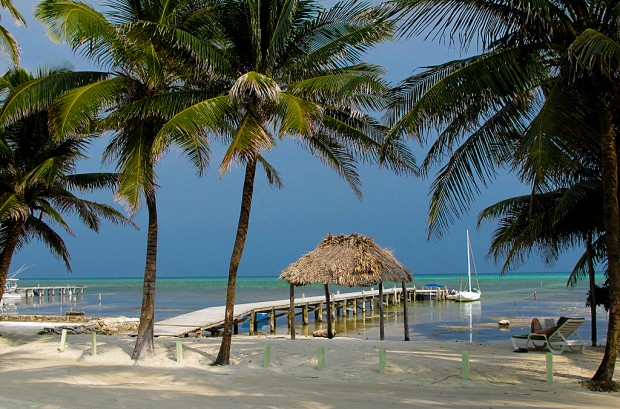
Expats are falling in love with Belize. Here is a 10 picture discovery of the most interesting, if not the most popular spots in this tiny, Central American nation.
1. Barrier Reef
Belize is home to the second longest continuous barrier reef in the world. Here you will find some of the best snorkeling and scuba-diving sites in the world. It is lined with hundreds and hundreds of small islands, or cayes. Many are uninhabited, but others are home to developed vacation destinations such as the islands of Caye Caulker and Ambergris Caye.
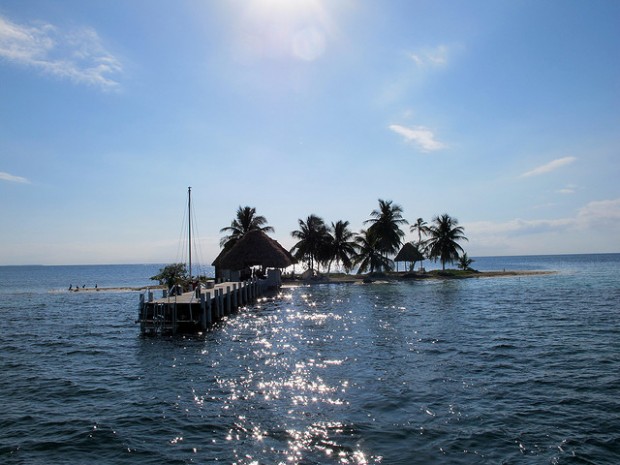
Belize’s Barrier Reef is lined with hundreds and hundreds of small islands, or cayes.
2. The Atolls
Belize’s three mid-ocean atolls are arguably more spectacular than the barrier reef and its many cayes. Unique formations of small islands and reef surrounding a mid-ocean saltwater lagoon, atolls are an isolated and stunning phenomena. Belize has three of them: Turneffe Island, Lighthouse Reef, and Glover’s Reef. These atolls are very sparsely developed, and any visit here will be imbued with a sense of adventure, isolation, and romance.

Turneffe Island, Belize, one of three spectacular mid-ocean atolls.
3. Crooked Tree Wildlife Sanctuary
Located in northern Belize, this preserve is a swampy lowland home to over 250 resident species of birds and serves as a resting spot for scores of migratory species, and the principal nesting site of the endangered jabiru stork, the largest bird in the Americas. The best way to explore Crooked Tree is by paddling around the network of lagoons in a dugout canoe.

Crooked Tree Wildlife Sanctuary is home to the endangered jabiru stork.
4. Actun Tunichil Muknal
Actun Tunichil Muknal is a cave in the Tapir Mountain Nature Reserve near San Ignacio. A sacred site for the Mayans, the cave contains many examples of pottery, ceramics, and stoneware, as well as several sets of human sacrificial remains, one of which (known as the “Crystal Maiden”) has been almost entirely covered in limestone crystals by the natural processes of the cave.
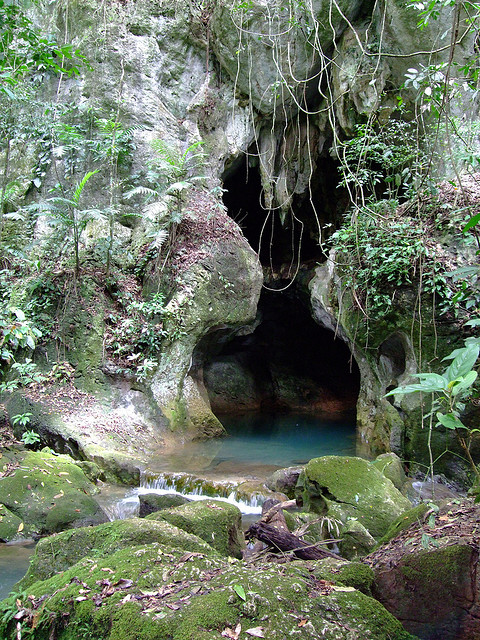
Inside this cave lies the remains of Mayan human sacrifices.
5. Ambergris Caye
The island is the top tourist destination in Belize, and is the largest of several hundred islands in the northernmost waters of Belize. Most people get around Ambergris Caye by simply walking. There are many quality hotels in town, and many resorts on the island are less than a mile from the town of San Pedro, the only urbanized area on the island.
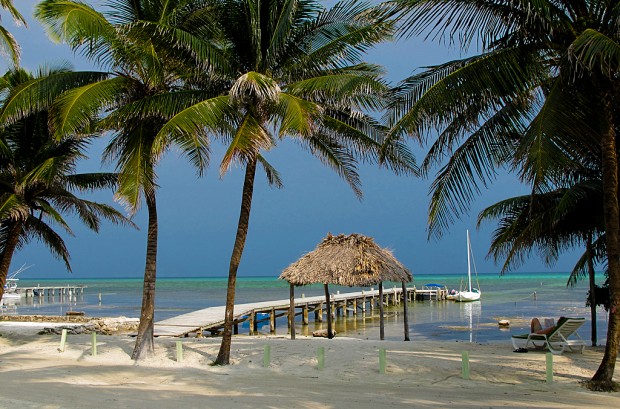
Ambergris Caye is the top tourist destination in Belize.
6. Caracol
Sitting high on the Vaca Plateau, 1650 ft. above sea level, Caracol is the largest Maya site in Belize. It was once one of the largest ancient Maya cities and at its peak around 650 AD it had an estimated population of about 150,000, more than twice as many people as Belize City has today. The largest pyramid in Caracol is Canaa or Sky Place, still the tallest man-made structure in all of Belize at 143 ft.

View from atop Vaca Plateau, Caracol, the largest Maya site in Belize.
7. Blue Hole
The Great Blue Hole is the most popular diving spot in Belize. This massive sinkhole under the water is near the Lighthouse Reef and creates a perfect circle of deep blue water. The deeper one dives into the Great Blue Hole, the clearer the water and the more breathtaking the scenery, as the array of bizarre stalactites and limestone formations become more complex and intense.
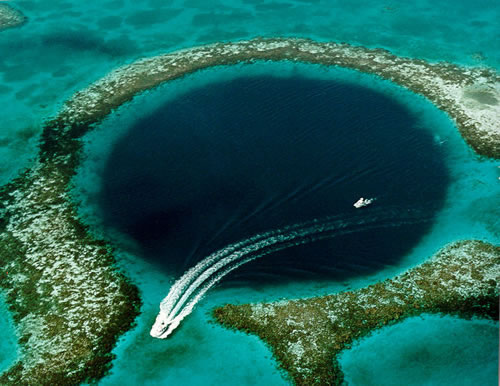
Blue Hole, Belize’s most popular diving spot.
8. Caves Branch River Tubing
Geologists recently discovered a vast subterranean network of Maya ceremonial caves. At the Nohoch Che’en Caves Branch Archaeological Reserve, guides will lead you across jungle pools to the caverns filled with artifacts like sacrificial skeletons. The spiritual underwater history lesson is a must-do.
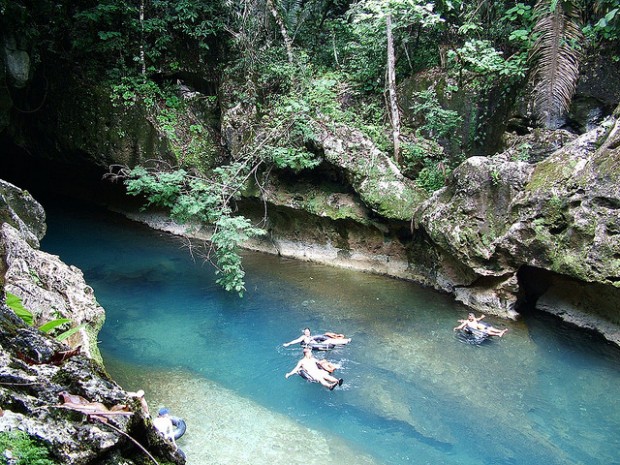
Belize caves plus tubing, equals a must-do.
9. Mennonites
In the 1950s some 3,000 Mennonites emigrated to Belize, where they established communities in the Orange Walk and Cayo districts. Today, there are an estimated 8,000 Mennonites in Belize. They are primarily located in farming areas and have no hotels or tourist facilities, but the unexpected sight, on dusty rural roads, of pale-skin folks in old-fashion dress—the women in long plaid dresses and the men with suspenders and straw hats—in horse-pulled buggies will remind you of how diverse Belizean culture really is.
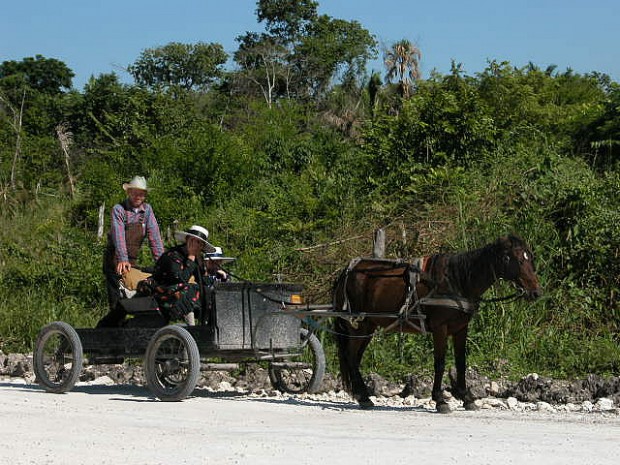
Belizean Mennonites embrace a simpler lifestyle.
10. Fly Fishing for Tarpon
The waters surrounding Ambergris Caye, Belize abound with fish and the island boasts some of the best fishing guides in the country. Tarpon are the largest, strongest, and most acrobatic of the Belize species. Even juvenile fish will put your angling skills to the test and strain your tackle beyond belief.
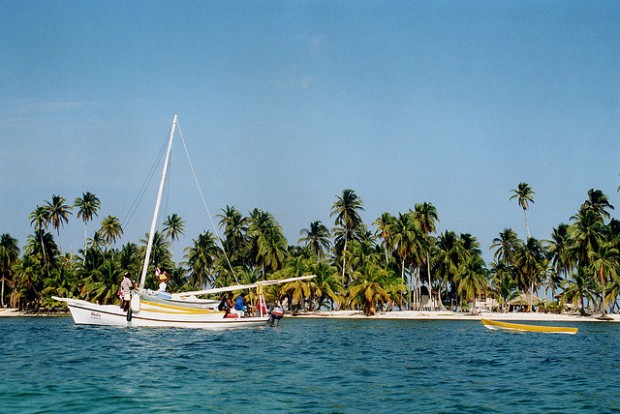
Belize offers up some of the best fishing spots in the Caribbean.