


There is plenty of sun and sand on the coasts of Ecuador, where some of the region’s most pristine and undeveloped beaches can be found. We’ve rounded out the top five Ecuador beaches to get you started.

Photo: Andrew Hall
1. Atacames, Province of Esmeraldas
If you want to escape the typical foreign tourist locations, Atacames offers a long strip of wide, sandy beach and a lively party atmosphere. Be warned; it is very popular with the locals who flock there on holidays and weekends. Probably one of the Ecuador beaches to avoid if you’re looking for more off the beat and path.

Photo: Jose Gildela
2. Muisne, Province of Esmeraldas
If you want a quieter, more relaxing experience, Muisne is an ideal location. The beach is a long, quiet strip of sand on an island just off the coast and requires a short boat ride.

Photo: Matt Woottan
3. Montanita, Province of Guayas
Montanita is where the surfers go, with large waves, best attempted by intermediate to expert surfers. The easiest way to get to Montanita is by bus from Guayaquil.

Photo: Johnny Chunga
4. Salinas, Province of Guayas
If you are looking for a developed beach town with a great deal of activities, then choose Salinas. Two hours from the busy port city of Guayaquil, Salinas is one of the most upscale beaches in the country, with many high-end resorts and five-star hotels towering along the shore.

Photo: Athena Lao
5. Canoa, Province of Manabí
This picturesque, sleepy fishing town is ideal for a relaxing getaway. Although popular with foreigners, it is not as crowded as some of the more well-known beaches in Ecuador. The beach is long and wide, and often empty, stretching on for miles. Canoa Ecuador is one of our pics up and coming spots.
Which Ecuador beaches are your favorites?

If you thought Captain Morgan was just the name for a bottle of popular rum, you were wrong. Morgan was not a legend, but a Welsh admiral named Sir Henry Morgan. What was believed to be his ship was recently found off the coast of Panama.
From 1663-1671 Captain Henry Morgan pillaged the sea ports of Latin America and sacked Panama City, one of the wealthiest in the area. He lost many vessels during his years as a privateer, one of which was his flagship ‘Satisfaction’ during the raid on Panama City.
340 years later, archaeologists from Texas State University have discovered a large section of the hull from what they believe is Morgan’s flagship, The Satisfaction and are beginning to retrieve artifacts from the vessel and surrounding sea floor.
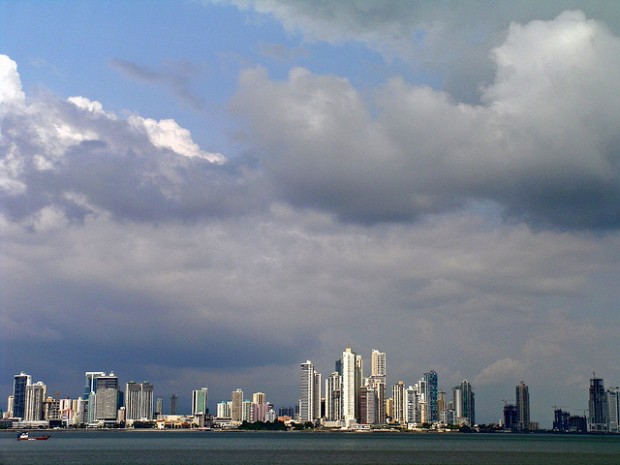
Panama City, Panama
At the heart of Central America, which ties together North and South America and the Pacific and Atlantic Oceans is a small, quirky country being hailed as the next “Singapore of Central America” – Panama.
Panama is the fastest growing economy in 2013 for Latin America
This that has many experts comparing it to Singapore, another rag-to-riches success story.
But Panama isn’t booming just because of lucky geography, it’s booming because of smart free-market, investment-friendly policies which have sharpened its advantages:
- Panama’s currency is the U.S. dollar. This makes investing in the country easy.
- Banking and communication services are world class.
- Panama launched a five-year, $13.6 billion investment plan, focusing on schools, hospitals, sewerage, roads, and metro transit system.
- Panama’s import tariffs are among the lowest in Latin America. Also, the country has received foreign direct investment worth nearly 9% of GDP.
- Panama is a well-regarded tax haven and its banks offer a high degree of privacy.
- There is no tax on interest earned from bank accounts for locals or foreigners. There are no corporate or personal taxes on offshore activity. Residents pay no local taxes on their foreign-earned income.
- The result: an economy that’s grown at an 8% or more clip over the past five years.
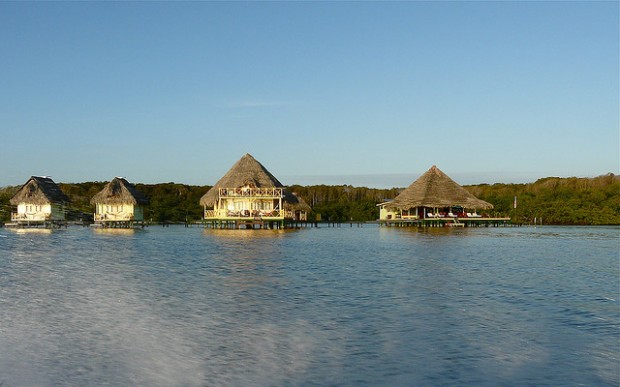
Bocas del Toro, Panama
Booming Expat Paradise
Panama earned the number 2 spot on Forbes’ The 10 Best Countries to Retire to in 2013 who say:
“Panama is just plain easy, Panama City is a vibrant, cosmopolitan city with great restaurants, and excellent hospitals. It’s a banking and commercial hub so you find a real international community there. Panama is committed to attracting foreign retirees and offers the world’s best incentive program to do so, making it convenient and easy to get residence there.”
Things will cost you significantly less in Panama than what you’d expect back home. “A budget of $1,700 to $2,500 a month, housing included, would see you eating out, perhaps with a housekeeper a couple days a week, movies a few times a month, and so on.”
Panama Canal and Ports
A construction boom is also changing the landscape of Panama City. Office towers go up as fast as men can build them, including the Trump Ocean Club and Latin America’s first Waldorf Astoria hotel. But let’s not forget the work being done to double the capacity of the Panama Canal.
The Canal’s annual revenues have grown to over $2 billion (7.5% of GDP). Traffic and revenue were up about 25% in 2011. This produced a ripple of growth in many related businesses, such as insurance, ship maintenance and repair, trade finance, and banking. The canal and Panama’s business-friendly regulations have expanded big insurance, finance, and legal offshore industries.
Last year, the free-trade zone in Colón – on the Atlantic end of the canal – and Balboa, Panama’s Pacific-side trade gateway, became Latin America’s two busiest ports. These two ports are set to explode soon after the canal’s $5.25 billion expansion project is completed in 2014. This is one reason Colón’s become the regional base of firms like Procter & Gamble (NYSE: PG)… Two-thirds of the traffic through the canal is coming from or going to America.
Get ready for more growth. Panama is booming.

Want to swing through the jungle like Tarzan? Then take up canyoning and Costa Rica is the perfect place to give it a try.
This emerging eco-sport is a combination of waterfall rappelling, down climbing, river tracing, and hiking. Check out our picks for the most incredible, if not a bit off the beaten-path, places to go canyoning.
1. Hang by a rope in Jaco.
Jaco might be home to the most rappel lines in all of Costa Rica. It is also where you will navigate down a 300 foot waterfall through a series of smaller falls and finally end up dipping into calm pools, the perfect spot for a bit of bird watching.

Photo Credit: Gina Grove
2. Uvita, is for beginners.
This is where Mother Nature built her own waterfall theme park. It’s a great place to begin canyoning. Most treks involve rappelling through several waterfalls of varying heights from smallest to biggest, making it a great stepping stone into the sport.

Photo Credit: Eevryday Family Blog
3. Turrialba meshes zip lines and waterfalls, high up in a cloud forest.
Turrialba is home to the Pacuare river and the Puente Vigas Canyon and sits just a two hour drive below San Jose, the nation’s capital. Canyoning at Turrialba is just a bit more difficult than at Uvita, with waterfall rappelling, vertical climb downs, and zip lines through a rustic cloud forest.

Photo Credit: Saku Yanini
4. Waterfalls are Monteverde.
Prepare to get wet, Monteverde is known for its waterfalls. Getting to these isolated waterfalls will have you hiking through a cloud forest into a remote canyon surrounded by primary rainforest. Definitely a true canyoning experience.

Photo Credit: Graeme Churchard
5. Go big, go large at The Lost Canyon.
The Lost Canyon is hands-down said to be the best spot for canyoning in all of Costa Rica. Near the Arenal Volcano, it is rugged, mountainous terrain making for an memorable canyoneering experience.

Photo Credit: Lars Olsson
Have an incredible canyoning experience you would like to share or just know of a great spot we missed? Leave us a comment below!
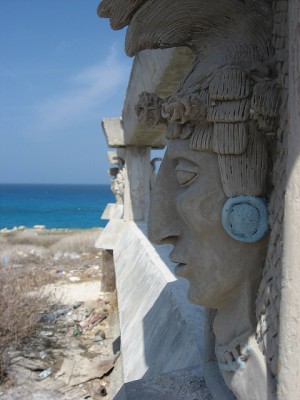
The stunning beaches of Cancun, Playa del Carmen, and Tulum have brought tourists to the Yucatan for years. Unfortunately the popularity of these white sand and clear ocean beaches have brought development which has all but spoiled some areas. It’s easy to associate Cancun with drunk college kids and high rise hotels.
Despite this reputation the Yucatan in Mexico is an incredible destination for beach lovers, outdoor adventurers, foodies, and culture seekers.
Here is why.

The Natural Wonders That Are the Cenotes
Few places in the world contain the incredible natural phenomenon that is a cenote, and the Yucatan is home to over 6,000. A cenote is a natural pool created below the Earth’s surface from the collapse of limestone. The water is crystal clear and glows blue or green. It is an incredible site that simply cannot be put into words.
Dos Ojos cenote is one of the most famous and is a short drive from Tulum. Tours are possible as well as self guided snorkeling and cave diving. Imagine swimming through water as clear as Aquafina among limestone stalactites.

The Beautiful, Undeveloped Islands
With crystal clear turquoise water for miles, perfectly combed white sand beaches, and incredible marine life, Holbox, Isla Mujeres, and Cozumel have all the allure of popular Caribbean islands but with Mexican culture and Latin American prices. Swim with whale sharks on Isla Holbox which has no cars, walk down the endless pristine beach on Isla Mujeres, and dive or snorkel at the second largest barrier reef in the world at Cozumel.

The Food
The food here is incredible. This is Mexico after all. If you stay outside of the all inclusive hotel zone in Cancun you will find amazing chile rellenos, sopas, and tacos for less than a dollar. In Tulum chicken stewed in mole or chile verde is served with steamed rice and freshly made tortillas. Walk along the winding colorful streets in Isla Mujeres to find whole roasted spiced chickens and perfectly charred corn. Cinnamon dusted churros, perfect tacos al pastor, and crispy crepes slathered in nutella are cheap and everywhere.

The Ruins
The Mayan ruins in Tulum are on a cliff overlooking a stunning backdrop of the Caribbean sea. Where else can you sip a Margarita on the beach then walk through the ruins of an ancient city?
Chichen Itza, located a few hours from Tulum, was named one of the new wonders of the world and with good reason. It was one of the largest Mayan cities, with an extremely diverse population, and remains relatively well preserved.
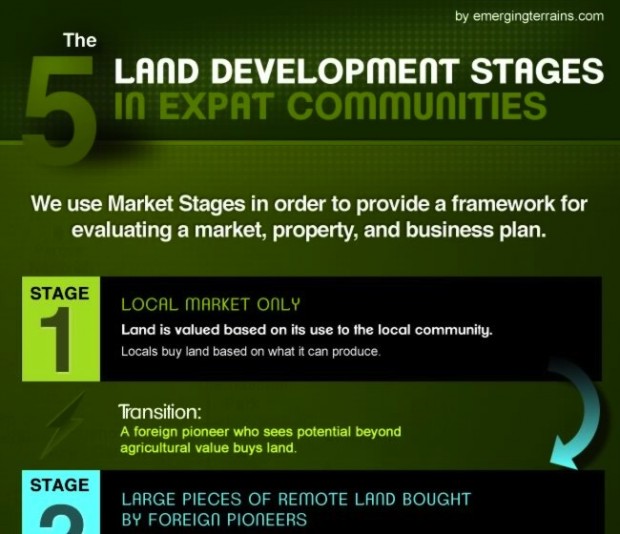
Market Stages are crucial for real estate investors to make sense of property prices in Central America.
Especially when those prices seem so irrational.
It took me a long time to wrap my left-brained, over analytical, where-are-the-market comps? mind to wrap itself around property values and markets in Central America.
How did I finally get a grip on the apparent chaos?
Market Stages – The Missing Link
We wrote in a more boring and detailed way about market stages over on our investor blog. Then we decided to make an infographic to help you first understand the stages.
Once you understand what the stages are, there are all sorts of ways they can help you and we’re going to write about those.
Things like:
- Pricing: How to value properties in Central America
- Business Plans: What should I build?
- Customers: Who is going to buy my real estate?
- Timing: What in the world drives the timing of real estate markets in Central America?
We’ll get to that. But first, use this infographic to learn the stages.

Nicaragua 3 Count, where we bring you 3 Nicaragua stories that you shouldn’t miss.

Photo Credit: Mareana
1. Pressed for Time? 6 Quick Ways to Enjoy Nicaragua
Nicaragua is fast becoming one of the “go-to” destinations for eco-tourism today. And one visit reveals a multitude of surprises for new-to-the-country visitors. But if you don’t have a lot of time to travel, here are six, quick ways to enjoy Nicaragua:
- Tackle two kinds of surfing.
- Hug a Güegüense statue.
- Get lost in a low-stress local market and come away with a keepsake.
- Throw a pot during an escorted Morgan’s Rock excursion.
- Walk on the wild side – visit a national park.
- Chow down on fresh, local food at bargain prices.
2. New Study Reveals Nicaragua Is a Great Place to Invest
A report from Financial Times shows Managua, Nicaragua is leading the way in Latin America with one of the best laid out strategies for foreign direct investment. Financial Times FDI Intelligence division ranks Managua third in the hemisphere behind Montreal and Toronto in the category of strategy for attracting Foreign Direct Investment. Managua was the only city in Central America to rank in the top ten in the investment strategy category, according to the American Cities of the Future 2013/14 report.
3. The One Thing Nicaragua Did Right for Tourism
Nicaragua has reduced its minimum amount of investment required to receive tax exemptions to $25,000 as a means to opens up big opportunities for those interested in investing in the nation’s ever-expanding tourism sector. The new tourism investment minimums to enjoy tax incentives are raising a cloud of excitement among small tourism entrepreneurs who hope to collect the medium and long term benefits of this new condition, with improvements mainly in the infrastructure business.

It is impossible to miss the hill known as El Panecillo Mirador, in Quito, which is topped by its statue of the Virgen de Quito who watches over and protects the city. Although not high in comparison with the volcanoes among which the city nestles, it dominates the skyline when you look south down any of Quito’s colonial streets.
There are two reasons to come here – the statue, and the view. Start with the statue. At 41 meters tall and made of seven thousand pieces of aluminium, it’s pretty awesome in its own right.
Yes, the views – spectacular, on a clear morning you can see Quito spread out beneath you and beyond the city to the surrounding volcanoes.
Don’t forget to look down; just below the feet of the Virgin is another sight, the so-called Olla del Panecillo. This large cistern is traditionally said to be of Inca origin, but recent tests have dated it to after the Spanish conquest.
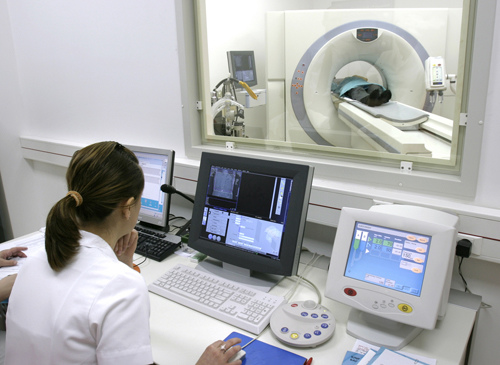
Healthcare is just one of the many aspects that a would-be expat might, and should, take into account when researching the retirement destinations they’re considering. Those hoping to relocate to Panama can go ahead and breathe a cautious sigh of relief.
While the country’s healthcare system is certainly not without its flaws, many expats have actually cited it as one of the best things about living in Panama. However, like almost anything else in Central America, it can vary greatly depending on where you go.
As a general rule, the best facilities and physicians are located in Panama City. However, some other areas are starting to catch up. For instance, Hospital Chiriqui, which treats many expats from the mountain haven of Boquete, provides an even better level of service than many in the city.
It is a smaller facility and may not be equipped to treat certain specialized cases, but is quite capable for most procedures.
Private Hospitals’ Healthcare
Panama boasts several state-of-the art private hospitals, many of which are associated with renowned facilities in the U.S. Punta Pacifica, located in Panama City, is considered the most technologically-advanced hospital in Latin America and is affiliated with the Johns Hopkins Hospital in Baltimore, Maryland.
The hospital is equipped with features such as videoconferencing capabilities to allow for information sharing and education.

Punta Pacifica Panama – photo by Maleg
Panama City is home to three other major hospitals, and there are two modern facilities in David as well. Still others are scattered throughout the country. Because the nation is small, it’s difficult to find yourself more than one to two hours from a modern hospital. The more heavily populated areas are also home to other health care providers such as dentists and eye doctors.
Public Hospitals’ Healthcare
Panama also has a number of public hospitals, which are funded by the Ministry of Health and the Social Security System. (Read: They’re nearly free.) However, those who can afford private health care often choose to go that route for various reasons.
The reason many expats do not opt to obtain services from public hospitals is because they can be a bit of a toss up. At best you may have to wait a few extra weeks for an appointment and may not get the same specialized attention you receive at a private facility. At worst you may wait hours to be admitted to an ER, only to deal with staff members who are tired, overworked, or rude.
But don’t let the few negatives turn you away from this viable option. For every understaffed facility with outdated equipment, there is another public hospital with modern technology and physicians who will take as much time with you as you need. Our recommendation is that, if you plan to take advantage of Panama’s public hospitals, check them out in advance. Make sure you understand what you’re getting into before you find yourself in a situation where you need urgent care.
Medical Professionals
One of the highlights of the Panamanian healthcare system is the quality of its medical professionals. The doctors are well trained, often in the U.S., and most are bilingual. The quality of medical care you’ll receive rivals that of many hospitals in the U.S., Canada, and Europe. This isn’t due to any regulatory standards being imposed by the government. But it doesn’t seem to matter.
While nurses do not receive the same level of training as those in the U.S., expats describe both them and the physicians as having an attitude of compassion that is not often seen in their first-world counterparts. In fact, the personal attention they receive from their doctors often comes as a shock to those unaccustomed to such dedicated care.
As opposed to U.S. physician visits where you’re usually worked over by a nurse and then visited briefly by a doctor who whisks in for two minutes before rushing off to see another patient, it’s not uncommon for a Panamanian doctor to spend 30 minutes to an hour with you in his office.
In addition to this one-on-one attention, you may be given your doctor’s home or even cellular phone number, as well as his or her home email address. While this easy access shouldn’t be abused, it’s not at all uncommon for a physician to allow patients to contact him or her after hours for pressing issues.

photo by Panama Health
Availability of Treatment
Something that’s important for expats to understand about Panama’s healthcare system is the disparity between the well-trained, well-meaning physicians and their ability to meet wide-ranging needs with the limited resources available to them.
Collectively, Panama’s hospitals have all the know-how and equipment they need. Individually, they may be unable to treat some of the more unique situations that might arise.
So the good news is that, whatever your condition, there’s probably a hospital that specializes in it. The bad news is that you will need to be more proactive in choosing your physician than you may be used to.
Inconsistencies in Care
Another common frustration among expats is the inconsistency among Panama’s healthcare providers. We’ve mentioned the differences between public and private health care, but even among privately-owned facilities the care can often vary greatly.
A good recommendation is to consider this fact when planning your move to Panama. If you need a good pediatrician, make sure you like the ones located near the area where you plan to relocate. If you have a heart condition, you may want to consider meeting with the nearest cardiologist before you sign on the dotted line of a bill of sale on a remote property.
A good idea is to ask around for recommendations on physicians. Again, because Panamanian doctors aren’t subject to a lot of the same scrutiny as those in the U.S., it can’t hurt to do your research. Don’t take for granted that they can be trusted simply because they’re physicians.
In addition, while many physicians may spend the better part of an hour with you alone in their office discussing your health concerns, there are also a few (especially those in public hospitals) that seem to hardly slow down to give you the time of day. If you’re concerned with being left in the dark regarding your health conditions, it’s best to consider your options ahead of time.
The language barrier is often another area of concern for many expats. While many doctors speak English, not all do. A visit to the hospital administrator’s office can quickly answer the question of whether the hospital offers a translator and whether those services are included in the hospital fees.
Health Insurance
Although many would-be expats are probably beyond tired of hearing health insurance debated in their home country, it’s nevertheless something they’ll need to consider when shopping for their Central American retirement home.
The good news is that there are many affordable options available. Even some U.S. health insurance plans are accepted in Panama.
Locally, there are HMO plans, which offer total reimbursement of services from in-network providers, as well as international plans, which allow patients to obtain treatment anywhere including places outside of Panama.
Many private hospitals also offer membership plans, which give participants hefty discounts on procedures performed at that facility only.
Cost of Healthcare
When comparing the different aspects of health care in Panama, low costs are another big plus for the “Pro” column.
Prices are drastically less than those of first-world countries, with procedures costing as little as one half to one fourth of the cost of what they would run in the U.S. While this may seem absurdly low, the ratio of health care costs to wages is quite proportionate, since many Panamanians earn around $400 per month.
One major reason for the low cost is that the overall health care system is far less litigious than in many other countries. With fewer frivolous lawsuits to threaten their livelihood, doctors pay less for malpractice insurance. The savings are passed on to the patient.
For instance, a visit to a specialist costs about $50. A trip to the ER runs around $100, which is less than a U.S. co-payment for the same visit. Procedures such as MRI’s are a mere $500, and a facelift can be performed for only about $1,700. Prescription drugs also cost less, and many medications that must be dispensed by a pharmacist in the U.S. are available over-the-counter in Panama.
photo by Panama Health
As a result of the low costs, insurance is also much cheaper for a good amount of coverage. As previously mentioned, public hospitals offer free routine care, but those who can afford private facilities will likely choose to pay the minimal cost instead.
Medical Tourism
Because of the low costs of treatment and the many attractions the area has to offer, Panama is becoming a hotspot for medical tourism. Many foreigners travel to the country to undergo expensive or even elective procedures, since they can be obtained at such a great value. Additional benefits are its proximity to and ease of access from the U.S., as well as its use of the U.S. dollar as its currency.
In addition to the low cost and high quality of Panama’s health care, foreigners are also clueing in to the fact that it’s just not a bad place to recuperate. Its many spas and resorts are quite conducive to the recovery process, making it awfully easy to turn your medical procedure into a much-needed vacation.
Medical tourism companies make the process a simple one by arranging for practically every aspect of the trip. They can book everything from air travel to hotel accommodations to the procedure itself. As this segment of the tourism industry continues to grow, it’s sure to have only positive effects on the quality of the health care system as a whole.


Photo: Sal Falko
There are many factors to consider when visiting or relocating to Latin America. The question of health insurance is an important one to answer before you get there.
Do I need to purchase private health insurance?
First you’ll need to decide if you even need to purchase private health insurance. This will depend largely on the length of your proposed stay and the coverage offered by your current health insurance in your home country. Many U.S. health insurance policies do not cover any medical treatment obtained outside the United States. However, there are some that do.
Still others may cover only emergency medical treatment or air evacuation back to the U.S. Even in situations where U.S. policy coverages do extend, the out-of-network rate usually applies. Plus you’ll likely need to pay the bill yourself up front and then get reimbursed later, which could be a real headache for major expenses.
It’s important to read up on your policy and understand what coverage it provides. Don’t just assume you’re protected once you leave. Travelers can also obtain temporary health insurance that will help in the event of an emergency while they’re out of the country.
Some countries even offer free emergency health insurance to tourists for a limited time while they’re within the country’s borders. Panama is one. The coverage is good for 30 days and is only available to those who enter through Tocumen International Airport.
What if I plan to relocate permanently?
For those who plan to reside extensively or even permanently in another country, you’ll likely need to seek private insurance. If you already have a policy, start by finding out if it (or another policy with the same company) will be of any assistance.
Be aware that Medicare and many other government programs are not available to those residing outside the U.S. Nor is medical evacuation back to the States.
There are a few expats who choose not to carry private health insurance for a variety of reasons. Some countries may have government-sponsored health insurance that is available to foreign residents (although it might not offer patients the same comforts and freedoms of private insurance).
Some expats choose to self-insure their medical expenses. This is a viable option for many, since the cost of medical treatment in Latin American countries is often a fraction of what the same procedure would cost in the U.S. However, it’s best reserved for those who are in good health and who also have the financial solvency to bear the burden of any medical expenses should the unthinkable happen.
Where do I go to look for health insurance?
If the extent of your experience with health insurance in your home country was seeing the line item where it was debited from your paycheck each week, you might want to consider the advice of a qualified insurance specialist. Find an agent in your destination country who represents multiple companies and can research all of them to recommend the policy that is the best fit for your needs.
On the other hand, if you feel like you have a good understanding of how this stuff works, you can also shop and compare on your own. There are many companies who offer health insurance policies that are tailored for expats. Some popular choices are Global Health, Aetna, HCC, Bupa, IMG, and Seven Corners, to name a few.
What factors do I need to consider when shopping for health insurance?
-
Cost – While cost is certainly an important thing to compare when shopping for health insurance, make sure you consider all the aspects of it. Not just the premium. Look at the cost to benefit ratio, as lower premiums often mean lower limits or higher copayments. Also find out if it has annual percentage increases or any other hidden costs.
-
Coverage Area – Will your new plan cover you if you travel outside your destination country? Or if you return to the U.S.? Examine the terms carefully to see where your coverage extends. There are a lot of worldwide policies available. For a bit of a savings, you can also find global policies that specifically exclude the U.S. Because its health care costs are some of the highest in the world.
-
Plan Features – Make sure you understand all the ins and outs of your new coverage. Does it cover only in-network providers, or will you have the freedom to choose? You’ll want to ensure that the limits are adequate. They may apply per year or over your lifetime. There may also be individual limits on specific services such as air evacuation. See if your policy covers things like repatriation, the return of mortal remains in the event of a person’s death.
-
Pre-existing Conditions – If you have any, make sure your new policy will cover them. It’s not uncommon for certain health problems to be excluded under a new policy or to require additional premiums.
-
Payment Format – Many international policies don’t pay via direct billing like they do in the U.S. Many policies may require you to pay the charges up front and file for reimbursement.
- Fine Print – Read your policy carefully before you sign on the dotted line. International health insurance can be tricky, and you don’t want to find out the hard way that an expensive procedure you need isn’t covered. The fine print may spell out details such as when coverage expires, benefits levels that are lowered after a certain age, or situations that might cause your premium to increase (like filing excessive claims).

For many, a trip to the Caribbean is often associated with cushy cruises, all-inclusive resorts, 24 hour buffets, and non-stop blended cocktails, not necessarily things that people travelling to Costa Rica are looking to find.
Instead, most expats make the move down to Costa Rica to get closer to nature, to find adventure, or to simply submerge themselves in the laid-back lifestyle of the locals.
Luckily the province of Limon (the most culturally diverse province in Costa Rica) and the beach towns of Cahuita and Puerto Viejo de Talamanca, have something a little different to offer. Saturated with Caribbean heritage, both towns provide expats and tourists alike with a true taste of the Caribbean, without all the extras.
Located between the Caribbean Sea and the central mountains, Cahuita and Puerto Viejo each share a Creole culture that is unique to Costa Rica.
In fact, the first person to settle in Cahuita was an afro-Caribbean fisherman named William Smith in 1828, and from there many other fishermen followed, eventually creating an afro-Caribbean fishing village.
So what can expats expect to find?
A blend of Caribbean and Costa Rican culture wrapped up in a relaxed, beach town setting that is very welcoming of expats.
Locals in this region typically speak Spanish or an africanized-creole English, the radio will play variations of both salsa and reggae and you will be able to enjoy traditional Costa Rican cuisine like gallo pinto (rice and beans) as well as Caribbean favorites like spicy jerk chicken.
Cahuita

Costa Rica Cahuita
Found near the southern end of Costa Rica’s Caribbean coast, Cahuita is not yet overrun with tourists. Upon entry you will instead be welcomed by a laid-back, local village type vibe, complete with porches and hammocks.
With only around 4,000 residents, Cahuita was once secluded from the rest of Costa Rica. Only in the last thirty years has the town begun to emerge from this isolation, especially after the construction of the highway between Puerto Limon (27 miles north of Cahuita) and Costa Rica’s capital San Jose.
Without a doubt, the main attraction of Cahuita, other than its sandy beaches and crystal blue water, is the Cahuita National Park. Covering 6.5 square miles of land and sea and an additional 86 square miles of marine area, the Cahuita National Park is actually a small reserve as far as Costa Rican reserves go. Visitors to this majestic reserve can expect to find monkeys, iguanas, birds, sea turtles, snakes, and sloths living in the lush rainforests, mangrove swamps, and coral reef (Costa Rica’s largest) of the Cahuita National Park.
Puerto Viejo de Talamanca

puerto viejo CR – Magalie L’Abbe
The larger of the two coastal villages, Puerto Viejo can be found just ten miles south of Cahuita and is quickly becoming a Costa Rican tourist hotspot for its world class surfing.
With all of the charms of Cahuita, but on a larger scale, Puerto Viejo is full of restaurants, bars, and nightclubs for those that crave an exciting night life, but still has that relaxed beach town feel for those that don’t.
Like Cahuita, this town has much to offer for both expats and tourists and you can spend your days surfing, hiking, horseback riding, and boogie boarding or simply stretched out on a hammock breathing in the Caribbean breeze.
Living on Costa Rica’s Caribbean coast
For expats coming down to Cahuita or Puerto Viejo, it is always recommended that you rent before you buy. This is so you can be absolutely certain that you’ve chosen the perfect spot. But don’t worry some do buy real estate on Costa Rica’s Caribbean coast.
However, jumping from rental to rental is a trend with expats in this region. But don’t let that worry you, for moving around down here is nothing like moving around back home.
Almost all of the rentals in these towns come fully furnished, and because of this, people can pack up their few things in a heartbeat.
Why do they move?
With of all the options it can be hard to make a decision. Do you want to live by the beach or in the hills? In an apartment or a house? If a house, what style of house? If you basically only need to pack some clothing and a few pots and pans, it’s easy to pick up and go whenever the mood strikes.
So if Costa Rica’s hidden Caribbean coast has you intrigued, plan a trip down to see what it’s all about. And like the many expats before you, take some time before you buy and rent around, as you look for that ideal location along this breathtaking coast.
Nicknamed the Land of Eternal Spring, Guatemala is stepping into the spotlight and becoming a prime retirement location over past favorites like Costa Rica and Mexico.

Photo Credit: German Perez
With ideal weather, stunning views, and a great location (just a short plane ride from the U.S.), it’s not hard to see why expats are flocking to these countries to retire.
So what is it about Guatemala, located at the southern point of Mexico that has expats choosing it over other, arguably more popular countries in Central America?
Guatemala is Peaceful and Quiet
According to Travel Market Report, roughly 3.3 million American baby boomers claim that they intend to retire abroad, and as an increasing number of these expats set their sights on Central America, popular spots like Costa Rica and Mexico are becoming heavily populated.
But for those looking for solitude and serenity, Guatemala can provide them with an option that is a little more off the beaten trail, without sacrificing the wonderful weather and gorgeous landscapes that drew them to Central America in the first place.
Guatemala has a Lower Cost of Living
Due to the low cost of living, Guatemala can offer expats the best of both worlds, a beautiful place to retire, at a fraction of what they would pay to live the same life back home in the states.
In fact, it is estimated that people can live comfortably in Guatemala for only $1000-$1500 a month, and according to Guatemala real estate agent Glen Wilson, people living in Guatemala will only spend $2-$3 an hour on cleaning and gardening services, $6-$10 for fresh produce at the local market and their utilities will rarely go over $200 a month.
It sounds almost too good to be true.
Guatemala offers Affordable Real Estate
If renting isn’t for you and your heart is set on purchasing property in Central America, Guatemala real estate is very affordable. Depending on location, a fully furnished three bedroom home in Guatemala can be bought from the low $200,000 to $300,000 on average.
Also, unlike some other Central American countries, the process of purchasing property in Guatemala is not too complicated and they even make it easy for expats to secure visas. Of course, it is recommended that you rent a place for a few months before you buy (it will cost you around $200-$250 a month to rent an apartment on average); that way you can be absolutely certain that Guatemala is in fact the place for you.
Expat Hotspots:
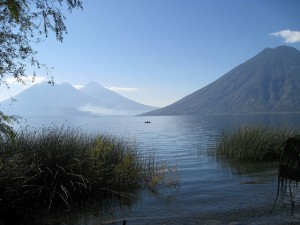
Lake Atitlan

Photo Credit: Ourownpath
Considered one of the most picturesque lakes on the planet, Lake Atitlan can be found behind a border of mountains and volcanoes just 75 miles from Guatemala’s capital, Guatemala City.
Expats come to Lake Atitlan not only for its perfect weather and breathtaking views, but also for its rich culture. The lake is surrounded by twelve indigenous villages that are still alive with Mayan tradition.
If you choose to make Lake Atitlan your home, you can expect to spend your days hiking, fishing, kayaking, and soaking in the thermal springs that feed down into the lake.
And if you are looking for a little more excitement, Lake Atitlan also has few nightlife options as well.
Antigua

Ward Oliver
Located just thirty minutes from the Guatemala City airport, beautiful Antigua is one of the top travel destinations in Central America, and it isn’t hard to see why.
Founded in the early 16th century, much of Antigua was destroyed by an earthquake in 1773, but today many of the primary buildings remain preserved as ruins.
So enjoy the spectacular view of Volcan de Fuego and Volcan de Agua as you stroll through the colorful cobblestone streets and colonial ruins, brush up on your Spanish at one of the many Spanish schools, or why not try your hand at yoga.
With more affordable real estate and a lower cost of living compared to Costa Rica, it’s not surprising that more and more expats are heading for Guatemala so they can retire comfortably without having to stretch their pensions thin.
If warm days and cool nights, mountainous landscapes, and a slower pace of life are all things you seek, you just may have found a match in Guatemala. So take a trip down, visit Lake Atitlan and Antigua and keep your eyes peeled for that perfect spot to call home.