


For many, a trip to the Caribbean is often associated with cushy cruises, all-inclusive resorts, 24 hour buffets, and non-stop blended cocktails, not necessarily things that people travelling to Costa Rica are looking to find.
Instead, most expats make the move down to Costa Rica to get closer to nature, to find adventure, or to simply submerge themselves in the laid-back lifestyle of the locals.
Luckily the province of Limon (the most culturally diverse province in Costa Rica) and the beach towns of Cahuita and Puerto Viejo de Talamanca, have something a little different to offer. Saturated with Caribbean heritage, both towns provide expats and tourists alike with a true taste of the Caribbean, without all the extras.
Located between the Caribbean Sea and the central mountains, Cahuita and Puerto Viejo each share a Creole culture that is unique to Costa Rica.
In fact, the first person to settle in Cahuita was an afro-Caribbean fisherman named William Smith in 1828, and from there many other fishermen followed, eventually creating an afro-Caribbean fishing village.
So what can expats expect to find?
A blend of Caribbean and Costa Rican culture wrapped up in a relaxed, beach town setting that is very welcoming of expats.
Locals in this region typically speak Spanish or an africanized-creole English, the radio will play variations of both salsa and reggae and you will be able to enjoy traditional Costa Rican cuisine like gallo pinto (rice and beans) as well as Caribbean favorites like spicy jerk chicken.
Cahuita

Costa Rica Cahuita
Found near the southern end of Costa Rica’s Caribbean coast, Cahuita is not yet overrun with tourists. Upon entry you will instead be welcomed by a laid-back, local village type vibe, complete with porches and hammocks.
With only around 4,000 residents, Cahuita was once secluded from the rest of Costa Rica. Only in the last thirty years has the town begun to emerge from this isolation, especially after the construction of the highway between Puerto Limon (27 miles north of Cahuita) and Costa Rica’s capital San Jose.
Without a doubt, the main attraction of Cahuita, other than its sandy beaches and crystal blue water, is the Cahuita National Park. Covering 6.5 square miles of land and sea and an additional 86 square miles of marine area, the Cahuita National Park is actually a small reserve as far as Costa Rican reserves go. Visitors to this majestic reserve can expect to find monkeys, iguanas, birds, sea turtles, snakes, and sloths living in the lush rainforests, mangrove swamps, and coral reef (Costa Rica’s largest) of the Cahuita National Park.
Puerto Viejo de Talamanca

puerto viejo CR – Magalie L’Abbe
The larger of the two coastal villages, Puerto Viejo can be found just ten miles south of Cahuita and is quickly becoming a Costa Rican tourist hotspot for its world class surfing.
With all of the charms of Cahuita, but on a larger scale, Puerto Viejo is full of restaurants, bars, and nightclubs for those that crave an exciting night life, but still has that relaxed beach town feel for those that don’t.
Like Cahuita, this town has much to offer for both expats and tourists and you can spend your days surfing, hiking, horseback riding, and boogie boarding or simply stretched out on a hammock breathing in the Caribbean breeze.
Living on Costa Rica’s Caribbean coast
For expats coming down to Cahuita or Puerto Viejo, it is always recommended that you rent before you buy. This is so you can be absolutely certain that you’ve chosen the perfect spot. But don’t worry some do buy real estate on Costa Rica’s Caribbean coast.
However, jumping from rental to rental is a trend with expats in this region. But don’t let that worry you, for moving around down here is nothing like moving around back home.
Almost all of the rentals in these towns come fully furnished, and because of this, people can pack up their few things in a heartbeat.
Why do they move?
With of all the options it can be hard to make a decision. Do you want to live by the beach or in the hills? In an apartment or a house? If a house, what style of house? If you basically only need to pack some clothing and a few pots and pans, it’s easy to pick up and go whenever the mood strikes.
So if Costa Rica’s hidden Caribbean coast has you intrigued, plan a trip down to see what it’s all about. And like the many expats before you, take some time before you buy and rent around, as you look for that ideal location along this breathtaking coast.
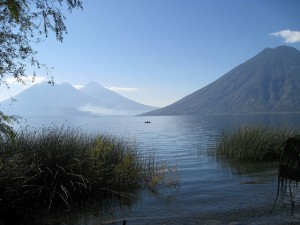
Nicknamed the Land of Eternal Spring, Guatemala is stepping into the spotlight and becoming a prime retirement location over past favorites like Costa Rica and Mexico.

Photo Credit: German Perez
With ideal weather, stunning views, and a great location (just a short plane ride from the U.S.), it’s not hard to see why expats are flocking to these countries to retire.
So what is it about Guatemala, located at the southern point of Mexico that has expats choosing it over other, arguably more popular countries in Central America?
Guatemala is Peaceful and Quiet
According to Travel Market Report, roughly 3.3 million American baby boomers claim that they intend to retire abroad, and as an increasing number of these expats set their sights on Central America, popular spots like Costa Rica and Mexico are becoming heavily populated.
But for those looking for solitude and serenity, Guatemala can provide them with an option that is a little more off the beaten trail, without sacrificing the wonderful weather and gorgeous landscapes that drew them to Central America in the first place.
Guatemala has a Lower Cost of Living
Due to the low cost of living, Guatemala can offer expats the best of both worlds, a beautiful place to retire, at a fraction of what they would pay to live the same life back home in the states.
In fact, it is estimated that people can live comfortably in Guatemala for only $1000-$1500 a month, and according to Guatemala real estate agent Glen Wilson, people living in Guatemala will only spend $2-$3 an hour on cleaning and gardening services, $6-$10 for fresh produce at the local market and their utilities will rarely go over $200 a month.
It sounds almost too good to be true.
Guatemala offers Affordable Real Estate
If renting isn’t for you and your heart is set on purchasing property in Central America, Guatemala real estate is very affordable. Depending on location, a fully furnished three bedroom home in Guatemala can be bought from the low $200,000 to $300,000 on average.
Also, unlike some other Central American countries, the process of purchasing property in Guatemala is not too complicated and they even make it easy for expats to secure visas. Of course, it is recommended that you rent a place for a few months before you buy (it will cost you around $200-$250 a month to rent an apartment on average); that way you can be absolutely certain that Guatemala is in fact the place for you.
Expat Hotspots:
Lake Atitlan

Photo Credit: Ourownpath
Considered one of the most picturesque lakes on the planet, Lake Atitlan can be found behind a border of mountains and volcanoes just 75 miles from Guatemala’s capital, Guatemala City.
Expats come to Lake Atitlan not only for its perfect weather and breathtaking views, but also for its rich culture. The lake is surrounded by twelve indigenous villages that are still alive with Mayan tradition.
If you choose to make Lake Atitlan your home, you can expect to spend your days hiking, fishing, kayaking, and soaking in the thermal springs that feed down into the lake.
And if you are looking for a little more excitement, Lake Atitlan also has few nightlife options as well.
Antigua

Ward Oliver
Located just thirty minutes from the Guatemala City airport, beautiful Antigua is one of the top travel destinations in Central America, and it isn’t hard to see why.
Founded in the early 16th century, much of Antigua was destroyed by an earthquake in 1773, but today many of the primary buildings remain preserved as ruins.
So enjoy the spectacular view of Volcan de Fuego and Volcan de Agua as you stroll through the colorful cobblestone streets and colonial ruins, brush up on your Spanish at one of the many Spanish schools, or why not try your hand at yoga.
With more affordable real estate and a lower cost of living compared to Costa Rica, it’s not surprising that more and more expats are heading for Guatemala so they can retire comfortably without having to stretch their pensions thin.
If warm days and cool nights, mountainous landscapes, and a slower pace of life are all things you seek, you just may have found a match in Guatemala. So take a trip down, visit Lake Atitlan and Antigua and keep your eyes peeled for that perfect spot to call home.
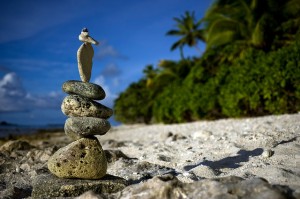
One ambition that most of us share is to live a long, happy, and fruitful life. The life expectancy of the average U.S. citizen is 78.2 years, and many people hope to spend ten or fifteen years of their life in retirement.

Photo Credit: Sushicam
For a growing group of individuals, living overseas is emerging as an attractive option for this period of their life. Exciting terrains such as Central and Latin America are brilliant options for retired expats, and communities of like-minded individuals are popping up in countries like Nicaragua, Costa Rica, and Ecuador.
For many of us, the idea of moving abroad in our twilight years is something that sounds a bit scary. However, there is evidence to suggest that traveling, and even living overseas, could make your brain younger. In other words, taking the plunge and making your expat dreams a reality could turn you into a super ager!
How Can You Become a Super Ager?
Scientific researchers have spent years looking into the secret of a long and active life, and they are starting to make discoveries. Susan Krauss Whitmore, a Professor of Psychology, recently wrote an article for the Huffington Post titled How To Be A 50 Plus Brain ‘SuperAger’.
In the article, Krauss Whitmore writes:
Researchers are well on their way to discovering the elements of what they call successful cognitive aging, in that they stay above the norm on tasks that require memory, planning and general knowledge. They take advantage of what neuroscientists call brain or cognitive “plasticity.”
The idea of brain plasticity is best described as how quickly our brain is able to react and change to new experiences. Every time we experience something new, our brain has to reorganize its neural pathways in order to accommodate the new information it’s gained.
The more easily our brains are able to do this, the more active our brains will be as we get older. However, if our brains are under-stimulated, they lose the ability to create neural pathways as easily, and therefore lose plasticity.
Because of this, there’s an argument that the harder we work our brains, the more prepared they will be to stay active and intelligent as we age. Many older people take steps to do puzzles or mind teaser games to promote this effect, but travel can work just as well – and it’s a lot more fun.
How Does Travel Help?
When we travel, we open ourselves up to many new and diverse experiences. We see new things, learn about new cultures and histories, and taste new types of food. All these things mean that our brains need to retain their plasticity to keep up.
There is also a key argument to say that changing your routine can be very good for maintaining the plasticity of your brain. Instead of staying in the same city and visiting the same places, traveling further afield can provide very valuable mental stimulation.
How far you choose to travel depends on how adventurous you are. Some of us might benefit from spending a weekend break in the next state, whereas others may decide that their retirement is the perfect opportunity to visit the further afield places that they’ve always wanted to see.
If you dream of buying a retirement property in Antigua, Guatemala or Cuenca, Ecuador, you may find that your new life there could make your brain scientifically younger.

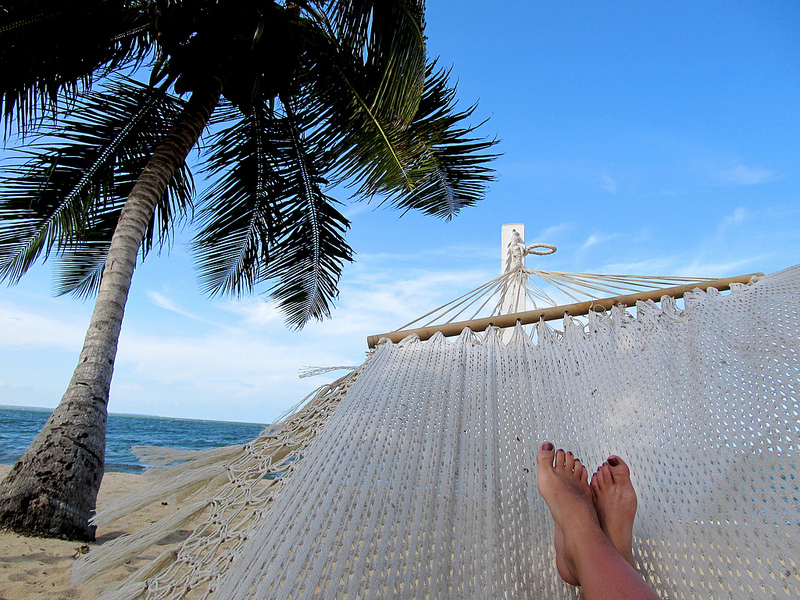
Jessie Harrell
While the decision to relocate to a lush, tropical country may have been an easy choice to make, the process of actually picking the country may be an entirely different story.
With so many amazing countries out there in Central America alone, how can you be confident that you’re making the right selection?
Consider Belize
Sharing a border with Mexico, Guatemala and the Caribbean Sea, the tiny country of Belize has been receiving a lot of attention from expats in recent years. So what does Belize have to offer that has so many people coming back for more?
1. Scenic beauty
Only a fraction, around 20% of Belize’s land is used for human purposes (agriculture and settlements) leaving the rest, natural and unspoiled. Filled with majestic landscapes, waterfalls, archaeological sites and thousands of species of plants and animals, there is always something new to experience in Belize. And because Belize has 174 miles of Caribbean coast line, you can enjoy the beach life and the exotic rainforests all in one day.
Conservation efforts are an important aspect of government policy in Belize and because of this, much of the land and animal life remains protected. Belize is even home to the only jaguar reserve in the world.
2. 2nd largest barrier reef in the world
Belize is known for its marine life, especially the Mesoamerican Barrier Reef. The Mesoamerican Barrier Reef is actually the longest living barrier reef in the western hemisphere and the second largest in the world, after Australia. Belize’s top tourist attraction, people come from around the world each year to swim, snorkel, and scuba dive in this breathtaking, natural wonderland.
3. Slow pace of life
Nicknamed “Belize time”, the pace of life in Belize is significantly slower, and for many expats, it can be a dream come true. Unlike in North America, and many other places in the world, the people in Belize don’t seem to be in such a hurry. Instead, they have a more leisurely attitude towards life and work that is embraced by many expats and a bit of an adjustment for others.
And for an even bigger taste of the Belize laid-back lifestyle, visit Caye Caulker, a 5 mile island off the coast of Belize. One mile west of the barrier reef, you can take a water taxi to the tiny island and spend your time swimming, snorkelling, fishing, or simply relaxing on the beach.
4. The climate
Like most expats, you are probably looking for a place with perfect weather, a place where it’s not too hot and not too cold. Belize definitely fits the bill. With the average year round temperature hovering around 79 degrees F, in Belize the sun shines almost every day. You won’t need a heater in Belize, and for some, air conditioners aren’t even necessary due to the cool Caribbean breeze that comes in off the sea.
5. The people
If the scenery and the climate drew you to Belize, the people will keep you there. Known to be friendly and welcoming, the people in Belize typically don’t put up barriers like people in other places tend to do. If you decide to make the move to Belize, you can expect to make friends with both the locals and fellow expats as you settle in to your new home.
6. English-speaking
Along with being open and welcoming, Belizeans also speak English, making communication that much easier. In fact, Belize is the only English-speaking country in Central America. This is because Belize originated as a British colony called British Honduras before it became a self-governing colony in 1964 and completely independent in 1981.
So don’t worry, in Belize you will be able to communicate with the locals, understand government forms and even read the road signs because it is all in English.
7. Low cost of living
Like most countries in Central America, the cost of living in Belize is quite low. It is estimated that a couple can get by comfortably in Belize for as little as $1000 a month, and if you have more to spend, life in Belize can be even more comfortable.
8. Fresh food
Unlike North American diets that are known to be heavy and often full of processed foods, the food in Belize can be like a breath of fresh air. Many expats claim to have experienced significant weight loss after coming to Belize because of the foods they eat.
In Belize, people typically tend to eat simpler, lighter meals due to the abundance of fresh fish and tropical fruit that they have available.
9. Mayan history
Belize is rich with history and culture that can be experienced on a daily basis if you feel so inclined. In the Maya Mountains and many other areas of Belize, you will have the opportunity to observe Mayan archeological ruins that date back thousands of years.
10. Close to home
While it’s true that many of us dream of moving away to a tropical paradise, it doesn’t mean that we want to isolate ourselves completely from friends and family. Belize offers expats the escape they desire, but with a relatively short commute from the U.S. Feeding out of cities like Dallas, Houston, Miami, and Atlanta, the flight to and from Belize is only a minimal three hours, making it an accessible paradise for North American expats.
Is Belize the place for you?
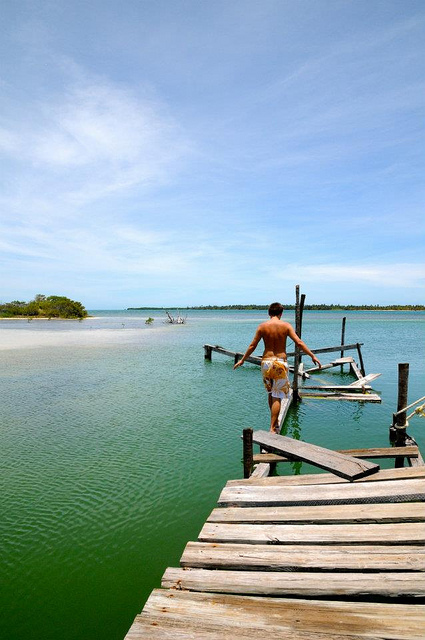
Vet Lesks
If you are looking to slow down in a tropical climate, surrounded by a welcoming, English speaking community, Belize may be the place to dig in your roots. Plan a visit and soak in all of the aspects of Belizean life, and when the time is right, start searching for your own little piece of paradise to call home.
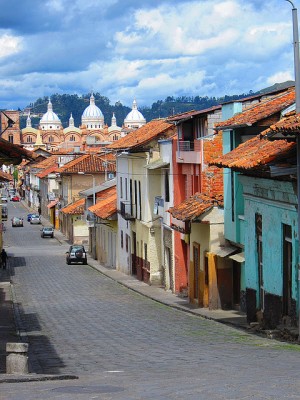
Ecuador 3 Count, where we bring you 3 Ecuador stories that you shouldn’t miss.

Photo Credit: C. Ramblur
1. Cuenca – the Next Expat Paradise?
In recent years, Cuenca Ecuador has experienced a record number of retirees from parts of the developed world such as the USA and Canada, who are chasing the media coverage praising the country for its beauty and low cost of living. BBC News takes an in-depth look at this boom and the effects upon the Ecuadorian people and culture.
Click to learn more about real estate, cost of living, healthcare, & residency in Cuenca
2. Ecuador Taps into Qatar’s Tourism Potential
Qatar could be a regional hub for South America-bound tourists, Ecuador’s Minister of Tourism Freddy Ehlers has suggested. The delegation presented key tourism offerings of the country such as the Amazon jungles, snow-capped volcanoes of the Andes, beaches along the Pacific coast, and the Galapagos Islands. Ecuador caters to tourists who are looking for adventure, special interest travel, or specialized tourism.
3. Ecuador’s Beaches: Why You Will Want to Pack Your Suntan Lotion
Travelers often go to Ecuador to see the Andes and to straddle the hemisphere. But if your desire is to experience more of the country than the mountains, head to one of Ecuador’s beaches. Depending on which beach you choose, you can find a party, a surfing paradise, or a relaxing escape from the chaos of the city.

Nosara, Costa Rica is becoming increasingly popular among traveling surfers, because of its more laid-back, relaxed atmosphere than its bustling neighbor to the north, Tamarindo, while boasting world class surf almost all year long.
Most surfers visiting Nosara head straight for Playa Guiones, which is, hands down, one of the most consistent breaks in Costa Rica. Playa Guiones is a swell magnet and Punta Guiones (at the South end of the beach) juts farther out into the Pacific than many other points in Costa Rica. Which means Playa Guiones picks up both North and South facing swells bringing surfable waves over 300 days a year.
Like it so much you want to move here? So did others, and the result is a growing expat community. Thankfully, most seem intent on keeping development and over-building to a minimum.
If you’re considering moving abroad, the recommendations of the U.S. government are likely the last thing on your mind. Nevertheless, Big Brother has a virtual guide for those who are planning on moving, or even just traveling overseas.

Photo Credit: Highway Agency
While a lot of the suggestions may seem like just another way for the government to keep tabs on you while you’re out of the country, some of the tips may actually prove helpful.
Advice about Marriage
For those who wish to get married abroad, the laws can vary greatly from one country to the next. There may be various documentation and residency requirements, so research the process well before you plan to tie the knot.
Some of the necessary steps might include blood tests, affidavits, or certified copies of documents such as divorce decrees or death certificates, if one party was in a previous marriage. Contact the country’s embassy or tourist information bureau for more information.
Ceremonies are usually performed by a local civil or religious official. Once you are married, the U.S. consular can authenticate the marriage documents issued by the country where the marriage is performed. However, you’ll need to verify with your state of residence whether they will recognize the marriage if you plan on returning to the U.S.
Birth
The child of a U.S. citizen born abroad automatically acquires citizenship at birth. All you’ll likely need to do is contact the U.S. Embassy or Consulate to obtain a Consular Report of Birth Abroad of a Citizen of the United States of America (Form FS-240). This form will be needed once the child needs to obtain a passport or enroll in school, and it’s better to obtain it immediately than to wait until you need it.
Advice about Divorce
As with marriage, the validity of a divorce obtained overseas will depend largely on your state of residence.
Death
When a U.S. citizen dies overseas, the Bureau of Consular Affairs provides a number of services to the person’s family. They first notify the next-of-kin and explain the options for local burial or transport of the body to the U.S. >While they also assist with information on how the family can transfer funds for such services, they do not provide any monetary assistance to the family of the deceased. They also inventory and return any personal effects to the deceased’s family.
Federal Benefits
If you are receiving any kind of federally-provided benefits, you’ll need to notify the appropriate federal agency (i.e. Social Security, Veteran’s Affairs, etc.) to advise them of your new address. Allow at least 60 days to make sure you don’t miss any checks.
If that seems like a lot of notice, just think back on your last trip to the DMV.
You should notify the agency of your new address even if your payments are being sent to a bank. If you find a bank in your new country of residence that will accept a direct deposit, you can contact the agency to arrange for this change as well.
You should also note that, while being out of the country has no effect on your eligibility for many benefits (such as Social Security), you will not be able to receive benefits from Medicare or Medicaid outside the United States.
Documentation and Identification
When traveling to most countries, you will need to have a valid passport. Many also require that your passport’s expiration date be well past the date of your planned return to the U.S. If your passport is lost or stolen, report the issue immediately to the local authorities and the U.S. Embassy or Consulate. The consul can issue you a replacement, often within 24 hours.
If you plan to drive, find out the requirements for licensing in your destination country. While many require a license and insurance, some do accept an international driver’s permit. However, most do not recognize a U.S. driver’s license.
Voting
Don’t let your absence prevent you from exercising your civic duty. Receiving an absentee ballot is easier than ever, as many jurisdictions have the capability to fax or even email the forms.
You can visit FVAP.gov to complete a Federal Post Card Application (FPCA). However you will need to complete this process every year, preferably in January. While you should receive your ballot 45 days prior to general and mid-term elections (30 days before special, primary, and run-off elections), make sure to be proactive. Follow up if you don’t receive it on time, and submit it as early as possible to make sure your vote is counted.
Taxes
We covered death overseas. Might as well mention taxes. Once again it’s inevitable. All the usual reporting requirements and deadlines still apply for those living abroad. Consult your tax professional with questions about any income earned overseas. If you do have any, you’ll need to make sure all amounts are converted and reported in U.S. dollars.
Health
The government recommends that you familiarize yourself with any conditions in your destination country that could have an impact on your health. Some examples are altitude, allergies, the availability of medical facilities, required immunizations, etc. The Centers for Disease Control website is a good resource for more information on your country of residence.
It is also recommended to bring along a letter from your physician describing any medical conditions you may have and to explain the necessity of any medications you’re carrying. When traveling, you should always carry drugs, eyeglasses, and other medical items in your carry-on. Consider a medical alert bracelet if you suffer from any life-threatening conditions.
When medical treatment is needed, the U.S. Embassy or Consulate can provide a list of physicians and facilities. However, they’d like you to note that the providers are listed alphabetically; their order is not a ranking of the quality of care they provide. Furthermore, “the inclusion of a specific physician or medical facility does not constitute a recommendation and the Department of State assumes no responsibility or liability for the professional ability or reputation of, or the quality of services provided by, the medical professionals, medical facilities, or air ambulance services whose names appear on such lists.”
Whew! That was a long sentence. Oh, also, the list cannot be reproduced in any form without the express written consent of major league baseball.
The cost of medical procedures overseas can vary greatly, and most U.S. health insurance isn’t accepted. Short term travel policies that cover you when traveling abroad are available from many insurers.
Customs and Import Restrictions
Before bringing any items into or out of a country, make sure you know what’s legal. Items such as food, medications, and even pets can be restricted in some countries. Also prohibited are items associated with endangered wildlife, such as ivory, furs, feathers, leather, and coral products. Consult your country’s U.S. embassy to find out more about any restrictions.
You thought you were escaping the ever-mounting pile of junk mail, but the U.S. government recommends that you make arrangements to receive your mail if you’ll be gone for an extended period of time. A few international banks and credit card companies may provide mail services for their customers. Some foreign post offices will also hold mail for travelers.
General Precautions
On its travel website, the U.S. government lists a number of other precautions. While some are really just common sense, like not traveling with valuables, a few are worth mentioning. For instance, you should always make sure friends or relatives back home have copies of your itinerary. Also leave home with additional copies of your travel documents, and pack an extra copy in your bags, separate from the originals.
Always plan for the unexpected, taking extra cash or credit cards for emergencies. There are a lot of scams out there, so stay away from any deal that seems questionable. And, if anyone asks you to carry a small, unmarked package in your luggage in exchange for a sum of money…for goodness sake, don’t do it.
Remember that when you’re out of the country, you’re subject to different laws. And if you do something illegal, you’re on your own.
Smart Traveler Enrollment Program (STEP)
In an effort to protect its citizens abroad, or maybe just to perpetually monitor your whereabouts, the government is proud to offer the Smart Traveler Enrollment Program (STEP). By registering your travel plans, you can receive updates about the country where you’ll be traveling, as well as travel warnings and alerts.
Reportedly the program also enables the government to better assist you in the event of a minor (e.g. lost passport) or major (e.g. earthquake) emergency.
Regardless of the destination or duration of your trip, the Department of State and Bureau of Consular Affairs is an excellent resource for many of your needs while overseas.

Things are looking good for El Salvador. While it doesn’t make the list as potential places to live for most expats, this small country is on the rise. With a sound economy, reasonable tax rates, and some of the best surf breaks in Central America, it’s worth checking out.
Here are our top 6 locations to get you started.
1. Colonia San Benito District Three, San Salvador
San Benito is your choice for colonial inspired living inside the capital, San Salvador.

Photo Credit: Marlan Flores
2. Playa El Tunco, Pacific Coast
A beach front home and your surfboard await in El Tunco.

Photo Credit: R. Rea
3. Santa Ana, Central Region
Santa Ana is city life without the congestion.

Photo Credit: Mike Butler
4. Suchitoto, Central Region
Suchitoto is a sleepy colonial town, perfect for lazy afternoons in your hammock.
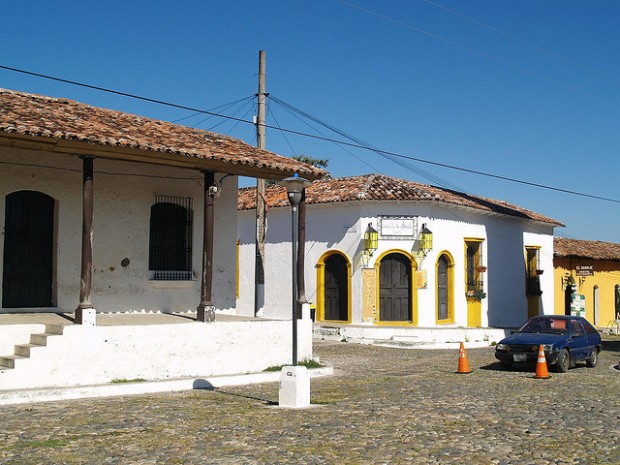
Photo Credit: Adalberto.H.Vega
5. Juayua, Mountain Region
With its cool mountain climate and small town town life, Juayua is a good choice.

Photo Credit: Garrett Ziegler
6. Playa el Cocal, Pacific Coast
Want a surfer’s life? Then there is no other place to live but at Playa el Cocal, where you have daily access to el Salvador’s famous surf break, Punta Roca.

Photo Credit: Pedruca
Have a favorite spot in El Salvador? Let us know in the comments section below.


Joshua Berman
Living next door to tourism giant Costa Rica and the up-and-coming Panama, and due to the common misconception that Nicaragua is still unsafe for tourists, this little country hasn’t been receiving the attention it deserves when it comes to expats.
While it is true that Nicaragua has been getting more attention in recent years, having been featured on the covers of some travel magazines, Nicaragua remains one of Central America’s least visited countries.
But according to Jennifer Taylor-Jones, the Vice President of Product Development at JetSet Vacations, this somewhat forgotten Central American gem just might be stepping into the limelight.
Why Nicaragua?
As expats continue to look towards Central America as a possible place for retirement, many are searching for the next big thing, and in 2013, Nicaragua just might be that thing.
Tucked between Honduras to the north and Costa Rica to the south, Nicaragua was not always the expat friendly, land-of-plenty that it is today.
So what is it about Nicaragua today that is drawing expats in?
A sense of discovery
Many are coming to Nicaragua to get away from heavily tourist concentrated areas. They like the idea that Nicaragua is still relatively unknown and that it has not yet been pegged as a tourist hotspot, a definite negative attribute to those seeking peace and serenity.
The wonderful aspects of Nicaragua have not yet been revealed to the public on a global scale and in a way, it can be theirs to discover.
But although expats want to go somewhere new, they still want to go somewhere that is safe and expat friendly. Today, Nicaragua fits both criteria.
Why now?
In recent years, Nicaraguan officials have been nominating significant funds in attempt to attract North Americans to their country. The end goal is to make Nicaragua the third most visited country in Central America behind Costa Rica and Panama.
Much of this money will go towards helping outsiders learn more about Nicaragua by educating them on the country’s current political and economical state, factors that have made tourists and expats wary about Nicaragua in the past.
In fact, according to a report published by the Financial Times, Nicaragua ranked third after Montreal and Toronto in the category of Strategy for Attracting Foreign Direct Investment.
And changes are being made. One expat lived in Nicaragua in 2007, and during that time, claimed that the road connecting San Juan del Sur to the Pan American highway was nearly un-drivable due to massive potholes. When she returned on a recent visit, she was welcomed by a smooth stretch of maintained pavement in place of the ripped up road.
Aside from the improved roads, she was also pleasantly surprised to find internet access across the country and that the capital city of Managua had expanded into an urban metropolis with everything and anything an expat could possibly need.
So what can an expat coming to Nicaragua for the first time expect today?
san-juan-del-sur-psd photogrpahy
Perfect weather, beautiful beaches free of colossal resorts, towering volcanoes (including the still active Masaya volcano), Lake Nicaragua (the largest lake in Central America), surfing town San Juan del Sur, and colonial cities like Leon and Granada.
And best of all, it won’t cost an arm and a leg to experience all that Nicaragua has to offer.
Budget friendly
Like many other Central American countries, the cost of living in Nicaragua is low and this is an obvious perk to any expat looking to retire on a budget.
Real estate in Nicaragua is extremely affordable. A colonial home in the city of Granada can be purchased for under $50,000.
Renting is also affordable, but of course prices will fluctuate depending on where in Nicaragua you choose to live. In San Juan, a relatively touristy area for Nicaragua, a 1-2 bedroom apartment can cost between $250-$600 a month, although, as the price goes up, things like utilities, internet, cable, and housekeeping are often included.
Covering rent, utilities, cable/internet, groceries, and entertainment, a couple could live comfortably in Nicaragua for around $1,200 a month, a meager amount when compared to prices back home.
On the other hand, a couple could live a simple life on as little as $750 a month and a life of luxury, including a spacious house and a maid, for around $2000.
Get there before the crowds do
As Nicaragua continues to gain recognition, it won’t remain unknown for long. If you have been thinking about heading to Central America, consider Nicaragua, the favored hot spot for expats in 2013. With all of the wonders of Central America, an exceptionally low cost of living, and a portion of the crowds, Nicaragua is the perfect spot to relax and live the laid back lifestyle that we all crave.

Lee Zelter knows Boquete, Panama. It’s almost as if it’s in his blood. His blog Boquete Guide is a must read for those who are considering the move to Boquete or for those who have already made the jump.
Viva Tropical took a moment with Lee to dig a bit deeper into his reasons for calling Panama home for the past 7 years. His answers might just surprise you.

Photo Credit: Sky and Zak
Why did you choose to move to Panama and specifically Boquete?
We researched for several years while waiting for our youngest to finish high school. We visited Europe, Mexico, Costa Rica and last Panama. We decided on Panama for several reasons.
Cost of living was lower than Europe and the U.S. Mexico was getting too violent. Costa Rica was a boat we missed and crime was heading up as an anti-gringo attitude was developing.
The pluses of Panama were that in a time when the dollar was falling against other currencies, Panama used dollars so we would not be hurt by varying exchange rates. Panama has a hundred years of U.S. involvement and to Panamanians Americans are nothing new.
Gringo is a description not a swear word here. We loved the temperate climate and relative isolation of Boquete. It was time to leave city life and try something new.
There was a significant English-speaking international community in Boquete which made for an easy integration. My wife lasted 18 months, it was too much of a change for her. I stayed and love it here.
How long have you lived there?
Seven years in August 2013
Where where you living previously?
Tucson, AZ, U.S.
What do you do with your time?
I work online, write online and play online. I also travel extensively in South and Central America.
What surprised you when you first came to Boquete/Panama?
How many shades of green exist!
What advice can you give someone who is thinking about moving to Boquete/Panama?
Learn Spanish first, leave your preconceived attitudes at home and do not check your brains at the airport. This is a different world.
Anything else you’d like to say?
I have much more about the entire experience at this link. The entire Panamania series reflects the move, transition and experience.

The Costa Rica 3 Count, where we bring you 3 Costa Rica stories that you shouldn’t miss.

Photo Credit: Berny Mills
1. Border Crossing Mistakes (and Why They Make You Look Dumb)
Walking across a land border seems like you’re entering into a no-man’s-land of confusion. At an airport, VIPs enter and zoom through in blackened sedans, but when you walk across a frontier, especially in a developing country, you get a window into how ordinary people and traders travel. Such is the case when crossing on foot from Costa Rica to Nicaragua.
2. Costa Rica Hotels are King in Sustainability
Costa Rica is leading a growing trend of low-carbon to no-carbon footprint hotels. Currently there are 29 hotels labeled as “five leaves,” Costa Rica’s distinction of sustainability, which means these hotels ensure their operations are at a near zero environmental impact.
3. You Don’t Have to Give Up Your Golf Game When Moving to Costa Rica
If you want to become an expat in Central America, rejoice, you don’t give up your golf game when you move. Golf is blossoming in such far-flung, but expat-friendly, locations as Nicaragua, Honduras, and Costa Rica.


Photo: EcoCircucitos
If you’re looking to make Panama your home, whether for a few years or a lifetime, there are a variety of visa options available to you. Panama is very friendly to foreigners and is continually opening its doors even wider to those who want to move there for practically any reason. We’ve compiled some more information about the various visa options, their requirements, and the process of obtaining them. However, because the country is making such large strides to become even more open to immigrants, the laws are frequently changing.
The good news is that the process is only getting easier. The bad news is that it can take some serious digging to find information that is current. If you’re serious about starting the process now, a reputable Panamanian lawyer with immigration experience can drastically cut down on the time and headaches associated with the process. In the meantime, check back often for updates on recent decrees and resolutions.
The Application Process
The requirements, timelines, and procedures vary greatly from one visa program to the next (yet another good reason to work with someone who’s familiar with them all). However, a few key points are central to the process as a whole. Documentation will be required to show proof of all requirements set forth by the specific visas. For instance, a letter from a bank will be required to verify solvency where needed, and a promise of work contract will be needed to show proof of employment.
These documents should all be clean and current and bear the proper authentication by an attorney or Apostille, which is similar to a notary public. All passports should be current with at least a year (or more) remaining before their expiration date.
For dependents, you will need to obtain current copies of marriage and birth certificates. A current police record from your country of residence is generally required. You will also need to be examined by a Panamanian doctor to receive a certificate stating that you are free of disease and in good mental and physical health.
While some steps in the process require you to be physically present, an attorney can handle many of the tasks with a signed Power of Attorney.
The Visa and Residency Options and Requirements
Tourist Pensioner Visa
One of the most popular and beneficial visas offered by the Panamanian government is the Tourist Pensioner Visa. Available to those who can show a minimum monthly income of $1,000 from a verifiable source, such as a pension, this visa has no expiration date. It is also exempt to any future changes in the law, so current holders are grandfathered in under the program.
Proof of income is required and has to be provided on a yearly basis to show that you are still receiving a pension. While this visa does not offer a path to citizenship, it does provide a number of benefits that are unmatched by any of Panama’s other visas, or those of any other country.
However, don’t worry about missing out if you enter the country by some other means. While these benefits are provided automatically to anyone on the Tourist Pensioner Visa, they are also available to anyone over the age of 60 (55 for women) and to others on a case-by-case basis. Here are some of the highlights:
-
50% off entertainment (e.g. movies, theaters, sporting events, etc.)
-
30-50% off hotels
-
30% off public transportation (e.g. boats, buses, and trains)
-
25% off airline tickets
-
25% off utilities
-
15-25% off restaurants
-
15% off medical services (exclusive of procedures covered by insurance)
-
Tax-free importation of household goods (up to $10,000)
-
Tax-free importation or purchase of a new car every two years
Private Income Retiree Visa
For those who might have received a pension as a lump sum, the Private Income Retiree Visa is an excellent option. To qualify for this visa you’ll need to invest enough money in a 5-year certificate of deposit (CD) in the National Bank of Panama to generate $2,000 per month.
The visa is renewable every five years, provided that the CD is also renewed. Holders of this visa are granted a Panamanian passport, but no direct path to citizenship. Private income retirees can also import their household goods and a vehicle every two years with no taxes, just like tourist pensioners.

Photo: Rita Willart
Person of Means Visa
The Person of Means Visa requires a 3-year fixed-term deposit of at least $300,000 in a Panamanian bank. A mortgage-free real estate investment of the same amount (or a combination of the two) will also qualify you for this visa. Unlike the previous visas, this option can lead to permanent citizenship after one initial renewal, so long as your financial situation remains secure. It also offers the ability to become a Panamanian citizen if you choose.
Investor Visa
Panama is also friendly to those who wish to do business or invest in the country. With a $160,000 initial investment and the hiring of five full-time Panamanian employees, you can qualify for an Investor Visa. This visa is good for a period of two years.
While it can lead to permanent residency, it must first be renewed three times. Once they become permanent residents, holders of the Investor Visa can also apply for Panamanian nationality.
This is an older visa and for most people there are better options.
Permanent Residency for Nationals of Countries Friendly to Panama
One of the most recent additions to Panama’s residency options, and the one with the longest name, is the Permanent Residency for Nationals of Countries Friendly to Panama option.
With requirements that are much more attainable than many of the other visa options, this program offers immediate residency.
In addition to skipping all the steps of obtaining (and renewing) a visa, it offers another benefit that many of the others lack: It gives you the option to work. Born out of an acute need for skilled labor, due to the country’s huge economic boom, this program requires a mere $5,000 deposit in a Panamanian bank (plus $2,000 for each dependent). In addition applicants must show proof of one of the following:
-
Investment in Panamanian real estate
-
Ownership in a Panamanian corporation
-
Employment by a Panamanian business
This program, introduced in the form of Decree 343, is offered to residents of 47 countries that have been identified as being “friendly” to Panama and is available to you, your spouse, children under 18 (or between the ages of 18 and 25 if they’re students), and children of any age with disabilities.
No renewals are needed since this program grants immediate residency, and those who take advantage of this option are also able to apply for citizenship.
Given the simplicity of opening a Panama Corporation or investment in Panama real estate, this visa has become one of the most popular.
Accelerated Permanent Residency for Professionals
Another piece of legislation that’s hot off the presses is Decree 229, which changes the amount of time a person must work in Panama before becoming a permanent resident. Historically, those in Panama on a work permit could apply for permanent residency after a period of seven years.
The recent bill, which applies to those working in a professional capacity, reduces it to two. The decree applies not only to those who will seek employment in Panama in the future, but to those already working there as well.
Forestry Investor Visa
Designed to promote the production and preservation of teak, the Forestry Investor Visa offers both a small and large option. Small forestry investors will need a $60,000 minimum investment.
This visa is only temporary and must be renewed every year for six years. On the seventh renewal, you can apply for permanent residency.
The Large Forestry Investor Visa, which requires an $80,000 investment, is good for two years initially. After that period of time, you can apply for permanent residency. Five years after obtaining residency, you can also apply for citizenship.
Other Visas
Keep in mind that, while these visa and residency options are the most common, this list isn’t exhaustive. There are other solutions available for individuals such as agriculture investors, those doing business in tax-free zones, temporary workers, and more. If you want to call this Central American destination your home, there is almost certainly a way to make that happen.