


Goldberg
The surfing mecca of Playa Tamarindo put Costa Rica on the map for tourism and is consequently its most frequented beach town. With year-round surfing for all levels, comfortable accommodations, accessible roads, and a plethora of tours, it is well established for even travel novices.
However, there is much more to Playa Tamarindo than the crowded beaches, high-rise hotels, and all-night parties that cause some travelers to avoid it altogether. In fact the popular beach town is bordered by two estuaries and is teeming with wildlife.
The long wide bay of Tamarindo is split by Central America’s largest mangrove forest, the Estero de Tamarindo. This protected park is known for the giant leatherback turtles who come here to lay their eggs which nest between December and April. These endangered creatures grow up to seven feet long and over two thousand pounds.
The popular Playa Tamarindo sits on the South side with Playa Grande, a much less populated strip of sand, to the North. South of Playa Tamarindo lies another estuary called Estero de San Francisco, which along with the Estero de Tamarindo creates Las Baulas National Park. Further South beyond the Estero de San Francisco is another beach, Playa Langosta which has excellent surfing and beautiful tide pools. Let’s take a look at some of the beaches of Tamarindo.
Playa Tamarindo
The long, wide bay of Playa Tamarindo has soft sand, warm water, and lush jungle. This is where cult surf films like Endless Summer popularized Costa Rica. Surfers of all levels can find waves, with experts often paddling to nearby Playa Grande or Playa Langosta. Near the mouth of Estero de Tamarindo the waves are excellent with a rocky point break and a rivermouth break but better suited to advanced surfers, while the beach breaks are perfect for learning. During November and December waves can get up to twelve feet.
Currents can be strong but many sections of the bay have no waves at all and are perfect for swimming. Fishing charters leave from here and take participants deep sea fishing. With its proximity to the two estuaries you will likely spot howler monkeys, tropical birds, and other wildlife.
The town of Tamarindo is lively with many bars, restaurants, hotels, and shops. Many of the restaurants offer world class dining with fresh seafood prepared by chefs from all over the world. A variety of accommodations are available from backpacker hostels to luxury resorts. For those looking to relocate, the town boasts luxury condos, private homes, and view lots. The many establishments make Playa Tamarindo a great base for those looking to explore the surrounding beaches and wilderness.

Mike Vondran
Playa Grande
While it may be next door to Playa Tamarindo, Playa Grande feels like another world. Travelers tend to consist of eco-tourists and dedicated surfers who wish to avoid the crowds of Tamarindo and enjoy the peace, nature, and surfing instead. This beach is known as one of the best surf spots in all of Costa Rica with the most consistent surf in Tamarindo.
The beach itself is a long, pale sand, jungle-backed beach with few people and big waves. It belongs to Las Baulas National Park and the upper part of the beach is covered in turtle egg layings during nesting season. Because of nestings, no visitors are allowed on the beach at night unless they are with a tour guide. One can explore the estuary along the Rio Matapalo by kayak, spotting the many water birds and mangrove species.
For those hoping to swim instead of surf, there is a trail on the northern end of the beach that leads to Playa Ventanas which has a small bay with tide pools for bathing. At low tide it is possible to head further to the next cove, a black sand beach called Playa Carbon with dramatic beach wilderness and caves. Further north is the wooded promontory of Cabo Velas which is the most Western point of the entire Nicoya Peninsula.
Playa Langosta
Just south of Tamarindo along the Estero de San Francisco, this small beach town is a quiet relaxing place for those looking for exceptional surf. At the south end of the beach there is an excellent break at the mouth of the estuary. The waves here are short and fast, perfect for experienced surfers. The beach has both right and left breaks which peak at the same place, but coral and rocks do present a threat. Most of the coral is exposed during low tide and sits just below the surface during high tide, making it easy to spot.
Accommodations tend to be upscale resorts and eco-lodges.

Michael McDonough
The Beaches of Tamarindo
The diverse beaches of Tamarindo offer something for all kinds of travelers. It is possible to find relaxation, deserted beaches, nature, exploration, epic surfing, world class dining, luxury resorts, and the nightlife that Tamarindo is known for.

There’s a reason that Nosara is one of the most popular areas in Costa Rica for expats. This health-focused community has many of the comforts of home in a small jungle village with gorgeous beaches and plenty of wildlife.

JP Clover
The surf is consistent, diverse, and exciting, dozens of tours offer wilderness adventure, yoga classes are offered every hour, there are countless activities for families and kids, and delicious healthy restaurants are plentiful. But what kind of people really fall in love with this place?
Surfers
National Geographic named Nosara one of the top 20 surf towns in the entire world. Why? It has some of the most versatile surfing in all of Costa Rica, a country known for epic surf. At the shore lie perfect lines of white water for beginners.
Further out are waves for intermediates practicing. On the outside experts can find big challenging waves that are surfable all day long at any tide level. This is great news for surf lovers as many breaks can only be surfed in the morning and afternoon.
Playa Guiones is the most popular neighborhood and surfing beach, but nearby beaches offer variety for surf enthusiasts. If Playa Guiones has too much wind, Playa Pelada, a beach walk away, has a volcanic reef point break.
Playa Ostional has heavy hollow breaks while Playa Marbella has hollow but softer waves. The most challenging break in the area is the Nosara Rivermouth in Playa Nosara which is difficult and rocky with big rewards.
Most importantly the area of Nosara has a strong surf culture. Board rentals and surf camps are plentiful. Surfers are constantly in the ocean to offer inspiration. Surf videos are often being filmed. For those who truly love surfing this is a place where it is possible to live and breathe the sport with others who love it just as much as you do.
Yogis

Mihaela Vorvoreanu
One of the challenges abroad for dedicated yogis can be the lack of a yoga community. While most beach towns in Costa Rica have at least one yoga studio, the diversity in studios and options in Nosara is unrivaled in the country and likely in Central and South America as well.
In fact Nosara paved the way for much of the yoga tourism that Costa Rica is known for. The Nosara Yoga Institute in Playa Guiones put Costa Rica on the map for yoga decades ago with its reputable teacher training programs.
Today Nosara has many yoga retreat centers for yoga teacher trainings and weekly retreats for those looking to deepen their practice. The area also has several studios including the Harmony Hotel and Nosara Yoga Institute which offer drop-in classes several times a day taught by world class visiting instructors. Many special yoga events are held in Nosara and not elsewhere in the country.
Like surfing, yoga is an integral part of the culture here in Nosara. Whether you find yourself attending the drop-in classes, taking a retreat, exploring moving meditation through the unique 5 Rhythms Dance, engaging in your own practice on the beach, or discussing yogic philosophy with another enthusiast, the strong yogic focus here will inspire you to delve even deeper into your practice.
Health-Focused Individuals
The clean air, pristine ocean, and lively jungle create an excellent environment for those passionate about their health. Surfing, yoga, pilates, kickboxing, standup paddleboarding, and many other physical activities in Nosara make exercise and fitness fun and accessible. However, what makes Nosara truly unique from other parts of Costa Rica is its health food.
Playa Guiones boasts one of the only organic grocery stores in Costa Rica, and in Central America for that matter. The small grocer, Organico, sells organic fruit and vegetables, dry health foods like bee pollen and quinoa, a bulk spices and dried fruit section, and many ready-made local foods like soup, salads, and cheese.
They have a weekly farmers market as well as a Community Supported Agriculture program where you can order your organic produce and other goodies online and have your box picked up or delivered.
Many restaurants cater to health enthusiasts, particularly the raw foods cafe Naked Foods which has a large fresh pressed juice selection and raw powerfood snacks.
Families
Many expat families have already chosen to settle in Nosara which has made it a well-established place to raise children. Kid-friendly activities like surf camps, horseback riding lessons, hikes, ballet, swim lessons, kids yoga, and more ensure that your children will have plenty to do.
The two private international schools in the area offer exceptional education with small class sizes, bilingual immersion, and a focus on creativity, introspection, and environmental interest and care. Because so many families have chosen to move here it is easy to meet and make friends with other expat families.
Wildlife Lovers
Nosara consists of five undeveloped beautiful beach towns that are an absolute dream for wildlife and wilderness lovers. The area is bordered by the Ostional Widlife Refuge which is the largest Olive Ridley turtle nesting site in the world.
Here it is possible to see these stunning creatures lay their eggs and to watch the baby turtles hatch and return to the ocean. Volunteers can come and help protect the turtles from predators and other environmental conditions.
Two of the longest rivers in Costa Rica, the Nosara and the Montana, are teeming with wildlife and offer plenty of exploration as well. Kayak and stand up paddleboard tours lead adventurers down the rivers to explore the mangroves and coastline, spotting crocodiles, many species of birds, and other wildlife and nature.
Do any of these sound like you? Perhaps Nosara is a place that you would love to at least visit, if not call home.

Costa Rica has enchanted yogis for years with its natural beauty and peaceful serenity. In fact, many came and decided to establish professional yoga centers to bring world-class yoga to the secluded beach towns. It’s no wonder that today Costa Rica is home to some of the best yoga centers in the world offering inspiring, often life-changing retreats.
With a plethora of yoga centers in the country, how does one choose the best place in Costa Rica for a retreat? We’ve compiled a list of the most professional studios in some of the most peaceful, beautiful places in the country.

lululemon athletica
Nosara
Nosara is undoubtedly the town that put Costa Rica on the map for yoga and wellness tourism. In fact the Nicoya Peninsula, where Nosara lies, is one of five places in the world considered a Blue Zone. Blue Zones are areas where people tend to live longer, past 100, more than anywhere else in the world. The town of Nosara is quiet and tranquil with a solid expat community, great surf, and stunningly beautiful sunsets. As the most popular place to practice yoga in Costa Rica, it hosts many yoga retreats throughout the year from a variety of centers. The two most reputable are Nosara Yoga Institute and Blue Spirit.
Nosara Yoga Institute
As one of the first yoga studios in Costa Rica, Nosara Yoga Institute paved the way for the many yoga centers throughout the country. High on a hill in the woods on the outskirts of Playa Guiones it is a very peaceful place to practice. The Nosara Yoga Institute is widely known for its exceptional yoga teacher trainings, which offer an interdisciplinary approach far beyond asana. They strive to deepen students’ inner voice and awareness and emphasize non-judgment and non-authority in their teaching to allow all students to explore their individual yogic path.
Those looking for non-teacher accredited retreats can find them at Nosara Yoga Institute, but they are offered by teachers from other institutions. The instruction and experience is consistently high quality.

Viva El Momento
Blue Spirit
Started by the same holistic physician who founded the Omega Institue in Rhinebeck, NY, Blue Spirit is one of the most famous places in the country to study yoga. The center overlooks the ocean on a long white sand beach that is a protected turtle refuge and has a lovely koi pond and salt water infinity pool. Yoga teacher trainings are done through the globally respected Yoga Works association which combines East and West philosophy in its curriculum.
They also host many retreats throughout the year covering a wide variety of topics and style including Yin and Vinyasa. The retreats are led by reputable instructors from all over the world. Teacher trainings and retreats include accommodation and three delicious vegetarian meals.
The Osa Peninsula
Those who have had the pleasure of visiting the wild Osa Peninsula understand why National Geographic called it the most biologically intense place on Earth. You immediately feel transported to another world, a world before modern development, when you enter the rainforest jungle of the Osa Peninsula. Scarlet macaws squawk over your head, monkeys swing from trees, and if you’re lucky you might see a jaguar or a tapir. Completely removed from the rest of the world, you can really disconnect from the modern world and connect deeper with yourself.
Blue Osa
With an onsite eco-resort, restaurant, and yoga studio, Blue Osa is a luxurious all-inclusive retreat center in the remote Osa Peninsula. They strive to run a completely sustainable facility with recycled waste and water, organic produce that comes directly from their own garden, environmentally friendly landscaping, and a completely self-sustaining micro grid for all of their power and sewage. In fact their center that comfortably accommodates 30 guests and 20 staff members uses the same amount of energy as a typical four-person home in the U.S.
They host teacher trainings as well as week-long retreats offering anything from shamanic journeys to life coaching in conjunction with incredible yoga offered by teachers and healers from all over the world. The founder’s intention in creating this center was to create a space that removes people from the distractions of life and awakens their innermost selves.

Mihaela Vorvoreanu
Pavones
At the very southern Pacific tip of Costa Rica lies the small, authentic surf town of Pavones. The black sand beaches with volcanic rock stretch for miles and the surf is some of the best in the world. In an untouched remote part of Costa Rica, the town of Pavones is teeming with wildlife and offers a unique view of true Costa Rican culture. The town may be small but it hosts one of the top teacher training centers in the country, the Pavones Yoga Center.
Pavones Yoga Center
Built on top of the hill overlooking the Pacific ocean and the town of Pavones, the Pavones Yoga Center is a breathtaking place to practice asana. The founder and lead instructor Indira grew up on the South Pacific of Costa Rica as a child. After studying yoga across the globe she worked as a teacher training instructor at the famous Nosara Yoga Institute before opening her own center in Pavones. The center hosts several teacher trainings a year, from one week to one month, but also hosts retreats. Their surf and yoga retreat held annually combines yoga classes with private surf lessons.
Trainings and retreats include accommodation in their beautiful center along with healthy delicious meals. The onsite spa offers a wide variety of body work as well as body wraps, scrubs, and other skin treatments.
The Yoga Farm
The Yoga Farm offers a highly affordable alternative to typical retreats. It is situated up in the hills overlooking completely deserted beaches in Pavones. The farm is covered in fruit trees and grows much of the produce that the kitchen prepares for guests. With packages starting at $260 per week for daily yoga and vegetarian meals, the Yoga Farm is a great option for those on a budget. They also have a work trade and volunteer program for those who intend to stay long term.
The South Caribbean
A different world from the rest of Costa Rica, the South Caribbean is becoming a yoga destination in its own right. With abundant wildlife, live coral reef, golden sand beaches, sparkling turquoise water, and world-renowned surf, it is an incredibly beautiful place to deepen your yoga practice. Two of the country’s most beautiful national parks sit on the Caribbean: The Cahuita National Park and The Manzanillo Wildlife Refuge. The beaches here are nearly deserted and consistently listed as some of the most beautiful in the world.
Culturally the Caribbean has a diverse mix of indigenous people as well as Afro Caribbean descendants who bring Calypso and Reggae music and spicy coconut-flavored cuisine. There are also plenty of international transplants from all over the world.
Samasati
The South Caribbean now hosts many yoga studios, but Samasati was the first to open and is one of the only studios offering retreats and teacher trainings. The center is high in the mountains on a secluded property with stunning views of the ocean. Samasati was built with the intention of creating a sustainable retreat center that contributes to the community. The space was built with minimal environmental impact and employs local residents exclusively. They aim to promote an alternative way of life through their practice of asana, serving local organic vegetarian meals, operating with energy efficiency, and giving back to the community.
Retreats offered cover a wide spectrum from yoga teacher trainings to wildlife adventures. Their yoga retreats are offered year round and include meditation, asana, pranayama, and daily shuttle service to the nearby Caribbean beaches of Puerto Viejo. Packages include accommodation and delicious vegetarian meals. They also offer tour packages to explore the wilderness and culture of the region.
Punta Mona
Deep in the Caribbean jungle in the Manzanillo Wildlife Refuge lies Punta Mona, or Monkey Point. Animals run wild, the beaches are deserted and gorgeous, and it’s not unusual to see dolphins swimming offshore. When the sea is calm it makes for incredible snorkeling. Entirely self-sustaining and isolated, the Punta Mona Center for Sustainable Living and Education is so remote it can only be accessed by foot, small boat, or horseback. The center is most famous for its permaculture design courses but it also offers tours for day-trippers as well as retreats and yoga teacher trainings.
Retreats consist of asana practice as well as guided meditations, underwater adventures, jungle explorations, medicinal plant ceremonies, natural mud baths, and many creative hands-on activities like cooking and arts and crafts. Lodging is included at the onside eco-center as well as three organic vegetarian meals a day sourced primarily from their own land. The Punta Mona Center is unique in that it also offers retreats for children of all ages led by Cirque de Soleil veterans. These retreats incorporate yoga, music, and dance and also teach children about permaculture and sustainability.


A shift towards more sustainable living with less impact on the environment is often a driving force behind expats deciding to move to Latin America. However many countries lack many of the modern conveniences in the Western World that protect the environment.
Costa Rica in recent years has proven itself to be a trendsetter regarding ecotourism and sustainability on a national level. The country is filled with protected national parks that support the incredible biodiversity that abounds. However in many towns simple conservation efforts like waste management are completely undeveloped. In fact it’s not uncommon for people to litter and recycling is rarely even an option.
Nosara, situated on the coast of the Northern Nicoya Peninsula, has in recent years developed a highly environmentally sustainable community. The hope of this community is to set the trend for greater sustainability in Costa Rica on a micro level beyond ecotourism.
Nosara Recycling and Education Center
The efforts of the Nosara Recycling and Education Center aim to reduce the amount of trash in the Nosara garbage dump by 80% by educating the community about proper waste management and collecting and processing recyclables.
This project is part of sLAB Costa Rica, an initiative set forth by the NYIT School of Architecture. Through funding from kickstarter.com, sLAB has managed to send students from NYIT to Nosara to develop and build this program.
They have already built and developed the center that collects, sorts, compacts, and sells recyclables for future transformation and created a documentary film about waste management and sustainable practices in Costa Rica. They hope to inspire Costa Rica as a whole with these efforts, as well as other tropical towns all over the world.
Sustainable Nosara
The organization Sustainable Nosara has made huge strides in making Nosara a more sustainable place to live. Rather than address community issues as individual concerns, Sustainable Nosara brought together important community associations including the Nosara Civic Association, the Chamber of Tourism, and the Recycling Association.
The organization leads many conservation efforts including monthly beach cleanups and tree planting on beaches, rivers, and roads.
Sustainable Home Project
While many hotels and businesses in Nosara have worked to develop sustainable practices, Jessica Sheffield found that homes in the area had not followed suit. She developed the Sustainable Home project to create an incentive to promote sustainability in local homes in Nosara. The goal is to award homes that meet certain sustainability standards. This program has been adopted by the Ecological Blue Flag Program (PBAE), which works internationally to fight beach pollution and awards Blue Flags to organizations that meet their sustainability standards.
By offering these awards, she hopes to resolve many ecological challenges in the Nosara community including waste management, water scarcity, and wasted electricity and water. The goal is to create a culture that works towards decreasing consumption to promote a greener, healthier community.
Adopt a Blue Flag School Program
The Adopt a Blue Flag School Program works in a similar way to the Sustainable Home Project. It awards Blue Flags to schools that meet sustainability requirements on anything from water quality to environmental education. Five schools in Nosara are participating this year and they hope to eventually include all schools in the area.
Nosara Recycling Association
The Nosara Recycling Association was formed in 2008 and has paved the way towards proper waste management. In addition to working with sLAB on their community recycling center, they spearhead several efforts.
No Styrofoam Campaign
By asking consumers to demand biodegradable containers from businesses and building their own line of these disposables made from cornstarch and sugarcane, the Nosara Recycling Association hopes to stop the use of styrofoam. Their goal is to be the first community in Costa Rica to eliminate this environmentally damaging material.
Disposal of Cooking Oil
Cooking oil causes massive amounts of pollution and the association is leading the effort to collect cooking oil from restaurants, businesses, and homes, and convert it into biodiesel.
Workshops
To teach the community about composting, recycling, and waste management, the association has sponsored workshops in schools, local libraries, and churches.
Trash-Free Events
In collaboration with the Caricaco Music Festival, the Recycling Association managed to produce a trash-free event. In fact, most materials were completely compostable. They plan to continue to promote events like these in the future.
Reusable Shopping Bags
The Nosara Recycling Assocation sponsors reusable shopping bags to eliminate the use of plastic. They are made locally in San Jose and can be found at supermarkets in Playa Guiones.
Electronic Waste Collection
Discarded computers, batteries, and other electronics cause a huge problem for dumpsites and are highly hazardous. The association has begun a waste collection campaign to recycle and dispose of electronics without harm.
The environmental efforts by community members in Nosara is deeply inspiring and progressive for the rest of Costa Rica. With greater awareness, other villages in the country and in the world will hopefully follow this movement towards a cleaner, healthier community and Earth.


Matt Britt
From its quaint city center to its sparkling turquoise waters, Tamarindo Costa Rica, is the epitome of the “pura vida” for which this Central American country is known. Translated as “pure life,” it well describes the natural beauty and laid-back atmosphere that’s long attracted expats and tourists alike to this Latin hotspot.
Tamarindo, Costa Rica, is located on the Nicoya Peninsula in the Guanacaste region, along the country’s northwest Pacific coast. Reachable by paved roads, and less than an hour away from an airport, Tamarindo is not only Costa Rica’s most accessible city, it’s also its most developed.
Once a sleepy little fishing village, Tamarindo is now abuzz with activity. Yet it still maintains the same relaxed, bohemian vibe that its inhabitants prefer. Health and happiness are crucial to its visitors and residents, which include hundreds of expats from all over the world.
Tamarindo Culture
The people of Tamarindo Costa Rica, are made up of a great mix of Ticos, as the locals are called, and immigrants from all over the globe. Decades of expat influence have given the city a very North American feel. But it’s still authentic in many ways.
Trendy modern restaurants are nicely juxtaposed among outdoor markets and traditional bakeries. It’s really the best of both worlds. Tamarindo offers some of Costa Rica’s best dining, with dozens of restaurants and bars to choose from. It also has a vibrant nightlife.
Because it’s a well-developed city, it has an assortment of supermarkets and specialty shops. There are also plenty of banks, beauty parlors, and health services. Not to mention a whole slew of surf shops. There’s also an art gallery and a spa.
And the people are the friendliest you could ever hope to meet. Residents and tourists alike greet each other warmly and “pura vida” is exchanged, much like “aloha,” as a valid response to almost anything. “Pura vida.”…”Pura vida.” “How are you?”…”Pura vida.” “Your shirt’s on fire!”…”Pura vida.”
Expat Community in Tamarindo Costa Rica
Tamarindo is home to several hundred long-term expats, who moved to this tropical haven in search of better weather, a slower pace of life, or even a better atmosphere for raising a family. They cite opportunities for adventure, quality education systems, affordable health care, and rich culture among their reasons for choosing Tamarindo.
Tamarindo Climate
Tamarindo has a tropical climate with high heat and humidity year-round. It has a wet and dry season. However, due to its location on the Pacific coast, it does receive significantly less rainfall than its Caribbean counterparts. The humidity is lower during the dry season, November to April. The high winds that peak around February can be great for sailing and windsurfing.
During the wet season of May to October, temperatures are cooler. The highest amount of rain falls in June, September, and October, with a more moderate period in between. The wet season is when Costa Rica’s flora and fauna look their best. It also provides the most attractive conditions for surfers, although storms can often pop up quite quickly. Since Tamarindo lies on the Pacific coast, hurricanes are not a threat.
Tamarindo Cost of Living
While the cost of living in Tamarindo is less than in North America or Europe, it’s not by much. So, for those on a tight budget or whose motivation for relocating is to live on less, Tamarindo might not be the best option. Since it’s part of Costa Rica’s Gold Coast, Tamarindo has long been a top tourist destination. Its prices reflect that.
A one-bedroom apartment will run between $500-$800 per month, depending on the location. While you can find a house or condo for under $100k, the ones near the beach or with a view will run much higher. Things like food and utilities cost more than in other parts of the country. A loaf of fresh bread or head of lettuce costs $1. You can sit down and enjoy a pint of domestic beer for $2.
Tamarindo Beaches
One of the largest draws of Tamarindo, Costa Rica, is its beaches. There’s Playa Tamarindo, a wide sandy beach that is centrally located and bordered by an abundance of beach-side restaurants and bars. It’s a great place for swimming and surfing.
To the north is Playa Grande, a white sand beach that lies just across the Rio Matapalo where the river empties into the bay. This estuary hosts a large mangrove forest that is home to waterfowl and other animals. It’s also home to some of the world’s best surfing and the host city for several international surfing competitions.
Just south of Tamarindo is Playa Langosta, which is home to another white sand beach and a rocky outcropping. There more mangroves and wildlife are present in the brackish waters where the Rio San Francisco meets the Pacific. These beaches and estuaries comprise Las Baulas National Park–named for the world’s largest reptile, the leatherback turtle, which comes ashore to lay its eggs.
Also nearby is Playa Conchal, which offers excellent opportunities for snorkeling in its crystal clear waters.

Jarle Naustvik
Tamarindo Nature
In addition to Las Baulas National Park, Tamarindo, Costa Rica, is also home to the Tamarindo National Wildlife Refuge. Its 1,000 acres of protected forest include mangroves and estuaries. Canoe tours offer up close and personal views of all sorts of plant and animal life.
Tamarindo is rich in biodiversity, with many species of birds, monkeys, reptiles, and marine animals. Also nearby are the Refugio Nacional de Vida Silvestre Ostional and the Parque Nacional Barra Honda wildlife reserves.
Tamarindo Surfing
Tamarindo is one Costa Rica’s best known surfing hotspots. Because of its central location it offers easy access for those who want to explore a variety of surf breaks. It also offers beach, rivermouth, and reef breaks, making it a great destination for all skill levels.
Popular options close to town include the Rivermouth and the more challenging break at Playa Langosta. World-famous Playa Negra lies just south of town and, like Playa Langosta, can become quite crowded during peak times. To the north lie Ollie’s Point and Witch’s Rock. These spots, both reachable only by boat, were made popular by the movie “Endless Summer II.”
Tamarindo Fishing
Not to be outdone by its surfing, the sport fishing in Tamarindo is among the best in the world. Anglers can hope to hook a variety of fish, including marlin, tuna, sailfish, and wahoo. Fishing tours in the area offer reef and shoreline fishing, as well as deep sea excursions.
Many local restaurants will even gladly cook your fresh catch for you once you bring it in off the boat.
Tamarindo Activities
In addition to surfing and fishing, Tamarindo, Costa Rica, boasts many other options for adventure and recreation. Boat tours through the wildlife reserves offer opportunities to see all kinds of species, from capuchin monkeys overhead to crocodiles lurking in the water. Adventurers can go with a guide or strike off on their own in a kayak.
Sailboat tours are another great aquatic option. They’re a great way to see a sunset, view dolphins and whales, or find a great place to snorkel. The beaches and jungles can be explored on horseback or ATV. Eco-tours are available on almost any vehicle. There are also canopy tours and zip-lining for those looking for an adrenaline rush.
There are two world-class golf courses near Tamarindo, as well as a professional tennis court. It’s also home to great shopping. And if that’s not enough, there’s always relaxing on an uncrowded beach while sipping something out of a hollowed out pineapple.
Tamarindo Negatives
With both tourism and real estate accounting for large chunks of the nation’s economy, Costa Rica was affected as much or more than anyone by the global financial crisis and the corresponding drop in tourist activity. While things are on the upswing, Tamarindo still bears the scars of unfinished development projects and abandoned construction sites.
Another factor affecting the area was a temporary moratorium on new construction, put in place to protect the turtles of Las Baulas National Park. While the ban has since been lifted, it combined with the economic downturn to take a major toll on Tamarindo, causing many people to pack up and leave.
While Costa Rica enjoys Central America’s second lowest violent crime rate (behind Nicaragua), it is not without its share of other offenses. Burglaries, robberies, and home invasions are common and coastal communities, like Tamarindo, that have a high concentration of expats and tourists are among the most frequently targeted.
Since barbed wire fences and burglar bars aren’t among the more attractive features foreigners imagine in a vacation home, many expats fail to properly protect their homes. Both local and national police forces are underfunded and understaffed. These factors when combined do not fare well for tourists and expats, nor their high-tech electronics which burglars can easily steal to resell in San Jose.
Another less-than-perfect feature of Tamarindo is one that some, by contrast, might actually find to be ideal. It’s Tamarindo’s status as a top tourist destination. With such a large influx of visitors and a high concentration of expats, it’s not the right spot for someone who’s looking for secluded beaches and authentic culture. On the other hand, for those who want more development and don’t mind weaving through a sea of blankets to find a place to put their umbrella…they won’t mind a bit.
It’s often said that a place has something for everybody, but it’s never more true than when it’s spoken about Tamarindo, Costa Rica. From its beautiful scenery to its options for adventure, it’s the pure life with just the right amount of modern conveniences. What more could you ask for?


If you’re thinking about emigrating to the Latin tropics in order to get closer to nature, you’ll want to choose a destination where preservation is key. Though most of Latin America boasts gorgeous landscapes, some areas offer just that little bit extra. One of those areas is Nosara in Costa Rica.
Nosara is situated on the Pacific Coast in the Guanacaste province of Costa Rica. It is one of the oldest expat communities in the country, and due to the hard work of the city’s civic association, it offers a wonderful quality of life to newcomers.
The History of Nosara
Historically, Nosara is best known for its beautiful rural surroundings. The area was predominantly used for fishing and agricultural purposes, and was not very highly populated.
In the twentieth century the pastures in the area were used for cattle pastures, and the deforestation that happened as a result of this began to threaten the area’s natural beauty.
Luckily, in the 1970s, help arrived in the form of a group of expats. This group moved to the area and founded the Nosara Civic Association. Together, they worked to make reforestation a priority for the area, and they began to instigate other regulations to make sure the area would stay beautiful for a long time to come.
The Role of the Nosara Civic Association
From their creation in the 1970s, the Nosara Civic Association have worked hard not only to make Nosara a wonderful place to live, but also to preserve the natural beauty of the area and its wildlife. They introduced ‘green zones’ that are not able to be built on by law. The land within these zones covers around 170 acres, and is all under the guardianship of the association.
In addition to the green zone initiative and reforestation, the Nosara Civic Association have also worked to prevent pollution. Because of their hard work, Nosara has the cleanest water table in the whole of Costa Rica and pristine beaches with no dumping. The association has also been instrumental in preserving the habitats of wildlife native to the area. They have been a huge support to the Ostional Turtle Refuge that covers a large area beside Nosara.
The association have also initiated policies to improve quality of life for the people living in the area. Thanks to them there is regular trash collection in the area, as well as excellent water, health, and education facilities.
The work the Nosara Civic Association have done in the area over the past five decades hasn’t always been easy. The positive changes they’ve made in the area have sometimes been an uphill struggle, and the success they’ve had is testament to just how passionate they are about the welfare of their community.
What Is Life Like in Nosara Today?
Today, Nosara is a haven for expats. It’s well accepted as one of the most beautiful natural areas in the whole of Costa Rica, and there are large areas of forest around the town development.
In the time since the 1970s, the Nosara Civic Association have done brilliant work planning and developing the city in a thoroughly responsible way. There are a large number of homes and facilities in the area, but it still feels like a well-preserved, natural environment.
The health, education and general facilities in the city have also been well developed over the years. There are a large number of local businesses and services in the area, and it has the only free lending library in the whole of the peninsula. For those who like their technological comforts, Sky TV, internet connections and smartphone 3G are all available!
Nature lovers will fall in love with the Ostional Turtle Refuge just beside the city. The refuge covers 21 kilometers of coastline, and ensures that the turtles native to the area are well looked after and protected. Because of the refuge, up to a hundred thousand turtles lay eggs in the area on any one night. The preservation of this refuge means that there are almost no developments on Nosara’s beaches. This is rare for a developed area, and is something Nosara Civic Association can be very proud of.
If you are thinking about emigrating to Costa Rica, Nosara is a city that is well worth considering. Not only is this a place where nature is cherished and appreciated, you can also be sure that you are choosing a city with a strong community and a bright future.


The Caribbean gem of Costa Rica, Puerto Viejo Talamanca, with its stunning beaches, abundant wildlife, international vibe, and lower price tag is an appealing place for travelers and those looking to invest and live abroad. With ten miles of pristine jungle-backed beach and five distinct neighborhoods it can be difficult to know where to base yourself.
Beaches become more natural and animals are more plentiful the further you venture outside of town. However, the road runs through dark jungle, which is not walkable at night, and comforts like pharmacies and ATMs are only in town.
Here is a breakdown of the neighborhoods to help you decide which best suits your needs.
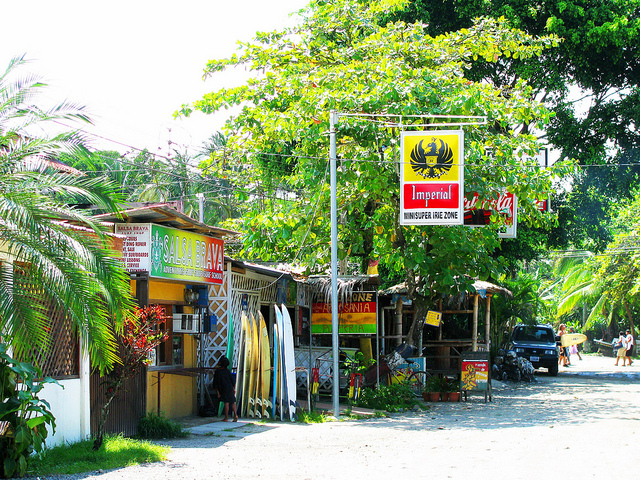
Puerto Viejo Costa Rica
The town of Puerto Viejo Costa Rica is famous (or infamous) for its seedy authenticity. Colorful fishing boats rock against a coral covered harbor, reggae sounds from nearby bars and restaurants, and sarong, jewelry, and souvenir vendors set up shop on the beach.
In town you will find the only banks and ATMs in the entire area. Bicycle rentals are on every corner and taxis are readily available if you do not have a car to explore other neighborhoods.
Every Saturday morning a large farmer’s market commences with raw cacao, fresh whole chickens, a wide assortment of produce, and fresh breads and pastries. Several grocery stores and various household stores offer most items you might need. Restaurants in town are the most populated and affordable, but the true culinary treasures lie in outer neighborhoods.
Accommodations tend to be less expensive but can be noisy as Puerto Viejo hosts several parties every night of the week.
Playa Cocles (1-3 miles from town)
Expats and vacationers looking for tranquility and proximity to town stay in Cocles. The beaches are sprawling and the waves can get enormous. These beaches are best for sunning and surfing rather than swimming. Beach Break is the most populated beach in the area and the only beach with lifeguards.
The one grocery store, Pirripli, has a good wine selection, special imports, and fresh produce. There are many restaurants to choose from including the famous Italian restaurant La Pecora Nera. The one luxury hotel in Puerto Viejo, El Cameleon, is next door and throws Reggae and Calypso parties on Friday and Saturday nights. Laid-back travelers will enjoy the beach bonfire party every Tuesday night at Tasty Waves in front of Beach Break.
Otherwise this neighborhood tends to be quiet at night.
Playa Chiquita (3-5 miles from town)
The moment you step foot in Playa Chiquita the community vibe becomes apparent. Expats from all over the world carry their children and groceries down the street, sit and sip coffee in darling open air organic cafes, and swim in the natural pools created by the coral reef. There is one grocery store, El Duende Gourmet, with specialty items like local homemade bread, quinoa, and sriracha. A small farmer’s market takes place every Wednesday morning offering local yogurt, bread, cheese, and produce.
Punta Uva (5-7 miles from town)
Beautiful beaches, elegant cabins, and incredible cuisine all grace the quiet jungle neighborhood of Punta Uva. This neighborhood is popular with long-term vacationers and families. Three of the best restaurants in the entire area are in Punta Uva: El Refugio for perfect grilled steaks and seafood, Selvin’s Restaurant with arguably the best Caribbean food in the world, and Pita Bonita with freshly baked pita and homemade falafel. The beaches are calm for swimming and snorkeling and are famed as some of the most beautiful in all of Costa Rica. Playa Chiquita nearby is a necessary stop for markets and cafes.
Manzanillo (7-10 miles from town)
The quiet Caribbean fishing village of Manzanillo rests along a rugged wildlife refuge with stunning wilderness beaches. Accommodations and restaurants are somewhat sparse in this area so having a car is essential. Maxi’s, the most famous Caribbean restaurant in the greater Puerto Viejo area, serves delicious meat and seafood and throws Reggae parties every Friday night. There is one small convenience store, but you will need to venture all the way to Playa Chiquita for a proper market. If you are looking for proximity to animals, peace and quiet, and do not mind the 10 mile trek to town, Manzanillo is right up your alley.
Whatever neighborhood you choose you will be near beautiful beaches and lovely communities. Weigh the pros and cons between proximity to town and peace and solitude for your best fit.

Situated in the northwestern province of Guanacaste, Costa Rica, Nosara is the kind of place you dream about at your desk while plucking away at your computer keyboard. And the beaches in Nosara are certain to be a part of that dream.
The lifestyle is relaxed, where you can fill your day with yoga, surfing, or visit one of the four beaches which emulate this laid-back, you-can-do-it-tomorrow lifestyle.
1. Playa Guiones

JP Clover
Playa Guiones is the main beach in Nosara and is known as the best place to surf. No one can really tell you when the surfers started to come, but it is clear this group can be credited for getting Nosara known, and help set the tone of the place, that it is far less about touristy activities and more about the simplicity of a beautiful beach and nearly perfect waves.
2. Playa Pelada
Mark LoCastro
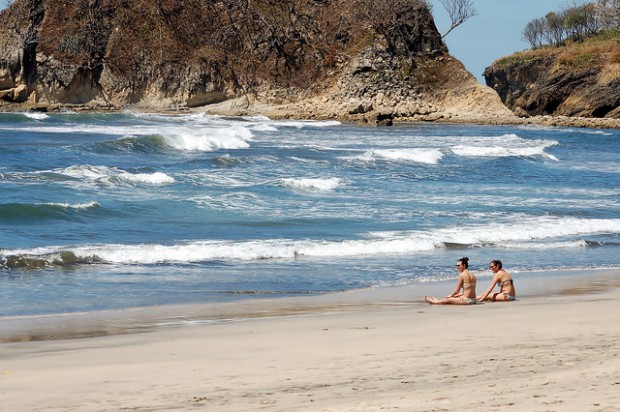
Want to take a great walk on the beach and hunt for seashells? Then Playa Pelada is the place. A rocky reef protects Playa Pelada, just north of the point, making it the local swimming hole and it’s the only other beach in town for swimming.
3. Playa Ostional
Organization for Tropical Studies
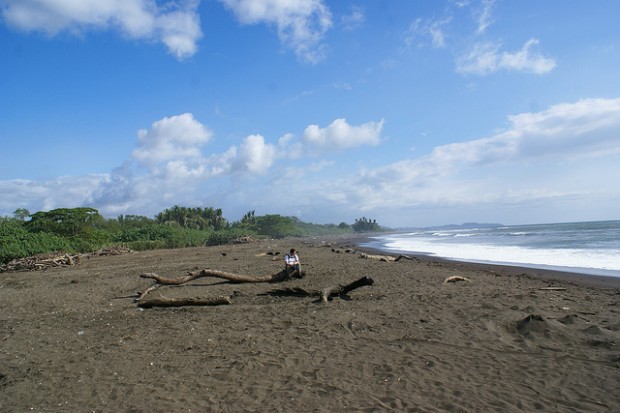
Playa Ostional is another of Nosara’s long and beautiful dark sand beaches. This is the place surfers come to ride the big, powerful and often hollow waves, but Ostional is probablay best known as one of Costa Rica’s most important turtle nesting sites.
4. Playa Garza

Micheal Banino
Take in the view under a shady palm tree, of white sandy beaches and calm blue waters at Playa Garza. If you get tired of lounging on the beach, take your chances with an activity on the water, as the beach is the main spot for sport fishing and boat trips.
What Are Your Favorite Beaches in Nosara?
Know of another great activity to do at one of the beaches in Nosara? Leave us a comment in the section below!

The stunning nature, fertile land, and native super foods make Costa Rica an easy place to become health conscious. Expats looking to lead a healthier lifestyle have been planting their roots in Costa Rica for years, making healthy living even more accessible for future transplants. Here is why life just seems to be healthier down in Costa Rica.
Indigenous Health Foods
Some of the healthiest foods in the world grow naturally in Costa Rica.
Young coconut is cheap, plentiful and full of nutrients. The fresh coconut water contains vitamins and minerals, is incredibly hydrating, and has shown significant anti-ageing, anti-carcinogenic, and anti-thrombotic effects.
The tree fruit noni grows wild and is praised for its immune boosting effects and cancer fighting properties. Concentrated fermented noni juice is available in most pharmacies, farmer’s markets, and in some healthy cafes.
Antioxidant rich cacao and coffee farming is a huge source of industry. Fresh, local coffee is sold everywhere as well as dark, pure chocolate made with raw cacao.
Healthier Outdoor Activities
With national parks, volcanoes, rivers, and miles and miles of beach, Costa Rica is an outdoor lover’s playground. Being fit and having fun could never be easier. Surfing is an extremely healthy form of exercise and is a huge part of the culture in Costa Rica. Calmer bodies of water allow for paddle boarding and kayaking. The many national parks, mountains, and volcanoes make for great hikes, or one can simply take long walks and runs on the beach.
Established Yoga Community
The influx of expats has spread yoga all over the country. Most towns have at least one, if not several, studios offering daily classes. In addition to burning calories, building strength, and improving flexibility, yoga facilitates in digestion, detoxification, and stress release, making it a holistic form of exercise.
Organic Cafés, Stores and Farmer’s Markets
Local food in Central America is delicious and a must-try for a cultural experience, but it is certainly not the healthiest cuisine. Unlike many other Central American countries, health food is very accessible in Costa Rica. Most towns have organic vegetarian cafés, shops selling all natural products, and farmer’s markets with organic local produce, cold pressed coconut oil, and raw foods.


It’s as Beautiful as They Say
There is a very good reason Costa Rica has enjoyed its spot as a number one tourist destination and settlement area of choice among retirees for years. Apart from an accommodating residency plan, a stable government, and ease in exchanging the dollar for the colon, one of the facts about Costa Rica is that, for a country not much larger than the size of Vermont, it has one of the most diverse environments and climates imaginable.
Those who live there and those who visit, rave about the explosions of colorful birds that decorate the sky, and the exquisite flowers creating equally colorful explosions across Costa Rica’s virulent landscape. People come to Costa Rica not only for its magnificent mountains, studded with volcanoes, its rain forests and sparkling beaches, but because of Costa Rica’s progressively greener policies.
Quick Facts about Costa Rica Geography
The diversity of its climate is due to its structure. The central spine of Costa Rica contains a range of towering mountains, divided into the Cordillera Central, and the Cordillera de Talamanca. These mountains separate the Pacific Ocean and Caribbean Sea watersheds, on the tapering Central American tail, measuring no more than approximately 100 miles across at its narrowest point.
The tallest mountain in Costa Rica is located in the Central Range, the active volcano, Irazu, at 11,259 feet. Three other active volcanoes nestle within the Cordillera Central Range, although most of the 67 volcanoes in Costa Rica are dormant or extinct.
Although Costa Rica enjoys twelve hours of sunlight per day, with a mean average temperature of eighty degrees, the temperature can rapidly grow cooler in the higher elevations. Travelers using the mountain passes are advised to have layered clothing; shorts and tee-shirts for the central plains, sweaters and long pants for the elevations. During the rainy season, they are advised to carry rubber boots.
Costa Rica’s Bio-Diversity
The various micro-climates of Costa Rica create the perfect setting for bio-diversity. Nearly five percent of the world’s bio-diversity can be found in this tiny country. Of its 12,119 species of plants, 950 are unique; native only to Costa Rica. It also has over 100 native trees and 1,400 types of orchids.
The combined numbers of various birds, freshwater fish, amphibians, reptiles and mammals equal over 1,700 species. Because Costa Rica understands its role as stewards of such a unique heritage, in recent years, it has placed into practice some very progressive and successful, environmental laws. In 2010, it was named the winner of the Future Policy Award at the global summit on bio-diversity held in Nagoya, Japan.
Facts about Costa Rica’s Entrance as an Environmental Leader
 Costa Rica has been making conservation history. Although it had taken substantial losses in deforestation, Costa Rica passed a National Forestry Law in 1969 to initiate recovery from the environmental damages. The policy was slow in gaining headway. Due to the insistence by the World Bank and the IMF to increase agricultural exports to service their debt, Costa Rica lost an additional 29% of its forests to cattle ranching and farm cultivation between the years 1970-1980.
In 1996, Costa Rica attached a “payment for environmental service” program to its Forestry Law. Land-owners were compensated for the benefits gained by society as a whole for maintaining sound environmental practices. Taxpayers’ benefits included the provision of fresh water for consumption and hydro-electric purposes, the mitigation of green house gasses, and the protection of bio-diversity for the purposes of research and the preservation of its natural beauty.
Costa Rica currently has 25 National Parks and 58 wildlife refuges. Combined with its forest reserves and protected zones, 27% of its national territory is now under environmental protection laws.
Eco-Tourists Love Costa Rica
The pay-out for recovering its wilderness lands wasn’t immediately economical. One of the interesting facts about Costa Rica is that, lacking a military, it can pour a great deal of its tax base into other programs. However, Costa Rica suffered its own years of inflation, with a 20% poverty level that had not been reduced in fifteen years, despite urban growth. It actually fell from 28th place to 47th in the Human Development Index between the years 1990 and 2005.
In the last few years, however, it has seen a thriving industry in eco-tourism. This has caused a trickle-down effect, stimulating the economy as a whole. The towns close to the national parks are directly benefitted as tourists use the services of hotels, restaurants, transportation, and handicraft shops.
Swinging from the Trees
More than one quarter of Costa Rica is covered with rain forest. Since rain forests have very dense brush, as well as a high canopy of trees, hiking through one can give you the feeling you live in a shadow world as a hobbit who has lost his way into his village. Costa Rica, however has a solution for this. The hiking trails often contain walkways or skywalks and bridges, so you can walk above the tree canopy for some spectacular views of the tumbling forest below you.
For the truly adventurous, there is the canopy tour. First developed by U.S. scientists who wanted a way to study trees without disturbing the plant, insect or animal life, the canopy tour consists of platforms built into the strongest trees, with a zip line strung between them. Tourists may then swing from tree to tree throughout the forest with the use of a harness. Canopy tour operators can be found within all the national forests of Costa Rica. There are some risks, however. Occasionally, an operator will use broken or substandard equipment, so it’s best to know something about the sport before zip-lining.
The Not So Green Facts about Costa Rica
Costa Rica’s early urban and agricultural development were largely responsible for the critical deforestation experienced before the 21st century. Agriculture continues to be the biggest threat to Costa Rica’s green image. According to the World Resources Institute, Costa Rica is the biggest importer of pesticides in the world. The use of pesticides has been concentrated enough to pollute crucial waterways enough to even cause chemical poisoning in humans.
Experts state that the reason is because Costa Rica has not yet created a strong agricultural policy for the education and use of organic techniques. Farmers still rely on the methods used by corporate farmers, applying the same pesticides to their land over and over again.
Another issue that has erupted to the surface is the proposal to remove 1,000 hectares of the Rincon de la Vieja National Park for the development of a geothermal energy plant. Opponents state the project would disrupt the eco-systems within this National Heritage Site.
The Sustainable Future
Although eco-tourism has become one of Costa Rica’s biggest industries, Costa Rica cannot ignore the needs of its inhabitants. Agriculture continues to be a major export, and energy solutions still need to be addressed. Costa Rica’s challenge will be in finding ways to balance their ecology with development, but the good news is, typical of Central American thinkers, Costa Rican leaders view challenges as a means of exercising innovative thought. Considering the policies they’ve already implemented to make Costa Rica both a green and thriving economy, their problem-solving methods are sure to continue to gain global acclamation.
If you are one of many North Americans searching for the best place to live in the world, but don’t know where to begin, then these rankings are for you.
In this inaugural retirement power rankings, I have put together a comprehensive grouping based on the most important criteria for living a happy overseas life.
While most of Central America has a warm tropical climate and a relatively low cost-of-living, each country, city, and town is different and will have something unique to offer you.
To help narrow your search, I have ranked 15 of Latin America’s top destinations based on the combined criteria of value, beauty, ease of access, and healthcare, and quality of life. The number one selection meets the most of the chosen criteria.
So move through the ranked cities and towns, determine which attributes are most important to you, and begin compiling your own list of possible destinations as you search for the best place to live in the world and the perfect spot to call home.
1) Cuenca, Ecuador

Photo: Bill Grenn
Nestled in the Andes and surrounded by four sprawling rivers, the friendly city of Cuenca, Ecuador has become the best place to live in the world for many expats. Cuenca is the ideal retirement spot for expats who like having large city amenities like bars and shopping malls at their fingertips, while living in a tropical environment.
The cobbled streets and historic architecture make Cuenca look like a snapshot straight from a European postcard and the vibe of the city allows expats to live like they would in Paris or San Francisco, but at a fraction of the cost.
A city of 500,000 respectably, Cuenca locals are extremely welcoming of North American expats and many of the people and store owners speak English, making it easy for expats to settle into Cuenca life.
The perfect place to retire or even to raise a family, this artisan community promotes education (there are 8 universities in Cuenca) and has a good health care system comprised of 18 hospitals and medical centers. Time will tell if Cuenca can last atop the ratings or become a passing fad.
2) Boquete, Panama

Rita Willeart
Boquete is the old Cuenca, and other than being slightly more expensive and a bit smaller, it’s still an incredible option and one of the best places to live in the world.
Known as the valley of flowers and eternal spring, Boquete makes its home in the Panama highlands at an elevation of 4,000 feet, which allows it to avoid some of the humidity that can be found in other areas of the country.
Bursting with exotic flora and accented with rainbows that appear frequently as a result of the bajareque (light rainfall that comes down from the mountains with the north wind) the scenic beauty of the surrounding area of Boquete is truly a sight to be savored.
A town of 20,000, but only a 30 minute drive from the Chiriquí capital of David, in Boquete you can relish in the small town life. The downtown area is not the most attractive place in the world, but its good food and ease of living make up for it in spades.
Hike, rock climb, horseback ride, and experience the culture of the local Ngobe-Bugle people as you learn to enjoy what several others have already learned: this is a great place to live.
3) Nosara, Costa Rica

Photo: Jason Ewa
A small town located in the Nicoya Peninsula, on the northwest Pacific coast, Nosara is a well-known surfer’s and Yoga paradise.
Nosara is the highest ranked beach area on the list, and it has a fighting chance to be a contender with all its offerings, but its Achilles Heel is that it can be a little expensive. Comparable to the cost of living in many U.S. towns, Nosara is not for the budget-minded.
People come to Nosara to soak in the small beach town vibe, and with a two and a half hour drive to Liberia, a four hour drive to San Jose and an undeveloped road leading into town, the town remains remote.
Yet, despite its remote location, Nosara is filled with expats who think of this as a benefit. There isn’t much for local culture and Nosara can actually feel like an English-speaking town.
But what Nosara lacks in local culture, it makes up for in natural beauty.
With four miles of white sand beach of Playa Guiones and access to Playa Pelada (a bordering neighborhood of Playa Guiones), for many expats, Nosara is a little slice of heaven.
4) Roatan, Honduras

Photo: Matteo Tarenghi
Not everyone wants to live on an island, but this place is well worth it even with the negative headlines often received by the country of Honduras.
Retire in Roatan, Honduras, and spend each day enjoying the unspoiled beaches and crystal blue ocean without having to worry about the crowds like you do in other parts of Central America.
The largest bay island in Honduras, Roatan is only a 2.5 hour flight from Houston, Texas, making it beautiful, as well as convenient.
And while it isn’t yet choked with tourists and expats, it may not remain a retirement secret for long. In 2011, Island Magazine named Roatan the number one island in the world to retire to and with so many amazing islands out there, that is definitely a bold statement. Because of this it comes as no surprise that many expats consider Roatan to be the best place to live in the world.
There is an established expat community in Roatan and getting residency is quite simple. You can be granted a retirement Visa as long as you can prove an annual income of $1,500 a month, which makes settling down in the paradise of Roatan, a very achievable dream.
5) Granada, Nicaragua

Photo: Soul Surfer
Described by some as one of the world’s best retirement destinations, in Granada, expats can set out the welcome mat in a luxurious and affordable colonial home that would have cost them an arm and a leg back in the states.
In fact, a couple can live well in Granada on a budget of around $1,200 a month.
With temperatures that hover in the 80s throughout the year and the cool breeze that blows in from Lake Cocibolca, the weather in Granada is ideal and definitely a huge draw for many North American expats.
Granada also has one of the safest communities in Nicaragua, around 1,000 expats already living in town and best of all, it will only take a two hour plane ride from Miami, Florida, to make the trip down. The only knock on Granada is that it can be perceived as a little gritty, the streets are not pristine as are other colonial cities of the region. This shouldn’t stop you though, Granada is really good value and not a huge compromise.
6) Ambergris Caye, Belize

Photo: Viv and Jill
Belize is gaining popularity with expats and tourists alike, not only for its tropical rainforests and Caribbean beaches, but also because it’s a democratic and English-speaking nation that is very welcoming of visitors.
You may know already that John MacAfee, the notorious software developer, chose to live here and could have chosen anywhere else in the whole world. (Look it up on Google if you missed this story.)
Ambergris Caye is the largest island in Belize and the island’s only town, San Pedro, is known as the dive and water sport capitol of Belize.
The island is also home to the second largest coral reef system in the world and this magnificent reef lies a half mile east of Ambergris Caye and runs along its entire 25 mile length.
Retirees that come to Ambergris Caye will enjoy the mild climate, the beautiful beach setting and the colorful blend of cultures, from Creole to Mayan, as they kick off their shoes and sink into island living.
7) Lake Atitlan, Guatemala

Photo: Simon and Vickie
Let’s just get this out of the way, I know the lake is polluted but this still doesn’t change the fact that this little town is an awesome place to live. The area is completely unique in terms of what is offered combined with the incredible opportunity to live around an amazing indigenous culture.
The deep basin of Lake Atitlan was the product of one of the strongest volcanic eruptions in history.
This vast, blue body of water is set against a backdrop of three volcanoes and is surrounded by twelve indigenous villages, many of which are still inhabited by the local Maya.
Expats come to Lake Atitlan to get away from it all and with a two and a half hour drive to Guatemala City and Antigua, life in Lake Atitlan can definitely feel tranquil and remote.
Like many areas in Central America, expats coming to Lake Atitlan can expect to live comfortably on a small budget, but with so many villages and each with a different standard of living, prices will fluctuate, so be sure to shop around.
If you choose life on the lake, get ready to enjoy the simple things in life. Take a walk to the local market to stock up on fresh food and hand-made crafts, hike the mountain trails, or simply stretch out in a hammock and watch the sun set on the water.
8) Escazu, Costa Rica

Photo: Alex Centeno
Costa Rica remains, without a doubt, the most popular Central American destination, and for many, it’s considered the best place to live in the world. After one visit to this tropical paradise, it isn’t hard to see why.
This suburb of the capital city, San Jose, can be found tucked in the Central Valley and is the best place to retire in Costa Rica for expats that want every service available.
Encompassed by lush mountain views and several choices for living and eating, Escazu can offer expats the best of both worlds, gorgeous weather, while living in an urban environment.
While Escazu is more expensive than other areas in Costa Rica, it remains cheaper than urban life in North America and a couple can still live comfortably on a budget of around $2,500 a month.
And with a strong expat community and big city amenities like great restaurants, shopping malls, and an excellent and affordable health care system, it’s no wonder many expats are choosing Escazu.
9) San Juan del Sur, Nicaragua

Photo: David Amsler
Because of this popularity, the town has experienced some economic development in recent years and improvements have been made both to the waterfront and to the central park area.
In San Juan del Sur expats can live the beach town life complete with great restaurants, exciting bars and even language schools. There is also a growing alternative scene that does appeal to people who care about the environment and values things like creating your own solar power.
To make your way down to San Juan del Sur, you can hop on a bus from Managua to the municipal markets of Rivas and then board another bus that will take you on to your possible retirement destination. Nicaragua is a very poor country, but don’t let this get in the way of at least exploring it as an option. If you do, you might miss out on something great.
10) Antigua, Guatemala

Photo: Michael Swigart
Picturesque Antigua is a modern city that is rich with history. This 16th century city was founded by Spanish colonists and is filled with colonial style homes and cobblestone streets that simply beckon you to get outside to enjoy the city’s charms.
One hour from Guatemala City, Antigua has a population of 30,000 and while the cost-of-living here might be considered high for Guatemala, the prices are cheap compared to anything you might find in North America of a similar caliber.
Of course, the costs again will vary depending on what you are looking for. While a large, fully restored colonial home near the city center might cost anywhere from a few hundred thousand to a million, there are many lovely smaller homes that can be purchased for under $100,000 or even $50,000.
And with clean, well-preserved streets (the government makes preservation a priority) and no serious crime problem, in Antigua you can feel safe and comfortable as you explore your new home.
11) Panama City, Panama

Photo: WLT
If you like Miami but feel like there are not enough people who speak Spanish, then Panama City could be the perfect solution. With its ultra modern skyline and true metropolitan feel, Panama City offers a unique lifestyle only compared to a Miami Vice breed of Miami.
Hailed as Central America’s most affordable capital city, Panama City is definitely a city on the rise.
With an excellent business climate, Panama is the prime location for expats looking to put their money and live an urban life. Panama’s renowned privacy laws are no doubt a draw for individuals who value privacy but want to live in a very modern city. The established expat community and many expat-run businesses can provide the comforts of home, in a unique and modern tropical setting.
12) Cotacachi, Ecuador

Colleen Taugher
Slow down and live the small town life in Cotacachi, Ecuador, a town of only 9,000 that continues to be relatively undiscovered by expats.
This remote mountain village is hidden between a pair of volcanoes, but is only two hours from busy Quito, Ecuador’s capital city.
In Cotacachi, you will have the unique opportunity to really immerse yourself in the rich culture of the Quichua people, who live side by side with expats and continue to dress in their traditional garb. You can even walk along Lake Cuicocha and witness local Quichua shamans performing cleansing rituals on the serene shores.
Known for hand-crafted leather goods and local markets, Cotacachi is for expats who really want to live and experience authentic Ecuadorian life, but still have a great leather hand bag.
And while there is a medical clinic in town, most residents will make a trip to the nearby towns of Otavolo or Ibarra, or even Quito for any major medical procedures.
13) Playa Papagayo, Costa Rica

Photo: Josie MacDonagh
Bar none, the greatest option for the ultra-wealthy.
In the province of Guanacaste on Costa Rica’s northwest Pacific coast there is a retirement spot that not many know about.
If you are looking to retire in a luxury beach location, the community of Peninsula Papagayo just might be your best option.
This area is the country’s highest profile development and will cover 2,300 acres with 15 miles of coastline.
Currently in Papagayo, there is a Four Seasons Hotel frequented by Brad Pitt, and over 300 condos. Playing 18 holes on the local course has been compared to a life-altering experience.
14) Boca Chica, Panama

Photo: David Curry
If you crave the serenity of island living, without the bustle of large scale beach resorts, look to Boca Chica to find your perfect match.
Boasting some of the most pristine beaches in Central America, Boca Chica can offer retirees many private island settings with a growing expat community that is not yet overly congested with tourists.
Resting against the Pacific Ocean, in Boca Chica you can live out your golden years fishing, snorkeling, scuba diving, and taking advantage of the outstanding national marine park in the near vicinity.
The Chiriquí Gulf National Park is comprised of islands and sea and is filled with white-tip sharks, rays, and sea turtles. You can also visit a white sand, palm-lined beach and expect to see no one else.
15) Canoa, Ecuador

Photo: Patricio Lopetegui
Located along the dry looking northern coast, Canoa, Ecuador is the ideal spot for expats that small town living in place with personality.
Recognized as a water sport hot spot, in Canoa you will spend your days surfing, paragliding, kayaking or simply walking along the stretch of unspoiled shore.
A burgeoning expat community can be found in Canoa (made up of more residents than investors) and the town is steadily continuing to expand as more westerners learn what South Americans already know about this Ecuadorian gem.
The town now has a bilingual elementary school and more expat-run restaurants and businesses, but despite this development, the prices are low and the adventure is high.
So where is the best place to live in the world?
With so many amazing spots to choose from, it might take some time before you make a final decision on the best place to live in the world.
Don’t rush into buying, rent around and test the waters in a couple different areas before settling down for the long haul in your own personal paradise.


Nosara is famed for its incredible yoga classes, retreats, and teacher trainings, epic surf breaks, and jaw-dropping sunsets. But what else can you do in Nosara? Here is our list of some lesser known, though extremely worthy, things to do when in Nosara, Costa Rica.
Take an Off Road Adventure

Photo: Howling Monkey Adventures
Howling Monkey Adventures leads groups on tours of Nosara’s hidden beaches, jungle wildlife, and mountain terrain… from behind the wheel of a TOMCAR. You drive the vehicle yourself for some adrenaline pumping adventure, along with tour guides who lead you to the best places. Custom tours can be designed for groups, and they provide a wide variety of options.
Nature excursions lead you deep into the jungle to spot howler monkeys and other wildlife, surf tours take you to the best surf spots on the Pacific Coast like Witch’s Rock, Playa Hermosa, and Pavones, and sunset tours go in the mountains for expansive views and night jungle observation.
Go on a Canopy Tour

KP Tice
There is no denying that canopy tours are one of the most popular activities in Costa Rica. Monteverde and Arenal are among the most famous places in the country to fly through the trees on a zipline, but Miss Sky Canopy Tours in Nosara actually has the longest tour of its kind in the world with over 11km of line.
It’s also likely the safest in Costa Rica as all lines are doubled which goes beyond the national safety standards. Enjoy wildlife and sweeping views of waterfalls, rivers, and the ocean while getting some thrills high above ground. The tour includes 21 runs, a stop at a waterfall for a cool swim, and a final stop on the top of a five story building with a disco bar at the top.
Paddle Boarding in Mangroves

ST Flight
The biological diversity of mangrove forests is truly magical. They support marine life by feeding fish with their dried leaves, house land animals like birds and crabs, filter toxins with their roots to protect deep seawater from contamination, and stabilize soil to prevent land erosion.
Nosara is home to many stunning mangroves and stand up paddle board tours make it possible to explore on water at your own pace. Experience Nosara has tours that run along the Rio Montana and Rio Nosara through mangrove tunnels and hidden trails that lead to Playa Nosara. You will spot amazing wildlife while essentially walking on water around the mangrove’s watery perimeter.
Explore the Rio Nosara in a Kayak

Chris Goldberg
Experience one of Costa Rica’s most beautiful rivers deep in the jungle inside of a kayak. Wander through mangroves, observe wildlife, and possibly spot some crocodiles. Guided tours allow you to see animals up close and personal while getting some great exercise. Drifter Kayaking leads 3-4 hour long tours where they take you down the Rio Nosara identifying wildlife along the way.
Help Baby Turtles at the Ostional Turtle Refuge

Liz
Imagine watching thousands, perhaps hundreds of thousands, of baby turtles scamper from their nests towards the ocean as an important right of passage. Year round, turtles come out from the sea to lay their eggs on the sandy shore of Playa Ostional, a couple of miles from Nosara. About a month and a half later the eggs hatch and baby turtles run to the ocean to begin their lives as turtles.
This incredible sight is called an “arribada”. While you can watch turtle nesting year round, the peak season coincides with the rainy season from July to December. Observers can come to simply marvel in the incredible spectacle, or volunteer to help the turtles make it to shore by protecting the hatchlings from vultures and dogs.
The ranger station is open from 8 a.m. to 4 p.m. and guided tours are available with park employees. However, the best time to observe is often in the middle of the night between 8 p.m. and 4 a.m. a few days before the new moon. Flash photography is prohibited so stay as the sun comes up. Contact the Asociacion de Desarollo de Ostional for more information.
Take a Nature Walk in the Nosara Biological Reserve

Bob Cotton
Explore the beautiful flora and fauna in the Nosara Biological Reserve on a self-guided hike. On this 35 hectare private reserve on the southern side of the Rio Nosara, it is possible to spot monkeys, coatis, armadillos, deer, wildcats, and 270 species of birds. The hike takes about two hours and early in the morning is the best time for bird sightings.