


Alecsey Boldeskul
So, just how extensive is your knowledge of important Costa Rica facts? If you’ve ever visited the country (or know anyone who has), then you likely know it’s an incredibly beautiful place that’s rich in biodiversity and committed to environmental sustainability.
And you’d be right. But what about some of the less-obvious information about this popular expat destination? Read on for a brief overview of some of the behind-the-scenes Costa Rica facts.
Costa Rica’s History, from Columbus to Calderon
Costa Rica and its natives were discovered by Christopher Columbus in 1502 during his fourth and final trip to the Americas. He found the area’s roughly 400,000 inhabitants to be quite friendly and immediately returned to Spain to proclaim of the region’s beauty and wealth.
However, when later explorers came, they failed to encounter the same riches and easy-going natives. Instead they found mosquito-borne diseases, fierce heat, angry locals, and even marauding pirates. As a result, little gold was ever mined from Costa Rica. Instead, the area was mostly used for farming and a permanent settlement was not established until 1563 when Cartago was founded in the cool and fertile central highlands.
As a result of disease and conflict with the Spaniards, much of the indigenous population was wiped out. The Spanish settlers, rather than work the land themselves, began to immigrate to the Americas where native servants were more plentiful. However, the colony continued to exist for another 250+ years.
While Spain was defending itself against France, Mexico launched a war for its independence in 1810. The other colonies of Central America followed suit, and Costa Rica officially declared its independence on September 15, 1821. Initially part of the United Provinces of Central America, a federation which eventually dissolved, the nation proclaimed its complete sovereignty in 1838.
Costa Rica thwarted the invasion attempts of William Walker, a North American southerner who wanted to annex Central America and make it a slave state. It also struggled from time to time with military rule, although with much less violence than its Central American neighbors.
Civil war erupted in 1948 when the defeated presidential candidate Rafael Angel Calderon refused to concede to the newly elected Otillio Ulate. After a two-month conflict, Jose Figueres assumed temporary leadership of the government. A new constitution was ratified in 1949. Its provisions included the dissolution of the country’s armed forces, in an attempt to prevent future civil wars.

Sara Hopkins
Costa Rica’s Regions, from Coast to Coast
Costa Rica is known for its distinct and varied eco-climates. The country is divided into several very distinct and different regions, and each varies greatly in its topography, climate, population density, and many other factors.
Pacific Coast
Costa Rica’s Pacific Coast is its most extensive. Even though it’s often rugged, with thickly forested mountains ending abruptly at the sea, it’s still mostly accessible. It’s divided into four main regions.
-
Guanacaste: Located on the northernmost end of the Pacific Coast, this region contains many of the country’s most popular beach towns. There you’ll find a number of luxury resorts, as well as long stretches of deserted beach. This region is the driest in the country, comparable to the climate of west Texas.
-
Nicoya Peninsula: South of Guanacaste, this region is similar to it in many ways. It is, however, a bit less accessible and–as a result–somewhat less developed and crowded (although that’s beginning to change). The climate is also similar although it gets more humid as you move further south.
-
Central Pacific Coast: The most accessible of Costa Rica’s coastline, the central Pacific coast also has a lot of resorts and hotels. It’s quite popular among young surfers, as well as local Costa Ricans seeking a weekend getaway.
-
Southern Zone: This region is the country’s most remote and undeveloped. Hot and humid, it contains dense rainforests, protected areas, and rugged stretches of coastline. Other than a number of nature lodges and a few ecotourism outfits, it’s largely uninhabited.
Caribbean Coast
Costa Rica’s Caribbean coast is more or less divided into two equal parts. The northeast section is a large flat plain covered in rivers and rainforests, most of which is only accessible by boat or small plane.
Further south are a few beach towns that, while popular, have few large hotels or resorts as of yet. Like its Pacific counterpart, the southern Caribbean coast can be rainy, particularly from December to April.
Inland
The inland areas of Costa Rica are characterized by mountains ranges, three in all, that run from northwest to southeast. These mountains include several volcanoes, some of which are still active. Between them are fertile valleys, with the largest being the Central Valley.
Home to the capital city of San Jose, this area enjoys a mild spring-like climate year-round. The rich volcanic soil is perfect for farming, and coffee farms are prevalent. This region is densely populated.
The Northern Zone above San Jose also draws its fair share of tourists, despite the fact that it’s one of the few areas in the country without any beaches. Popular among those seeking nature retreats and extreme sports, it’s home to two of the country’s most active volcanoes, as well as Lake Arenal and the Monteverde Cloud Forest.

Camelia TWU
Costa Rica’s People, “Ticos” and “Ticas”
Unlike many of its Central American neighbors, Costa Rica has an extremely small percentage (<1%) of its population that are made up of indigenous tribes. Instead, a whopping 94% of Costa Ricans are of European descent, including mestizos or those of mixed European and native ancestry. Another 3% are black (many from Jamaica), and 1% of the population is Chinese.
Spanish is the official language of Costa Rica, although English is also widely spoken. Of those of faith, 76.3% are Roman Catholic. Evangelicals make up 13.7% of the population. There are also a significant number of Jehovah’s Witnesses, as well as those who practice a variety of other religions.
Local “ticos” and “ticas” (male and female, respectively) generally polite and friendly. They’re welcoming to foreigners and often go to great lengths not to offend anyone. The country also has a very well-established middle class, and its residents are mostly well-educated.
The Government of Costa Rica, a Peaceful Existence
Costa Rica’s government is a democratic republic, and it has enjoyed great political stability in recent decades. The country is divided into 7 provinces: Alajuela, Cartago, Guanacaste, Heredia, Limon, Puntarenas, and San Jose. It operates on a civil law system, based on the Spanish civil code. It also has an established system of checks and balances, with its Supreme Court performing judicial review of all legislative acts.
Its executive branch consists of a President and two Vice Presidents who are elected, on the same ticket, by popular vote. They serve a four-year term and appoint a 20+ member cabinet. The next election will occur in February of 2014.
The 57 members of Costa Rica’s Legislative Assembly are also elected by popular vote to serve a four-year term. The assembly elects a total of 22 Supreme Court Justices, who are divided into several chambers and serve eight-year terms.

Mike Baird
Costa Rica’s Economy, from Tourism to Technology
Costa Rica is a nation that had its beginnings in agriculture. Although it has drastically moved away from this direction as centuries have progressed, products such as bananas, coffee, pineapples, melons, ornamental plants, sugar, rice, and dozens more are still a vital part of the economy.
Tourism has long been Costa Rica’s largest source of revenue, as its beautiful beaches and endless opportunities for ecotourism are both plentiful. Other large contributors in the service industry are financial sectors such as banking and insurance.
Tourism is still huge, but in recent years industry has been gaining ground in Costa Rica, particularly in the technology field. Companies like HP and Intel have begun setting up operations there, largely in part due to the country’s high number of educated young people.
What’s more, its political and economic stability, coupled with its focus on education and health care, make it an attractive home for foreign companies. Products manufactured in Costa Rica include medical equipment, textiles, plastic products, and construction materials. Though in a country this beautiful tourism will always be a major player, it appears that Costa Rica is taking strides to diversify itself for continued growth and progress.
Costa Rica Facts and Figures
For those who like a bit more data, here are a few more Costa Rica facts and figures to show you how the country’s economy looks on paper:
-
GDP $45.13 billion
-
GDP real growth rate 5%
-
GDP (PPP) $59.79 billion
-
GDP (PPP) $12,800
-
Industrial production growth rate 6%
-
Unemployment rate 7.8%
-
Population below poverty line 24.8%
-
Revenues $6.506 billion
-
Expenditures $8.501 billion
-
Budget deficit -4.4% of GDP
-
Public debt 51.9% of GDP
-
Taxes and other revenues 14.4% of GDP
-
Inflation rate 4.5%
-
Commercial bank prime lending rate 18.21%
-
Current account balance -$2.556 billion
-
Exports $11.44 billion
-
Imports $16.75 billion
-
Reserves of foreign exchange and gold $6.857 billion
-
Debt – external $13.8 billion


Geekygirlnyc
The little town of Samara, Costa Rica, could be one of the country’s best kept secrets when it comes to vacation and expat destinations. Located on the western shore of the Nicoya Peninsula, Samara Beach is frequented by foreign tourists as well as native Costa Ricans looking for a weekend getaway. In fact, it’s a popular place for many wealthy “Ticos” to own a second home.
Although it has a healthy number of expats and foreign residents, many who own or operate tourism enterprises, Samara maintains a distinctly Costa Rican feel. Its 1500 full-time residents include mainly locals who work as farmers and fishermen.
Due to the quality of its beaches, Samara has long been a priority in the country’s efforts to increase tourism. It also helps that the town is accessible from three of Costa Rica’s four international airports. As a result, it began receiving government funding for infrastructure improvements long before popular favorites like Nosara and Guiones.
So, while, the last leg of the trip into Samara traverses some narrow, winding mountain roads, they are reasonably drivable. And they also offer some amazing views of the lush hillsides that abound in the region.
Samara, Costa Rica, has everything you need and nothing you don’t.

Geekygirlnyc
What awaits you when you reach Samara is really only one small road that runs perpendicular to the coast and dead ends at the edge of the pristine white sand beach. Along the road are a few handfuls of hotels, restaurants, and other businesses. Along the beach are a few more hotels and authentic feet-in-the-sand beach lounges and cafes.
There is a variety of lodging options ranging from inexpensive hostels (dorm-style or private rooms) to mid-range hotels, and they’re all small. There are no multi-story hotel complexes or all-inclusive resorts, so if that’s what you’re after you’ll want to go someplace else.
Restaurants serve all manner of cuisines such as Mexican, Spanish, and Thai. There are also plenty of options for special diets, with some restaurants specializing in vegetarian, vegan, and all-organic dishes.
Also present in the small village are banks, car rentals, supermarkets, and plenty of tour companies. And it’s all within walking distance, so you won’t need a car to get around town while you’re there.
Samara’s beach is award-winning.

Geekygirlnyc
Let’s be up front here. Samara is not actually the best beach in Central America. It’s the second best. Or so it was named in TripAdvisor’s most recent Travelers’ Choice poll. And it is breathtaking.
Samara is situated on a wide bay that’s shaped like a horseshoe. Out to sea lies a living coral reef, so the surf in Samara is gentle enough for relaxation but strong enough for some comfortable surfing. The water is also shallow, offering plenty of room for exploring. It’s populated with swimmers and surfers, and it’s great for kids.
The beach is wide, with white sand and an abundance of shady palms, and it stretches for over 3 miles. Because of the town’s size compared with its large expanse of sand, the beach always feels fairly empty.
The coast is dotted with cliffs and covered in tropical plant life. So, not only is the view to sea a spectacular one, but you’ll also love the view looking back towards the shore. The buildings are all small and blend effortlessly into the lush jungle, instead of standing out in stark contrast like a string of high-rise condos.
Samara Beach is also one of the cleanest in Costa Rica. It’s been awarded the ecological Blue Flag, which is bestowed on beaches that have taken measures to improve the safety and sanitary conditions of its water.
Samara offers endless opportunities for adventure.
In terms of land and sea adventure and exploration, Samara, Costa Rica, offers all the usual suspects. The shallow water makes for some great snorkeling, particularly in Cangrejal at the northern end of the bay where the reef comes all the way up to the beach. You can see starfish, manta rays, and a variety of colorful marine life.
At the opposite end of the reef is the island of Isla Chora, with its pink sand beaches, which is home to a wildlife reserve full of an assortment of maritime birds. You can reach the island by sea kayak, another popular activity in Samara. You can also take a kayak tour of the mangrove forests at the river estuaries of the Rio Buenavista or Rio Ora.
You can also try one of Samara’s most popular new sports, SUP. That’s short for Stand Up Paddle, and it’s exactly what it sounds like. You stand up on a large board, like a surfboard, and paddle! The conditions in Samara’s waters are very conducive to this activity.
Samara is also a great place for beginning surfers, and there are a number of professionals who offer lessons. Its waves are still high enough to entertain those with more experience, but if you need more of a challenge there are some bigger waves at Playa Camaronal, which lies a short distance south of town.
Costa Rica has some of the world’s best sport fishing, and the nearby port of Carrillo offers professional tours. In the area you can catch tuna, sailfish, marlin, and mahi mahi to name a few. There are also companies that offer boat tours where you can see dolphins and sea turtles and enjoy some great views of Costa Rica’s Pacific coast.
Samara also offers a number of activities for the land lover. You can ride horseback on the beach or to the Tobacco waterfalls. There are also canopy tours in Santo Domingo, which is just inland from Samara. You can also rent a bike or scooter and venture to some of the nearby beaches, like picturesque Carrillo.
If you’re looking for animals, there are plenty to see in and around Samara. However it’s difficult to find them in the wild. Nearby Carrillo also has an animal rescue center and gardens called La Selva. There they offer guided tours where you can see sloths, wildcats, cocodrilos, exotic birds, and more. The area also has a number of species of exotic plants, and there are a number of nature trails for hiking. There are also a few ancient Indian sites nearby.
For a little bit of culture, you can visit Samara’s lone art gallery, which has its own resident artist. There are also places where you can take Spanish, guitar, or dancing lessons. If you want to get in some exercise during your stay, you can sign up for aerobics or yoga. Samara can also accommodate you if you’re looking for a gym, spa, or even tennis courts.
You’ll come for the beach, but you’ll fall in love with the vibe.

Aan ‘Allein
Although it offers all the activities and amenities you’d expect to find in a tourist destination, the atmosphere in Samara, Costa Rica, is refreshingly different. There are a lot of laid-back beach towns in Latin America, but something just feels different about this one. Samara has developed a lot in recent years, but not so much that everyone there has forgotten what it was like before paved roads and reliable electricity.
Not to mention, it’s a working fishing village, and it’s bordered by farms. Not many beaches can boast of cowboys and cattle drives, but this one can. Combine that with fishing boats returning each evening with their catches, exotic fruit harvests, reforestation projects, and many other activities vital to Samara’s sustenance. This town has a lot going on! And it isn’t all about the tourism. It’s a much more authentic feel.
Add to that the fact that there are no chain hotels or restaurants. No thumping disco clubs. None of the gimmicks you find in a lot of beach towns.
Even the expats and tourists who come to Samara seem different. It’s not the same ancient hippie, retiree crowd. The folks coming to Samara are generally younger couples who are looking to avoid all of that.
And so far they’ve been successful. As of the moment, Samara, Costa Rica has not been plagued with all of the overcrowding, over-partying, and over-commercializing that many beach towns of its caliber have seen. We’re not sure why, but we hope it’s because the town has done a good job of attracting the right kind of tourists and residents, those who want to enjoy it for what it is.
It’s also possible that not enough word has gotten out about Samara to attract the number of people that some of its neighbors are drawing in. However, if the accolades continue to roll in, that’s sure to change. So, it’s possible that Samara could be looking at an approaching boom.
Either way, we suggest you check out this gem sooner rather than later. Just please don’t tell too many people about it.
Map of Samara Costa Rica
Samara, Costa Rica Fast Facts
- Population: About 3,800
- Typical temperature: An average temperature of 85 degrees
- Nearest airport with U.S. flights: Liberia International Airport
- Nearest U.S. consulate: San Jose

Emilie Hardman
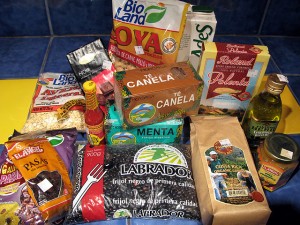
While not the cheapest place to live in Central America, Costa Rica still offers a considerable savings on most consumer goods when compared with their North American counterparts. Food is just one great example of the savings that await you if you choose to relocate to this beautiful expat haven.
Not only is the food inexpensive, it’s fresh, locally grown, and often free of pesticides and other chemicals. Many native Costa Ricans and expats alike place great emphasis on good health, so the available food selections reflect this lifestyle. You can find a North American candy bar if you try hard enough, but you’ll usually pay a hefty premium for these and other imported products.
The good news is that there are many local products that are often as good, if not better than the imported options. A variety of grocery stores are available, as are street vendors and farmer’s markets.
The cost of food, like any other expense, will vary greatly depending on your location and other factors, such as the quality or brand name you choose for each individual item. However, to give you a general idea of the savings, here’s a sample grocery bill that compares Costa Rica food costs against the price of the same item in the U.S.
|
Item |
Costa Rica |
U.S. |
% Discount |
|
Eggs, 1 dozen |
$1.60 |
$3.18 |
50% |
|
Sirloin steaks, 1 lb |
$2.34 |
$8.99 |
74% |
|
Milk, 1 liter |
$1.39 |
$3.19 |
56% |
|
Bananas, 12 |
$ .42 |
$2.36 |
82% |
|
Toilet tissue, 8 ct |
$2.50 |
$7.89 |
68% |
|
Toothpaste |
$1.17 |
$3.47 |
66% |
|
Watermelon |
$3.00 |
$5.99 |
50% |
|
Pineapple |
$1.00 |
$3.99 |
75% |
|
Rice |
$2.00 |
$2.82 |
29% |
|
Cheese, large round, 1 lb |
$2.70 |
$6.99 |
61% |
|
Lettuce, 1 head |
$1.00 |
$1.69 |
41% |
|
Spaghetti, 1 lb |
$ .80 |
$1.20 |
33% |
|
Coffee, 1 lb |
$2.96 |
$7.99 |
63% |
|
Loaf of fresh bread |
$1.25 |
$2.09 |
40% |
|
Potatoes, 5 lb bag |
$4.72 |
$4.99 |
5% |
|
Shrimp, 1 lb |
$7.27 |
$8.99 |
19% |
|
Chicken breasts, 1 kg frozen |
$7.96 |
$6.15 |
-29% |
|
Reese’s cup candy bar |
$1.40 |
$ .79 |
-77% |
|
Tomatoes, 1 lb |
$ .35 |
$1.99 |
82% |
|
Total |
$45.83 |
$84.75 |
45.9% |
That’s over 45% in savings on food costs in Costa Rica! And without sacrificing any quality, at that. In fact, many items are hardly even worth comparing, since Costa Rica’s coffee and fruits are far superior to North American ones.
You may have noticed that a few items are actually more expensive to buy in Costa Rica, like the aforementioned candy bar. Items that aren’t as widely grown or manufactured and have to be transported can sometimes cost a bit more. Another surprise is that seafood doesn’t represent a bigger cost savings. Costa Rica exports most of its seafood so, while it is cheaper, the difference isn’t a huge one.
Again, the cost of feeding your family will ultimately depend on your individual tastes and where you do your shopping. If you buy everything from your local big box supermarket, you probably won’t save nearly as much as if you employ some smarter shopping tactics. Get your fresh meats and produce from the farmer’s markets or your local butcher. Drive to the coast for seafood. Save the supermarket chains for staples like toiletries and packaged products.
No matter your lifestyle, you’re sure to be pleasantly surprised by the food selections available in Costa Rica. Your health will thank you. Your wallet will thank you.


Costa Rica Curious
We Did It!
For the past year and a half, my wife and I had been plotting. Plotting and planning and preparing and finally the day had come.
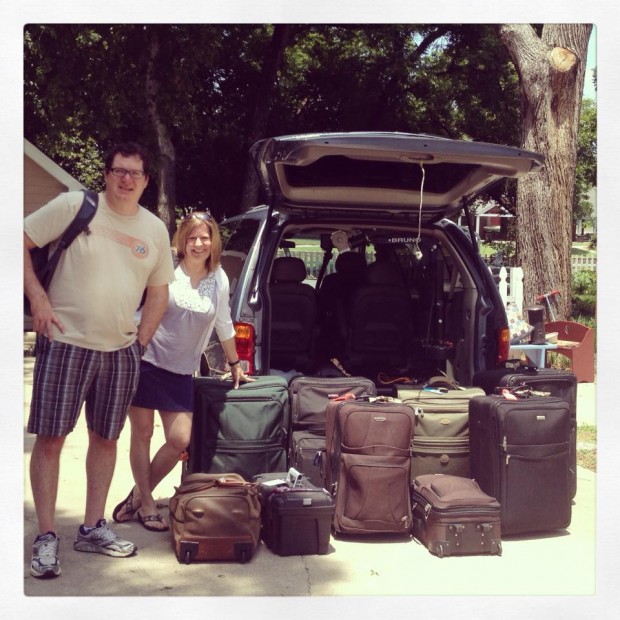
We did that thing that everyone talks about but, seemingly, no one ever does. We left successful careers and in our early 40’s, sold damn near everything: the cars, the grand piano, the too large for two people house, and whittled it all down to 9 suitcases and 2 backpacks, and moved to Costa Rica.
Our first 2 weeks in the country held some surprises, some of which were painful in more ways than one.
It’s a good thing I don’t believe in omens. On the day of our departure our 4 p.m. flight from DFW to SJO was delayed – we were told for 20 minutes. After 20 minutes it was delayed again…and then again. Then the flight was rescheduled for 6 p.m. At 6 p.m. the dinner vouchers were passed out as an apology for the delay.
It now seemed that too much time had passed for the original flight crew to be used, so a new one had to be summoned.
In the end, our 4:00 flight left at 9 p.m., very much impressing our ride, our new landlord, who was picking us up at the airport, now at 2 a.m. instead of 9 p.m. Pura Vida – right?
Excellent coffee and new friends: Days 1 and 2
Costa Rica Curious
Our first 2 days were filled with all of the new and shiny things of paradise; we had fruit trees in our backyard – various shades of citrus all just waiting for us to pick.
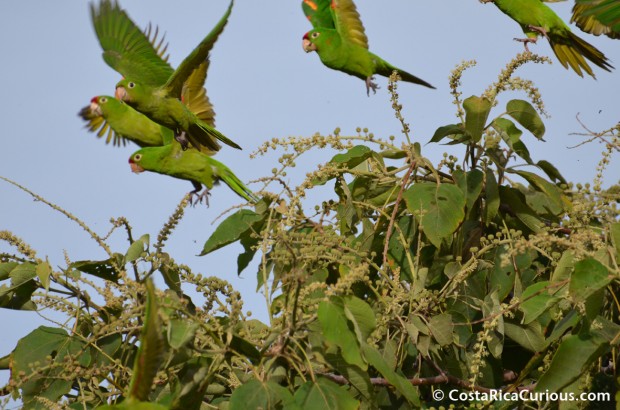
We made quick friends of others staying at the apartments and they showed us hiking routes with beautiful vistas, amazing birds, more fruit trees, and even an avocado tree that was bearing fruit.
The views from the pool allowed for glorious sunrises and coffee with our new friends each morning. These same friends eased our apprehension of getting on the bus for the first time by showing us the ropes and taking us into town.
Maybe I should have looked in my shorts first: Day 3
It’s a good thing I don’t believe in omens. The day started great as I opened the shades and wondered at the wondrous view. I walked to the kitchen to pour a cup of coffee that my wife had already brewed and, in preparation of our morning ritual of coffee with friends by the pool, I started looking for a pair of shorts to put on.
I find a pair but where was my belt? It was there in a pair of shorts on the floor. I sat on the bed, picked up the shorts and laid them on my lap to remove the belt.
That’s when it hit me.
Well, hit is the wrong word, stung – yes, stung me is the right combination. Even without seeing the culprit I knew what had just happened.
I had read about scorpions in Costa Rica and had wrongly thought that at the elevation we were living, 4700 feet, that scorpions were not around.
It looks like I was mistaken. More important than the pain of the sting on my thigh, which was similar to a bee sting, was this – what was I going to tell my bug-a-phobia wife? We moved to Costa Rica with Jen’s biggest concern being; not the language barrier, not being away from family and friends in the states and not knowing a soul here – no, it was (and still is), BUGS.
That’s right a bug-a-phobia and her husband chose the bug capital of the world to retire in.
After the split moral indecision, I threw the shorts on the bed and marched in the kitchen and told her what had just happened. I was very proud of myself for my moral fortitude.
Her response was unexpectedly rational. “You killed it, right?”
Oops, I got right that.
Shortly after the Scorpion King episode, we resumed our ritual of sitting by the pool, enjoying the company of newly met friends and conversation that had a bit more bite…er, sting to it.
Wifi was finally working, but it brought me some bad news: Day 3 continues
One of the luxuries that we refused to give up when we moved to Costa Rica is the iEverything suite of Apple products.
We brought iPads, iPhones, iPods and a couple of MacBooks and these were our communications center, at least if we could get them to work. Part of it was the wifi where we were staying going in and out, and part of it was just getting everything networked right.
Regardless, I did not see the text messages, the missed calls, or the FaceBook message saying to call my sister ASAP. When I finally was able to connect, I was informed via text message that my dad had passed away.
My dad had been ill for the past 2 years and very ill for the past year. This was a huge consideration when we were making our plans to move and we still chose to move. Now we were dealing with the ramifications of being in a new country, with not so great communication ability.
We finally got in touch via Face Time with my mom – probably would have been better if it were just a phone call – and were told of the plans being made for the funeral.
We just got here, but now I’ve go to back (for just a bit): Here’s how the rest of the week panned out.
costa rica curious
The balance of our first week, really 5 days, in Costa Rica was spent making arrangements to travel back to the States for a couple of weeks.
Making sure our all of our stuff here – mostly still unpacked – was kept safe and that we had a home to come back to. We found the most REASONABLE (see takeaway #3 below) flight back and began making plans for our return trip. I took long, solitary, walks. Cried a bit, drank a bit and waited to head home.
While the rose-colored glasses were ripped from our face that first week, I can’t imagine not being here in Costa Rica. We have since learned to expect the unexpected (and to shake out my shorts).
That first week we also learned a couple of things that are worth passing on; here are a few takeaways from our first week:
- It may make sense to upgrade to Business/First Class. For us it would have been a wash as flying coach we were allowed 2 free checked bags at 50#’s each. We paid a little over $550 for our checked luggage. Flying business class we would have been able to check 6 bags free with a weight limit of 70#. If you are moving here by luggage as opposed to shipping – do the math and fly to your new home in style.
- If (when) you get a scorpion sting, vinegar will take the stinging sensation away. Urine will do the same thing but I doubt you are going to pee on yourself or get someone to do it for you.
- Bereavement Flight Benefits only exists for domestic flights. If you are in a different country you are screwed not only having to pay for an international flight but having to pay for one that is scheduled same day or a couple of days away.
Editors Note:
At the age of 41 Greg Seymour quit his job and retired with his wife to Costa Rica, trading his business suit for a bathing suit. In addition to writing about his experiences in Costa Rica on his blog, CostaRicaCurious.com, Greg enjoys photography and getting to know his new home.

Robert Lesser
The capital of Costa Rica, San Jose, has been a popular destination for expats from all over the world for decades. With direct flights from its international airport to many U.S. destinations, access to plenty of stores, art museums, theaters, outdoor organic markets, and plenty of community events it has many of the conveniences of cities in the first world.
Being the capital city it also has the highest concentration of businesses, which is a big reason why many people live here. It’s not uncommon for expats to move to San Jose, Costa Rica for a business opportunity or a work transfer. One of the benefits of living in San Jose is that it is a major transportation hub for exploring the natural beauty of Costa Rica.
Here is a list of trips that are under an hour and half car ride from the capital city of San Jose that can be experienced in a day.
Limoncito Beach
Samilia
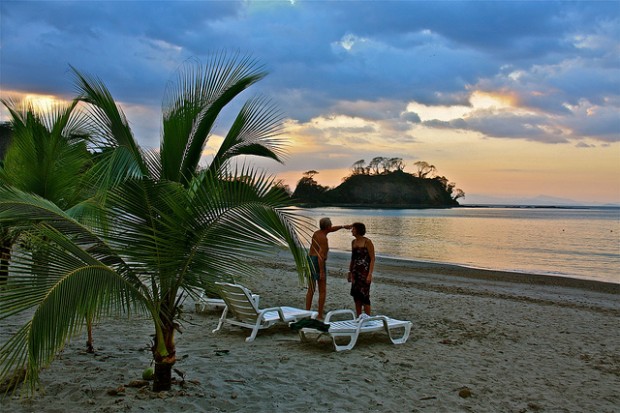
Costa Rica is world famous for its beaches, and the popular beach town of Jaco, just an hour from San Jose, brings vast amounts of tourists particularly from the United States every year. The town of Jaco has a mixed reputation and has been criticized for being overly commercial and North American.
People who are looking for the peace and tranquility of some of the less tourist-frequented beaches in Costa Rica but only have a day away from work to explore should check out nearby Limoncito beach.
Limoncito is just 15 minutes from Jaco, and less than an hour and a half from San Jose central. The landmark for this beach is a luxury hotel called Punta Leona, but day trippers can enjoy the secluded white sand tropical beaches on their own.
Avid surfers will enjoy the clean, fun, easy waves in nearby Jaco where most of the country’s surf competitions are held.
Poas Volcano

Nate Hughs
This active volcano and its surrounding national park is considered one of the most breathtaking sites in all of Costa Rica and is just an hour drive from San Jose.
The main volcano crater is a mile wide and is a dramatic site with a sulfuric pool that emits bubbles and smoke into the air and an exceptional view of the surrounding area. In the crater is a stunning blue-green lake called Botos Lake.
The park itself is dense with vegetation and wildlife. There are many species of birds including the quetzal, the hummingbird, and the black guan. Marmots, coyotes, rabbits, squirrels, snakes, frogs, and many insects can be spotted as well. The park is made of cloud forest, mountain rain forest, and of course the incredible craters.
On clear days it is possible to see both the Atlantic and Pacific coasts from the volcano.
This park can be revisited many times as there are 68 miles of trails through coffee plantations, flower fields, forest, and crater lakes. It makes a great escape from the city when you have a short amount of time.
La Paz Waterfall Gardens

Steve Stevens
On the slopes of the Poas Volcano in the Central Highlands are the La Paz Waterfall Gardens. In addition to the five incredible waterfalls, these gardens boast the largest butterfly conservatory in the entire world, a frog pond, hummingbird gardens, and more.
There are three kilometers of trail that wrap around the waterfalls for optimal viewing. At the end of the trail lies the hummingbird garden with 24 species of hummingbirds. The butterfly conservatory has butterflies flying freely and you can observe their entire life process. There is even a lake where you can fish for your own trout.
Irazu Volcano National Park
Richard May
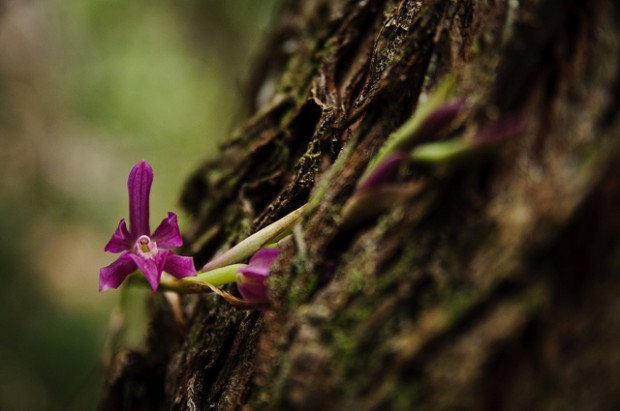
Another active volcano close to San Jose in Cartago, about an hour drive, is the Irazu Volcano and National Park. The park covers over 5,000 acres of immaculate primary, secondary, and cloud forest.
The volcano itself has several craters, but the most famous are the largest which is 900 feet deep and emits steam and the Diego de la Haya with a mineral rich lake that transforms in color from deep green to crimson red. From the top of the volcano it is possible to enjoy views of the Atlantic and Pacific Oceans.
The park terrain is rugged yet is still filled with wildlife including armadillos, foxes, owls, woodpeckers, coati, and hummingbirds.
Deciding to move to the city of San Jose makes exploring the incredible nature of Costa Rica a breeze. These are trips that can be done in a day, but if you have an entire weekend most places can be reached in three to four hours including some of the most beautiful beaches in the world.

Arturo Sotillo
Nationals and residents of Costa Rica seem to all share one integral thing: a deep love for the country that surrounds them. Native Costa Ricans, expats, and even travelers who have spent time in this land of monkeys, waterfalls, and surfing, speak about the area with deep admiration and pride.
Costa Rica has become one of the most popular places in the world for North American retirees and expats to relocate. What exactly is it about this beautiful country that lures people to pack their belongings and invest their lives there?
Here is our list of the top ten reasons that inspire many people to make the move to Costa Rica.
1. Stunning Nature Abounds
Costa Rica is literally covered in natural wonders. It has epic volcanoes with spewing lava that create natural hot springs you can soak in. It has tall mountains you can climb to see the Atlantic and Pacific coasts.
It has hundreds of miles of shoreline varying from black to pink to gold to white. It has dolphins and whales for you to watch on and off shore. The sea varies from enormous waves for exciting surfing to calm and still for snorkeling and diving.
The land is covered in old growth trees, swaying palms, and beautiful flowers. Rushing rivers and waterfalls flow through mangrove forests or reveal themselves deep in the jungle.
Animals take refuge in the lush landscape and the Osa Peninsula is one of the most biodiverse places in the world. Howler monkeys live in the trees in your backyard. Sloths cross the road causing traffic jams. Toucans and scarlet macaws fly over your head.
Costa Rica is easily one of the most magical and beautiful countries on Earth.
2. Great Healthcare is Affordable
Healthcare is top-of-the-line and inexpensive, which has brought a new kind of tourism to the country: medical tourism. Hospitals in the capital of San Jose offer world-class care. Procedures including dental work, surgeries, and more are available at a fraction of the cost of the U.S. and are extremely high quality.
Costa Rican citizens receive free healthcare and residents can pay a low fee to join the national healthcare program. Private healthcare plans are incredibly affordable starting at around $50 per month. Even the out-of-pocket medical costs for those with no coverage is staggeringly low compared to the U.S.
3. Comfortable Climate Year Round
While there is a distinct wet and dry season in most of the country, temperatures on both coasts average between the high 70s and low 80s year round. Even in the rainy season there is typically some sunshine every day. This comfortable weather allows you to enjoy outdoor activities and nature every day of the year.
4. Its Proximity to North America
The capital city of San Jose is an airport hub for flights to North America and has inexpensive, direct flights to major cities in the U.S. including Houston, Fort Lauderdale, Boston, and New York. These flights often cost less than national flights across country. This makes it easy to stay close to family, have visitors, and run home to stock up on certain comforts that can’t be found in Central America.
5. The Established Expat Community
Because Costa Rica has been popular among expats for years it has a well-established supportive community in most of the coastal towns as well as in San Jose. These communities have created excellent schools for children, health-focused stores, markets, restaurants and cafes, and other practices like yoga, pilates, and bodywork.
The communities are very supportive and make integration into a new country much easier. Living in a small town with like-minded people, you may even find yourself in a closer community than the one you were in back home.
6. A Healthy Lifestyle
Eating less processed foods and more local fruits and vegetables, being outside with nature every day, and using your body to achieve more tasks are all changes that take place for most people who move to Costa Rica. Many report losing weight because they become much more physically active.
The slower-paced lifestyle and immersion in nature help one to fully relax which is incredibly health beneficial. Not to mention, outside of the city there is much less pollution and toxic fumes than cities in North America.
7. The Stable Government and Economy
Costa Rica abolished its army in 1950 and has kept its spot as one of the most stable democracies in the world since then. It is the only country in Latin America to make the list.
The economy is also experiencing steady growth with greater foreign investments as well as tourism which bodes well for those looking to invest in the country.
8. Kind, Generous Local Culture
Local Costa Ricans, Ticos, are some of the most hospitable, nature-loving, peace-oriented people on earth. They love their country and are welcoming to tourists and expats who love it too. Costa Rica has a 95% literacy rate and nationals are highly educated.
Raised in an amazing ecological environment, most are quite knowledgeable on plant medicine, wildlife, and other aspects of nature that many people in North America never study.
The smaller coastal towns tend to have very integrated communities where locals, long-term tourists, and residents are friends. It’s also fairly common for families to be multicultural with one local Costa Rican parent and one foreign parent.
9. Outdoor Adventure Opportunities
With unlimited hiking trails, white water rafting, excellent swells for surfers, rivers for kayaking, and standup paddleboarding, Costa Rica is an adventure lovers dream. High adrenaline activities are very popular here including ziplining and bungee jumping. In Costa Rica, even a simple walk on your nearby beach can become an adventure.
10. The Pura Vida Lifestyle
What may truly set Costa Rica apart from the rest of Central America is its dedication to the words “pura vida”. Pura vida is more than a phrase, it is a way of life. When locals say “pura vida” it is a reminder to themselves and the rest of the world to relax, let things go, and be grateful for what you have.
Isn’t that why most people get off the grid after all?
It may not be the place for everyone, but Costa Rica is an exceptional option for anyone looking to live abroad in Latin America. These are just a few of the many reasons to move here.
Ryan Cozie
Costa Rica is the most popular country in Central America, and one of the most popular in the world, among North American expats. With warm sunny weather, tons of national parks, and stunning beaches with great surf, what’s not to love? However many residents and travelers have never made their way to the Caribbean coast.
The Caribbean is easily one of the most beautiful areas in all of Costa Rica, has a unique culture, tons of wildlife, gorgeous beaches, great snorkeling, world class surfing, and is less developed, less tourist frequented, and less expensive than many other parts of the country.
Read on to discover why you should consider giving Costa Rica’s Caribbean coast a chance.
Stunning Beaches
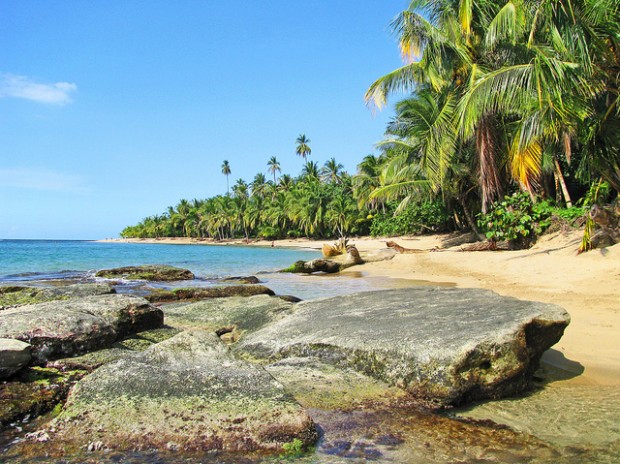
The South Caribbean has easily the most beautiful beaches in the country. In fact the beaches in the Manzanillo Wildlife Refuge are consistently listed by publications like National Geographic as among the most beautiful in the entire world. The sand ranges from powdery black to soft white to coarse golden. The ocean is much warmer than the Pacific and is a turquoise green color.
The surrounding coral reef offers excellent snorkeling and diving.
All of the beaches are jungle-backed which makes you feel like you are truly in a deserted part of the world. Imagine waking up in the morning and walking down a jungle path to a completely uninhabited undeveloped beach.
The coral reef and weather changes also give the ocean a lot of versatility. It can range from stormy with enormous waves for advanced surfers to completely flat and perfect for kayaking, snorkeling, and paddleboarding.
Who wouldn’t want to live on some of the most beautiful beaches in the world?
Caribbean Culture
A truly unique aspect of the Caribbean is its culture. Caribbean Islanders came about a hundred years ago and brought with them many traditional foods, art, music, and dance. Rice and beans are steamed in coconut milk, fresh lobster is stewed in curry, and plantains are fried Puerto Rican style. Reggae music plays on the streets from beachside bars and live Calypso music can be heard almost nightly.
The Caribbean vibes add the “don’t worry be happy” mentality to the “pura vida” philosophy that already exists in Costa Rica as a whole.
Most locals in the South Caribbean speak English which can bridge the gap for many expats who have just moved to Latin America.
Less Tourists
Costa Rica in general can get a bad rap for being overly touristy and developed. When choosing a place to relocate and live, a tourist-trodden place is unappealing for many people. Like some of the smaller, less-discovered towns on the Pacific, the Caribbean is still relatively remote, undeveloped, and is avoided by many tourists. This helps keep many of the beaches empty and relaxing for residents.
The tourists who do come tend to be eco-conscious individuals who are studying permaculture, wildlife, or yoga or adventure-seeking backpackers. These types of travelers tend to steer clear from expensive luxury hotels and restaurants which explains why the towns still have their rustic charm.
National Wildlife Parks
The South Caribbean has several wildlife reserves including the Cahuita National Park, the Manzanillo Wildlife Refuge, and the Tortuguero National Park. Cahuita is best known for its wildlife and excellent snorkeling. Manzanillo has breathtaking beaches, viewpoints, and hiking trails.
Tortuguero has stunning mangroves, rainforest, and is a popular place to watch turtles lay their eggs during laying season or watch the baby turtles make their way into the ocean. Tortuguero is much less established as an expat community compared to the towns in the South Caribbean, but exploring the national park is a great side trip.
The many animals in these national parks bring tons of wildlife to the area. It’s not uncommon on the main roads in these Caribbean towns to see sloths, monkeys, lizards, all kind of birds, and maybe even a wildcat.
Lower Cost of Living
Costa Rica is one of the more expensive countries in Central America which is difficult for some North American investors or retirees hoping to live a lower cost life abroad. The Caribbean, because it is less established among tourists and investors, tends to be much less expensive with respect to rental properties and purchasing land.
Strong Expat Community
The South Caribbean has an already established expat community which brings tons of events and support to the area. There are many expats from North America but also from all over the world; Argentina, Italy, France, and Israel just to name a few.
There is a lovely expat-run private school which ensures solid education for children. A local farming project involves the entire community in planting and creating a farm where participants will then receive farm boxes with every harvest.
There is also a weekly farmers market and an organic produce distribution program. Some expats have even begun selling their own homemade cheese, bread, and kombucha door to door to people on their email lists.
Events to involve the community like monthly organic dinners, movie nights, beach cleanups, and barbecues happen frequently.
If you are considering a move to Costa Rica, or anywhere in Central America, consider spending some time on the Caribbean Coast. Many expats have positively fallen in love with the gorgeous scenery, the lovely people, and the unique culture.

There is no denying that Costa Rica is an incredibly beautiful country with much to offer. It has been a popular place for travelers and expats to relocate, set up businesses, and retire, for decades. The beaches are among the most beautiful in the world, the surfing is world-class, and many of the national parks are unrivaled.
However living in Costa Rica is not always a bed of roses. Let’s explore some of the more frustrating aspects of living in the land of Pura Vida.
1. Bugs Are Unavoidable

Taco Delgado
The many insects are practically impossible to avoid in most of Costa Rica. The country is covered in National Forest and protected jungles and consequently has plenty of bugs.
If insects particularly bother you, you will certainly struggle with the creatures that can often overtake your home.
Mosquitoes plague most of the beach towns, particularly on the Osa Peninsula and the Caribbean Coast. Those with sweet blood will suffer immensely without long pants and bug repellent.
Unfortunately some of the mosquitoes do carry dengue fever which make bites potentially dangerous.
Ants, especially the biting variety, are among the most offensive insects in Costa Rica. Standing on the road in sandals may leave you covered in ant bites that feel akin to tiny shards of glass.
The ants also are known for invading homes, which makes it imperative to keep your food safely stored in the refrigerator. It’s not uncommon for them to make their way into bags of sugar or swarm your counter if a drop of honey is left behind.
Termites are also big home invaders leaving piles of ground wood all over your home. After heavy rains they often hatch and fill the air.
Living in Costa Rica you may experience a slough of insects you never knew existed and witness some of the largest cockroaches you have ever seen.
2. Roads Are Poorly Maintained

Barbara Slavin
Costa Rica is known for its poor road conditions. Outside of major highways and cities, most areas lack paved roads and are covered in potholes. This explains why it takes so long to travel around this relatively small country.
Street signs and addresses rarely exist and are almost never used which makes navigating the roads very difficult.
In the rainy season the dirt roads often turn to mud and can become undrivable. Due in part to the poor road conditions many buses do not take direct routes, rather most meet at the hub in San Jose.
This can add an entire day to a trip traveling across a very short distance. Cars get worn very quickly driving on the potholed roads and breakdowns and constant repairs are common.
3. Systems Are Never Systematic

Adriatica
If you live in the United States, Canada, or another Western nation, the odds are you have become accustomed to certain systems, rules, and formalities to follow when paying taxes, setting up utilities, shipping parcels, and obtaining business licenses.
In Costa Rica those systems are hardly static. In fact, you will likely receive conflicting instructions from everyone you talk to. It’s not uncommon to arrive to a governmental office with all of your papers in hand, only to receive new information and be sent home.
Processes that you may expect to take weeks can take years. The mail system is also unreliable and it’s not uncommon for packages you send or those sent to you to arrive months late or never at all. For these reasons, living in Costa Rica requires great preparation, patience, and flexibility.
4. When It Rains, It Pours

MD Verde
Costa Rica is fantasized by many as a place with warm weather year round and gorgeous tropical beaches. This is true, however several months of the year most of the country can be flooded by tropical rain.
When the rain comes it often pours so hard it might be impossible to leave your house. Roads can become flooded. Power lines may fall, leaving you without running water or electricity. Your belongings may become damp and moldy without the sun to dry them out. Many more bugs and even snakes make take refuge in your home. For this reason plenty of expats head to sunnier parts of the world during the particularly rainy months.
5. There Is Such a Thing As Too Pura Vida

Frank Kehren
For many the “pura vida” is one of the most appealing aspects of living in Costa Rica. However it can certainly go too far.
Learning to slow down, enjoy life, take things as they come, and let go of expectations are all incredible philosophies to embody.
But waiting an hour before your server takes your order, waiting months for your housing agent to fix the hot water tank, never receiving your mail, losing electricity for days while the utility company takes its time, are all frustrating realities when living in Costa Rica.
You will often end up disappointed if you ever expect something, even a governmental transaction to be fast, simple, or easy.
Living in Costa Rica means hearing the word “mañana” (literally, tomorrow) often and you may hear the same thing the next day. You will quickly learn that “mañana” doesn’t mean “tomorrow.” It just means “not today.”
These things aside, many people still choose to live in Costa Rica and are happier than ever. This speaks to what an incredible place it is. However, if any of the above are an absolute deal-breaker for you, Costa Rica is probably not where you will rest your hat.

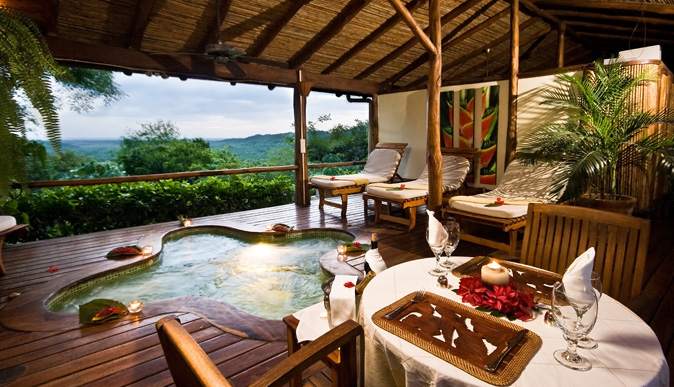
We recently had the chance to ask the owners of Los Altos de Eros, the Tamarindo, Costa Rica Viva Picks hotel winners, a few questions about their move to Costa Rica where they became expats.
1. How did you end up in Tamarindo?
We came here from Florida on our honeymoon. We liked the area so much that we decided to buy a condo here and spend half our time in Florida and half in Costa Rica. While looking for a condo, we saw a beautiful piece of land and just got totally carried away!
2. Did you have experience in the hotel business before you came to Costa Rica?
Not directly in the hotel business. I had an internet based company which I sold in 1999. I also had a little experience in the restaurant business. When it came to Los Altos de Eros, Jacqueline and I simply fell in love with the piece of property where it stands today and visualized building a Costa Rica luxury hotel and spa. We understood the risk we were taking and the amount of competition we were up against. That’s why we knew it had to stand out from the rest. My philosophy is you get what you give. So, we started out giving away complimentary Spa Days to our friends and acquaintances in Tamarindo. It was wonderful to put the whole thing to the test and realize people loved it! Soon enough, they were sending us business just through word of mouth. And that’s how our business began to ascend.
3. Explain to our readers what makes Altos de Eros unique and why they should stay there.
What can I say, if you are looking for a place with 5 star service, great value, gourmet cuisine, and the best Spa in Costa Rica, you should come stay here.
Our Guests are treated like royalty the minute they’re picked up from the airport. Our 3 to 1 staff to guest ratio guarantees exceptional, personalized service. Almost all of our staff have been with us 5+ years. They are happy and take pride in their work. As many guests have said, you are treated like family here, which is true, and we will do our very best to exceed all your expectations.
We take care of every detail, with no hidden charges or ridiculous prices, something you will not find elsewhere. From laundry service to Cuban cigars, our wonderful range of amenities is transparently included in our rates so you can just sit back, relax and enjoy your vacation.
Our food is spectacular, thanks to our talented Chef Andrea and kitchen staff, who prepare every meal to guarantee 5 star quality cuisine. Our Chef will even have a personal dialogue with our guests to accommodate food restrictions or special diets and create a custom menu that meets their needs.
Our breathtaking Spa de Eros is our jewel. The Balinese style, bamboo and teak layout opens up to views of the jungle and ocean. The spa attendants are exceptional massage therapists and deliver the most soothing treatments. It is a space for rejuvenation and pampering like no other.
4. What types of things can your clients do in Tamarindo?
We provide transportation, so clients can partake in all kinds of activities in Tamarindo and nearby areas. Activities include surf lessons, paddle boarding, sunset Catamaran, sports fishing, zip-lining, horseback riding, ATV tours and so much more. Clients also have the option to go into Tamarindo for lunch or dinner, shopping, night life, or simply to relax on the beach.
Situated on a 27-acre estate 20 minutes outside of Tamarindo, Costa Rica, we offer you a supreme “5-Star” destination. Los Altos de Eros means ‘”the heights of love” and you will love everything about us: our location, our ambiance, our cuisine, our Spa, and our Staff. All we ask of you is that you come with a smile on your face and a song in your heart.

If you are considering a trip to Nosara on the Northern coast of the Nicoya Peninsula you may be wondering where exactly is the right spot for you.
The area of Nosara boasts five very different beach towns. Here is a breakdown of each neighborhood and what it has to offer to help you determine the best home base for you.
Playa Guiones

Desert Koi
When travelers talk about Nosara, what they are usually referring to is the area’s most popular neighborhood Playa Guiones. The beach stretches for three miles with white sand and great surf.
In fact it is known for having some of the most versatile and consistent surf in all of Costa Rica. At the shore is easy white water for beginners to learn on while further out are perfect waves for intermediate and even advanced surfers. The surf schools are plentiful in this neighborhood and many places have board rentals.
Most of the popular yoga studios like Nosara Yoga Institute and Harmony Hotel are in this neighborhood with many of the retreat centers on the outskirts of town. Here you will find pilates studios, bodywork, and other health and wellness activities.
Accommodations are available for all budgets with many backpacker hostels, mid-range hotels, and even luxury hotels. There are also plenty of delicious restaurants to choose from.
Of all the towns, Playa Guiones is the most developed with a strong expat community, however it is still small and one can easily find stretches of beach that are entirely deserted even in peak tourist season.
Playa Garza

Beatriz San Martín
A short drive from Playa Guiones is the beautiful crescent beach of Playa Garza. The beautiful white sand beach is small with big cliffs on each side of the bay making it perfect for fishermen and fishing boats.
In fact, it’s possible in the afternoon to purchase fresh fish right off the boat. This little pueblo is very undeveloped and consists mainly of fishermen. Some expats do live in and around Garza in the hills overlooking the bay.
In addition to fishing there is great swimming and snorkeling here which brings a few tourists looking to enjoy the scenic palm tree-lined beach. There are some reefs just beyond the beach with clear water for spotting marine life. These reefs keep the bay protected from the nearby big swells and make it the moorage point for boats and pangas. At low tide a small cove with pink sand made from seashells is accessible.
The beach itself is lined with quaint restaurants and bars.
Playa Pelada

Chris Goldberg
At Playa Pelada on the North side of Playa Guiones, snorkelers and divers can explore the rocky caves and swim in the calm tidepools. Fishermen also lead tours from here to observe dolphins, turtles, and whales during mating season.
With its small curving white sand beach between two points it is arguably the most beautiful beach in the area. The shore is lined with a few fishing pangas. A trail at the end of the beach winds through the jungle and onto the Nosara Rivermouth.
The town is quiet and perfect for those looking to relax. Community and fun can be found in front of Olga’s bar where local fishermen, tourists, expats, and employees come to watch the sunset and play sports on the beach. On the weekends many local families spend the day here at the beach, offering a look at local Costa Rican life.
The famous restaurant La Luna is a lovely beachfront place to watch the sunset and eat some delicious fusion cuisine.
Playa Nosara

C. Elise
Playa Nosara is a dark volcanic sand beach stretching from Playa Ostional to Playa Nosara and the Nosara Rivermouth. This is a popular beach for local Tico families on weekends.
The beach is backed by the lush mangroves of the Nosara River which makes it a great place for kayaking and stand up paddleboarding. You can spot 270 species of birds as well as monkeys, coati, raccoons, armadillos, anteaters, crabs, and crocodiles.
This beach is mostly deserted with the occasional surfer, turtle, or fisherman. Fishing can be excellent here especially at low tide when you can walk across the Nosara River to reach the beach on the other side. It is a great place for peace and relaxation.
Playa Ostional

Kat Brobson
Travelers come to Playa Ostional to witness one of the most incredible sights in the world. This seaside village is the largest nesting site in the world for the Olive Ridley Sea Turtle. On the darkest nights following a full moon hundreds of thousands of turtles come onshore to lay their eggs between May and November.
After the nesting it’s possible to see the turtle hatching where thousands of baby turtles run into the ocean. Volunteers come to protect the baby turtles from predators. There are many opportunities here to get involved.
Surfing is also prime here.
Each of these beach towns has something unique to offer. The great news is no matter which town you choose to stay in, all of the towns are accessible to one another and easy to explore.

For many families and individuals interested in moving abroad, the desire for a healthier lifestyle is often a big motivator.
Costa Rica is known for its many national parks, clean air, undeveloped beaches, and health-conscious expat community, making it a highly desirable place to relocate.

Supafly
The region of Nosara on the Nicoya Peninsula in particular manages to harness a commitment towards healthy living arguably unrivaled in the rest of Central America. From yoga and bodywork to raw food cafes and organic grocers, Nosara offers access to many first world health staples in undeveloped jungle paradise. The community also works to keep the area clean and healthy with its dedication towards proper waste management and recycling.
Healthy Activities in Nosara
There is no doubt that physical activity is necessary for a healthy lifestyle. In Nosara getting your exercise is possible in dozens of fun and exciting ways.
Surfing
Nosara is known for having some of the most consistent surf in the country, which explains why surfing is practically a religion here! The waves here can be surfed all day long, which never limits when you can get your fix. Beginners, intermediates, and experts can all find the right break for their skill level.
Yoga and Pilates
Nosara is one of the most popular places in Costa Rica to practice yoga and consequently there are studios everywhere. Many retreats are possible all year round for those looking to really delve in, and drop in classes are offered several times per day.
Yoga is an exceptional compliment to surfing, incorporating many of the same skills like balance and mindfulness, and relieves much of the tension that can occur from paddling. There is also a pilates studio for those interested in another style of stretching.
Boxing

Bryan Spahr
A gym in the jungle offers boxing classes which is a fun way to get sweaty and release stress.
Hiking
The surrounding Nosara Biological Reserve has 35 hectares of forest filled with flora and fauna including hundreds of species of birds, monkeys, deer, and even wildcats. There is endless exploration inside the reserve and along the river.
Kayaking and Stand up Paddleboarding

The Rohit
The ocean may be prime for surfing, but the Nosara River is ideal for kayaking and stand up paddleboarding. It’s possible to rent kayaks and paddleboards for your own exploration but many tour operators also take groups on excursions exploring the mangroves and river. There is even stand up paddleboard yoga for those really looking to test their balance.
Sunset Gazing
Each evening at sunset the town gathers on the beach in Playa Guiones to watch the sun set behind the Pacific Ocean. The colors are stunning and the silhouettes of the surfers coming in from the ocean is an incredible sight. The neighboring beach, Playa Pelada, offers beautiful sunsets in a more remote setting. This act of watching the sun set is a great way to feel connected to the Earth and is much healthier than going to happy hour.
The Food
More than any other beach town in Costa Rica, Nosara has healthy, organic food options. Many restaurants serve healthy smoothies and juices and fresh grilled fish.
The cafe Naked Foods sells all kinds of health drinks and decoctions as well as raw superfood snacks. Their small grocer, Organico, sells organic produce daily as well as local dairy and ready to eat food. They even have a bulk section with dried dates, nuts, and spices.
There is a weekly farmers market with all kinds of artisan foods including amazing coconut and cacao products.
Also, for added convenience there is a local program where you can order your produce online and receive a box delivery filled with local organic goodies. There are many fishing spots in the area and you can catch your own or buy fresh from a local fisherman.
The Community

Cisc1970
The community in Nosara is dedicated to making Nosara an even healthier place to live. In addition to the many established business that offer healthy activities, food, and drinks, the community has created waste management and clean up programs.
The Recycling and Education Center collects and properly processes waste as well as educates the town on sustainable practices. Sustainable Nosara leads efforts like beach clean ups and tree plantings to give back to the land.
The Nosara Recycling Association contributes to the sustainability of the community by leading initiatives on styrofoam banishment, electronic waste collection, proper oil disposal, and more.
The Nature
The beautiful natural environment is what lays the foundation for healthy living in Nosara. Being surrounded by nature not only contributes to cleaner air and less environmental pollutants, it also inspires you to make other healthy decisions.
The more connected we are to the earth, the healthier we want to eat, the more we want to move our bodies, and the more we want to give back to the place that makes it all possible.
While healthy living is possible anywhere, the people of Nosara have managed to both maintain and cultivate a community where health permeates everything. If a dedication towards personal and community health is a priority in your life, Nosara could be a great place for you to visit or even live.

Costa Rica has long been famous for having some of the most beautiful beaches in the world. This gorgeous shoreline with great surfing and incredible wildlife has lured expats for decades. Today many beach towns in Costa Rica are well established for those looking to relocate to towns with some of the same comforts of home in a tight-knit community with plenty of nature.
Playa Samara

Daniel Stenberg
Many cite Playa Samara, on the North Pacific Coast on the Nicoya Peninsula, as their favorite beach town in the entire country. The relaxed fishing village has a strong community feel for locals and tourists alike. The town has many local authentic “sodas (Costa Rican cafes) as well as expat-run sushi bars and Italian restaurants. The horseshoe bay is a great gathering place where fishermen wade into the water then run out with their fresh catch. Groups of people crowd around to admire what they pull out and some purchase it for their lunch or dinner. At more populated spots on the beach locals, expats, and tourists play games of volleyball or take kayaks and stand up paddleboards out into the ocean.
The many nearby beaches are great for hiking and exploration including Playa Carillo known for its crocodile sightings, Playa Buena Vista, and Playa Barrigona where Mel Gibson owns a home. All beaches can be accessed by long walks on the shore around rocky points or on back roads on a bicycle. Slightly further inland are farms with domesticated animals like sheep and cattle which gives the area an authentically Nicoyan cowboy feel.
Playa Guiones

Chris Goldberg
National Geographic named Playa Guiones one of the top surf towns in the entire world and we can see why. Beginners, intermediates, and experts can all enjoy the clean waves here that can be surfed all day long. Nearby beaches also offer a variety of breaks for those looking to really challenge themselves. Surf schools are everywhere as well as surf camps for kids.
In addition to having some of the most versatile and consistent surf in all of Costa Rica, it also has a well established expat scene. One of the first yoga studios in Costa Rica is in Playa Guiones, the Nosara Yoga Institute, which has led to the opening of many yoga studios and retreat centers. There is also pilates, kickboxing, massage, horseback riding, stand up paddleboarding, and many more physical activities. It is a great place for families as there are tons of activities for kids as well. Surf camps, horseback riding clubs, ballet, and gymnastics are just a few. There are also two reputable international schools that ensure quality education for children of all ages.
The dedication to health also makes Playa Guiones a great place for health-conscious individuals and families. The town boasts an organic grocery store, farmers market, and a few organic healthy cafes.
Playa Cocles

Magalie L’Abbé
Playa Cocles on the South Caribbean coast hosts stunning beaches, tons of wilderness, and tons of local and international culture. This neighborhood is most famous for its barreling waves at Beach Break and close proximity to Puerto Viejo just a couple of miles away, but it’s quickly becoming a yoga and health hotspot as well. The neighborhood houses locals and expats from North America, Canada, Europe, Australia, and South America giving it great international appeal in a very undeveloped town. The community here is infectious with a weekly farmer’s market, community garden project, community dinners, and events at Om Yoga.
About a century ago Caribbean islanders came to this part of Costa Rica, which lends a fascinating local culture to the area. Traditional Costa Rican rice and beans are steamed in coconut milk, reggae plays in the streets, and coconut curry with lobster is sold from big pots on the beach. Many families are multicultural with European, Jamaican, and Latin roots and locals often speak English, Jamaican Patois, and Spanish.
Unlike many Pacific Coast beaches, the water in Playa Cocles and nearby beaches, many named some of the most beautiful in the world like Manzanillo and Punta Uva, is turquoise and warm. Beach break can fill up on the weekends and for surf competitions, but a short walk away and you will find yourself in completely undeveloped deserted wilderness beaches.
Montezuma

Drivebysh00ter
Though it has become a popular tourist destination, Montezuma manages to maintain the laid-back hippie roots that made it popular in the first place. Health and environmentally conscious expats comprise most of the transplants in Montezuma and this is clear by the businesses that thrive here. Several yoga studios sit in town and on the beach and it’s even possible to take free community yoga classes several times a week.
The landscape in Montezuma is quite unique to many beach towns in Costa Rica with beautiful rocky cliffs to climb to secluded beaches, natural tide pools, and great surfing for beginners. There are also two waterfalls within walking distance of town.
Manuel Antonio

Zhu
Manuel Antonio is arguably one of the most popular destinations in all of Costa Rica. The beaches and national park are stunning, outdoor activities like snorkeling, parasailing, fishing, and whale watching make it a desirable vacation destination. However, it’s also a great place for expats to live.
The popularity of the area makes it a solid place for investing in tourism. Hotels, vacation rentals, and restaurants receive relatively consistent business year-round unlike many other beach towns in the country that tend to clear out in the low season. There are many local hotspots where it’s possible to meet expats like Emilio’s cafe and Agua Azul overlooking the ocean.
Because of the tourism industry nearly everyone in the area speaks English and most restaurants cater to North Americans. This can make for a much easier transition for those with hesitations about moving abroad.
These beach towns offer some of the most accessible expat communities in the country and are a great place to consider if you have dreams of relocating to Costa Rica.