


Why Invest Offshore
U.S. citizens have always been a little shy about offshore banking, unless they’re in that upper income bracket, moving millions and even billions of dollars around, tucking them away in stable banks and tax shelter havens. Middle class America, with modest portfolios, are more hesitant, and prefer to keep their assets with a local bank, close to home, where they can keep an eye on things.
While the caution is understood, in recent years, many frustrated middle class investors and homeowners have noticed their carefully cultivated portfolios aren’t growing; or worse, are even shrinking.
Traditional Offshore Banking

The first offshore jurisdiction to come to the average person’s mind, is Switzerland. The Union Bank of Switzerland (UBS), located in Basel and Zurich, Switzerland, however, was among the European banks to suffer some of the largest losses during the subprime mortgage crisis, necessitating the general stable banking institution to generate large amounts of capital from outside sources.
Criticizing the enormous world bank’s policy of privacy to its investors, the U.S. government has pressured Switzerland into more information sharing among U.S. account holders, for the purposes of detecting tax evasion. The complaint, which was joined by several countries in the European Union, resulted in more stringent laws concerning U.S. and European deposits. Although Switzerland has agreed to more effective tax cooperation, opening an account in Switzerland can be difficult and expensive.
The power of the Euro faces as much uncertainty as the American dollar, with as many weaknesses in the banking structure. Investment in cargo ships has sent many of the banks reeling. A cargo ship valued at $150 million in 2009, will not fetch more than $40 million now. With the shipping industry going for bust, European banks are facing a potential loss of $350 billion dollars in loans.
Canadian banks are not much different than American banks. While somewhat more stable, growth rate for your investment is slow, interest rates on loans are high, stocks even higher, and the labor market has stalled.
The Japanese yen has crawled back into recession.
The Significance of the Emerging Nations
The BRIC nations; Russia, India, China, and Brazil, have been under the watchful eye of financial advisors and investors for several years. Leading investment banking institutions, such as Goldman Sachs, estimate that the economies of these four nations will be wealthier than most Western countries within fifty years.
Investing in an overseas bank, however, is a major step. It’s always best to visit the country you wish to invest in, and China, India or Russia seem a little extreme to most modest investors. However, Latin America is right next door.
Many of the Latin American countries have changed their policies to a more open and friendly relationship with U.S. citizens wishing to visit or invest in a little south of the border real estate. These once war-conflicted countries have enjoyed increased stability under democratic governments and responsible fiscal policies stimulating a burst in retail growth.
Although Brazil has dominated the economic market, the united efforts of the Central American countries to maintain favorable investment options, has created a surge in real estate options. High end investors led the charge, with interests in a second or third home on a tropical beach, but Central American investment can be started with as little as $1,000.
Panama and The Highlight of Central America
With so many beautiful countries to choose from, it can be difficult to decide which one you want to dedicate to for your offshore investment. They all offer spectacular views, good banking policies and a rich and varied culture. A Panama bank account, however, is one of the most desirable in the world today.
With over 80 international banks, it has been placed among the world’s largest banking sectors. Three of Panama’s banks were featured in the top 1000 world banks for 2012. The leading banks in Panama and their positions are:
- No. 524 Banco General
- No. 663 Banco Latinoamericano de Exportaciones
- No. 789 Banco Nacional de Panama
Living It Up in Panama
Besides an expanded canal that has brought millions of dollars in revenue to the Panama economy and a sophisticated modern city, there are several reasons for its increased popularity. There are no corporate or personal taxes on offshore activity in Panama. You will not be double-taxed on your assets. All income earned outside Panama will not be taxed.
There is no conversion rate to foreign currency, or foreign currency controls. Panama uses the dollar. While Spanish is the primary language, most bank tellers and managers speak English. It offers online banking service, international wire transfer, and check service.
Panama is the top banking center in Central America. Its free market and investment-friendly policies have attracted a wide clientele, from retirees to entrepreneurs, to expats and adventurers.
Panama gives immediate residency to foreigners from 22 countries that maintain friendly, professional, economic and investment relationships with Panama. The United States is listed among these countries. Immediate foreign residents have the right to work in Panama, establish a business and engage in professional and economic activities. After five years of living in Panama, they may apply for full citizenship.
Perhaps one of its greatest advantages is its close proximity to the United States. You do not have to wonder how your offshore assets are doing. You do not have to travel halfway across the world.
If you move to Panama, you do not have to abandon the loved ones you left behind. A short plane trip, a hop on the bus or a drive in the car, and you can visit them, or more likely, they’ll wish to come and visit you!
Panama continues to be the best place to invest in if you’re thinking of an offshore bank. With a stable economy, easy access to your account, as well as a close circumference to the U.S., there simply is no greater advantage than investing in Panama.
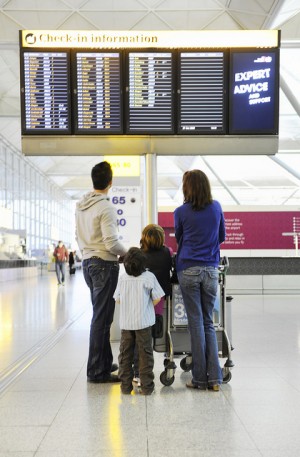
If you’re considering moving abroad, the recommendations of the U.S. government are likely the last thing on your mind. Nevertheless, Big Brother has a virtual guide for those who are planning on moving, or even just traveling overseas.

Photo Credit: Highway Agency
While a lot of the suggestions may seem like just another way for the government to keep tabs on you while you’re out of the country, some of the tips may actually prove helpful.
Advice about Marriage
For those who wish to get married abroad, the laws can vary greatly from one country to the next. There may be various documentation and residency requirements, so research the process well before you plan to tie the knot.
Some of the necessary steps might include blood tests, affidavits, or certified copies of documents such as divorce decrees or death certificates, if one party was in a previous marriage. Contact the country’s embassy or tourist information bureau for more information.
Ceremonies are usually performed by a local civil or religious official. Once you are married, the U.S. consular can authenticate the marriage documents issued by the country where the marriage is performed. However, you’ll need to verify with your state of residence whether they will recognize the marriage if you plan on returning to the U.S.
Birth
The child of a U.S. citizen born abroad automatically acquires citizenship at birth. All you’ll likely need to do is contact the U.S. Embassy or Consulate to obtain a Consular Report of Birth Abroad of a Citizen of the United States of America (Form FS-240). This form will be needed once the child needs to obtain a passport or enroll in school, and it’s better to obtain it immediately than to wait until you need it.
Advice about Divorce
As with marriage, the validity of a divorce obtained overseas will depend largely on your state of residence.
Death
When a U.S. citizen dies overseas, the Bureau of Consular Affairs provides a number of services to the person’s family. They first notify the next-of-kin and explain the options for local burial or transport of the body to the U.S. >While they also assist with information on how the family can transfer funds for such services, they do not provide any monetary assistance to the family of the deceased. They also inventory and return any personal effects to the deceased’s family.
Federal Benefits
If you are receiving any kind of federally-provided benefits, you’ll need to notify the appropriate federal agency (i.e. Social Security, Veteran’s Affairs, etc.) to advise them of your new address. Allow at least 60 days to make sure you don’t miss any checks.
If that seems like a lot of notice, just think back on your last trip to the DMV.
You should notify the agency of your new address even if your payments are being sent to a bank. If you find a bank in your new country of residence that will accept a direct deposit, you can contact the agency to arrange for this change as well.
You should also note that, while being out of the country has no effect on your eligibility for many benefits (such as Social Security), you will not be able to receive benefits from Medicare or Medicaid outside the United States.
Documentation and Identification
When traveling to most countries, you will need to have a valid passport. Many also require that your passport’s expiration date be well past the date of your planned return to the U.S. If your passport is lost or stolen, report the issue immediately to the local authorities and the U.S. Embassy or Consulate. The consul can issue you a replacement, often within 24 hours.
If you plan to drive, find out the requirements for licensing in your destination country. While many require a license and insurance, some do accept an international driver’s permit. However, most do not recognize a U.S. driver’s license.
Voting
Don’t let your absence prevent you from exercising your civic duty. Receiving an absentee ballot is easier than ever, as many jurisdictions have the capability to fax or even email the forms.
You can visit FVAP.gov to complete a Federal Post Card Application (FPCA). However you will need to complete this process every year, preferably in January. While you should receive your ballot 45 days prior to general and mid-term elections (30 days before special, primary, and run-off elections), make sure to be proactive. Follow up if you don’t receive it on time, and submit it as early as possible to make sure your vote is counted.
Taxes
We covered death overseas. Might as well mention taxes. Once again it’s inevitable. All the usual reporting requirements and deadlines still apply for those living abroad. Consult your tax professional with questions about any income earned overseas. If you do have any, you’ll need to make sure all amounts are converted and reported in U.S. dollars.
Health
The government recommends that you familiarize yourself with any conditions in your destination country that could have an impact on your health. Some examples are altitude, allergies, the availability of medical facilities, required immunizations, etc. The Centers for Disease Control website is a good resource for more information on your country of residence.
It is also recommended to bring along a letter from your physician describing any medical conditions you may have and to explain the necessity of any medications you’re carrying. When traveling, you should always carry drugs, eyeglasses, and other medical items in your carry-on. Consider a medical alert bracelet if you suffer from any life-threatening conditions.
When medical treatment is needed, the U.S. Embassy or Consulate can provide a list of physicians and facilities. However, they’d like you to note that the providers are listed alphabetically; their order is not a ranking of the quality of care they provide. Furthermore, “the inclusion of a specific physician or medical facility does not constitute a recommendation and the Department of State assumes no responsibility or liability for the professional ability or reputation of, or the quality of services provided by, the medical professionals, medical facilities, or air ambulance services whose names appear on such lists.”
Whew! That was a long sentence. Oh, also, the list cannot be reproduced in any form without the express written consent of major league baseball.
The cost of medical procedures overseas can vary greatly, and most U.S. health insurance isn’t accepted. Short term travel policies that cover you when traveling abroad are available from many insurers.
Customs and Import Restrictions
Before bringing any items into or out of a country, make sure you know what’s legal. Items such as food, medications, and even pets can be restricted in some countries. Also prohibited are items associated with endangered wildlife, such as ivory, furs, feathers, leather, and coral products. Consult your country’s U.S. embassy to find out more about any restrictions.
You thought you were escaping the ever-mounting pile of junk mail, but the U.S. government recommends that you make arrangements to receive your mail if you’ll be gone for an extended period of time. A few international banks and credit card companies may provide mail services for their customers. Some foreign post offices will also hold mail for travelers.
General Precautions
On its travel website, the U.S. government lists a number of other precautions. While some are really just common sense, like not traveling with valuables, a few are worth mentioning. For instance, you should always make sure friends or relatives back home have copies of your itinerary. Also leave home with additional copies of your travel documents, and pack an extra copy in your bags, separate from the originals.
Always plan for the unexpected, taking extra cash or credit cards for emergencies. There are a lot of scams out there, so stay away from any deal that seems questionable. And, if anyone asks you to carry a small, unmarked package in your luggage in exchange for a sum of money…for goodness sake, don’t do it.
Remember that when you’re out of the country, you’re subject to different laws. And if you do something illegal, you’re on your own.
Smart Traveler Enrollment Program (STEP)
In an effort to protect its citizens abroad, or maybe just to perpetually monitor your whereabouts, the government is proud to offer the Smart Traveler Enrollment Program (STEP). By registering your travel plans, you can receive updates about the country where you’ll be traveling, as well as travel warnings and alerts.
Reportedly the program also enables the government to better assist you in the event of a minor (e.g. lost passport) or major (e.g. earthquake) emergency.
Regardless of the destination or duration of your trip, the Department of State and Bureau of Consular Affairs is an excellent resource for many of your needs while overseas.
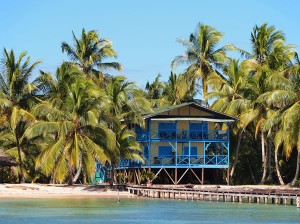

Doing business in Latin America can be tricky. Not everyone is forthright, and there are a lot of scammers just waiting to take advantage of an unsuspecting gringo. The good news is that there are a lot of honest professionals who want your trust as well as your business. The key is making sure those are the ones you’re trusting with your time and money.
Josh Linnes and Park Wilson, co-founders of Emerging Terrains, talk candidly about their experiences buying, developing, and selling property in Latin America.
So is Central America a bad place to do business or invest in property?
Josh: Absolutely not. Most people in Latin America are good folks. But there are a few out there who have literally built their business model around taking advantage of people. And we’re not talking about souvenir vendors here. They can be quite organized and sophisticated.
Park: This is no different than in any other country. But if you’re coming down here as a greenhorn, just be aware that you can be easily identified as a target.
How do I avoid getting mixed up with the wrong person or company?
Josh: If you have never done business in a foreign country before, it’s best to stick with the reputable companies. They’re easy to find. It just takes doing some internet research and sending a few emails.
Park: Josh is right. It’s a lot harder to be a long-term scam artist these days. If the company’s been in business a decent length of time, you can easily find out if they’ve ticked anybody off.
I like to do searches for the company name with the words “scam” or “rip-off” tacked on. You can even try “Don’t ever do business with…” and then the company name. It’s surprising what you can find.
And always talk to more than one source. I like to make sure I get the same answers from several different references before I truly put my confidence in someone.
That sounds like a lot of research. Do I need to do this for every different category of professional I’ll be dealing with?
Park: Not necessarily. From our experience, we’ve found the whole “birds of a feather” concept to be very true in the Latin American business culture. So when you find someone who’s proven to be trustworthy, they are going to be connected with other people who are also reliable.
For instance, if I find a credible attorney, I might ask him to recommend another professional, like an architect.
Josh: This goes both ways too. Get mixed up with the wrong company, and before you know it you could find yourself in a whole nest of crooks.
Park: There are also some other good resources out there that require less homework on your part. For instance, try Martindale.com when searching for an attorney. A good attorney is a key player in Latin American real estate transactions, so that isn’t the place to try to save a buck.
I’m not saying you have to go with the most expensive attorney in the country, but–even if you did–that’s a very small investment for the peace of mind it buys.
What’s the best litmus test for determining if someone can be trusted?
Josh: A good rule of thumb is to make sure you’re working with someone who shares your interests and will benefit when you do. Buying from a reputable property owner is a good place to start.
If you’re buying a piece of land in a project where the owner has a vested interest in the development, then what’s good for you is good for them. And vice versa. The last thing they need is an unsatisfied customer.
Park: A classic example of misalignment is the relationship between a buyer and the listing agent on a property. They hold all the answers to disseminate as they see fit. And they only get paid if you buy. After the transaction’s completed, they get to walk away without any further responsibility to you.
Just be aware of that.
Is it possible to over-think things when determining who you can trust?
Park: It is. One thing that helps me when starting business relationships is to ask myself, “Exactly what is it I’m trusting this person for?” If they’re selling me a piece of land, I have to trust that they own it and have the right to sell it to me. If they’re an escrow agent, I need to believe that they aren’t going to run off with my money.
It helps put things in perspective for me. When I’m choosing a surveyor, I don’t have to find someone I could trust to raise my first-born child. I just need a guy who knows how to put the dang stakes in the right spot.
Josh: On the flip side, don’t be too relaxed with this. Just know that you are responsible for your actions. Don’t let yourself think you can rely on other people or on the government to bail you out. At the end of the day, you’re on your own.

Lee Zelter knows Boquete, Panama. It’s almost as if it’s in his blood. His blog Boquete Guide is a must read for those who are considering the move to Boquete or for those who have already made the jump.
Viva Tropical took a moment with Lee to dig a bit deeper into his reasons for calling Panama home for the past 7 years. His answers might just surprise you.

Photo Credit: Sky and Zak
Why did you choose to move to Panama and specifically Boquete?
We researched for several years while waiting for our youngest to finish high school. We visited Europe, Mexico, Costa Rica and last Panama. We decided on Panama for several reasons.
Cost of living was lower than Europe and the U.S. Mexico was getting too violent. Costa Rica was a boat we missed and crime was heading up as an anti-gringo attitude was developing.
The pluses of Panama were that in a time when the dollar was falling against other currencies, Panama used dollars so we would not be hurt by varying exchange rates. Panama has a hundred years of U.S. involvement and to Panamanians Americans are nothing new.
Gringo is a description not a swear word here. We loved the temperate climate and relative isolation of Boquete. It was time to leave city life and try something new.
There was a significant English-speaking international community in Boquete which made for an easy integration. My wife lasted 18 months, it was too much of a change for her. I stayed and love it here.
How long have you lived there?
Seven years in August 2013
Where where you living previously?
Tucson, AZ, U.S.
What do you do with your time?
I work online, write online and play online. I also travel extensively in South and Central America.
What surprised you when you first came to Boquete/Panama?
How many shades of green exist!
What advice can you give someone who is thinking about moving to Boquete/Panama?
Learn Spanish first, leave your preconceived attitudes at home and do not check your brains at the airport. This is a different world.
Anything else you’d like to say?
I have much more about the entire experience at this link. The entire Panamania series reflects the move, transition and experience.

Photo: Viva Team
Buying property in Panama can be a cumbersome task. The good news is that, when dealing with experienced professionals you can trust, it doesn’t have to be.
While some investors and expats choose to learn all the ins and outs of the process, many see no need to reinvent the wheel when there are others who do this kind of thing every day and are much better equipped to navigate the system.
As that latter group has learned, buying property in Panama isn’t about what you know. It’s who you know. And it is absolutely essential to work with a team you can trust.
Step 1: Narrow Down Your Search.
Start looking for properties. Take into consideration the type of climate, community, and culture that you’re looking for. Whatever you’re into, Panama has an area that can accommodate your interests.
Once you’ve chosen your area, find a few listings that appeal to you and contact the seller, developer, or listing agent. You can start by emailing them to see if you get a response. If it’s a company who’s selling, research them online. Try to verify whether they’re legit.
Once you’ve weeded out any bogus or unreliable sources, contact the sellers of your top candidates by phone to feel them out a little more. Treat this more like an interview than just a cursory fact-finding mission. You want to make sure that everything they’re telling you about the property and the process corresponds with what you know to be true.
If there are any red flags that pop up in your dealings with the seller, walk away. Don’t waste your time and effort trying to work with someone who isn’t cooperative or trustworthy.
Step 2: Build Your Team.
Working with a team of reputable professionals is the key that can make or break your property-buying experience. However you’ll be relieved to know that, having successfully weeded out any questionable sellers, you’re well on your way to building a team you can trust to work in your best interests and get the job done.
Like-minded folks often tend to run in the same circles. So if your real estate agent is trustworthy, then you can usually trust others in his network. (Note that the opposite is also true. If a seller gives you reason to doubt him, run–don’t walk–away from the rest of his cronies as well.)
While you should certainly do your part to double check their reputation, it’s a good idea to ask the real estate agent or property developer for recommendations on attorneys, escrow companies, surveyors, or other professionals you’ll need. This can save you a wealth of time and energy when trying to select these professionals from thousands of miles away.
So it’s important in this stage to evaluate whoever you’re going to be working with. This means real estate agents, attorneys, sellers, etc.
Step 3: Come See for Yourself.
The final step before pulling the trigger is to take a trip to see the property (or properties, if you’re considering more than one) for yourself. Make arrangements to meet with the seller (or sellers), and see if you can go ahead and plan a meeting with the attorney you’ve selected to get the ball rolling.
Keep in mind that, depending on the seller or company you’re dealing with, you may be responsible for arranging for all your own travel, especially once you’re on the ground in Panama. And we all know nothing ever goes wrong when traveling internationally, right? Wrong.
Things happen. Flights get delayed. Cell phone service is spotty. Make sure those you’ll be meeting know how to reach you and that you know where to find them as well. Get their office number, cell phone number, home phone number, physical address, email address, and every other form of contact you can think of. And always have a back-up plan.
Once you’ve connected with everyone, sit back and relax and enjoy the beautiful scenery. Make sure to allow plenty of time to do everything you need to do. Depending on the remoteness of the properties you’re considering, you may be traveling by boat, or horseback, or even on foot. Don’t expect to be hopping in a car with a realtor and seeing eight or nine properties in an afternoon.
Step 4: Let Your Team Get to Work.
Once you’ve selected your property, this is where the right team will really start firing on all cylinders. Your attorney will start by drafting up a contract to buy and issuing a deposit to the seller. The contract will spell out all the contingencies that must be met.
The attorney will then research the title or rights, liens, and any other legal issues with the property. Hopefully you’ll find everything in order once your team has done their homework on the property.
If everything’s in the clear, your attorney will obtain a bill of sale and have the title transfer completed. After that it’s time to disburse the funds, which you’ll need to have wired to a Panamanian bank.
That’s it. It’s that simple. At least, it can be. By delegating responsibility to a few trusted individuals, the process of buying property in Panama can be virtually hassle-free on your part. In fact, if you’ve arranged everything properly with your attorney, you might not even have to show up for the closing.
Imagine that. You take a trip to Panama to look at a property you’re considering, and the next time you return…it’s yours.


Photo: EcoCircucitos
If you’re looking to make Panama your home, whether for a few years or a lifetime, there are a variety of visa options available to you. Panama is very friendly to foreigners and is continually opening its doors even wider to those who want to move there for practically any reason. We’ve compiled some more information about the various visa options, their requirements, and the process of obtaining them. However, because the country is making such large strides to become even more open to immigrants, the laws are frequently changing.
The good news is that the process is only getting easier. The bad news is that it can take some serious digging to find information that is current. If you’re serious about starting the process now, a reputable Panamanian lawyer with immigration experience can drastically cut down on the time and headaches associated with the process. In the meantime, check back often for updates on recent decrees and resolutions.
The Application Process
The requirements, timelines, and procedures vary greatly from one visa program to the next (yet another good reason to work with someone who’s familiar with them all). However, a few key points are central to the process as a whole. Documentation will be required to show proof of all requirements set forth by the specific visas. For instance, a letter from a bank will be required to verify solvency where needed, and a promise of work contract will be needed to show proof of employment.
These documents should all be clean and current and bear the proper authentication by an attorney or Apostille, which is similar to a notary public. All passports should be current with at least a year (or more) remaining before their expiration date.
For dependents, you will need to obtain current copies of marriage and birth certificates. A current police record from your country of residence is generally required. You will also need to be examined by a Panamanian doctor to receive a certificate stating that you are free of disease and in good mental and physical health.
While some steps in the process require you to be physically present, an attorney can handle many of the tasks with a signed Power of Attorney.
The Visa and Residency Options and Requirements
Tourist Pensioner Visa
One of the most popular and beneficial visas offered by the Panamanian government is the Tourist Pensioner Visa. Available to those who can show a minimum monthly income of $1,000 from a verifiable source, such as a pension, this visa has no expiration date. It is also exempt to any future changes in the law, so current holders are grandfathered in under the program.
Proof of income is required and has to be provided on a yearly basis to show that you are still receiving a pension. While this visa does not offer a path to citizenship, it does provide a number of benefits that are unmatched by any of Panama’s other visas, or those of any other country.
However, don’t worry about missing out if you enter the country by some other means. While these benefits are provided automatically to anyone on the Tourist Pensioner Visa, they are also available to anyone over the age of 60 (55 for women) and to others on a case-by-case basis. Here are some of the highlights:
-
50% off entertainment (e.g. movies, theaters, sporting events, etc.)
-
30-50% off hotels
-
30% off public transportation (e.g. boats, buses, and trains)
-
25% off airline tickets
-
25% off utilities
-
15-25% off restaurants
-
15% off medical services (exclusive of procedures covered by insurance)
-
Tax-free importation of household goods (up to $10,000)
-
Tax-free importation or purchase of a new car every two years
Private Income Retiree Visa
For those who might have received a pension as a lump sum, the Private Income Retiree Visa is an excellent option. To qualify for this visa you’ll need to invest enough money in a 5-year certificate of deposit (CD) in the National Bank of Panama to generate $2,000 per month.
The visa is renewable every five years, provided that the CD is also renewed. Holders of this visa are granted a Panamanian passport, but no direct path to citizenship. Private income retirees can also import their household goods and a vehicle every two years with no taxes, just like tourist pensioners.

Photo: Rita Willart
Person of Means Visa
The Person of Means Visa requires a 3-year fixed-term deposit of at least $300,000 in a Panamanian bank. A mortgage-free real estate investment of the same amount (or a combination of the two) will also qualify you for this visa. Unlike the previous visas, this option can lead to permanent citizenship after one initial renewal, so long as your financial situation remains secure. It also offers the ability to become a Panamanian citizen if you choose.
Investor Visa
Panama is also friendly to those who wish to do business or invest in the country. With a $160,000 initial investment and the hiring of five full-time Panamanian employees, you can qualify for an Investor Visa. This visa is good for a period of two years.
While it can lead to permanent residency, it must first be renewed three times. Once they become permanent residents, holders of the Investor Visa can also apply for Panamanian nationality.
This is an older visa and for most people there are better options.
Permanent Residency for Nationals of Countries Friendly to Panama
One of the most recent additions to Panama’s residency options, and the one with the longest name, is the Permanent Residency for Nationals of Countries Friendly to Panama option.
With requirements that are much more attainable than many of the other visa options, this program offers immediate residency.
In addition to skipping all the steps of obtaining (and renewing) a visa, it offers another benefit that many of the others lack: It gives you the option to work. Born out of an acute need for skilled labor, due to the country’s huge economic boom, this program requires a mere $5,000 deposit in a Panamanian bank (plus $2,000 for each dependent). In addition applicants must show proof of one of the following:
-
Investment in Panamanian real estate
-
Ownership in a Panamanian corporation
-
Employment by a Panamanian business
This program, introduced in the form of Decree 343, is offered to residents of 47 countries that have been identified as being “friendly” to Panama and is available to you, your spouse, children under 18 (or between the ages of 18 and 25 if they’re students), and children of any age with disabilities.
No renewals are needed since this program grants immediate residency, and those who take advantage of this option are also able to apply for citizenship.
Given the simplicity of opening a Panama Corporation or investment in Panama real estate, this visa has become one of the most popular.
Accelerated Permanent Residency for Professionals
Another piece of legislation that’s hot off the presses is Decree 229, which changes the amount of time a person must work in Panama before becoming a permanent resident. Historically, those in Panama on a work permit could apply for permanent residency after a period of seven years.
The recent bill, which applies to those working in a professional capacity, reduces it to two. The decree applies not only to those who will seek employment in Panama in the future, but to those already working there as well.
Forestry Investor Visa
Designed to promote the production and preservation of teak, the Forestry Investor Visa offers both a small and large option. Small forestry investors will need a $60,000 minimum investment.
This visa is only temporary and must be renewed every year for six years. On the seventh renewal, you can apply for permanent residency.
The Large Forestry Investor Visa, which requires an $80,000 investment, is good for two years initially. After that period of time, you can apply for permanent residency. Five years after obtaining residency, you can also apply for citizenship.
Other Visas
Keep in mind that, while these visa and residency options are the most common, this list isn’t exhaustive. There are other solutions available for individuals such as agriculture investors, those doing business in tax-free zones, temporary workers, and more. If you want to call this Central American destination your home, there is almost certainly a way to make that happen.
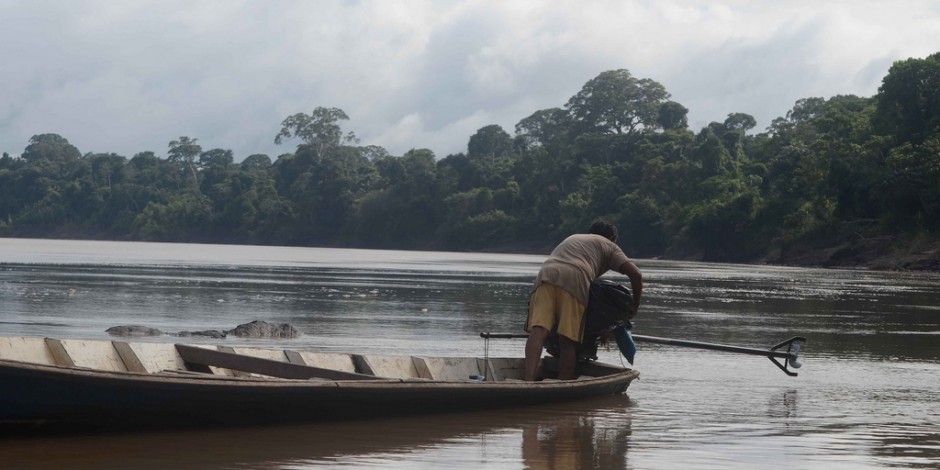
“Carumba!” the driver shouted. What was he going on about? Oh, there it is. The spluttering of the outboard engine. And then, no more spluttering. And no more engine. There we were, in the middle of the ocean in a dug-out canoe. With no engine.
“Carumba!” the driver said again. I wanted to say something else. You see, I had a plan. I needed to check out the progress on our island project and go to the bank that Saturday. So the business man in me worked it out logically. The trip to the island itself should take three hours, in an ideal, non-Central-American world.
I multiplied that by three (which I like to call the Cultural Harmonizer and it goes something like this: for every unit of time you expect to complete a task, multiply that by at least three and harmony will follow. Note: works in most countries). Nine hours should see me on and off the island leaving plenty of time to make a bank deposit before it closes. Right? Wrong. Wrong wrong wrong.
Culture, you see, makes all the difference. In arranging my trip to the island, I booked this boat with a picture of what I thought was clear and specific language. I asked for a fast boat big enough for the driver, a worker, and me. I got a dug-out canoe with a five horsepower engine. And now that five horsepower was zero. And we were floating backwards. Even though the boat trip on the way there had taken an hour instead of the 18 minutes as I’d expected, I wasn’t worried; according to my skillful Cultural Harmonizer calculation… We still had plenty of time for me to complete my objectives.
So while the driver was pulling off the duct tape from the engine, doing something that looked like a French plait with the wires, and occasionally scolding the rusty engine with a slap from his palm, I went to work. I went to work looking for the paddle in our tiny canoe. Turns out, that stick underneath the mound of a fishing net which I was using as a seat was the paddle, really? There is no “real” paddle? No problem, I thought. I’ve done plenty of paddling. Let’s try and figure out which end is which and off we go.
The thing was insanely heavy, maybe 50 lbs., and didn’t have a blade or any paddle shape, let alone a handle. After an hour of maneuvering this pole, my arms were cramped and against my better judgment, I admitted defeat. There was no way we were going to make it in time. Our boat was literally moving backward down the mangroves with the outgoing tide. The Cultural Harmonizer theory needed to be adjusted, it is not an exact science, but it appears it can be modified for any country. I missed the bank that day, and received several concerned calls after missing payroll. The businessman within me learned a lot from these types of experiences that always seem to accompany expat life.
I realized that I am the stranger in a strange land. Especially when you’re dealing with a culture so different to your own where fast means five horsepower, and boat means hollowed out log. If you are new to a country, using this calculation can be very helpful when managing your stress levels; though it might take a bit of time to learn how to calibrate, it can be a very handy tool. The culture in any given place has lots of momentum; notice how it works, then do what you do. Carumba!

If you’re hoping to retire to a beach haven overseas, may we suggest Panama? The Latin American country has a great deal of culture to offer, as well as beautiful scenery and fabulous weather. And the Panama beaches are an important part of the package.
Panama has many draws as an overseas retirement location, including vibrant communities, great quality inexpensive housing, and the beaches are some of the best. In fact, one of the best things about the country is that it has beaches leading onto two oceans: the Pacific and the Caribbean. In fact, Panama has over 1,500 miles of coastline!
Panama Beaches
In the past, Panama’s beaches have often been overlooked. Many of them are very rural and remote, and they haven’t typically been popular tourist destinations. However, there are some absolutely gorgeous areas of coastline in the country, and we don’t think that you should overlook them.
If you’re thinking about visiting or retiring to Panama, take a look at these top five beach areas in the country.
Coronado

Coronado Panama
Set only an hour away from Panama City, Coronado is a beach town that is well-loved by expats and Panamanians alike. The beaches themselves are an impressive site to behold. The beaches in this area have fantastic black and white sand, and are great fun to visit.
Away from the beach, the town of Coronado also has a range of leisure facilities including bars, restaurants, shops and a plaza area. This is a very popular area, and has a great expat community. This area is very different from the rest of the beach areas on the list: purely because of how developed it is. Coronado is the destination for you if you want to be able to shop in an American-style grocery store and meet up with friends for a nearby round of golf.
Boca Chica

Photo by Boca Chica Island
The Boca Chica area is wonderful if you’re looking for a rural, romantic spot to spend time with a loved one. The landscape here is made up of hills, valleys, and banana plantations. It also has a perfectly tropical climate. In the past, this was a very remote area, but it is fast becoming the next up and coming spot. The new airport in nearby David will soon be accommodating direct flights to the United States and Canada, which will make traveling here very easy.
The beaches in Boca Chica benefit from fine sand, dark beautiful water, and a quiet, peaceful atmosphere. Factor in the Chiriqui Marine Park, and the coast at Boca Chica is very attractive.
Bocas Del Toro

Bocas Del Toro is an area that’s made up of six islands, along with a number of uninhabited islets. It’s a beautiful part of the country, and is described by Conde Nast as “the Caribbean that time forgot.”
This area is popular with tourists and expats for many reasons. It has a great community, and is also home to some of the most typically beautiful beaches in the whole of Panama.
Here, you can expect to see flawless white sandy beaches and clear, turquoise water. Because of this, the beaches in this area are particularly popular snorkelling destinations.
Santa Catalina

The Lonely Planet has reported that Santa Catalina has the potential to be the next great Central American beach destination.
This laid-back town is mainly populated by laid-back Panamanian fishermen, but it does have a huge draw for tourists and expats alike: great surf! The beaches of Santa Catalina offer incredible surfing opportunities. Because of this, the town is growing, and is developing more and more facilities for expats.
Because of the relaxed atmosphere of the town, it also has a growing reputation for having a healthy attitude. There’s a real focus in the town on healthy food, as well as yoga. Santa Catalina is one of the few places in Panama with this sort of vibe.
Pedasi

Pedasi is a small town set in the outback of Panama. It’s a relaxed, low-key place with a rich history of folklore. If you visit the town, you can expect to be greeted by friendly residents, great food, and maybe even a beach party or two. There’s also something a little out of the ordinary waiting for you at Pedasi. In this area, some of the beaches feature beautiful lava covered sand.
But it’s not all quiet here. There are also a great deal of sports opportunities to choose from. Whether you’re into surfing, scuba diving, sports fishing, or horseback riding, you’ll find something to enjoy in the area.
The one downside of Pedasi is that property prices are quite high here compared to other rural areas with limited services.
Is One of these Panama Beach Areas Right for You?
Panama is a beautiful country that offers a lot more value for money than other more typical holiday or retirement destinations. It’s an inexpensive place to live, and this is true even in some of the more popular coastal areas.
If you’re looking for the ideal beach destination, to visit or even to retire to, one of these five areas might be the one for you.
When you scout properties for a living, you never know where you will find yourself. The chilly peaks of the Andes Mountains, the sweltering jungles of Costa Rica, or the tropical islands of Panama. What you can count on is the unpredictable; I have got my car stuck in a river, had engine failure while out at sea, and experienced short horseback rides that turn into all day affairs. Whatever the situation, the last thing you need is unreliable gear.
Here’s a list of the gear I’ve found absolutely invaluable during my time in Central America and beyond.
1. Go Pro Camera
Bombproof, this camera is super tough and when you purchase some of the accessories like the waterproof case it becomes a tough multi-functional tool. You can use it on a spear fishing trip or strap it to a helicopter to get a bird’s eye view of a real estate project. We attached two of them to our car on a scouting trip to Ecuador and shot 40 hours of footage.
Go Pro’s Hero cam is efficient and a real workhorse. The downside is that it can be difficult to figure out their two button system for commands and there is no way of seeing what you are currently shooting; battery life is not the best either, but the benefits outweigh the limitations. Note: I have not tested the Go Pro 3 yet, so usability could be improved in the new model.

Photo Credit: GoPro by Hero
2. Canon 7D L Series 24mm-105mm and Lens
Great images when coupled with this handy wide angle lens. Even with the crop factor, because of the smaller sensor, I can get the images we need for any use. The video is also good and has influenced my shooting style by allowing me to get images and video clips quickly. The body is tough; from rain, to mud, to bumps, the camera still works flawlessly.
I like to be as light as possible when I am out scouting and exploring; I am not a dedicated photographer, but we need good pictures, so the zoom lens works perfectly for me.

Photo Credit: Faran Grakthaia via Flickr
3. Pants
Gi III. My favorite pants by far, when you are scouting you are walking through jungles, cow fields, rivers, beaches, etc. These pants can get wet, are tough, and dry quickly. It’s important to be comfortable when you are hiking in the jungle all day looking at a 500 acre farm. When your day consists of riding a horse, hiking mountains, crossing rivers, and hopping barbed wire fences, you don’t want to slowed down by being uncomfortable. The adjustable belt allows you change up tension as necessary, like when you have batteries and lens caps in your pockets.
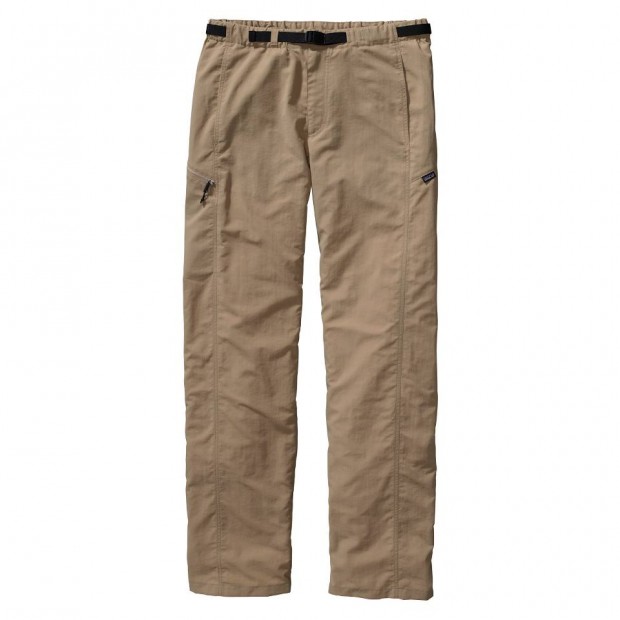
Photo Credit: Patagonia
4. Shirt
I borrowed one of these shirts and it showed me what I had been missing. Usually I rely on the Exofficio brand for my shirts; they are great, but they are also very hot. The Patagonia version has short sleeves which is not very good when you’re stuck in the sun on small boat scouting a coastline. Any exposed skin gets singed by the hot sun. Also when you are in the jungle, bugs can feast on you with short sleeves.
Bonus: These shirts and the pants are easy to clean with a water source and Dr. Bonners soap. When you are on the road for 14 days in a row it can be hard to do laundry; no problem if you have a sink and soap.

Photo Credit: Patagonia
5. Shoes
I have gone through so many pairs of shoes that I don’t have a specific recommendation, the truth is I haven’t yet found a shoe that blends breathe-ability with toughness. Shoes get shredded in this environment from the humidity to barbed wire fences, to trees like the Achote that are literally barbed.
I do have a good piece of advice, don’t get any thing that is open, like the currently popular Amphibious models. If you are scouting land you will be walking through the jungle and or cow fields, both of which have ants, and if you step on an ants’ nest with open shoes you will be very sorry. Also ticks and other jungle critters can get you. If you are just vacationing and not jungle trekking the amphibious models are a great choice.

Photo Credit: Jungle Boots.org
6. Flops
After a tough day in the jungle, I usually take off my boots and socks and switch up to my favorite flip flops. I have owned so many pairs of these it’s amazing. Rainbow have consistently proven to be the longest lasting in this environment, but they get really slippery when it rains. This is treacherous in rainy season, they feel like you are walking on grease, making it very difficult to not slide around, not to mention dangerous.
I recently picked up a pair of the hemp rainbow sandals (I know they are hippy dippy) and have been really happy. They have a layer of hemp across the footbed of the shoe, which helps tremendously with water, plus they have been built by Rainbow which means they are solid and have a great warranty.
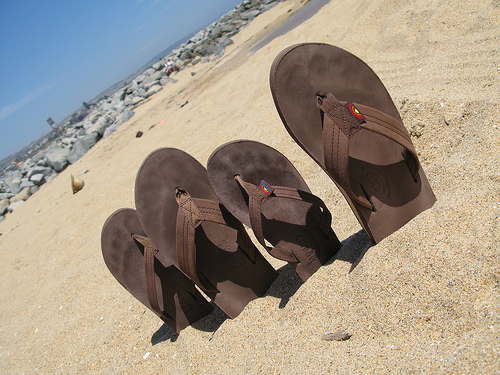
Photo Credit: Flickr
7. Laptop
Apple Macbook Pro 15 inch. Great computer, but not really very tough. I am constantly fixing things on my laptop; I am not sure if it has trouble with the dusty environment I live in or bumps on the road, or humidity, all of which are bad for laptops. I think the quality of Apple products has been on a downward slide. I am currently trying to get out of the Apple eco system, but have not found a worthy alternative just yet.

Photo Credit: Flickr
8. Phone Nexus 4
My view on technology right now is that I don’t want to spend a bunch of money on hardware. The reason is, things happen, freak rain storms drown your stuff, things fall out of your bag, humidity, dirty hands, dirty power, etc. Nothing really lasts in this region so why spend money on it.
The Nexus 4 is perfect for here in that it is cheap and functional, now if I can get the same value from my laptop. GPS works well enough to mark trails, roads, boundary lines, pretty amazing actually.
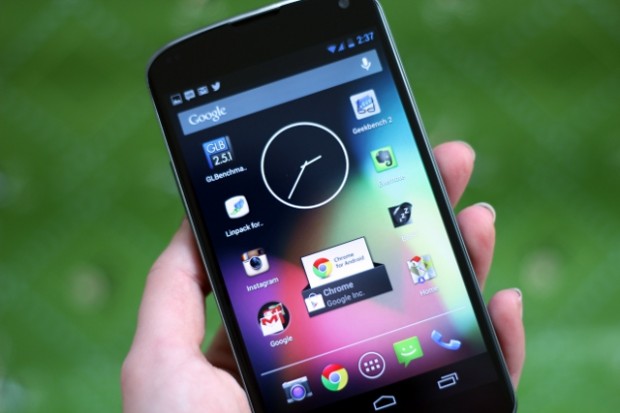
Photo Credit: Nexus
9. Backpack
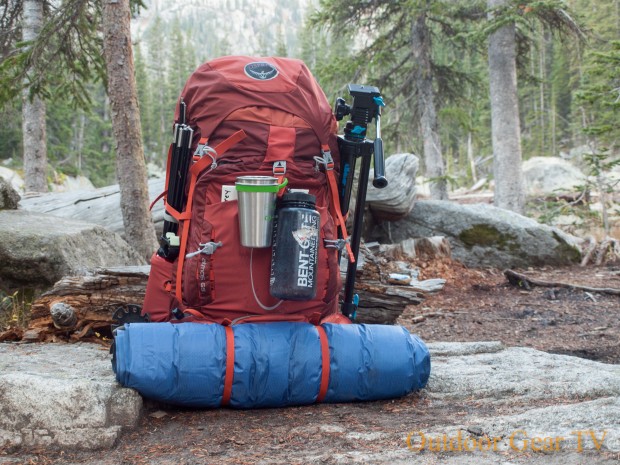
The Osprey Atmos 50 is a great pack, I will probably get another one when this one finally dies. Throwing it into the storage compartment under the bus, bouncing around in the back of the pickup, or just standing in the corner of the Mango Bay Villa, this pack handles it all.
It isn’t waterproof, but other than that, the pocket arrangement, main compartments and materials are smartly designed to create a quality reliable pack. I usually don’t hike much with these packs, I use it more for short little trips, and when used in this capacity it’s really comfortable.
Photo Credit: Osprey
10. Day Pack
I have had this pack for 3 years, which is amazing, I use it all the time and everything has worked well until recently. The bottom zipper has become corroded, the weather in this region is brutal on zippers. I have lost several pair of surf trunks due to zipper corrosion. The layout of the pack for carrying a SLR, laptop, phone, and all the necessary accessories works really well for me. The internal frame also helps keep the load balanced and feel solid. I sprung for waterproof bags that I keep in the pack in case I get surprised by the rain, more cost-efficient than buying waterproof packs.
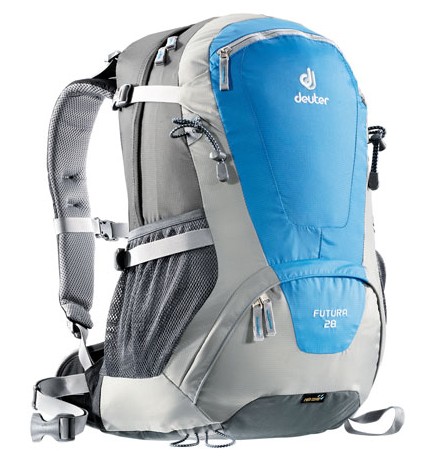
Photo Credit: Campist
Do you have a favorite gear item? Leave us a comment below so we can add it to our list.

The process of buying property in Panama isn’t always a straightforward one, but–with the right help–it may be a lot easier than you think. We’ve outlined the process from start to finish and defined some of the key terms, to help make relocating to your dream destination a little bit easier.

Photo: Chuck Holton
Before You Start Shopping for Panama Property
- Take your time. Panama is a buyer’s market. There are plenty of properties available, ranging from planned communities in quaint villages to undeveloped land in remote locations. Don’t feel pressured to make a hasty decision.
- Do your homework. Get to know the country. Start virtually, and then come explore the surroundings for yourself. Narrow down exactly which part of this Central American paradise you’d like to call home. Panama offers mountains, beaches, and city living. And depending on where you go, you might even find several of those in close proximity to one another. Also consider how close you’d like to be to major cities, airports, and the best healthcare. Make sure you spend plenty of time in the area to which you plan to relocate. See what it’s like in the different seasons. Picture yourself living there. Get to know some natives and local expats. Find the places you’ll eat and shop. Figure out how you’re going to spend your time in your new environment and what activities the area has to offer.
- Understand the different types of property. Panama has both titled and untitled property that can be yours to inhabit. However, they’re treated quite differently.
- Titled property works just as you’d think. It belongs to you. The title gets transferred to your name and recorded in the Registro Publico, or public registry.
- Rights of Possession (ROP) property is different. The Panamanian government owns title to the land, but you have the right to use the property any way you’d like…just as if it were your own. That is, all except for one important factor: You don’t have to pay property taxes. A full understanding of ROP property requires a little background knowledge of how the concept came to be. It is essentially the original model of real estate, where land rights were granted by the king in exchange for a fealty, or tax. The king protected your rights to the land as long as you remained in good standing. (Think U.S. property taxes.) Some estimates indicate that as much as 90% of land outside of Panama City is untitled, so it isn’t nearly as uncommon as you might think. So don’t let ROP property scare you. ROP land definitely has its risks, but the key is to resolve any issues on the front end by doing your due diligence before you buy. The right team of real estate and legal experts can do all the necessary homework on a property you’re considering, or in some cases they may already have. Let me reiterate that part about choosing the right team. Make sure you go with someone who has experience evaluating Rights of Possession properties in Panama and has a proven track record of success in this area. When done correctly, ROP property can be an excellent investment.
- A Note about Squatters: Both ROP and titled land that is unoccupied can sometimes be inhabited by squatters. After a certain number of years, squatters can actually be granted rights to the property. As a precaution when buying either type of land, it’s important to first check it carefully for signs that someone might be squatting on the property. Go spend some time there. And once you own the land or the rights, the laws are very clear on what measures you can take to prevent squatters from setting up on it.
- Learn the implications of the different types of property for visa requirements, tax exemption, and loan qualification. Because the two types differ it’s important to make sure you’re shopping for the right one. For instance, tax exemption is an excellent perk of buying ROP land. However, because you don’t hold the title, you can’t use it for collateral or a qualifying investment for a residency visa. While property taxes often do apply for titled property, there are some tourist areas where tax exemption applies, even for income earned on rental property. Buying property in the name of a corporation created and controlled by you is another good option to provide strong asset protection and better control over taxes. Setting up a corporation in Panama is a fairly simple and inexpensive process. An attorney can help you with the paperwork and requirements.
- A Note about Financing: While financing can be difficult to obtain in Panama, it is possible. Panamanian banks will offer mortgages to foreigners. However, it is necessary to first build credit in Panama. Seller financing is often a good option, but it’s important to buy only from a credible seller and have all contracts carefully reviewed by an attorney.
Building Your Team
- Find a real estate professional you can trust. The real estate climate in Panama is very different than in countries like the U.S. There are few regulations governing real estate practices. Many agents are unlicensed. There’s no multiple listing service (MLS) and little cooperation between agents. Even commissions vary greatly, ranging from 3 to 10%. Overall, there’s simply no fiduciary duty imposed on Panamanian realtors to protect your interests. So keep in mind that they only make money if they sell you a property, take everything they say with a grain of salt. The best advice we can give is to do your due diligence and make sure you choose a real estate professional who is reputable, someone who understands your goals and will work with your best interest in mind. Run a search on them to see if their name turns up any negative information. Feel free to contact us if you need a recommendation.
- Decide if you need to hire an attorney. Given the intricacies and potential complications of a Panamian real estate transaction (as well as the fact that all the paperwork is in Spanish), it’s probably a good idea to have an attorney to assist you along the way. Just like with any other professional, spend the time to research and find someone reputable. Make sure to spell out what you’d like for them to do. They can assist with the title search, researching rights on ROP properties, registering the title once the property is yours, obtaining English translations of all documents, and interpreting both translations for accuracy. It’s always a good idea to get a quote up front for their services, and it can never hurt to get multiple opinions.
- If needed, find a bank or private escrow company to handle the actual monetary transaction. Due to the potential for corruption and the difficulty of defending yourself in the legal system if a situation were to arise, you should generally avoid giving money directly to the seller or real estate agent. Like many aspects of real estate transactions in Panama, it all ultimately depends on the reputation of the entities with which you’re conducting business. If there is a need for concern, your attorney should be able to handle the disbursement of funds. However, some aren’t willing to do so. In such cases, a bank or private escrow company, can take care of it for you. The wire transfer from a U.S. bank is simple, since there’s no currency exchange, and generally takes around three days to be credited on the Panama side. You can then authorize them to issue the funds, in the form of a certified check, once all obligations have been met.
The Buying Process
- Step 1: Deposit and Contract. Congratulations! You’ve found your tropical paradise to call home. The first step is to sign a contract for purchase, often called a promise contract, and pay a deposit. The contract spells out all the terms and contingencies, the agreed upon purchase price, the deposit amount paid, and the time frame for closing. The deposit is non-refundable, except in a case where certain contingencies aren’t met. The contract itself is binding and enforceable in court.
- Step 2: Title Research. This step will likely be the longest and most complicated in the buying process. Request the title (or government issued Verification Certificate for ROP land) from the seller. It should include the name of the owner and a description of the property. The seller should also provide a map of the property. Consider having a survey completed, particularly if one hasn’t been done before. A survey would verify the exact boundaries of the property, which even the seller himself might not be completely sure of. While Rights of Possession properties obviously require a lot more research to verify that the seller does indeed possess the rights to the land, it’s important to note that research on a titled property is every bit as important. Make sure there’s a clear title, with no liens or other legal issues, before you buy.
- Step 3: Bill of Sale. Obtain the proper form and complete a bill of sale, which shows the name of the buyer, the seller, and the price paid for the property. This document is given to the Notary Public who finalizes the sale and is also used for determining the value of the property for income tax purposes.
- Step 4: Title Transfer. This portion of the transaction is handled by a Notary Public, who holds much greater power than those in the U.S. In Panama, a Notary Public is a high-ranking official who handles all legal aspects of a transfer of land or land rights, among other responsibilities. They will create create a new title, or certificate, which is then approved by the Chief Notary.
- Step 5: Transfer of Funds. Once all of the previous steps have been completed (and not before!), the final step to property ownership in Panama is the actual handing over of the money. The bank or escrow company you’ve chosen will issue a certified check to the seller, as well as separate checks for commissions or other service charges.
- Step 6: National Registry. Once the purchase of titled property has been completed, the title can then be recorded in the public registry. This final step makes it official! You now own your very own piece of paradise with nothing left to do but enjoy the fruits of your labor.
- A Note on the Buying Process: When working with many firms, the steps above may be transparent to you. A company skilled in real estate transactions will often handle many of the above aspects and include the fees in your closing costs, saving you a lot of time and energy.
Tips for Buyers
- Stay out of court. Panamanian courts can be very unfriendly to foreigners and often even corrupt. This is the main reason it’s so important to do your due diligence on the front end.
- Understand the special nature of beachfront property. All Panama beaches are public access. This means the public owns the first 20 meters from the high tide mark.If you buy beachfront property and plan to build a structure that extends into the water (e.g. a pier or even an entire home on stilts above the water), you’ll need to obtain a concession to do so. This process can take years, and no building permits can be obtained until this step is completed. When buying property that already has such structures, make sure that the seller can prove that the proper concessions were granted. (Note that this limitation only applies to the area in and immediately adjacent to the water. The rest of the land is yours to do as you see fit.)
- Avoid gimmicks. Steer clear of anything that sounds fishy or too good to be true. Remember what we said about realtors and the things they tell you. Investigate any and all unusual-sounding deals carefully.
- Use caution when buying in a planned community. Carefully review the development’s CCR’s, or covenants, conditions, and restrictions. Walk away if a builder says they haven’t been written yet. Believe only what’s spelled out in the document, not verbal promises made by the developer.
- A project is only as good as its developer. Because Panama is a thriving retirement hotspot, it is unfortunately riddled with amateur developers trying to make a buck by selling you grandiose dreams of the future. They may try to convince you to get in now in the early stages, with assurances that they’ll later build roads, shopping centers, and restaurants. Make sure they have a proven track record, as there’s always a chance these structures may not get built. If a grocery store right around the corner is a must-have for you, go with a property that already has one.
What other strategies do you use for buying property in Panama?

When you move from a city to a small expat town, it can be extremely hard to fit in.
Here are 13 rules to set you on the right path for small town living as an expat .
In a city, rhythms and lifestyle are so different compared to a small town. Time is of the essence, you have anonymity if you want it, and your actions are rarely judged. If a chance encounter with someone significant occurs in the city, you jump to take advantage of opportunity before it disappears forever.
This is not customarily the case in a small town; in fact, it’s almost the opposite, jumping on an opportunity to meet someone might backfire from being perceived as too aggressive.
Here are 13 rules to set you on the right path, even if you are the new guy.
1. Relax and Take Your Time
People living in small communities have their routine down. They have their friends, activities, and habits already defined. Be aware of this, making room for you means changing their routine, so give it time. Take it slow and be patient, social opportunities will come up without you pushing too hard.
2. Don’t Gossip
Gossiping is very common, everyone knows everything about one another. Gossip can be traded like currency, who slept with who, who is having business trouble, who said what at the last party. You will be challenged to not get involved, not to give your opinion, but do not perpetuate gossip. If you stay out of the gossip circle you are not in danger of creating a relationship based on gossip, (which never last) and even better, you will show you can be trusted. This is what leads to strong long term relationships with good people.
3. People Come Out of the Woodwork
Often the most intriguing people are not at the party. When someone has a good happy rhythm in a small town they often are not looking to be seen. They have found a magic formula and don’t need to socialize at parties to fill a void, these people can be very interesting and discovering them can be a real find.
4. You Are Not a Mind Reader
Try not to interpret everyone else’s actions as liking your or not liking you. Avoid this mind trap, it will lead to nothing but self consciousness and being miserable. Let it go, don’t waste time worrying about what so and so said, or why so and so didn’t call you for their birthday. Stay busy and stay the course great opportunities are in front of you.
5. Respect the Locals
Small towns were there before you got there and will be there when you leave. The residents who are there have a history, which can make them seem irrational at times. For example someone may hate someone else for something that happened 10 years ago, but they won’t let it go. Do not judge; respect the history even if they are not over it yet, chances are they never will be.
6. Understand the Game
Newcomers to small towns predictably look for acceptance. The quickest path to acceptance is to prove your dependability. So, sticking to your own business, and being authentic when social opportunities present themselves is the fastest route. No need to be a recluse, take advantage of every encounter you have, just don’t force it. Do not try get to know people quickly, this goes against the rhythm. You are new to them, and new is an unknown quantity. Once dependability has been established then progress can be made.
7. Stay Busy
Find things you love to do with or without people. Sometimes it is lonely, but if you have a passion that fills your time it will be a giant help as you slowly build up trust and friendship.
8. You Will See People You Know All the Time
You really don’t need to be a social butterfly to get to know people. In fact, limiting your exposure is a good idea. If it’s a small enough town, you will have unplanned interactions with people all the time, at the store, the gas station, parties, etc. Remember there is a finite amount of people, so friendship is a marathon, not a sprint. You may be able to build lasting relationships just from seeing the same person every morning at your favorite breakfast joint.
9.Track Record Matters
Don’t treat people differently based on who you think is watching. This gets noticed in small places. Treat people the same no matter who is watching. Your track record will precede you, people talk. Its up to you, do you want a positive track record or a negative one.
10. Be Mysterious and Unaffected
This is a great way to meet no one and be lonely in a city, but in small towns it can be an excellent strategy. People want to hang out with intriguing people; if they believe you don’t need them, they will come calling. If they think you have a needy personality they will avoid you like a leper. Walking this fine line is laborious, but knowing it exists is really the point.
11. Don’t Hang Out with Your Buddies Too Much
It is so easy to get lulled into habitually socializing with the same people every weekend, hanging with them at parties, or inviting them over all the time. The problem with this is socializing too much can eventually destroy the relationship. Don’t take great friendships for granted, be disciplined and manage your friendships to keep them interesting for the long term. Novelty is highly valued commodity in a small town.
12. Secrets Will Get Out
Secrets have a way of revealing themselves when given enough time. Avoiding the need for secrets in general is smart, but if it is necessary, take the time to discover who you can trust first. You need a reliable network of friends. Hold off on being impulsive with classified information or behavior until you know who is who.

Do you want to explore the world and telecommute? Can you work from your laptop? If so, here are 9 awesome places where you should be doing it.
1. Matapalo, Osa, Costa Rica
Watch Scarlett Macaws fly by as you talk to your friends back home in their cubicle.

Photo Credit: Photography critiques
2. Lake Yojoa, Honduras
Sip some of the world’s best coffee while updating your cloud files.

Photo Credit: aaronernestoortizlopez
3. Barra de la Cruz, Mexico
Check your emails between swells.

Photo Credit: Acer Acera
4. Boca Chica Island, Panama
Kick your feet up in a glass house, watch the monkeys hop from tree to tree while on your next conference call.
Photo Credit: Emerging Terrains
5. San Juan del Sur, Nicaragua
Watch the sun set, while your friends are stuck in traffic.

Photo Credit: Sean9141
6. Playa Las Flores, El Salvador
Turn casual Friday attire into beach attire: flip-flops are mandatory.

Photo Credit: AdventuraCuscatleca
7. Caye Caulker, Belize
Trade in your windowless cubicle for the word’s best vista.

Photo Credit: Mukster
8. Playa Canoa, Ecuador
Dine on freshly caught fish at your next business dinner at Canoa Ecuador.

Photo Credit: Read George
9. Lake Atitlan, Guatemala
Click send, then hit the water for some kayaking.

Photo Credit: Mike Sten
Got any better places to telecommute? Let us know in the comments.